







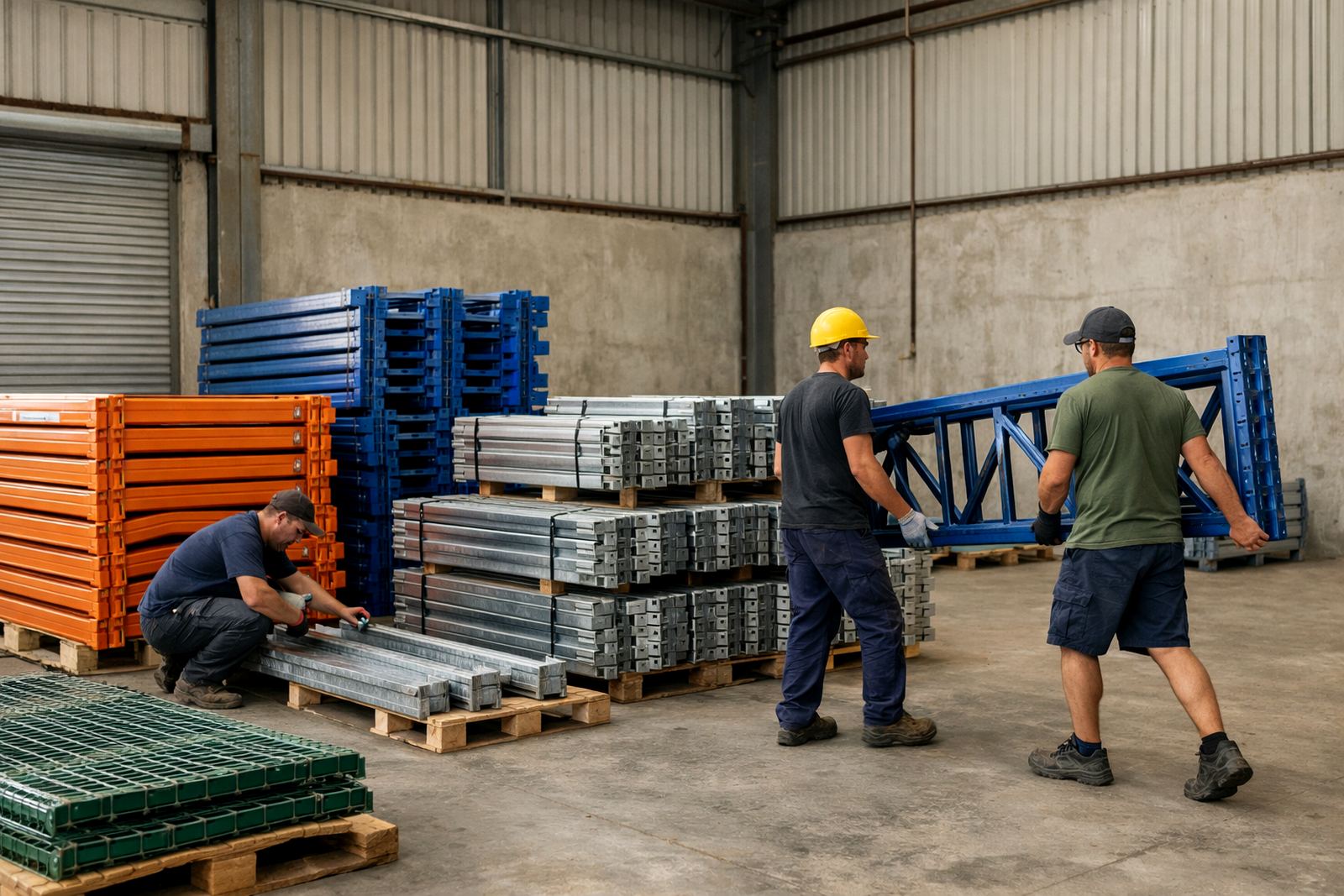

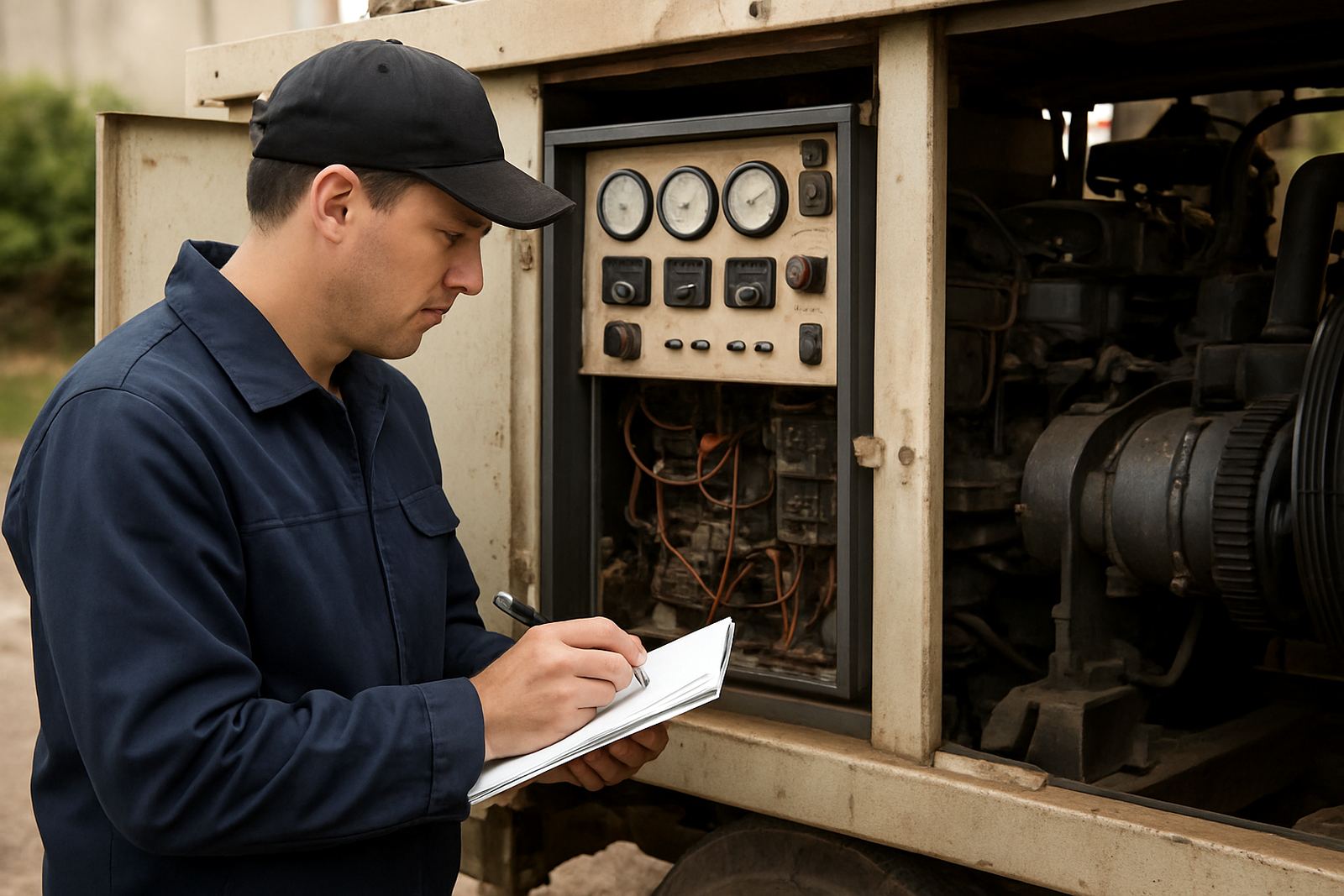
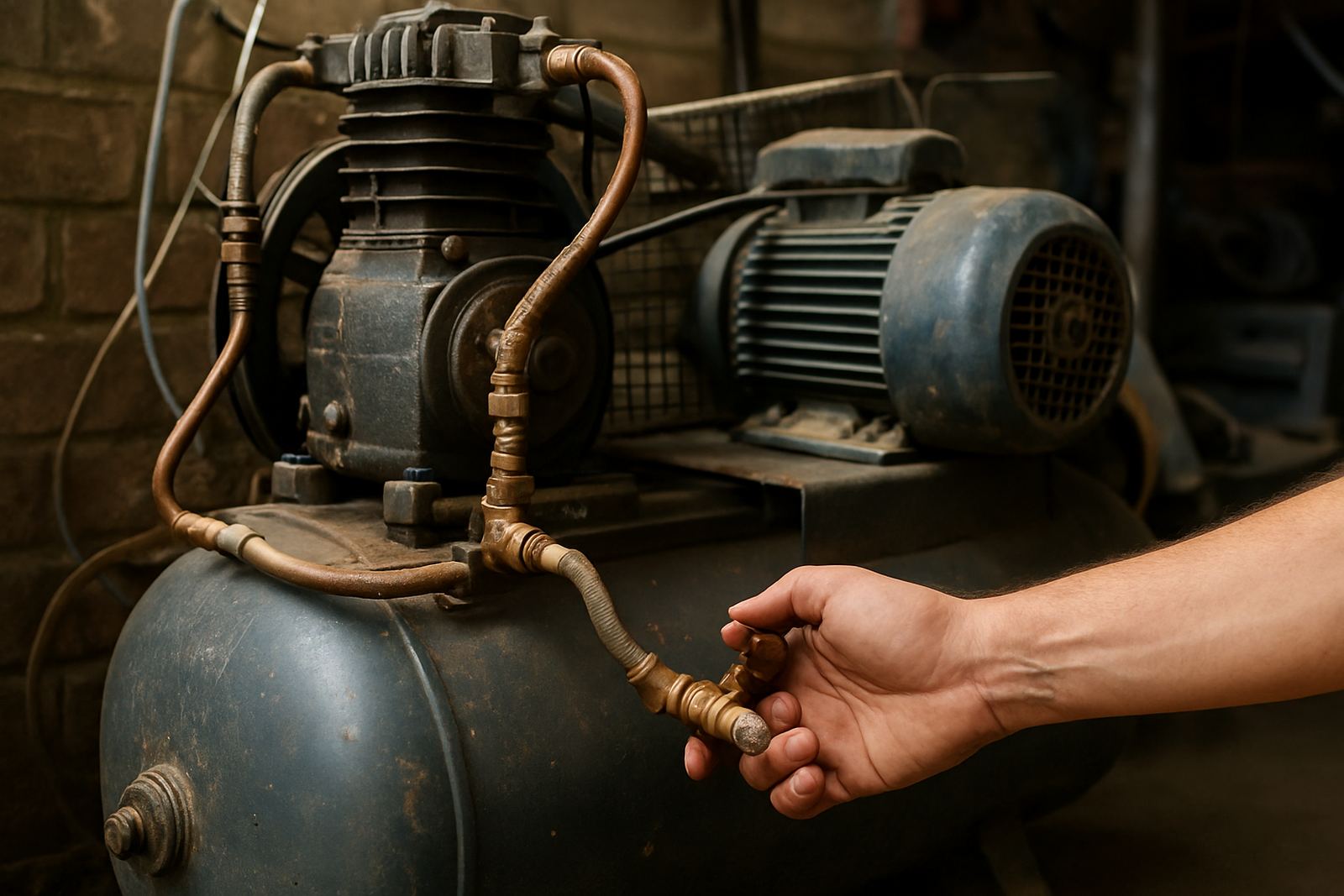
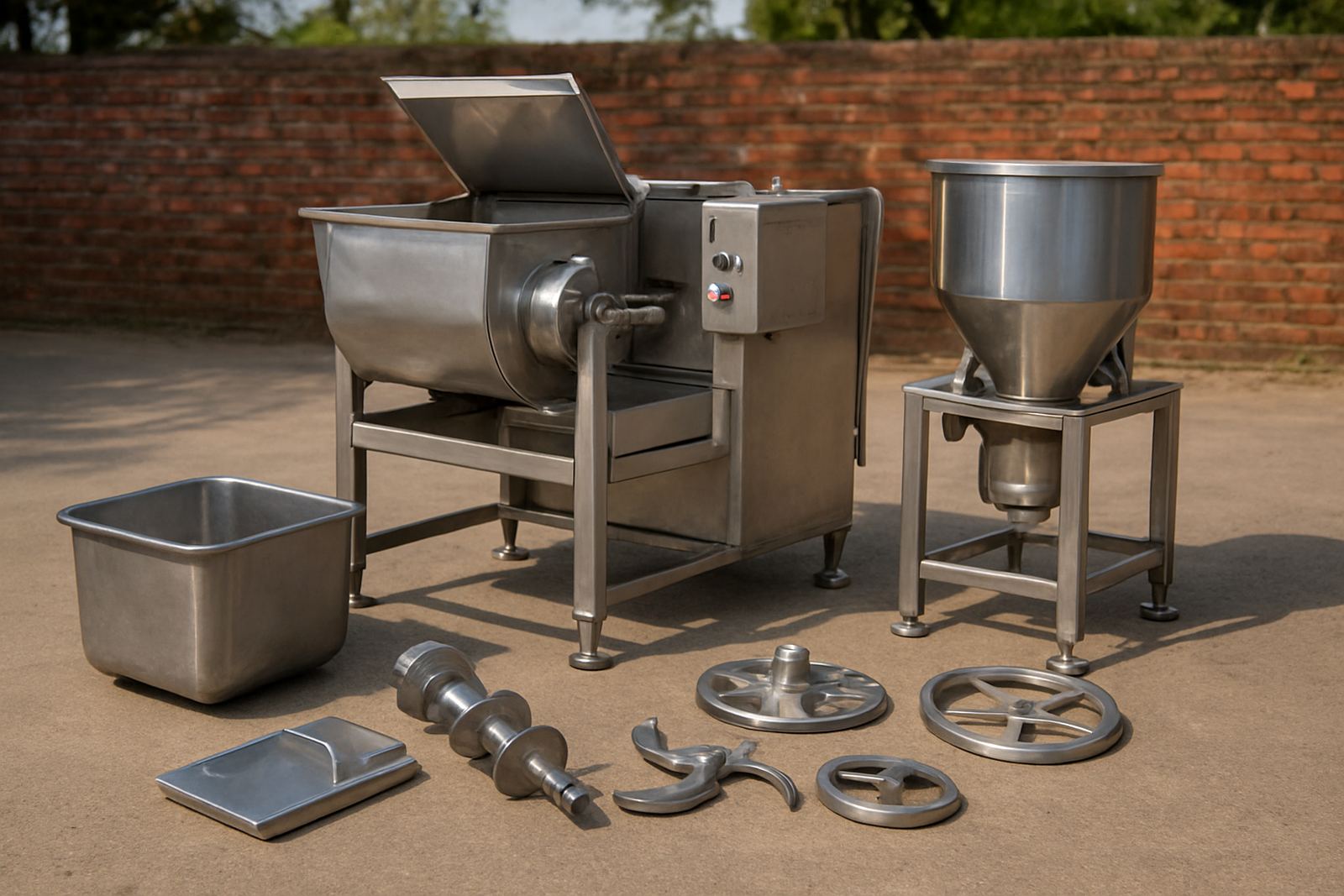








Start with the auction basics that affect your return
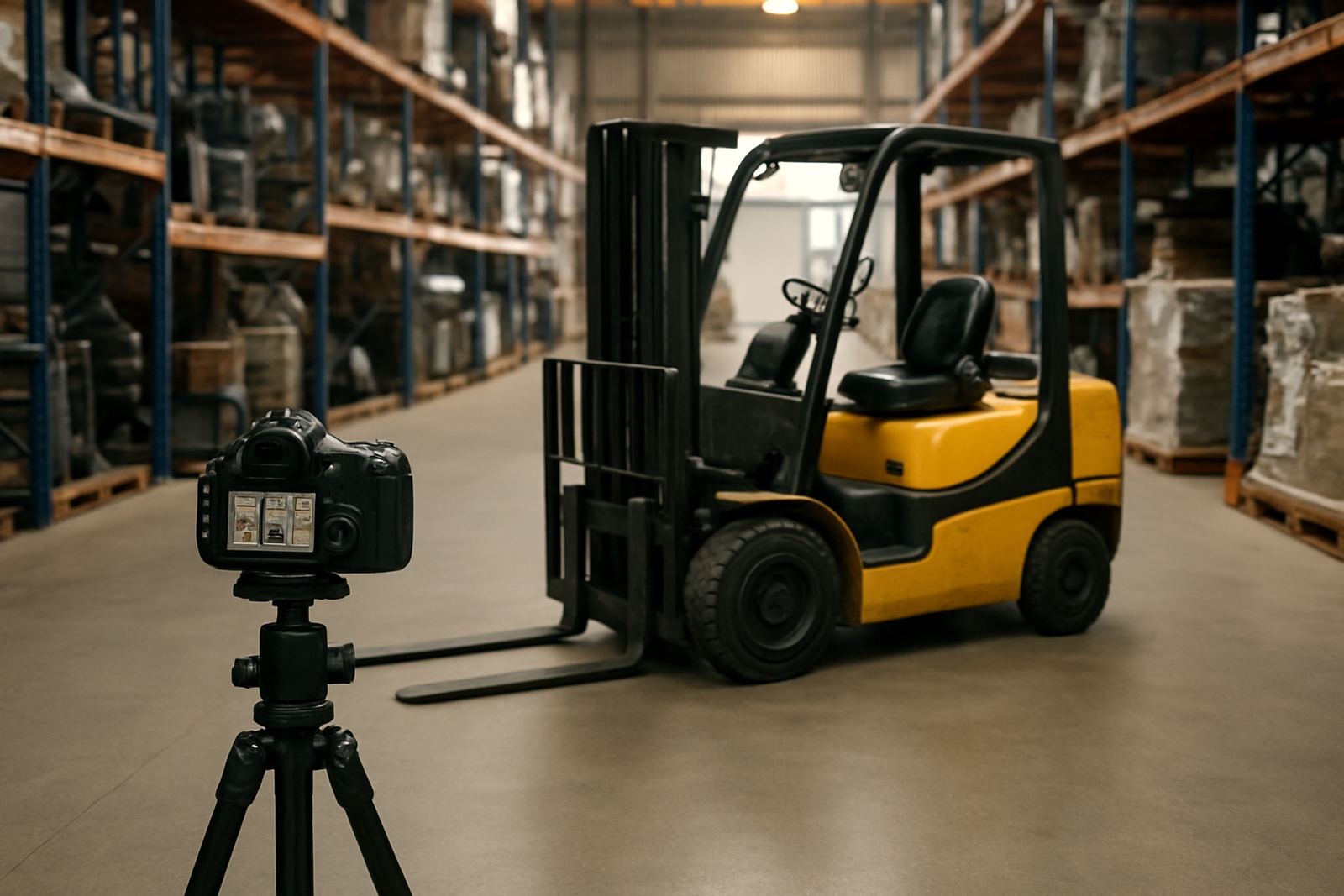
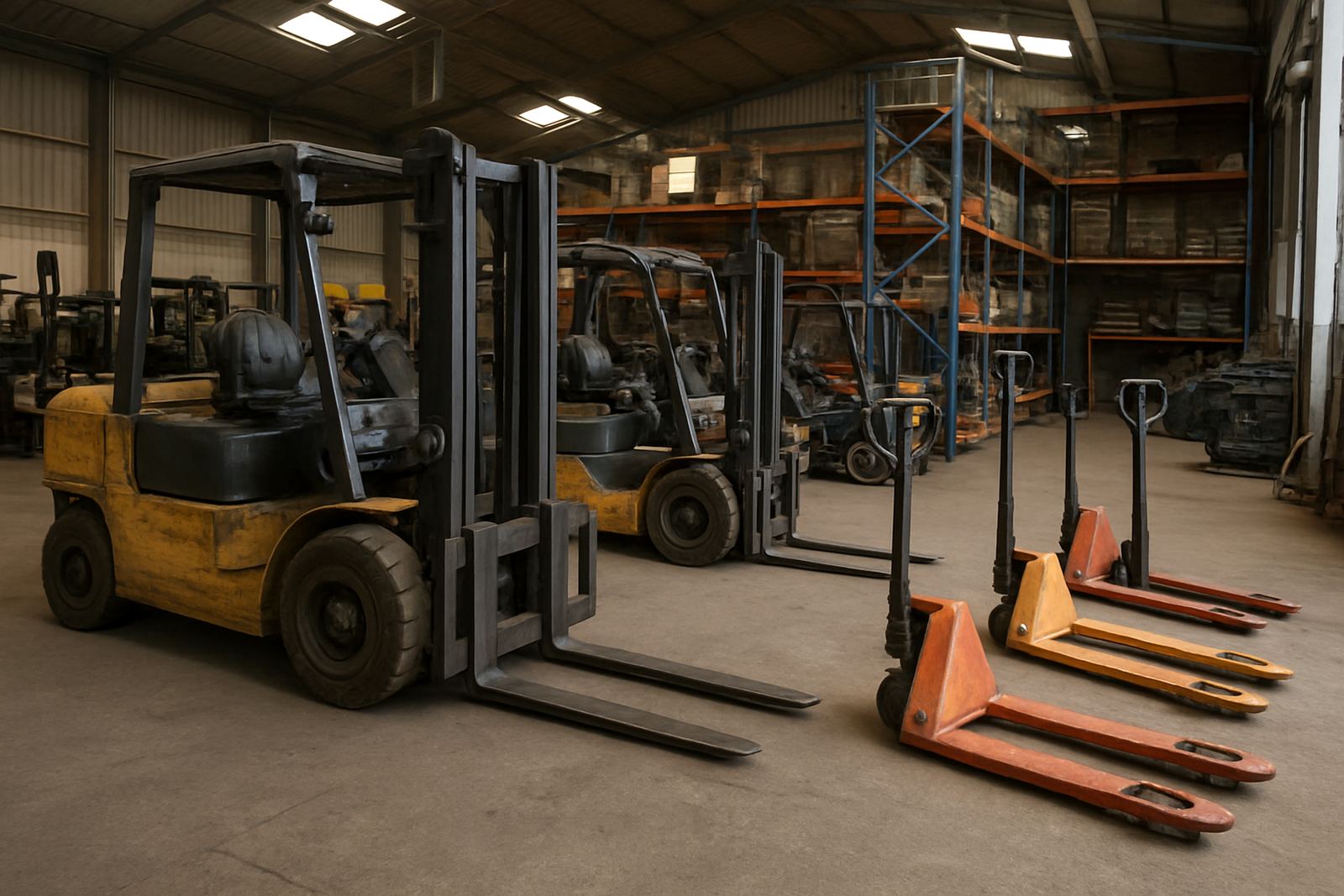
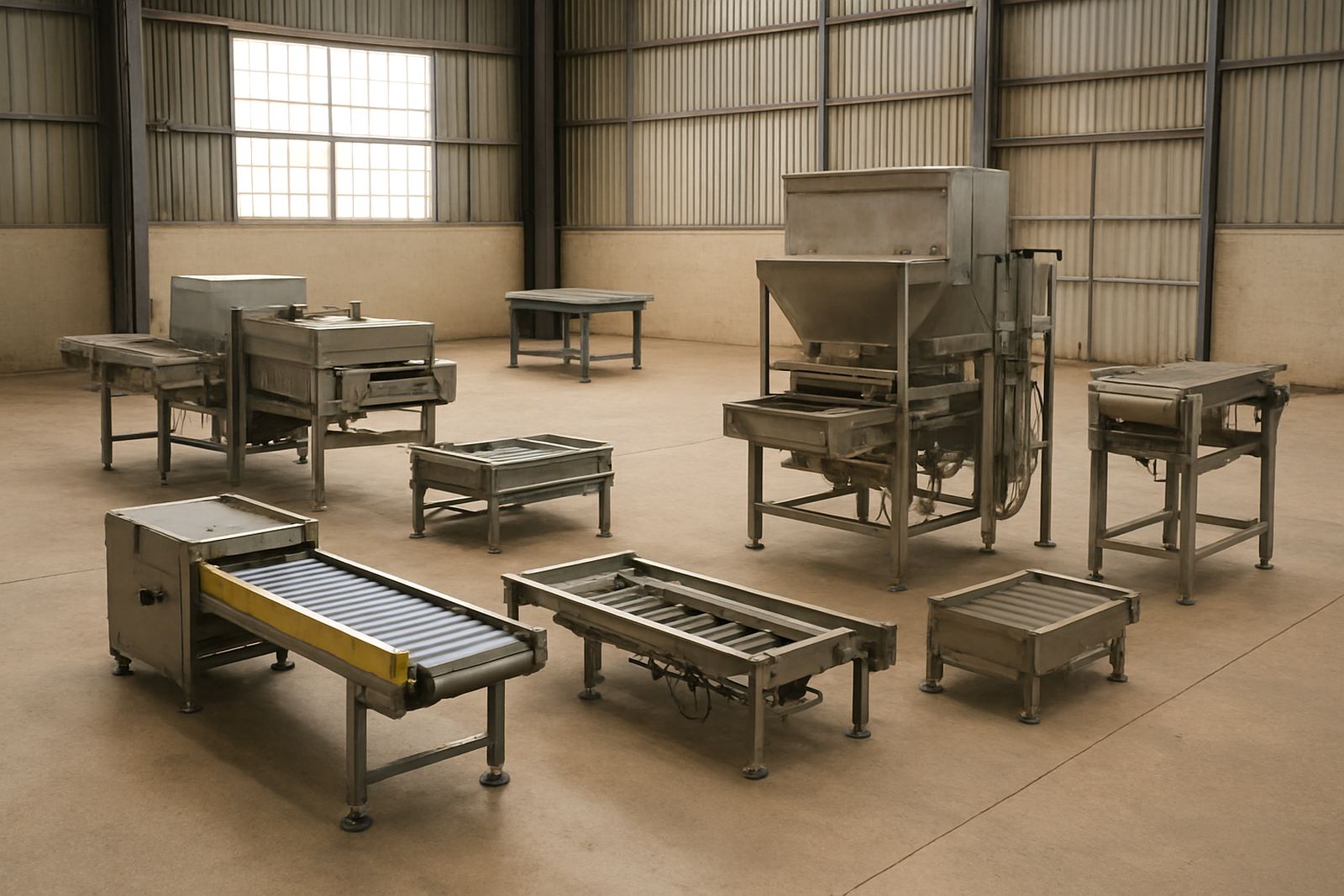
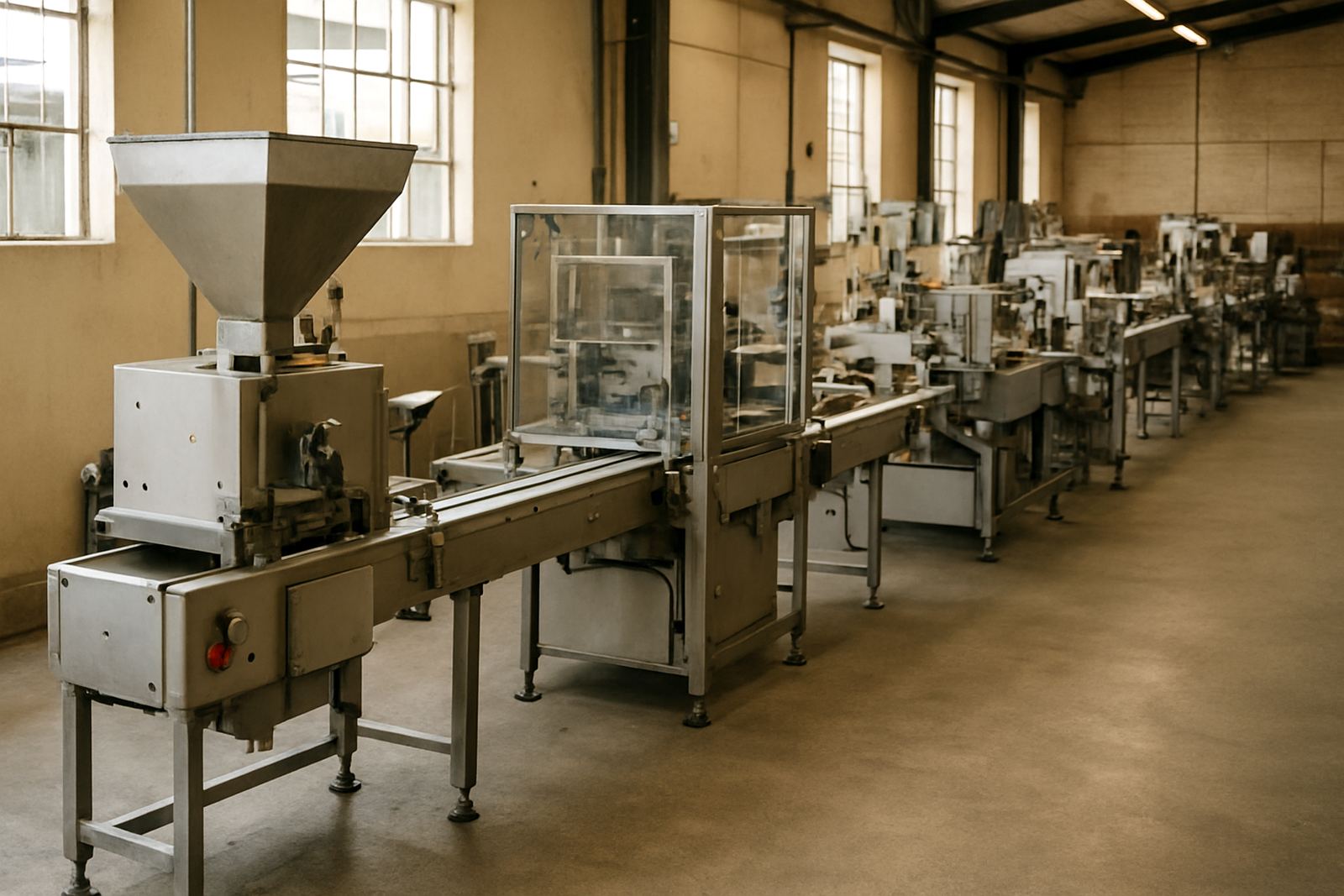
If you are selling surplus plant, vehicles or workshop equipment, the first step is knowing how auction timing, reserve prices and lot grouping affect final results. A timed online auction can work well for stock that needs wider reach, while a smaller clear-out may suit a focused sale with a tighter lot list. For buyers, the same basics matter because the way a lot is described, photographed and scheduled can change how confidently you bid.
We write about the points that matter in day to day use, not theory. That includes how to read a lot summary, what to check at viewing, and how to compare a used item against the cost of replacing it new. In Gauteng and beyond, that sort of preparation can save time and Rand.
How to judge used machinery before you bid
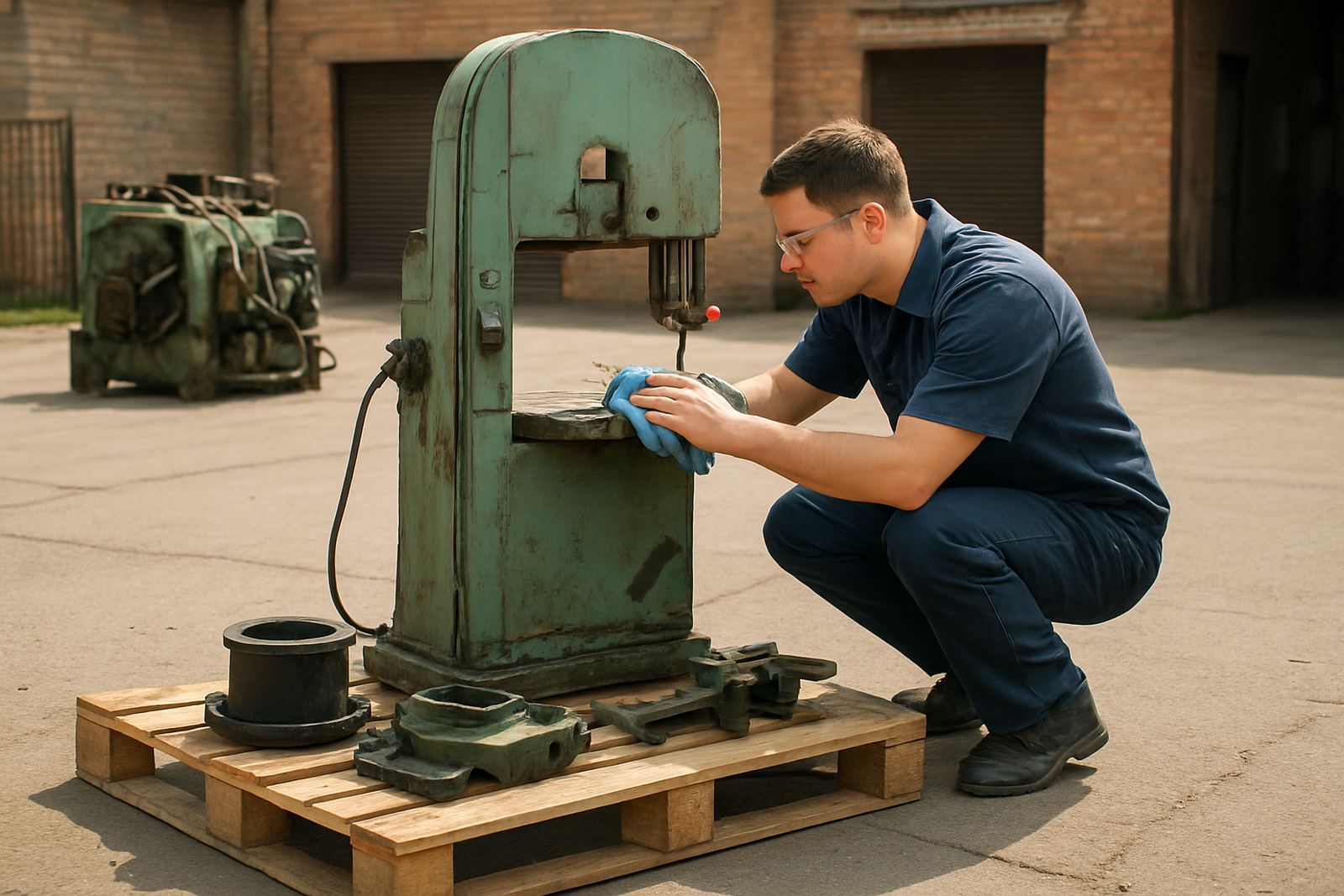
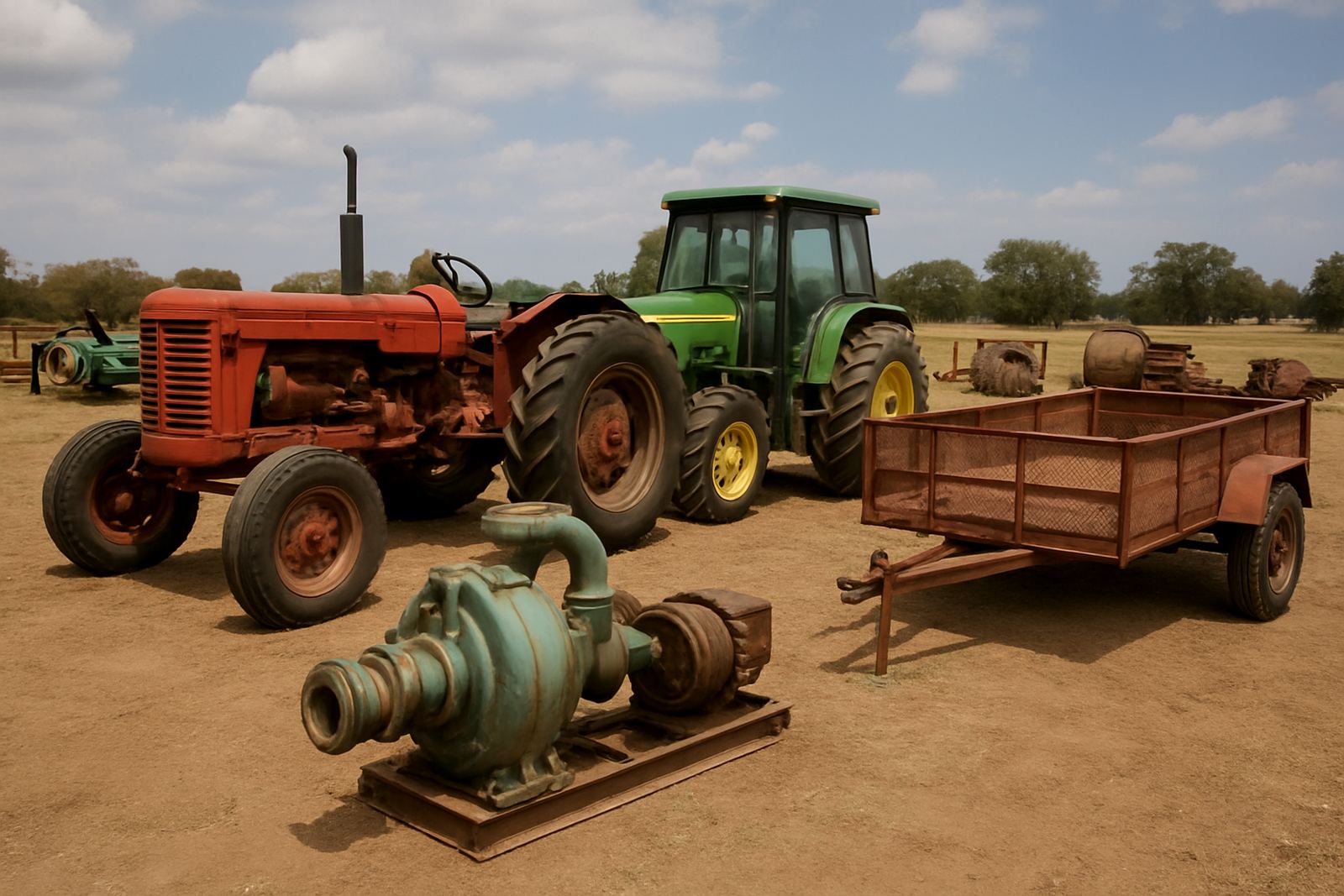
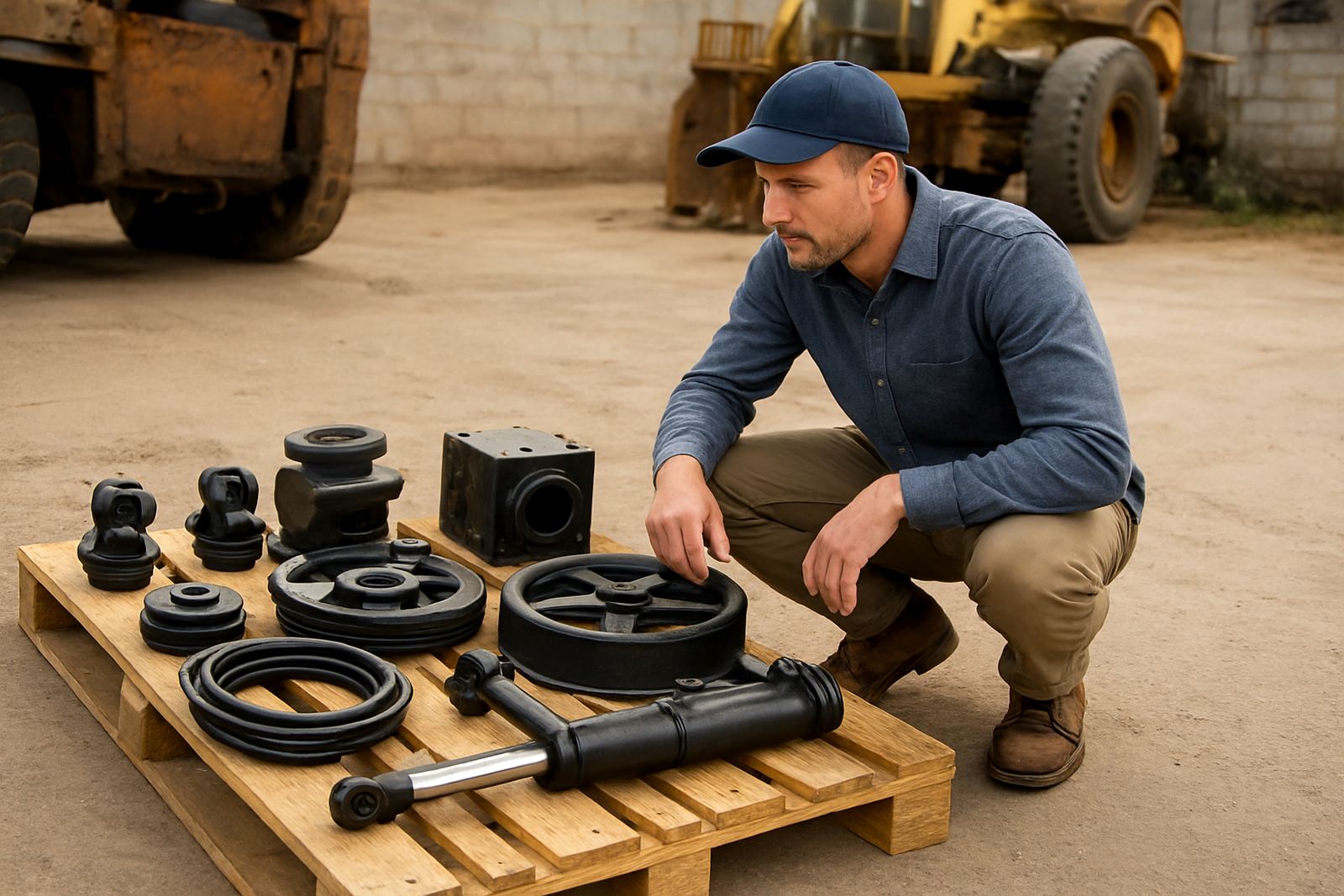
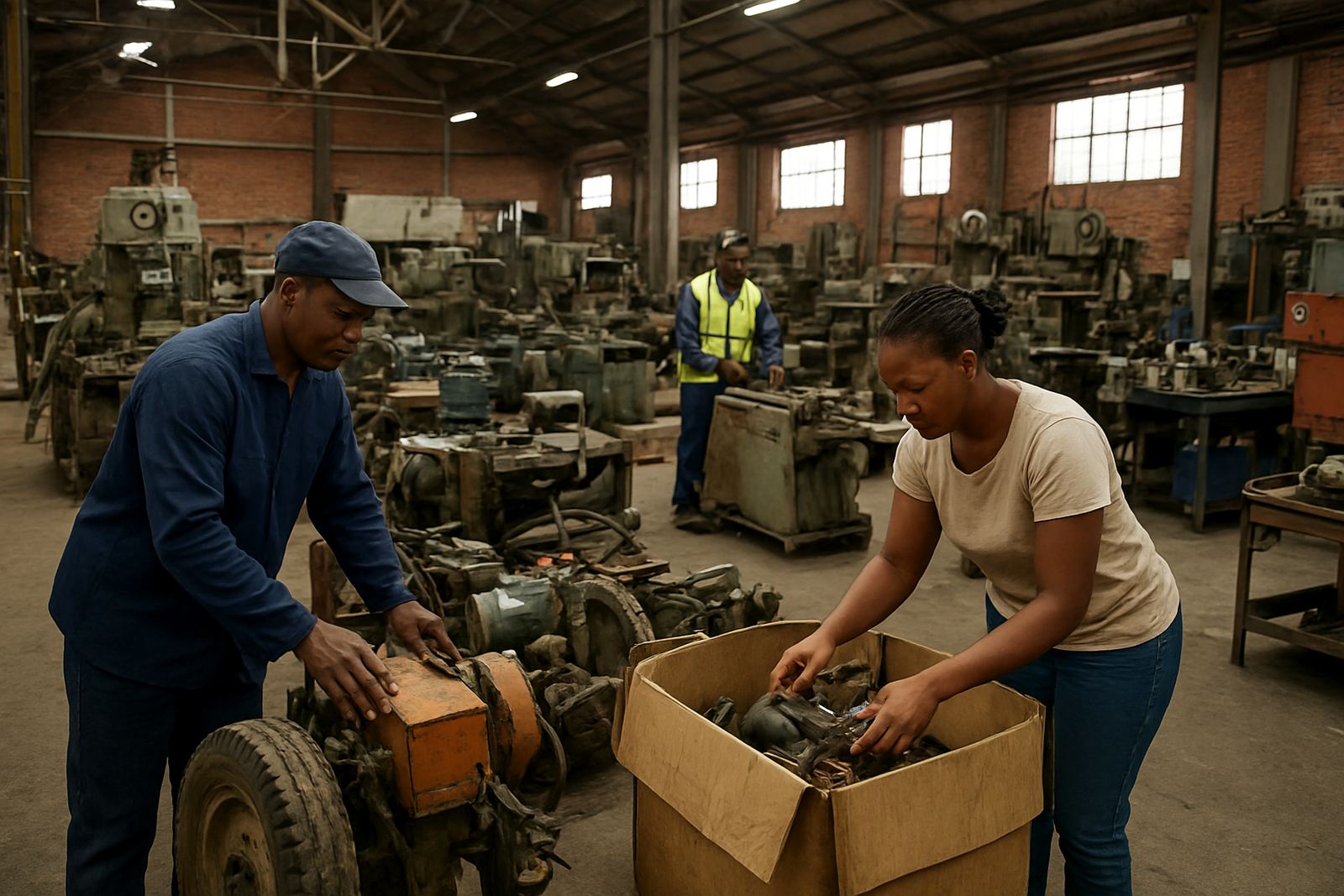
Used machinery auctions reward buyers who look beyond the opening price. A machine with serviceable parts, clear hours and sensible wear may be a better buy than a cheaper unit with no history. In humid coastal areas, corrosion risk matters. In industrial areas around Germiston, Isando and Alberton, dust, heat and heavy use can also leave their mark, so condition checks should be practical and specific.
- Check the frame, guards, hydraulics and electrical panels for wear or damage.
- Ask whether the unit was tested under load or only started briefly.
- Look for missing fittings, leaks, uneven tyre wear or patch repairs.
- Compare the replacement cost of parts against the asking range.
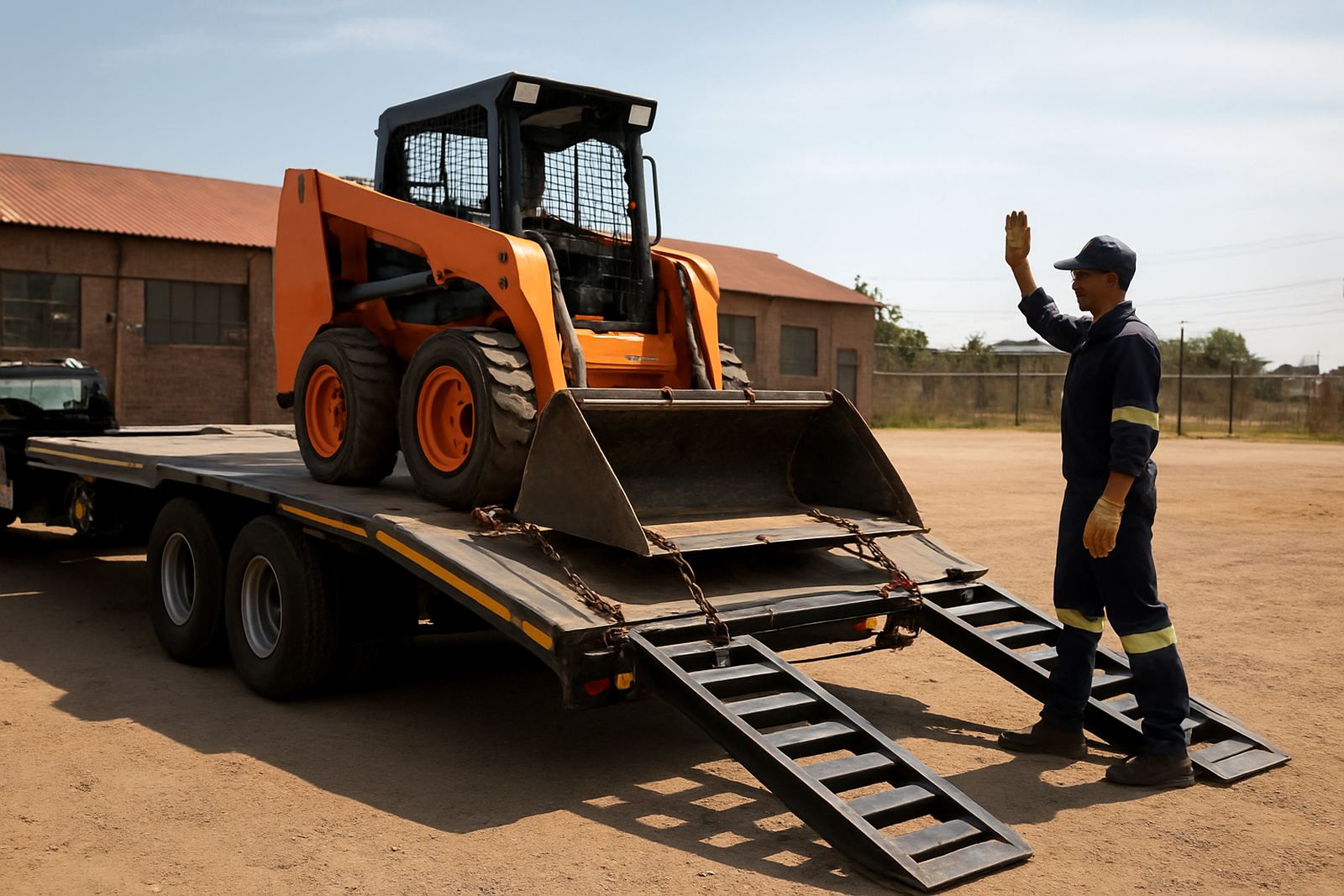
Buyer readiness is not just about funds. It is also about transport, rigging and whether your team can collect within the set deadline. If you cannot move a lot quickly, the best price on paper may become an expensive delay.
What sellers should prepare before listing surplus assets
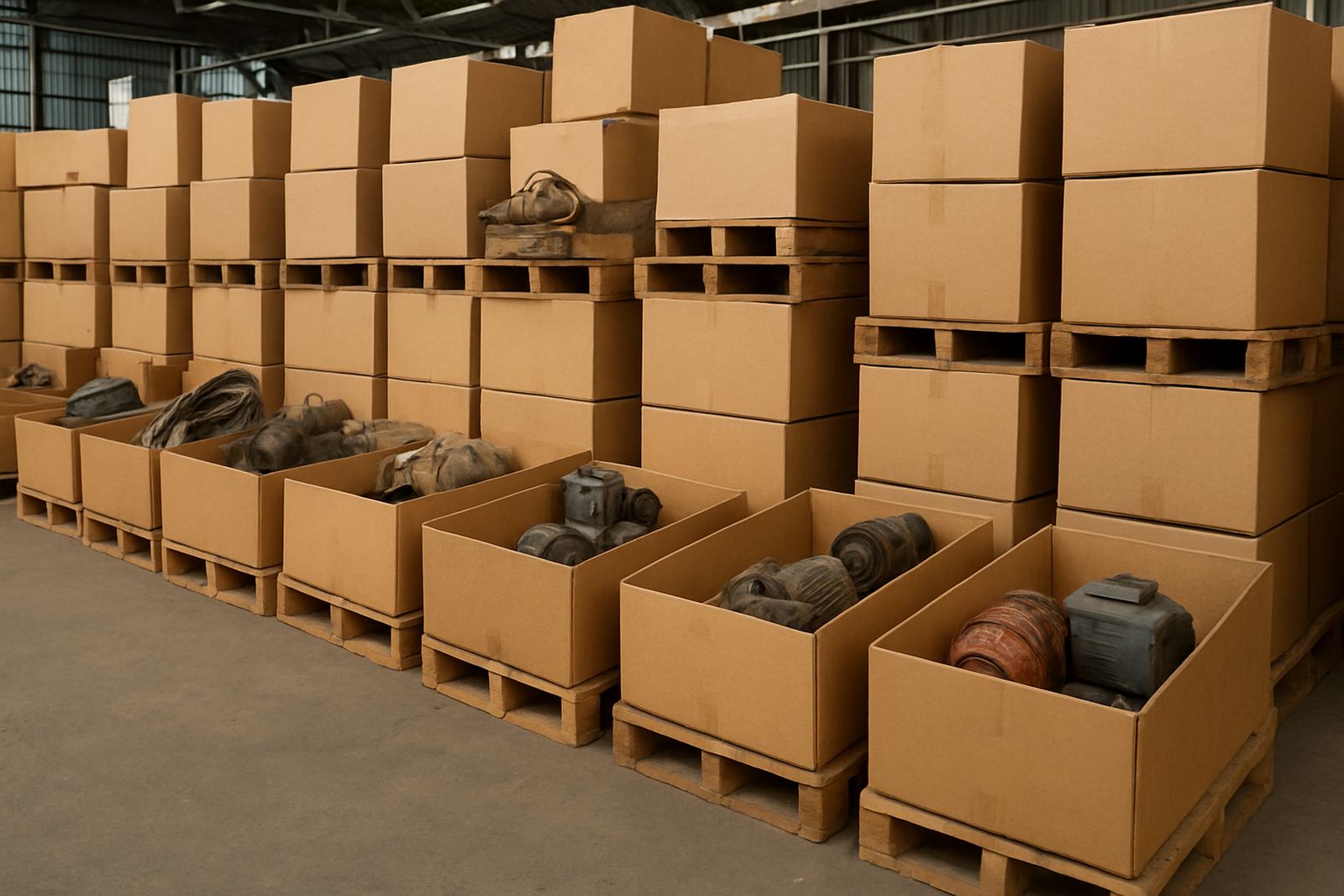
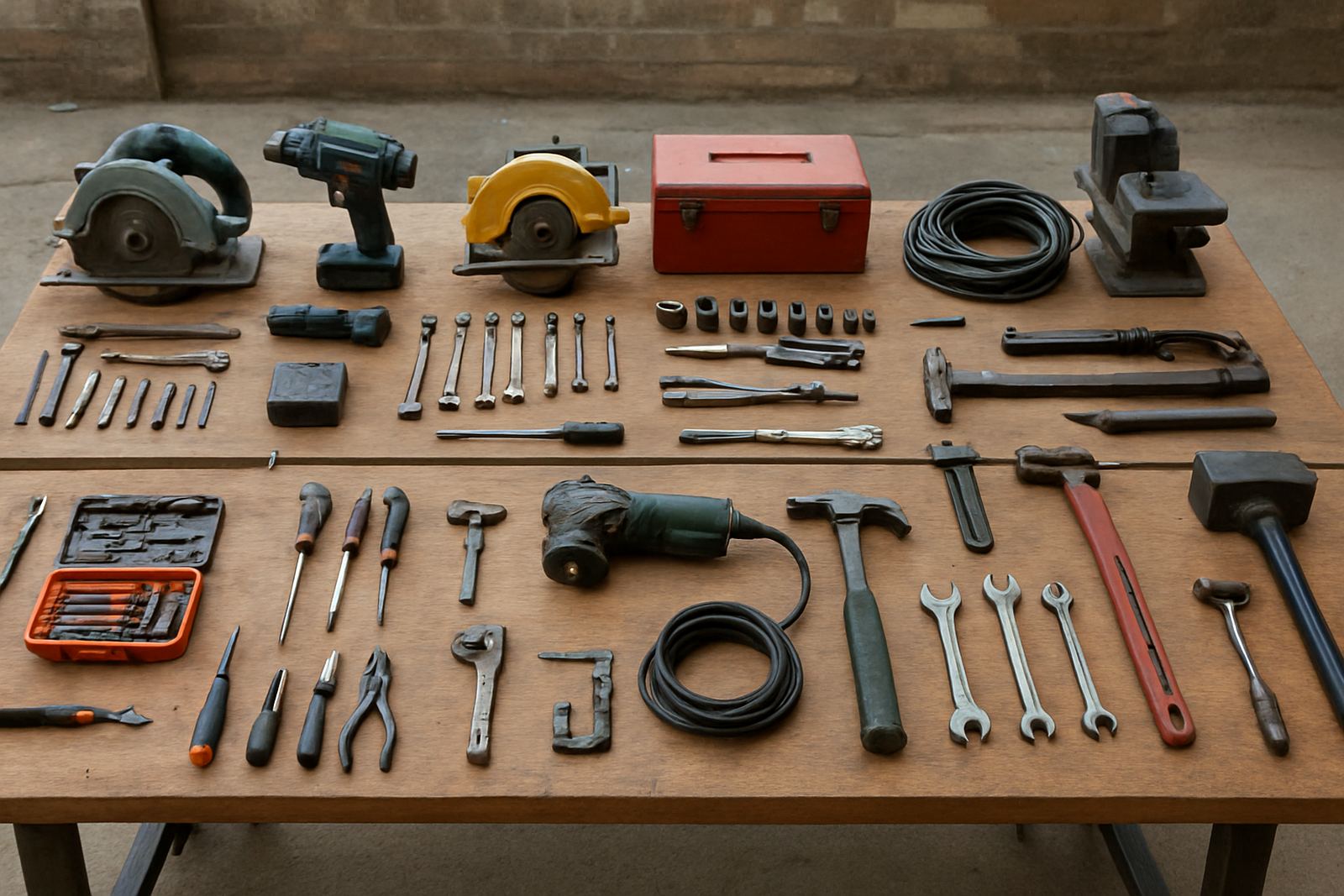
Good auction outcomes start before the first bid. Sellers who prepare equipment properly usually get cleaner interest and fewer disputes later. That means making a clear asset list, gathering serial numbers where available, and separating items that must be sold together from those that can move as single lots. It also helps to remove personal stock, loose spares and anything that does not belong in the sale.
For businesses with multiple sites in Johannesburg, Pretoria, Durban, Cape Town or Bloemfontein, planning the dispersal matters. A single sale may need different viewing arrangements, collection dates and yard handling. Where power interruptions are a concern, note if a unit was affected by load-shedding or only used on generator backup.
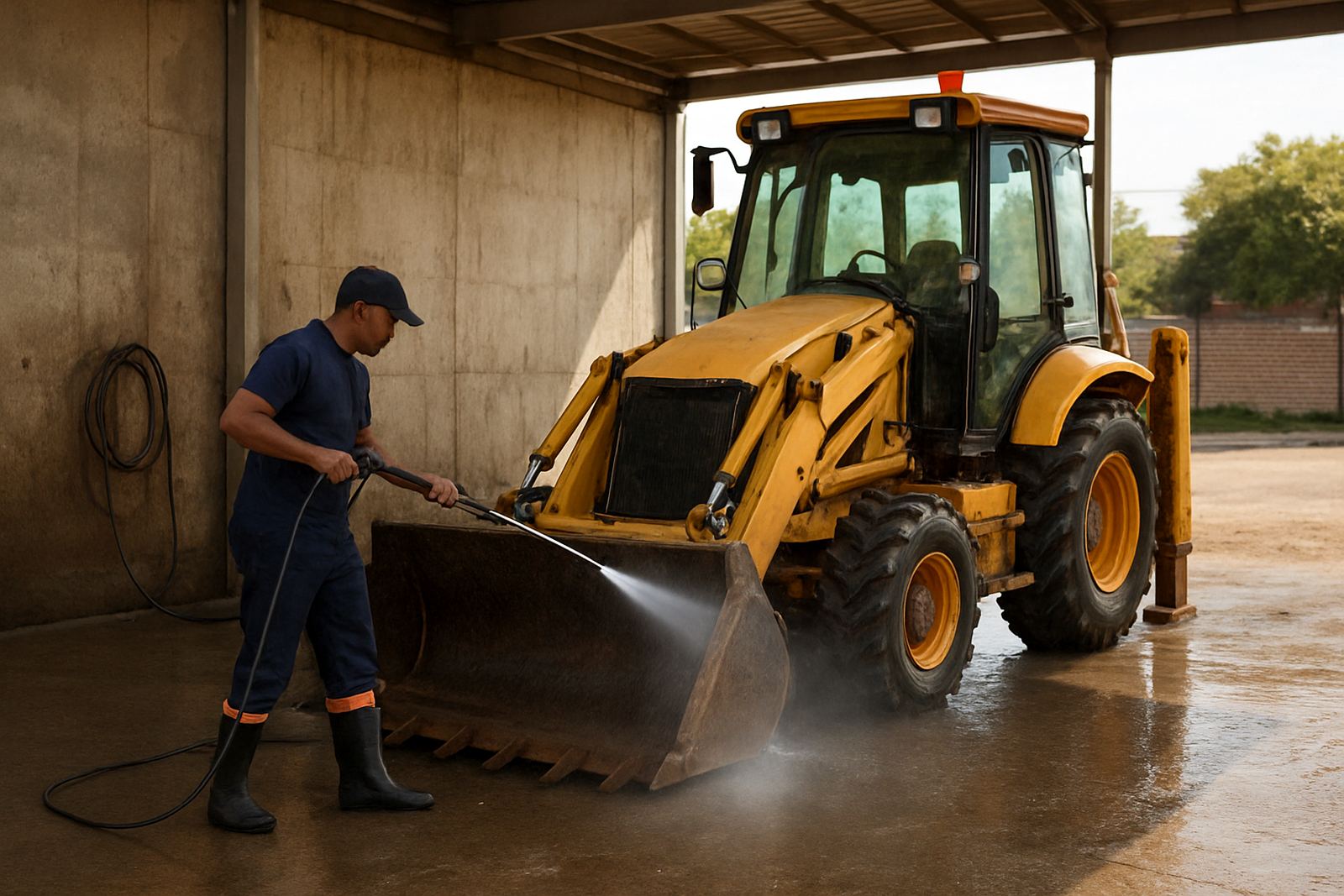
- Clean the item enough for inspection, but do not hide wear.
- Confirm access for viewings and collection trucks.
- Mark damaged or missing components clearly.
- Set a reserve price that fits market reality.
Reading the market across South Africa
Auction results are shaped by demand in each region. A machine in steady demand in Gauteng may draw different interest in Cape Town or Durban, especially once transport and installation are added. Industry type matters too. Construction, manufacturing, logistics and food handling all have different buying patterns, and the age of the asset can mean different things depending on the category.
Our articles look at how South African buyers and sellers can read those patterns without guessing. We cover common questions like when to sell surplus stock, how to set a reserve without scaring off bidders, and when a multi-site dispersal makes more sense than waiting for one big sale. The aim is simple: better planning, fewer surprises.
Viewing day checks that save time and money
Viewing is where many decisions are made, so it helps to arrive with a list. Bring a phone charger, a torch and any measurements you need for access, aisle width or loading height. If you are buying for a factory floor or warehouse, check whether the item will fit through gates, rollers and internal passages before the auction closes. That small step can prevent a costly mistake.
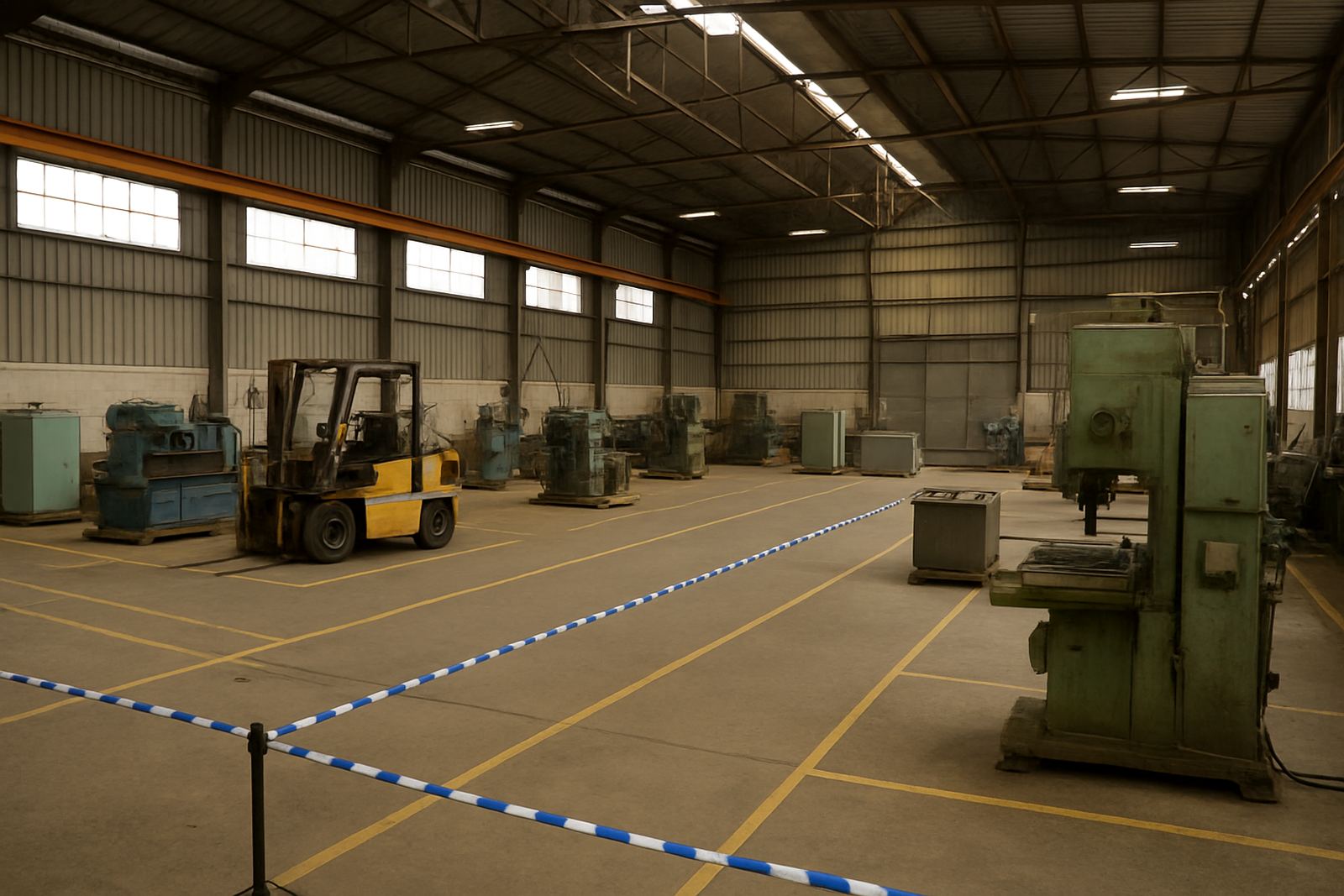
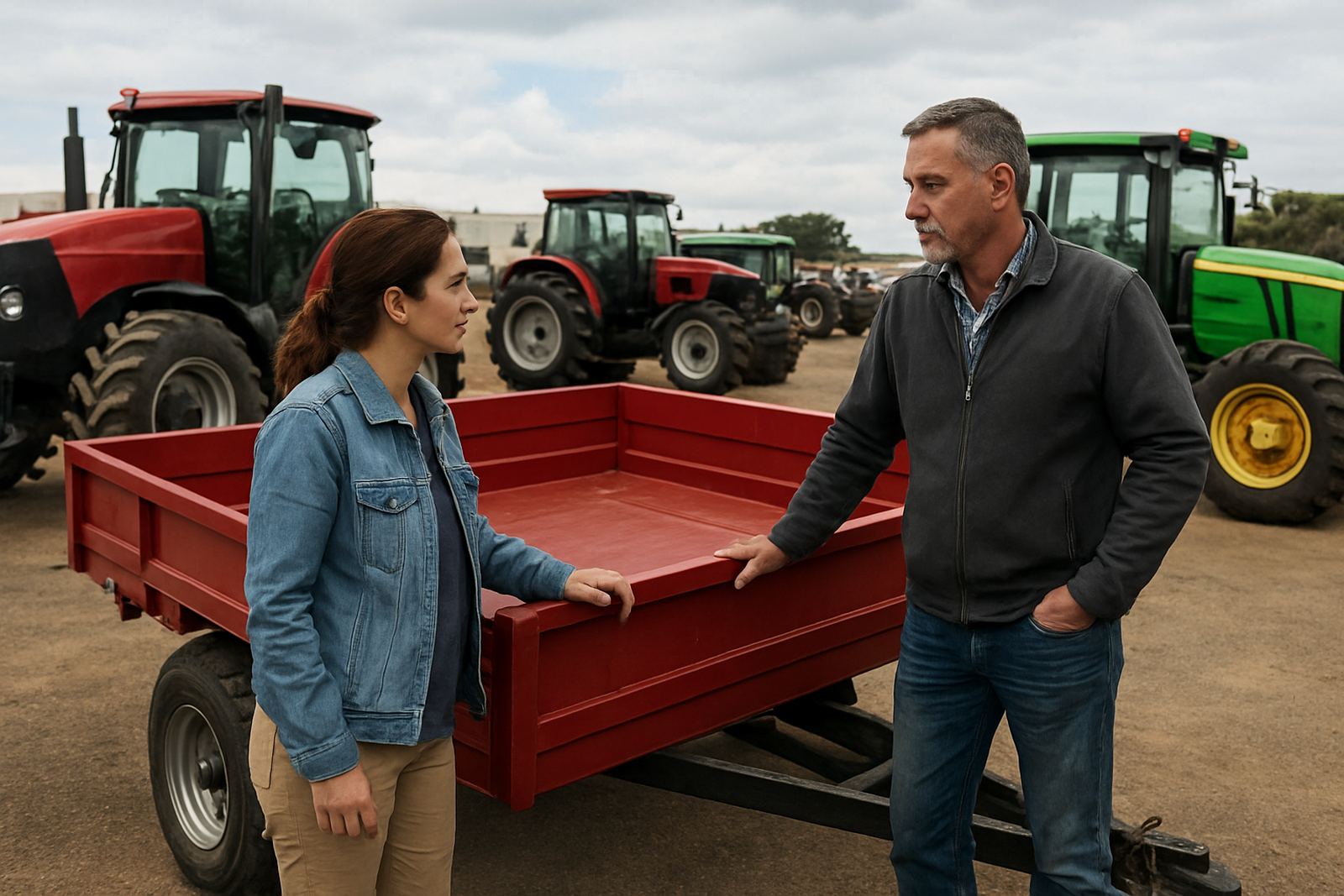
For sellers, well-managed viewings create trust. A tidy yard, clear lot labels and a supervisor who knows the stock all help buyers move through the site faster. In busy areas such as Johannesburg East and Pretoria, good viewing control can make the difference between a rushed visit and a proper inspection.
Use our journal to plan your next auction move
Practical reading for business owners, finance teams, buyers and site managers. Some articles explain auction terms in plain language. Others focus on valuations, collections, payment clearance or how to prepare a yard for lots that will move across several sites. Comparing methods helps you choose what suits your situation best.
If you are clearing surplus machinery, read the seller-focused pieces first. If you are buying, start with the viewing and bidding guidance. Either way, the goal is to help South African businesses act with more confidence and less guesswork.