Why farm auctions make sense when cash flow matters
On a working farm, every machine must earn its keep. A tractor that sits under cover most of the year, a planter with worn parts that no longer matches the crop plan, or a trailer that is too small for current volumes can tie up cash and yard space. An online auction gives those assets a chance to move quickly while keeping the process open to buyers from across South Africa.
For many farms, the main advantage is not only price. It is speed. When the season shifts, or rainfall changes the work programme, farmers need decisions that fit the next six weeks not the next six months. A timed auction also helps with clear price discovery, so sellers can see what the market will pay in real terms.
What farm equipment typically sells well
Farms usually have a mix of high-value machines and smaller items that still attract strong interest. The best auction lots are the ones that are serviceable, well described and easy to inspect. Even older units can perform well if the hours are honest, the engine starts, and the tyres, hydraulics or bearings are in reasonable condition.
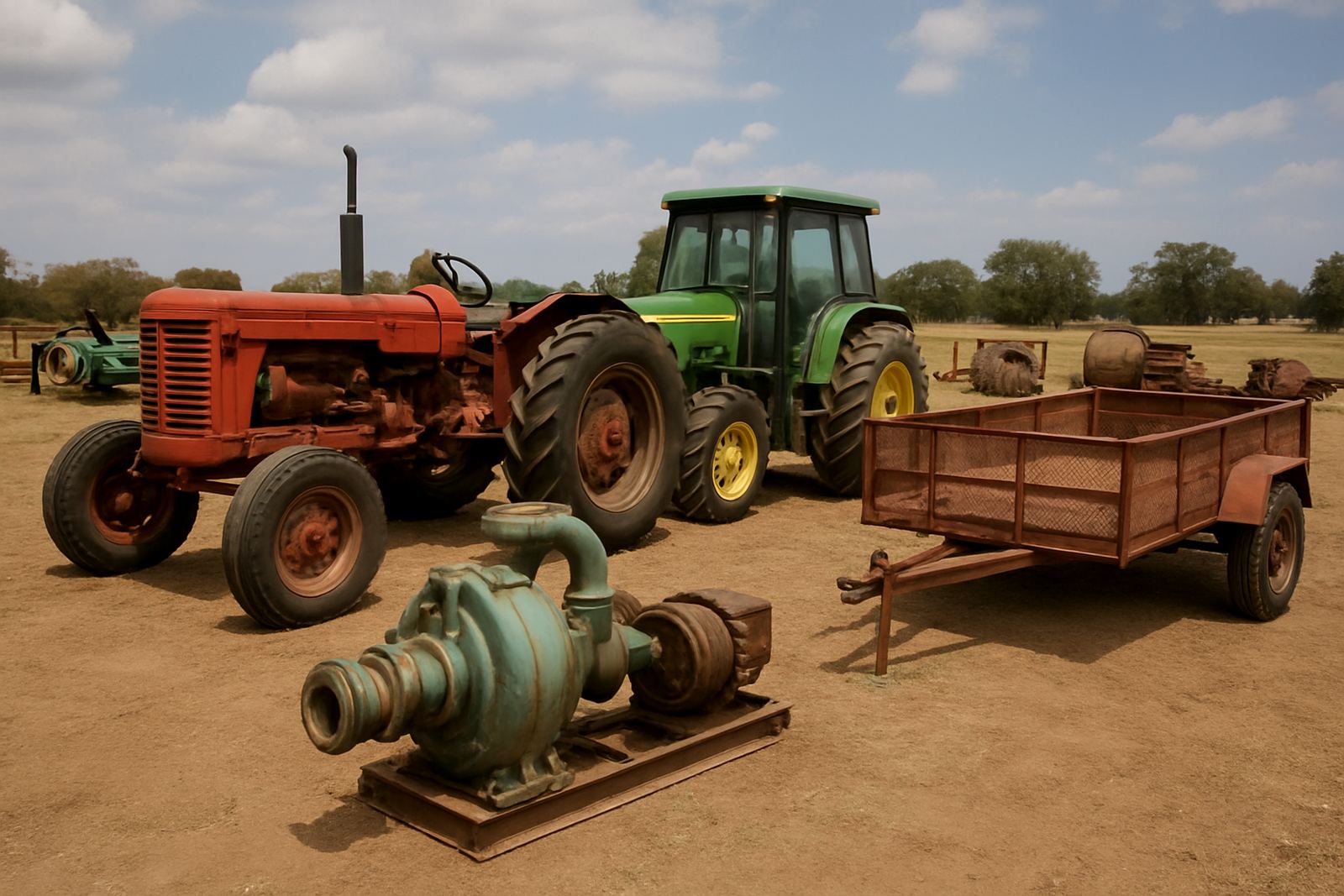
- Tractors, harvesters and utility vehicles
- Ploughs, planters, cultivators and sprayers
- Trailers, water carts and bale handling gear
- Irrigation pumps, pipework and diesel tanks
- Workshop tools, compressors and welding equipment
- Cold room parts, generators and backup power units
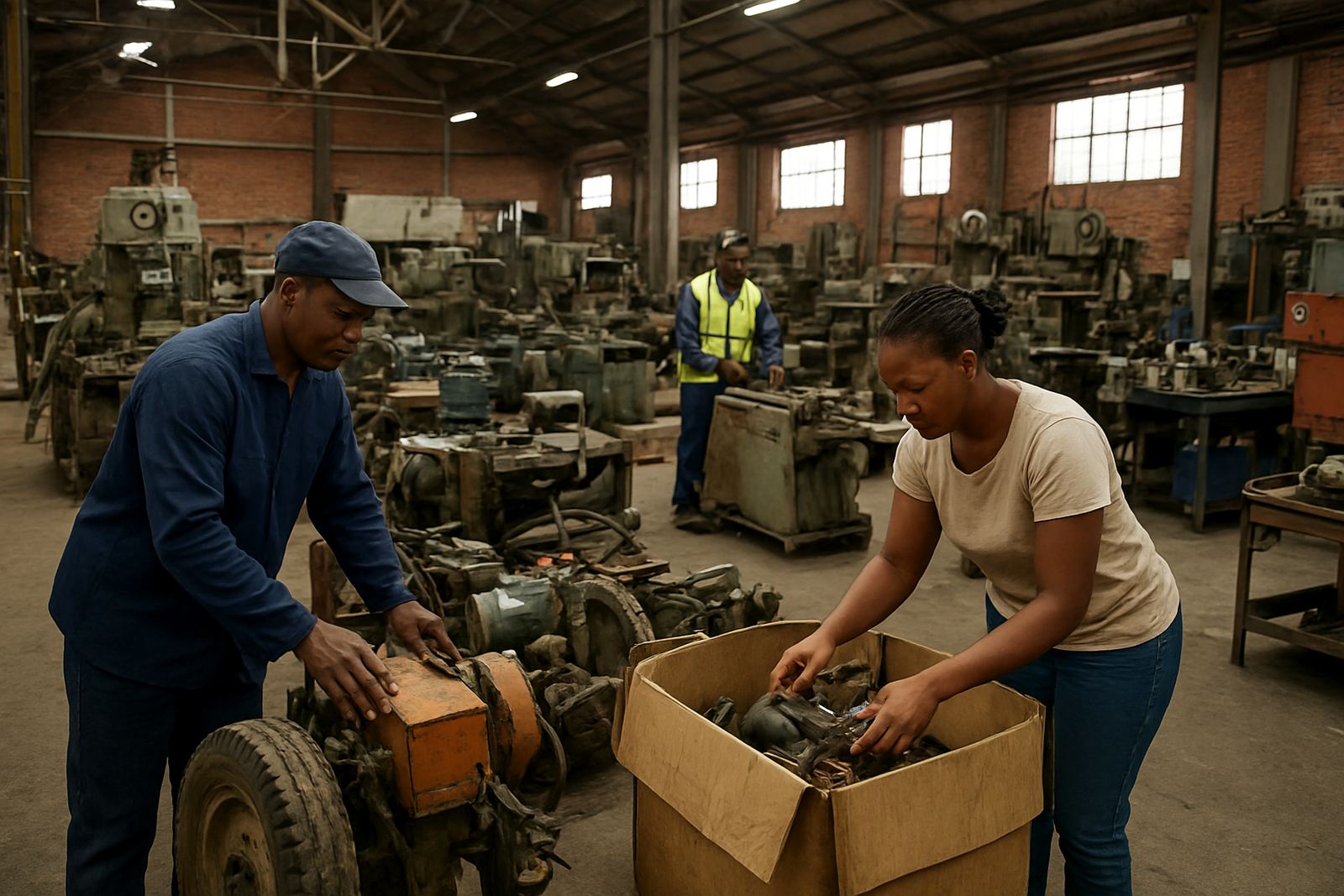
Smaller assets can also add up. A few decent pumps, storage bins or spare implements may be worth more sold together than left to gather dust. That is often where a good lot plan makes the difference.
How to prepare a farm lot so buyers trust it
Buyers bidding online want enough detail to make a decision without guessing. A clean machine with clear photos and honest notes will usually outperform a better machine with poor information. On farms around Germiston, Heidelberg and the outer parts of Gauteng, we often see how a simple wash, a battery charge and a short operational test can improve interest straight away.
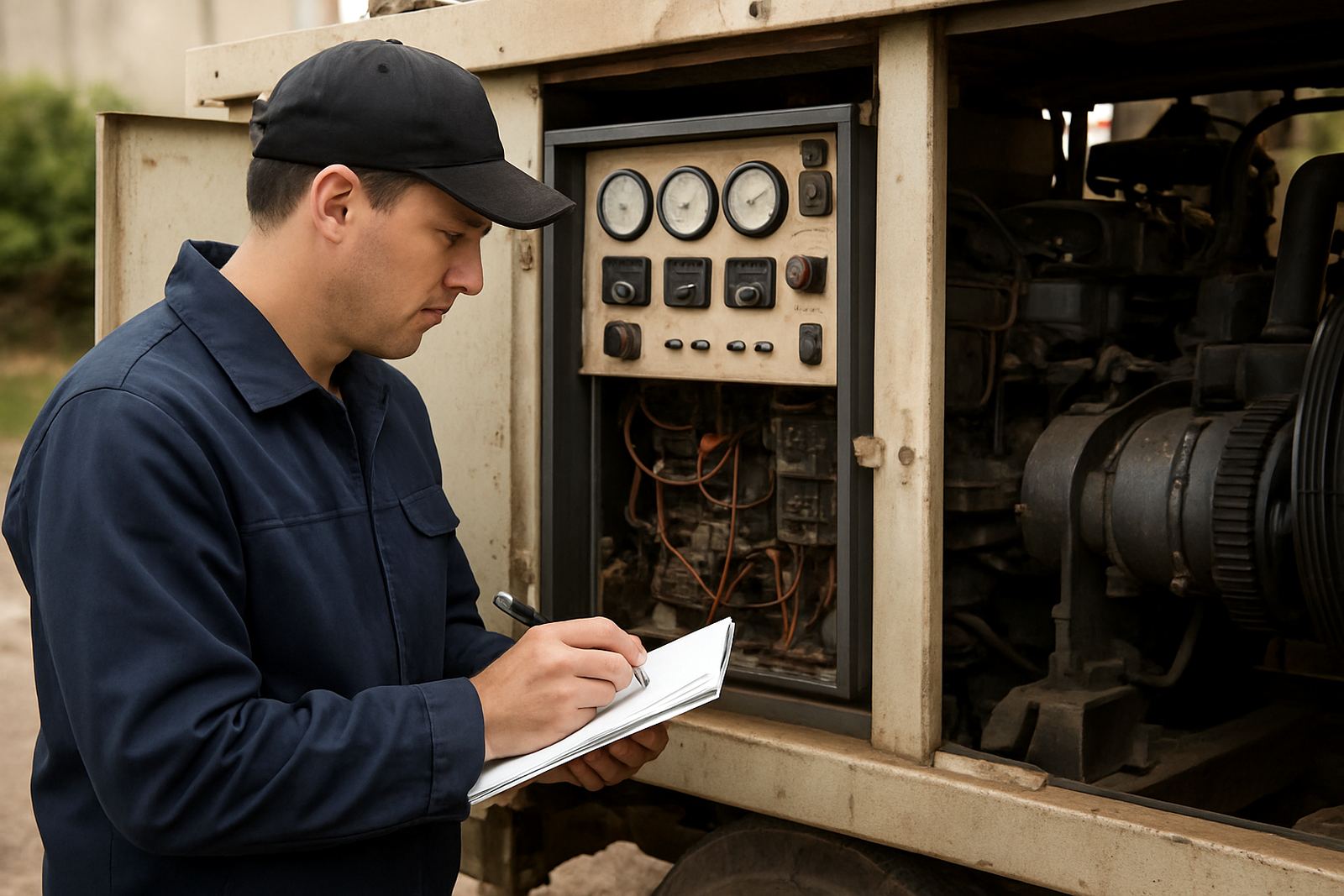
Before listing, it helps to gather the basics: serial numbers, service history, tyre size, running hours and any known faults. If a pump has been parked for two seasons, say so. If a PTO shaft is missing, say that too. Clear information reduces disputes and keeps collections moving after the sale.
- Wash down dust, mud and crop residue
- Take photos from all sides, including controls and data plates
- List attachments, spares and loose parts separately
- Note whether equipment starts, runs and moves under its own power
- Make sure access for viewings and loading is safe for buyers
Buying used farm machinery without taking on someone else’s problem
There is good value in used farm equipment, but only if the buyer checks the right details. A low hammer price means little if the machine needs a gearbox, new injectors and a set of tyres straight after collection. That is why viewings matter. A buyer should see the condition for themselves, confirm the fit for their soil type or crop system, and ask about spare parts availability.
In our experience, buyers from North West, the Free State and Limpopo often look for equipment that can go straight to work after a basic service. That makes compact, well-kept items popular. For dairy, grain and mixed farms, it is worth matching the machine to the scale of the operation rather than chasing the biggest unit on the yard.
- Check service records and operating hours
- Confirm whether the item is sold as seen or with a test run
- Measure transport height and width before collection
- Budget for blades, filters, hoses, tyres and fluids
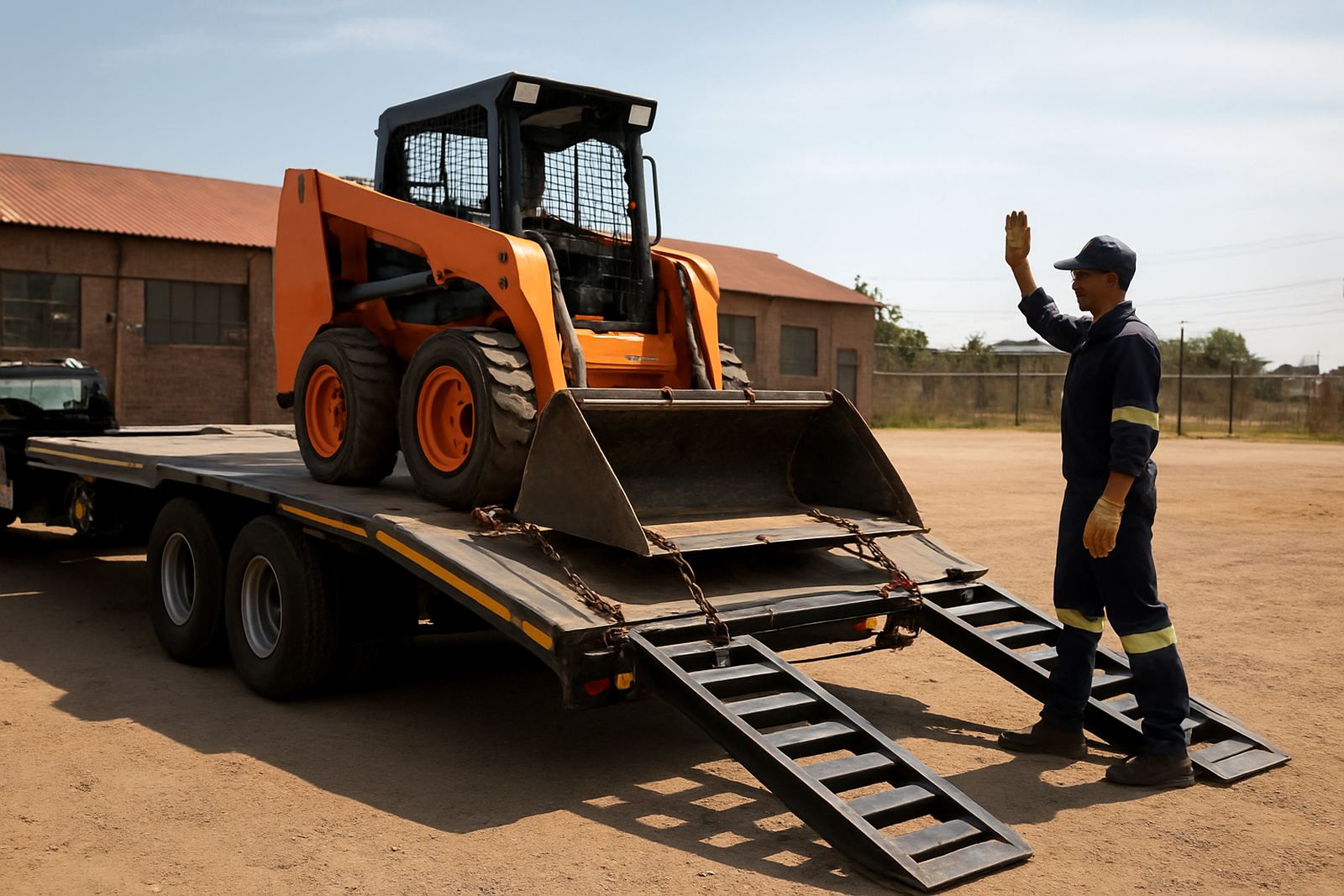
- Ask if loading equipment is available on site
A practical example from a mixed farm near Kroonstad
A mixed farm near Kroonstad had a harvester that was no longer suited to the size of the operation after a shift into smaller acreage and more grazing. The machine was still useful, but it sat idle for most of the year and took up shed space. Instead of letting it lose value through age and standing time, the owner placed it into an online auction together with two older implements and a generator.
The process worked because the lots were described properly, the viewing day was organised around farm traffic, and the seller had reserve price guidance before the auction opened. Buyers from different provinces could inspect the items, bid online, and arrange collection after payment clearance. The seller freed up capital for a smaller tractor and irrigation repairs, while the buyer got a machine that suited a larger grain unit. That kind of outcome is common when the asset is matched to the right market.
What farm sellers should plan for before auction day
Once a farm asset is listed, the work is not finished. Good planning around timing, access and paperwork will save time later. If your farm is in an area with limited signal or a long dirt road, that should be factored into the viewing and collection plan. So should seasonal pressures such as planting, harvest or livestock movement.
Decide early how you want to handle multiple sites. A business with equipment split between the main farm, a storage yard and a workshop can use one schedule to keep the listing order clear. That makes it easier for buyers and less stressful for the seller.
- Set aside time for viewings when staff are available
- Keep gates open and routes marked for trucks and trailers
- Separate personal items from sale items before cataloguing
- Confirm who will sign off on release and collection
- Plan for weather, dust and load-shedding during inspections
Online auctions that suit South African farms
Farmers are practical by nature. They want a fair market, clear rules and a process that does not waste time. Online auctions suit that way of working. They allow a seller in Gauteng to reach a buyer in the Western Cape, or a farm in the Free State to find demand from KwaZulu-Natal without moving the asset around the country first.
For farms with surplus stock, older machinery or equipment after a change in production, auction sales can help clean up the yard and release money into the next season. For buyers, it opens the door to used machinery that may be difficult to find through ordinary listings. When the lot is described properly and the viewing is organised well, the result is practical for both sides.