





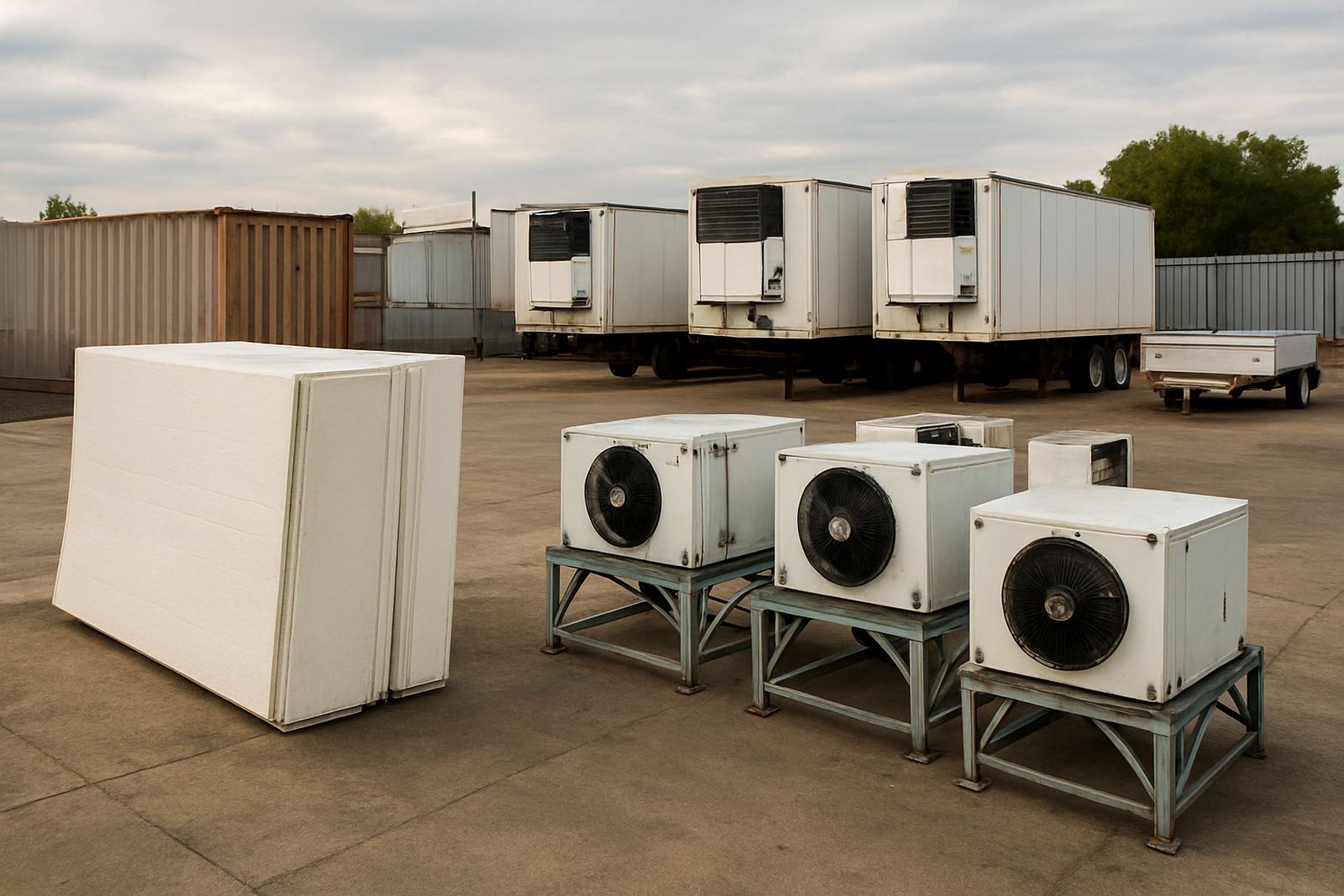
What the recent auction list shows
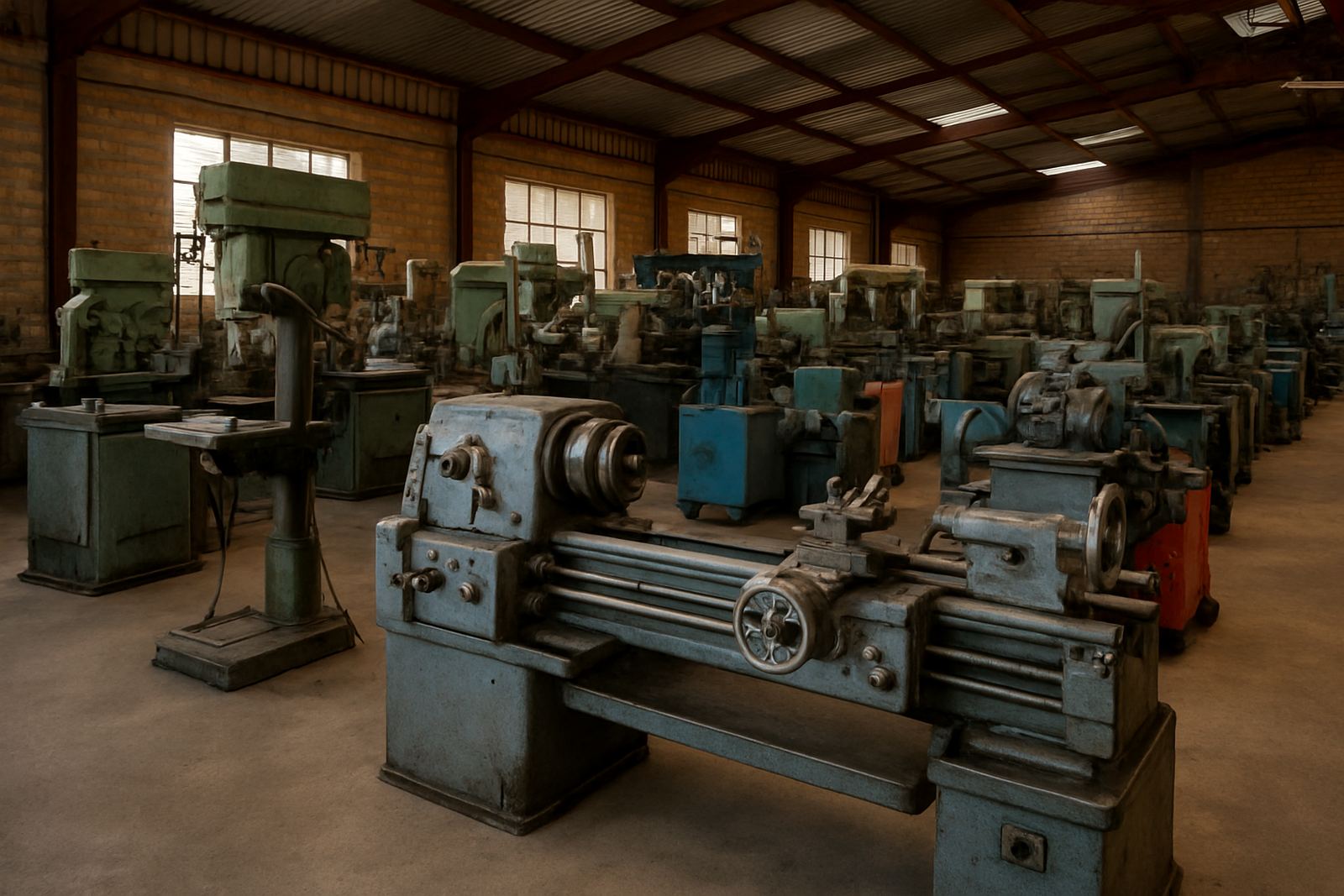
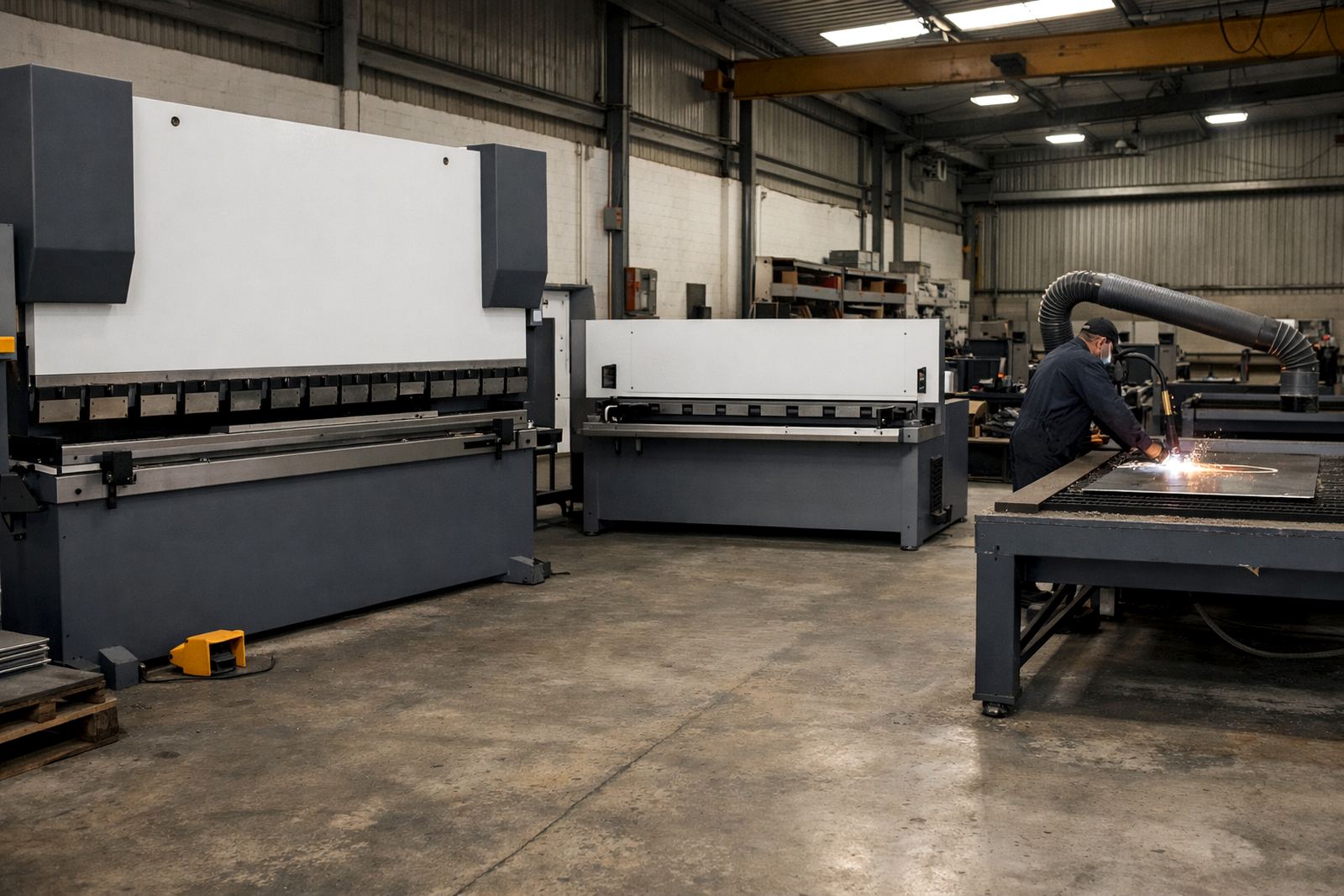
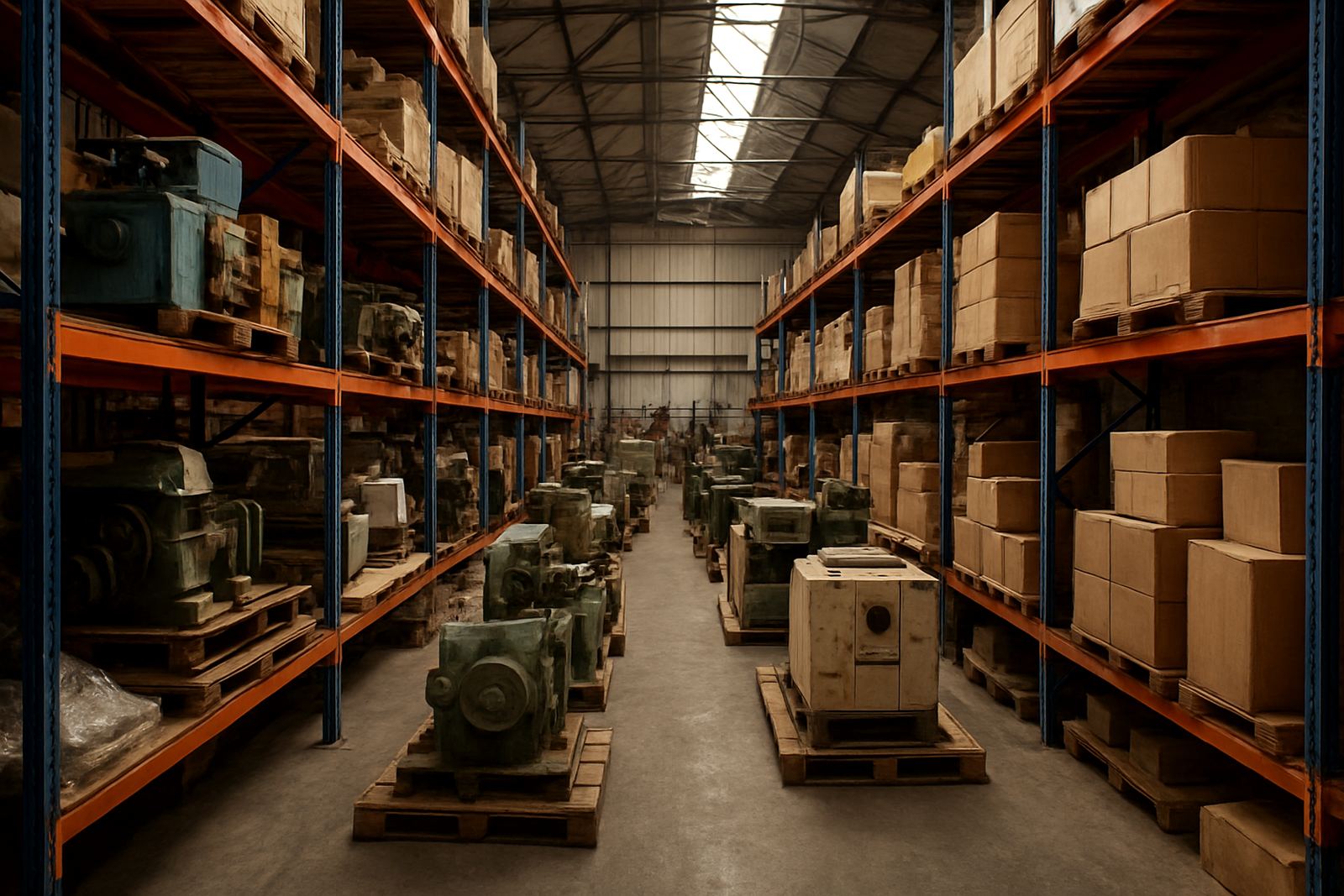
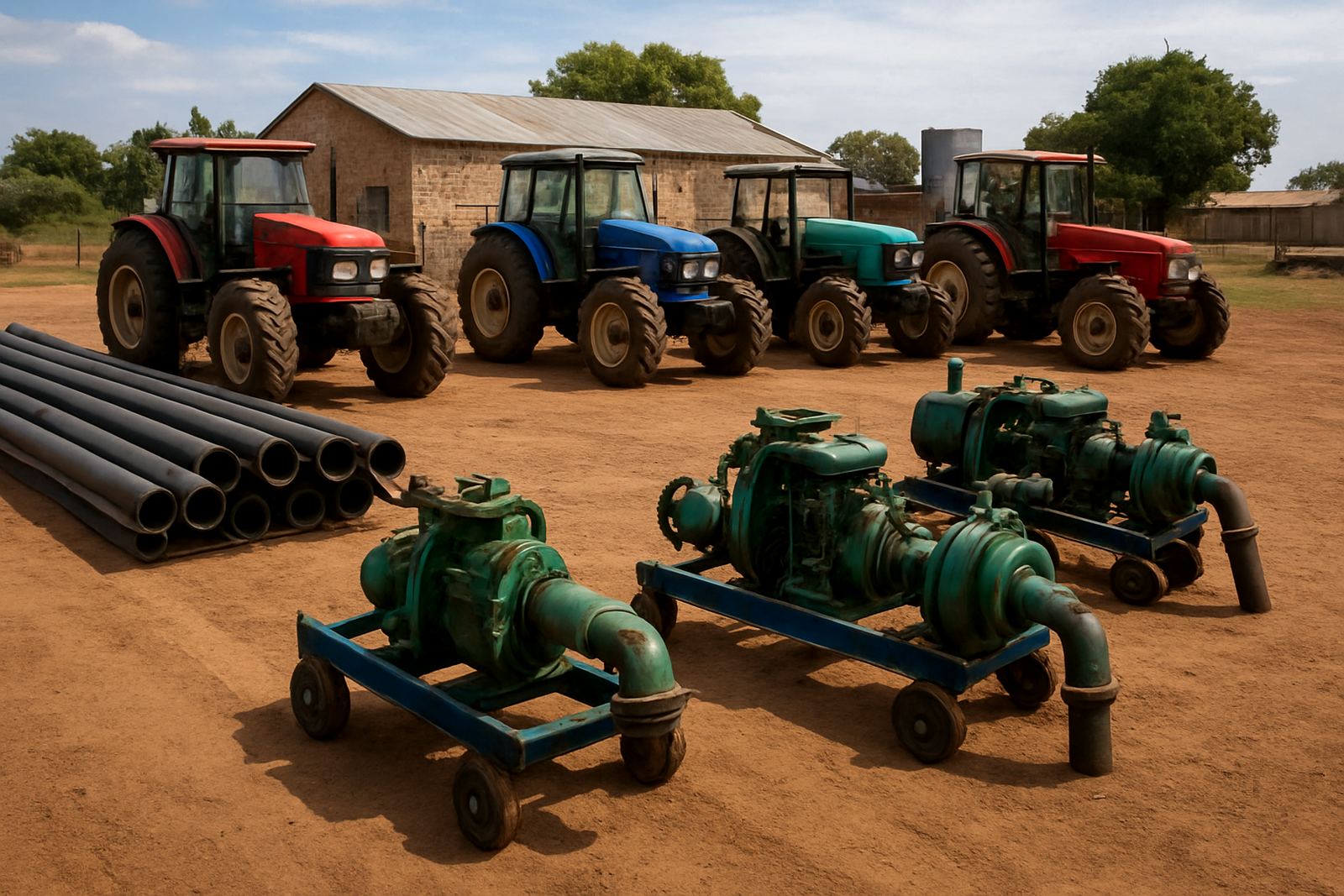
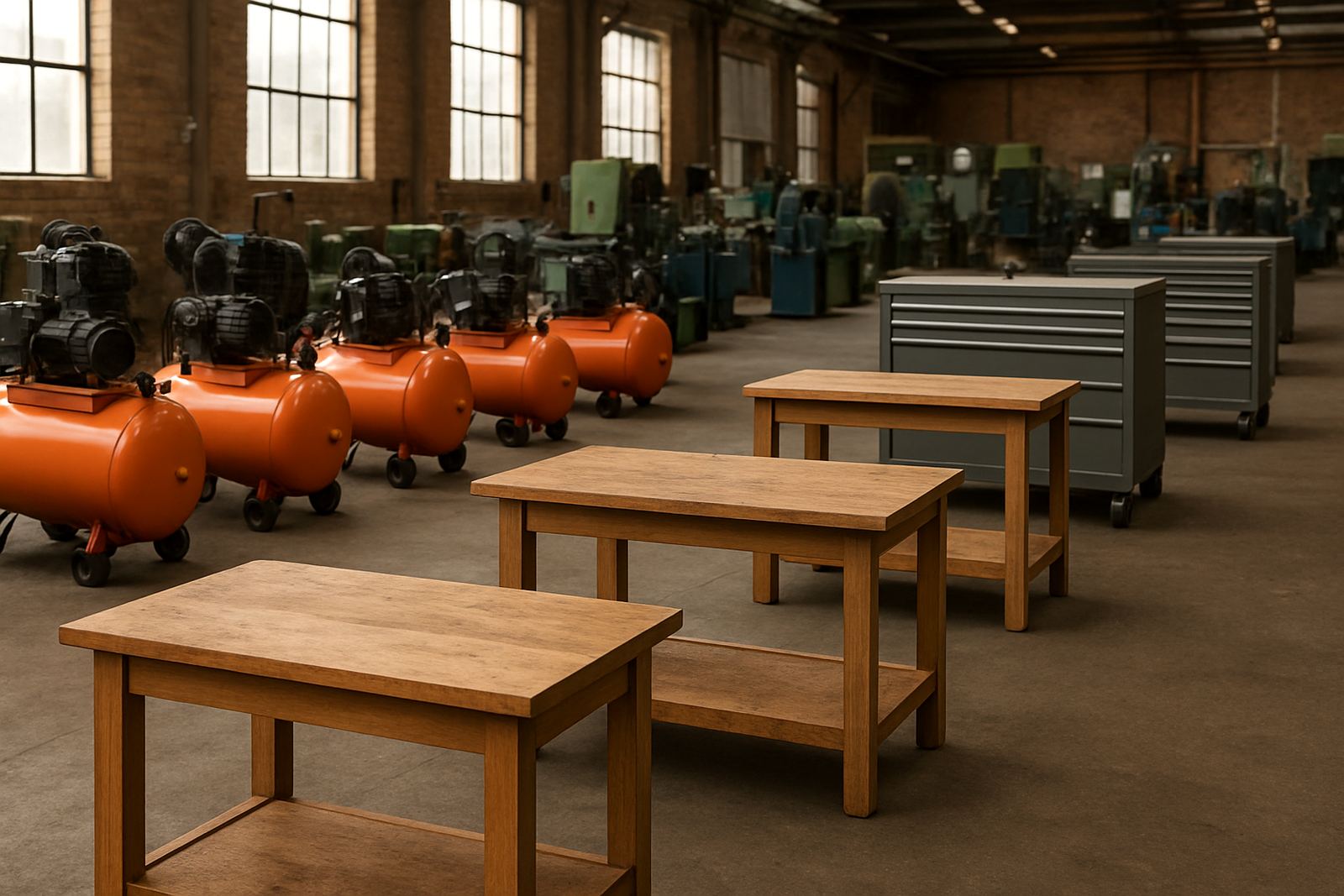
The recent auctions hub gives buyers and sellers a practical view of the kinds of machinery and business assets that move through our platform. You will see mixed loads from factories, workshops, warehouses, offices and service businesses, with items ranging from single machines to full site clearances. That range matters because the right auction approach depends on what is being sold, where it is located and how quickly it needs to move.
For buyers, the list is a quick way to compare what has sold in different parts of South Africa and to spot the types of assets that match their work. For sellers, it shows how we handle different stock profiles and why proper lot grouping, photos and reserve guidance can make a real difference to the final result.
How to read the completed auction cards
Each listing card gives a fast summary of the sale, so you can scan for the details that matter most. The format stays practical and easy to compare, especially when you are looking across several industries or branches. If you are planning to bid, start with the asset type, the location and the viewing setup, then check the closing pattern and collection requirements.
- Asset type and condition notes
- Town or viewing point used for the auction
- Industry context, such as manufacturing, logistics or retail
- Buyer interest level and bidding activity
If you are a seller, this format also helps you see how your own equipment may be grouped and presented. A well described lot can attract more serious bids, especially where the machinery is older but still serviceable and there is a good collection plan in place.
Different asset mixes from different regions
South African auction demand is not the same in every town. A clean set of plant items in Germiston may draw interest from Gauteng buyers looking for fast collection, while a Durban sale can attract attention from coastal businesses that need equipment suited to humid conditions. In Cape Town and Bloemfontein, the buyer pool often looks for dependable units that fit tighter budgets and municipal compliance needs.
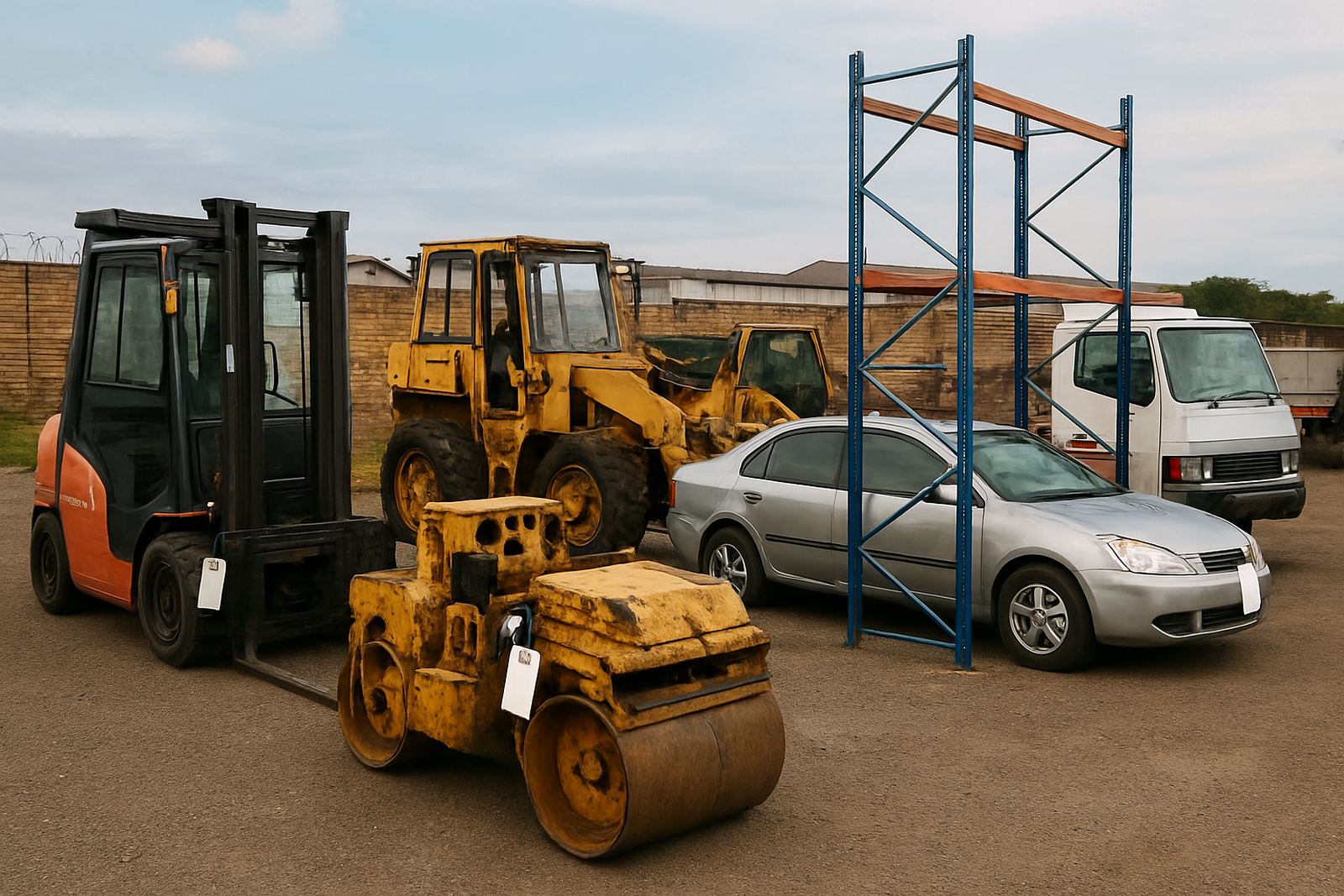
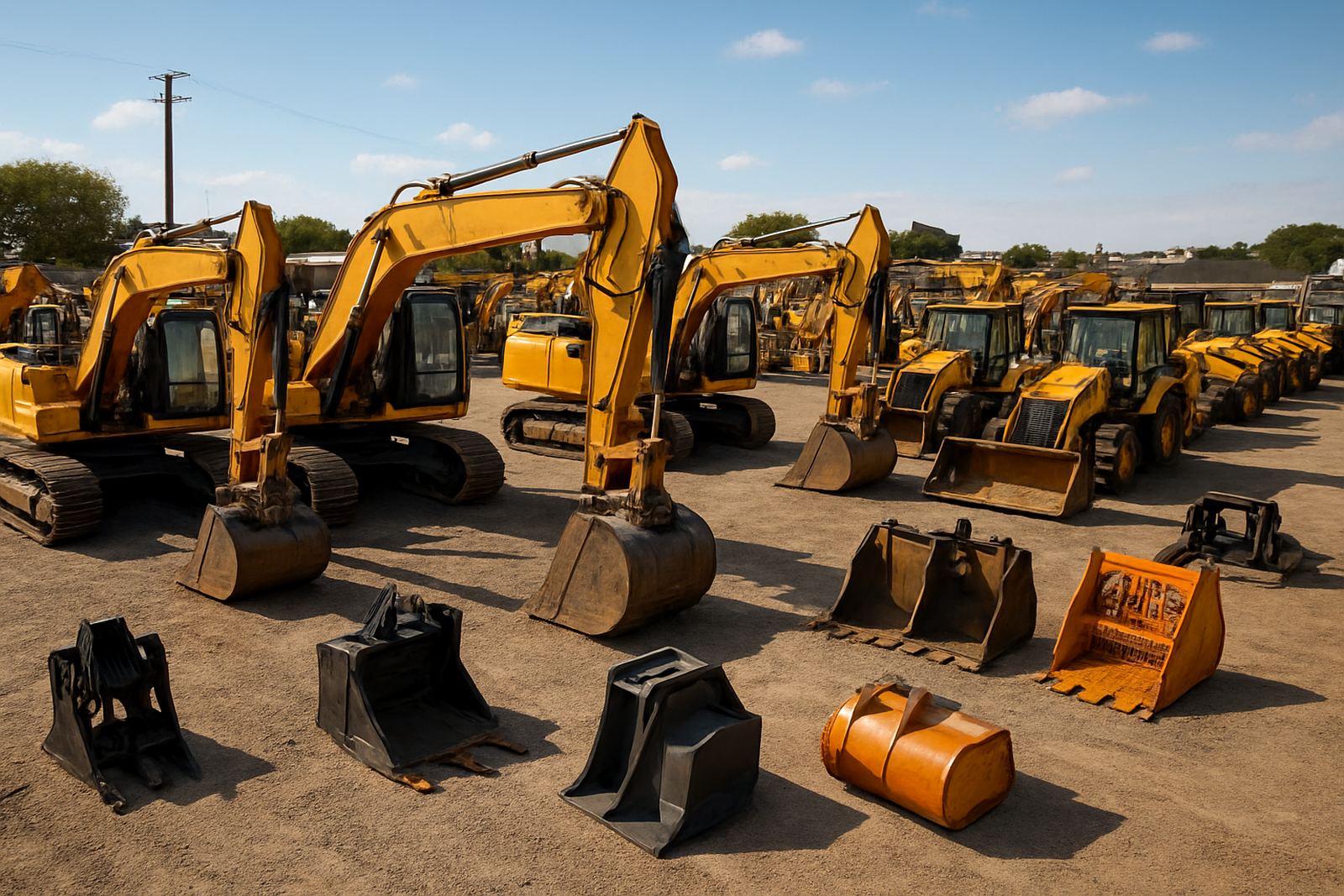
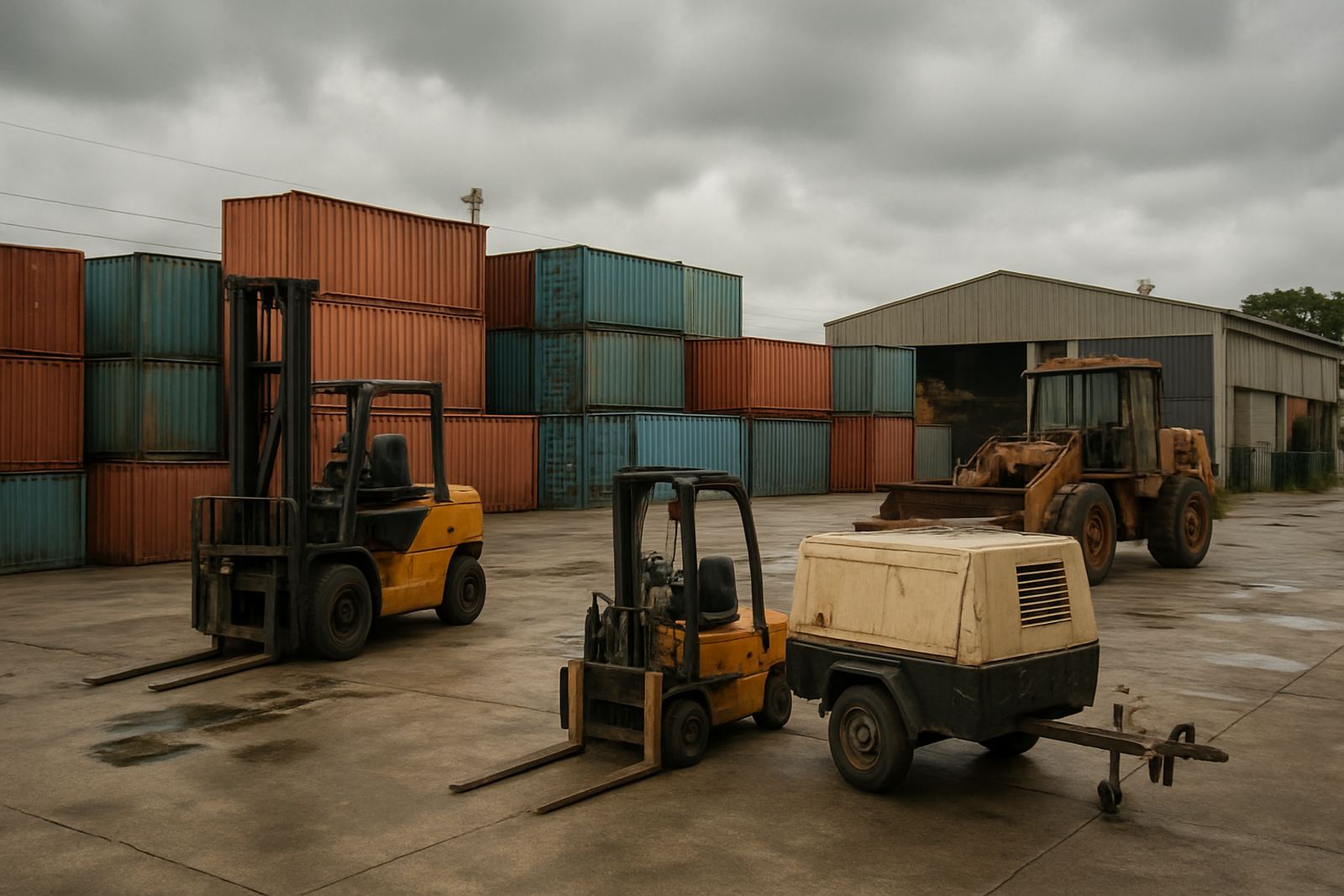
The recent auctions hub reflects that spread. Some sales are focused on production equipment, others on transport items, shelving, office assets or surplus stock. A few include mixed lots from multi-site dispersals, where time is short and space is limited. In those cases, careful sorting is key because buyers want clear choices and sellers need a tidy closeout.
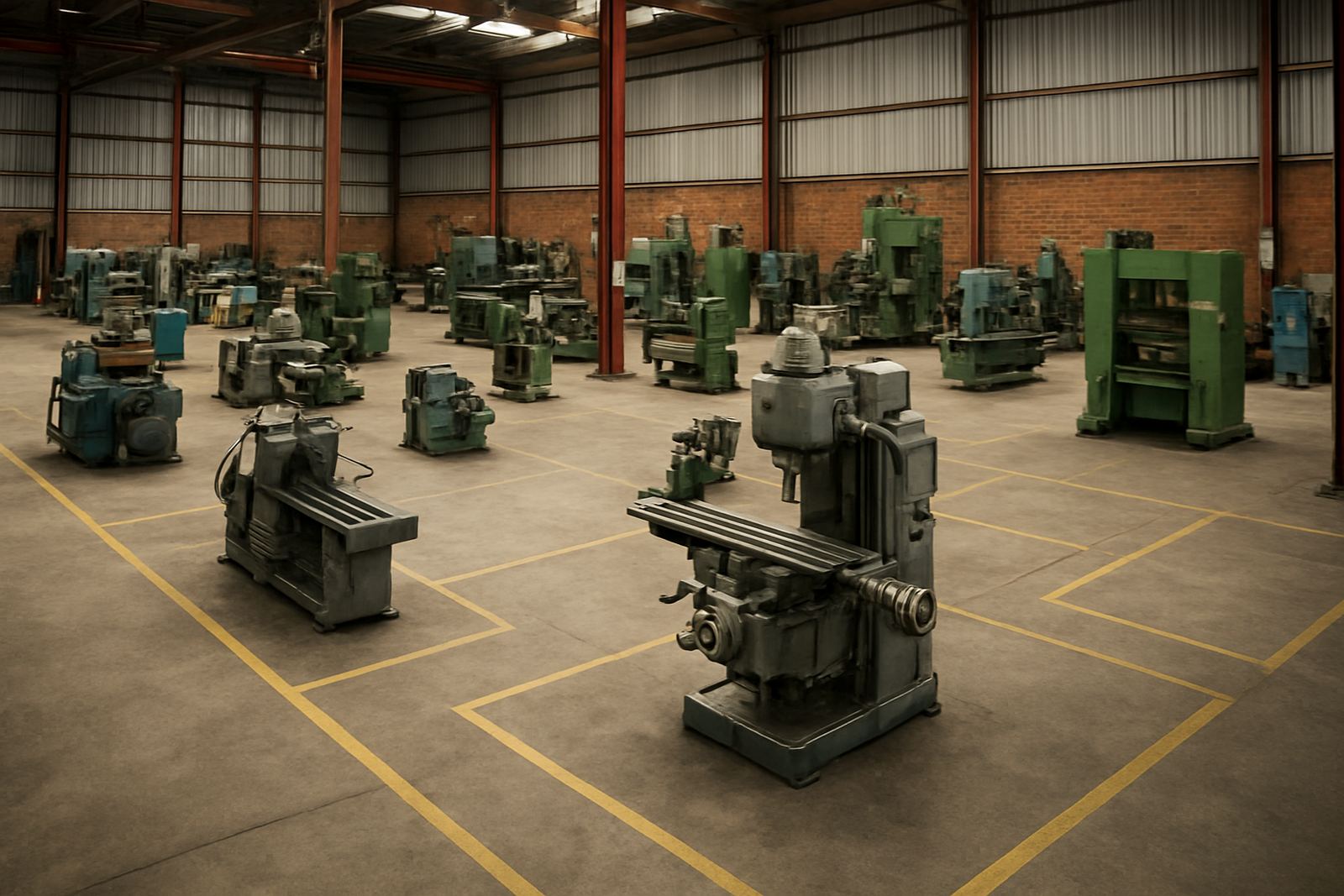
- Used machinery from workshops and light industrial sites
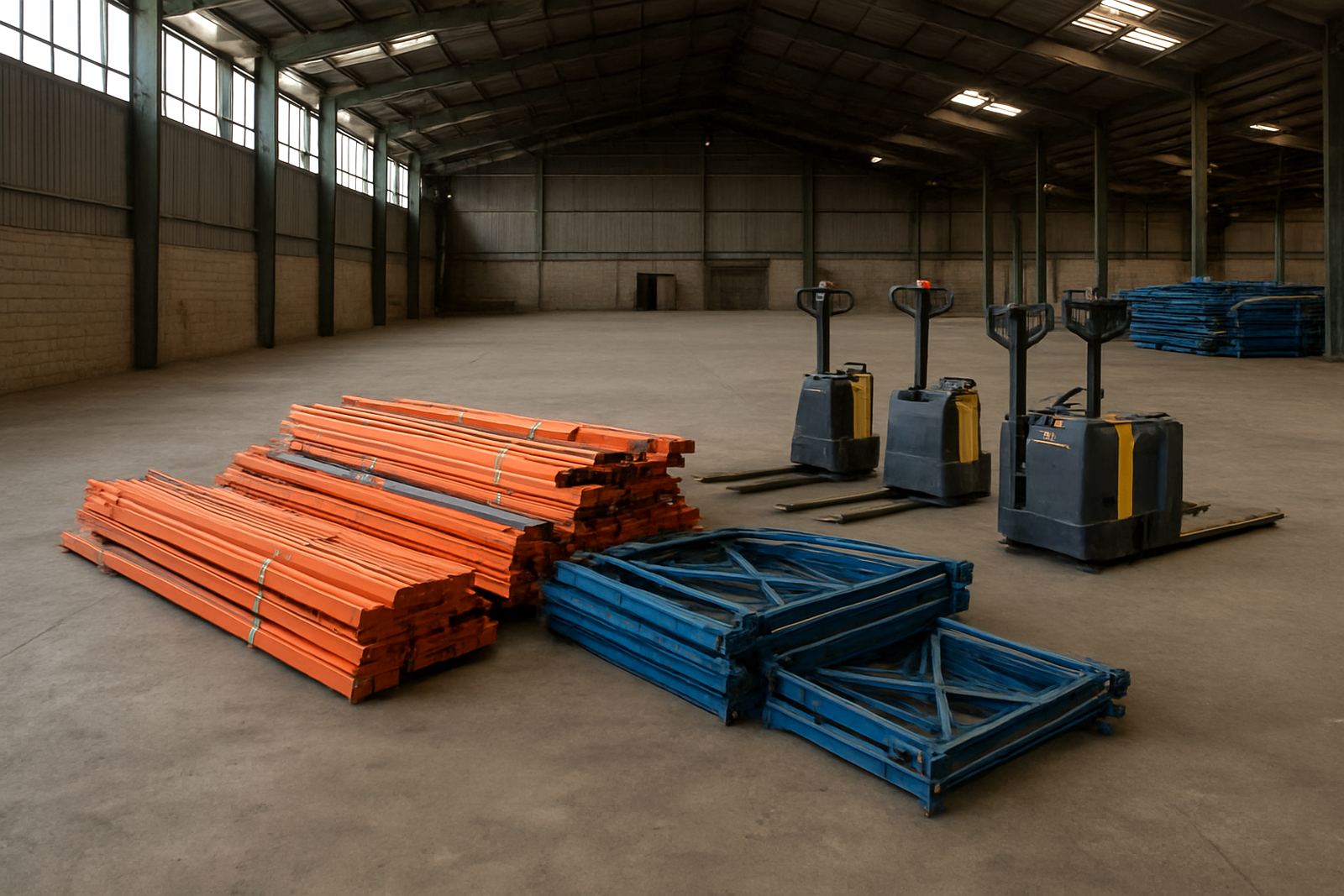
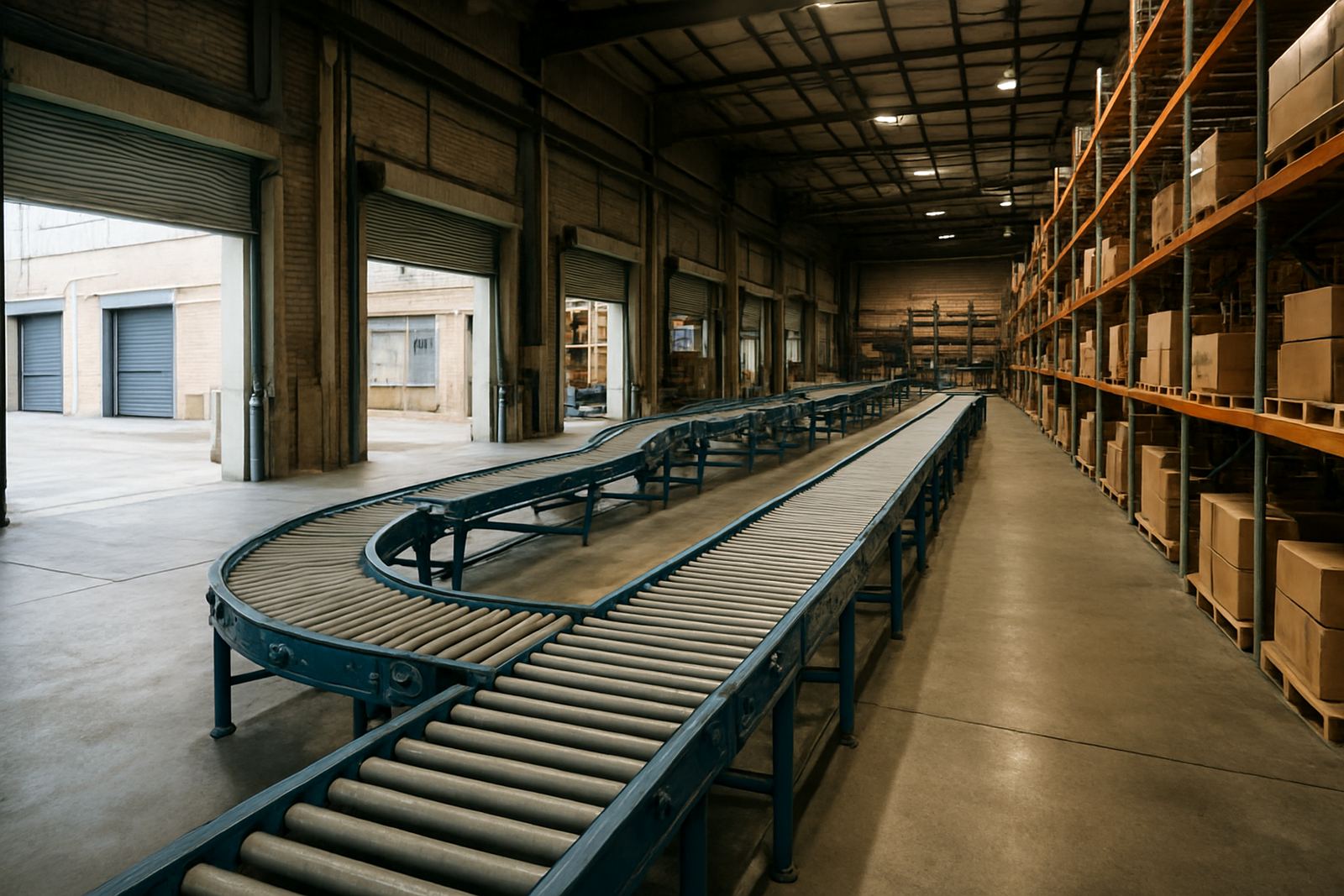
- Business assets from offices, warehouses and trade counters
- Surplus stock lots for quick clearance
- Multi-site dispersal sales across more than one branch
Buyer checks before timed bidding
Before placing a bid, many buyers use the hub to judge whether an auction suits their budget, transport plan and repair capacity. That is especially useful when load-shedding affects production schedules, because buyers often want equipment they can put back into service without long delays. It is also useful for buyers in smaller towns who need to factor in collection timing, trailer hire and distance from the viewing point.
These examples show buyers the pace of a typical auction and the kind of competition they may face. Some lots attract trade buyers who know the equipment well, while others bring in first time bidders looking for affordable stock. Clear viewing notes and accurate lot descriptions make the process easier for everyone, and it cuts down on surprises after the hammer falls.
How sellers benefit from a public record of sales
For sellers, a recent auctions page is more than a list of past work. It shows how assets were grouped, photographed, marketed and cleared through a timed online process. That gives confidence to businesses that are deciding whether to sell one machine, clear a floor of stock, or disperse assets from several sites at once. It also helps with planning where access is limited, such as shared yards, secure industrial parks or properties with strict collection windows.
When a sale is done well, the result is easier to measure. The right reserve price guidance, proper buyer support and clear collection coordination can turn surplus equipment into cash without dragging out the process. It is not just about selling quickly, it is about selling properly and keeping the site under control.
- Asset appraisals before the auction goes live
- Lot cataloguing with practical item grouping
- Auction photography that shows condition honestly
- Payment clearance and collection coordination after the sale
Choose the nearest viewings and follow the market
If you are comparing recent auctions, look at the branch or viewing area closest to your operation. Germiston Viewing Yard, Johannesburg East Viewings, Pretoria Viewing Point, Durban Viewing Point, Cape Town Viewings, Bloemfontein Viewings, Isando Viewing Point and Alberton Viewing Point all serve different buyer catchments and collection routes. That local detail can save time, fuel and handling costs, especially when equipment is bulky or needs a flatbed.
Use the hub to track what is moving, what is staying longer on the market and which asset types are drawing stronger bidding. For South African businesses that buy and sell often, this kind of record is practical. It gives you a better sense of value, and it helps you decide when to buy now or wait for the next lot that fits your operation.