What the Alrode team needed cleared
The client was a medium sized manufacturer in the Alrode, Germiston area that needed to reduce floor space after a change in production output. The brief was practical: turn surplus plant and warehouse stock into cash, clear the site on schedule, and keep the process tidy enough for the remaining operations to carry on without interruption. There was no appetite for a long sales cycle and no room for guesswork on pricing.
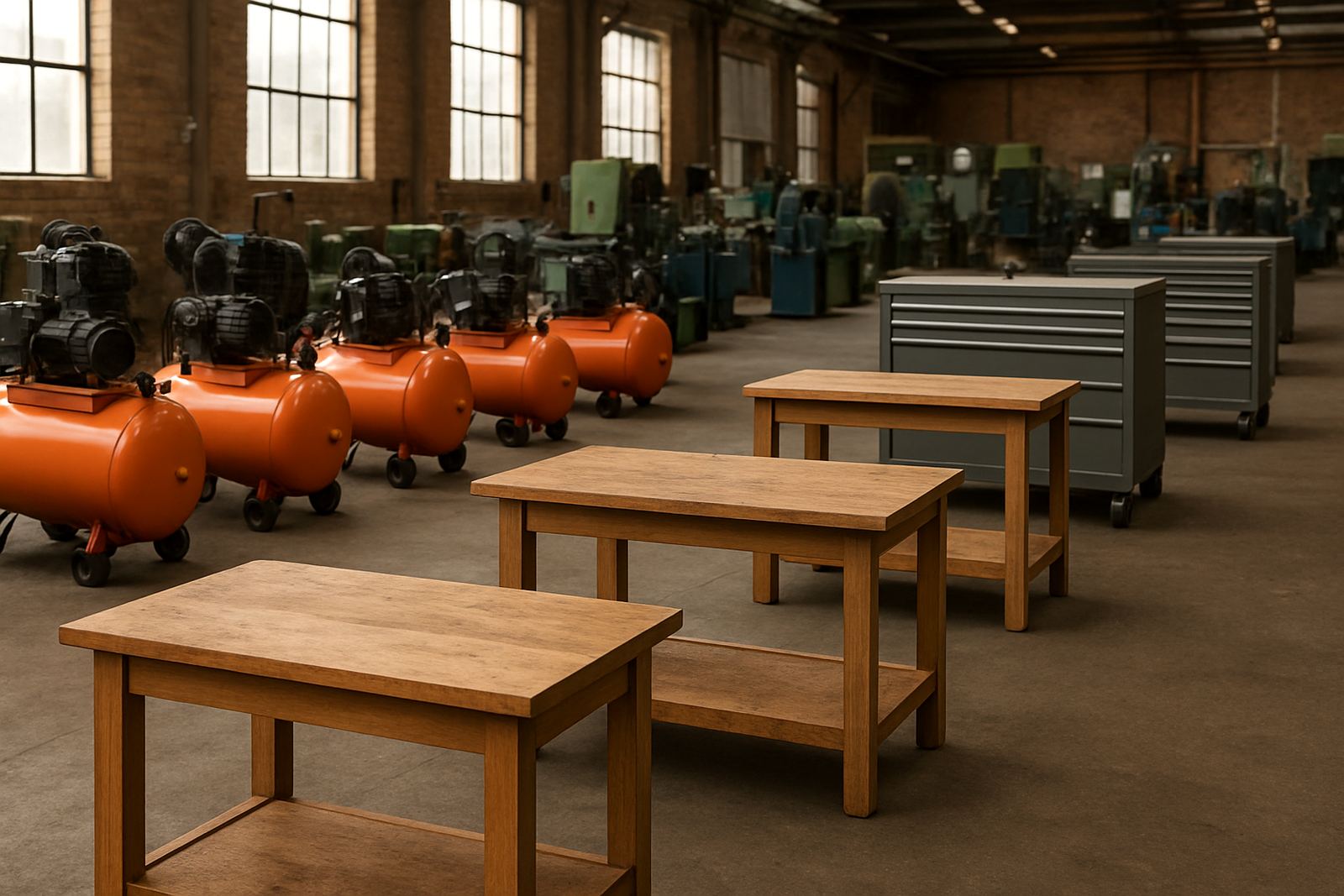
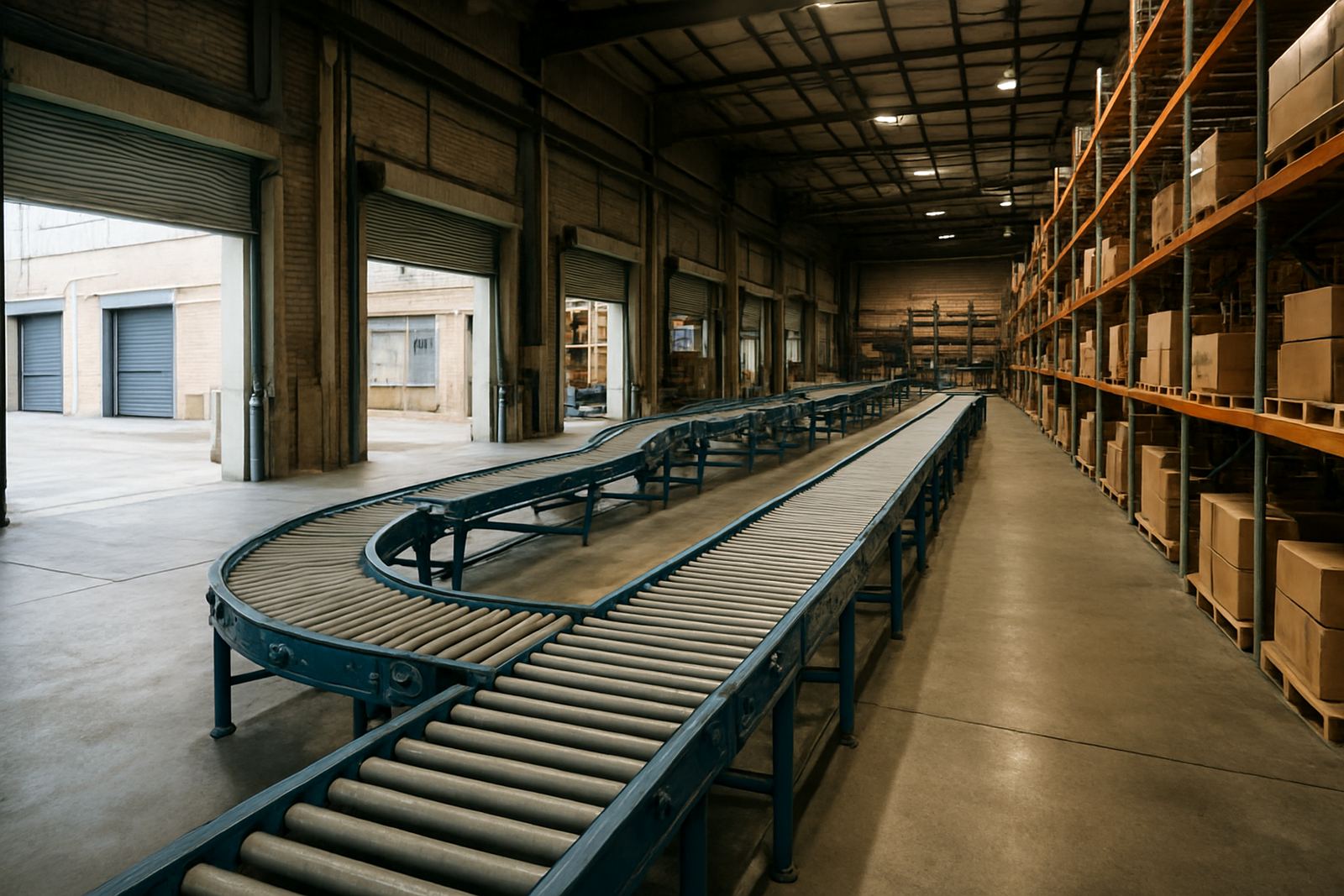
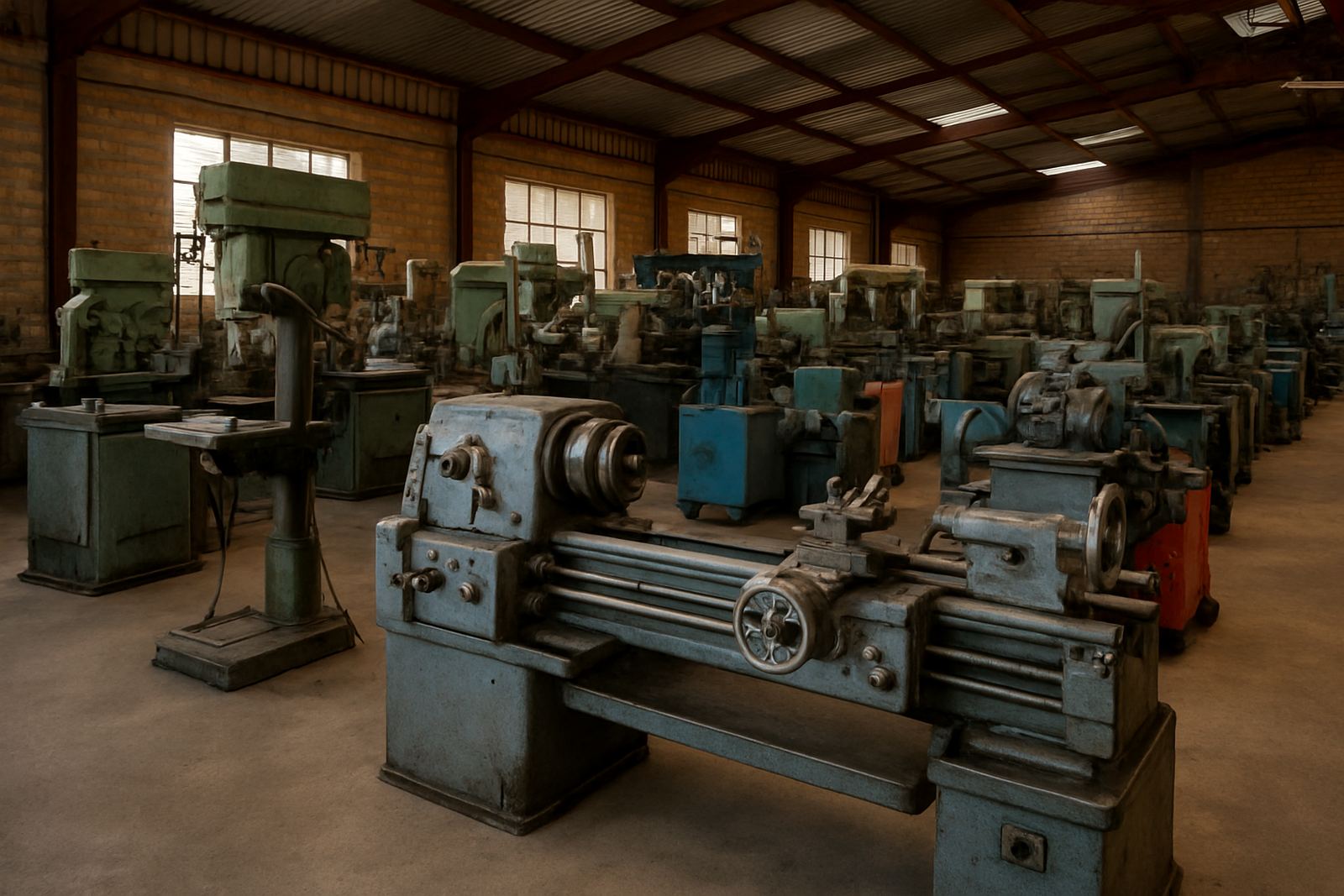
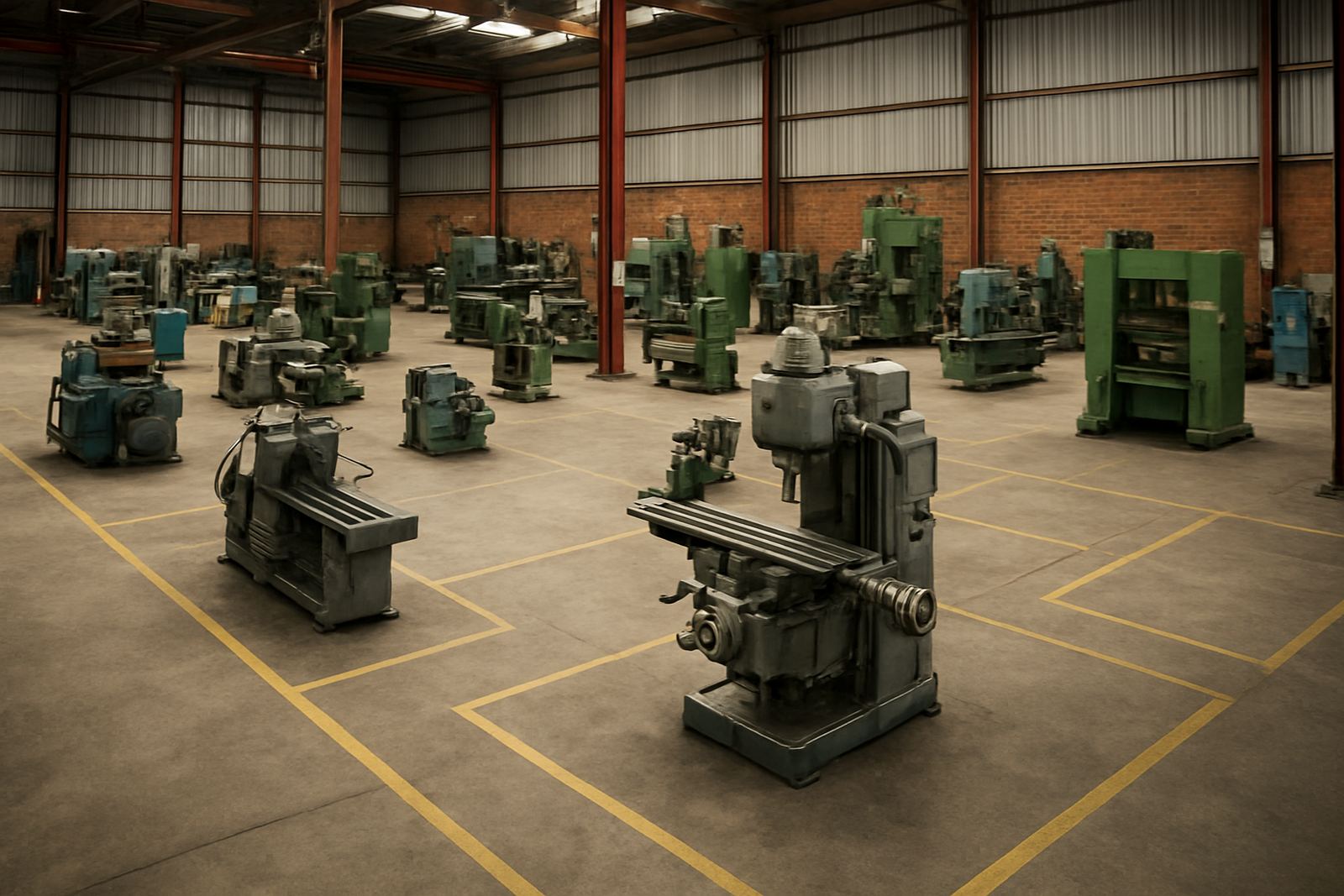
The asset mix included manual and power driven machine tools, air compressors, pallet racking, stillages, spare parts, welding gear and general warehouse stock. The team also wanted a process that could manage mixed-condition lots, because some items were ready for work again while others were sold as-is for parts or rebuild use. In total the site had a broad spread of assets, from single machines to boxed stock and loose items. A lot of it was stored in tight bays, so access had to be planned carefully.
- Project location: Alrode, Germiston
- Client type: Downsizing manufacturer
- Main asset groups: Machine tools, compressors, warehouse stock and storage equipment
- Sale format: Timed online auction
Site constraints and the plan we used
The clearout had a few common factory challenges. The building remained active for part of the week, so we had to work around staff movements, loading bay access and fork truck traffic. Some equipment sat on shared power circuits, which meant we had to check isolation points before photography and viewing. There was also dust and residue from normal manufacturing use, so we treated the condition notes carefully and recorded visible wear, missing fittings and any sign of corrosion.
Because the site was in the Germiston industrial area, we also had to work with the usual local issues that affect timing, including load-shedding windows and delivery traffic from nearby routes. The plan was built around fast catalogue production, clear lot grouping and fixed viewing times so buyers could assess items without creating bottlenecks. We kept the lot structure simple enough for smaller buyers to follow, but detailed enough for workshop managers and dealers to compare properly. That balance matters, because if buyers cant tell what they are bidding on, they just sit back.
- Access control was set for authorised viewing windows only
- Power was isolated where needed before inspection and photography
- Lots were grouped by function so buyers could bid on complete sets or single items
- Condition notes covered working status, wear, missing parts and storage condition
Appraisal, cataloguing and photography
We started with an on-site appraisal led by our valuation team, with each item reviewed for resale demand, condition and likely buyer type. The machine tools were assessed against age, build quality, bed wear, motor condition and completeness of tooling. Compressors were checked for tank size, drive type and visible service condition. Warehouse stock was counted and boxed where possible so the catalogue could show realistic quantities instead of rough estimates.
Our cataloguing process then converted the yard into a structured sale list. Each lot was given a clear title, description and buyer note, including dimensions where relevant. This is where many clearouts lose value, because vague lot descriptions lead to low confidence and poor bidding. We took that extra time. Auction photography was completed in stages, with wide shots for context and close shots for serial plates, control panels and any damage. Buyers could see exactly what they were looking at, which cut down on questions later and helped the auction move faster.
- Asset appraisal covered likely resale demand and condition
- Lot descriptions included practical details such as size, drive type and missing accessories
- Photography showed overall condition plus key close-ups
- Warehouse stock was counted and grouped into sensible lots for bulk buying
Timed auction setup and buyer support
Once the catalogue was ready, we moved the sale onto a timed online format. That gave the client wider reach without needing a physical auction day at the yard. Buyers from Johannesburg, Pretoria, Durban, Cape Town and Bloemfontein could all take part without travelling first, while local traders from Germiston, Isando and Alberton were able to inspect the lots in person before bidding. The format worked well for this kind of disposal because it opened the door to dealers, workshops and resellers who are always looking for value on used plant.
We managed buyer enquiries, registration support and viewing coordination from start to finish. Questions about machine condition, power requirements and load-out access were handled before bidding closed, which reduced last-minute confusion. For the sale itself, reserve price guidance was set with the client before launch so expectations were realistic and the lots would not be held back by overpricing. The auction finished with strong participation across the main asset groups and very little admin drag after close, which is exactly what a good factory clearout should deliver.
- Timed online format increased reach beyond the Germiston area
- Viewing support was arranged across local points and the main yard
- Reserve guidance was set before launch to keep pricing realistic
- Buyer queries were handled during the run-up to close, not after
Collection control and payment clearance
After the auction closed, our team managed payment clearance and collection coordination in a way that kept the site orderly. Lots were released only after payment checks were complete, which protected the seller and helped avoid confusion at the gate. For heavier items such as compressors and machine tools, we worked with buyers on suitable collection slots so that lifting equipment and transport were available when needed. That matters on industrial sites, especially when there are narrow passages or shared loading areas.
The warehouse stock was cleared in stages, with smaller purchases grouped for quicker release and larger items booked around site access. We also helped with multi lot collections where one buyer had secured several related items. This reduced handling time and kept the yard from being cluttered after the sale. In a job like this, the real value is not only the hammer price, its also the speed and order of the exit. The client needed the space back, and they got it back on schedule, with the site left in a much better state than when we first arrived.
- Payment clearance came before release of any sold lot
- Collection slots were arranged to suit lifting and transport needs
- Multi lot buyers were coordinated to reduce repeat handling
- Site traffic stayed controlled during the load-out period
Results and what we would repeat
The sale achieved its main aim: surplus assets were converted to cash and the factory footprint was reduced without a messy shutdown. Buyers got access to usable machine tools, compressors and stock at market driven prices, while the seller avoided the cost and delay of trying to move everything privately. The auction also created a clean record of what had been sold, which is useful when finance, asset registers and site closure work all need to line up.
What we would do again on a similar Germiston-area clearout is start with tight lot grouping, photo the serial plates early, and set viewing times before the catalogue goes live. We would also repeat the same approach to reserve guidance, because it keeps pricing honest and avoids dead stock sitting in the yard. For a downsizing manufacturer, that is often the difference between a slow disposal and one that actually clears the floor. The Alrode project showed that with the right structure, used industrial assets can be moved efficiently and with very little friction.
If a manufacturer in Alrode, Germiston or any other industrial node needs a clean out, the same process can be scaled to suit the site size, asset mix and deadline.
Key facts
| Project area | Alrode, Germiston |
|---|---|
| Client type | Downsizing manufacturer |
| Asset mix | Machine tools, compressors, warehouse stock, racking and loose parts |
| Sale method | Timed online auction |
| Timeline | 3 weeks from appraisal to final collection |
| Buyer reach | Local viewings plus national bidding |
| Result | Site cleared and surplus assets converted to cash |