
Brief from a Pretoria engineering workshop
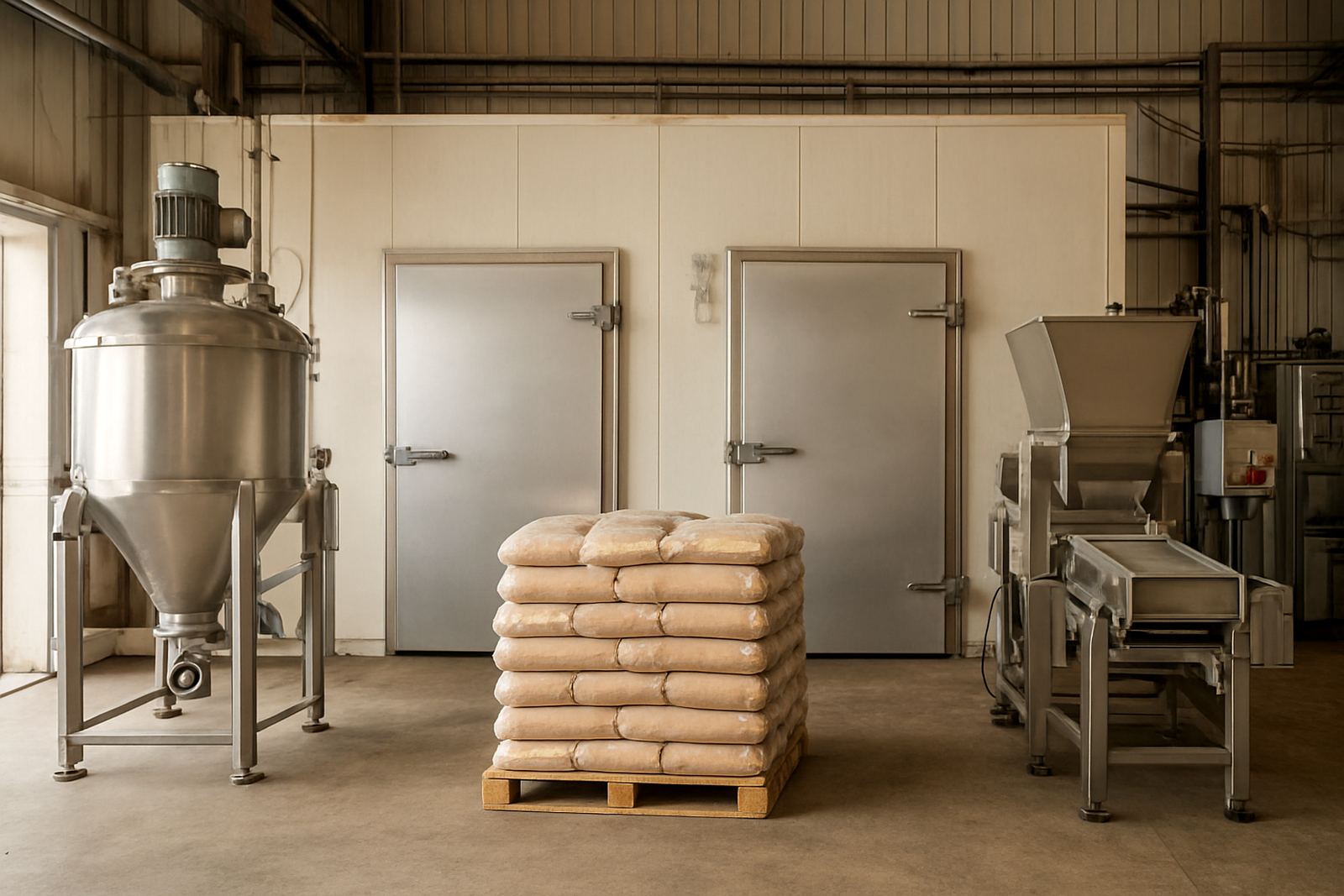
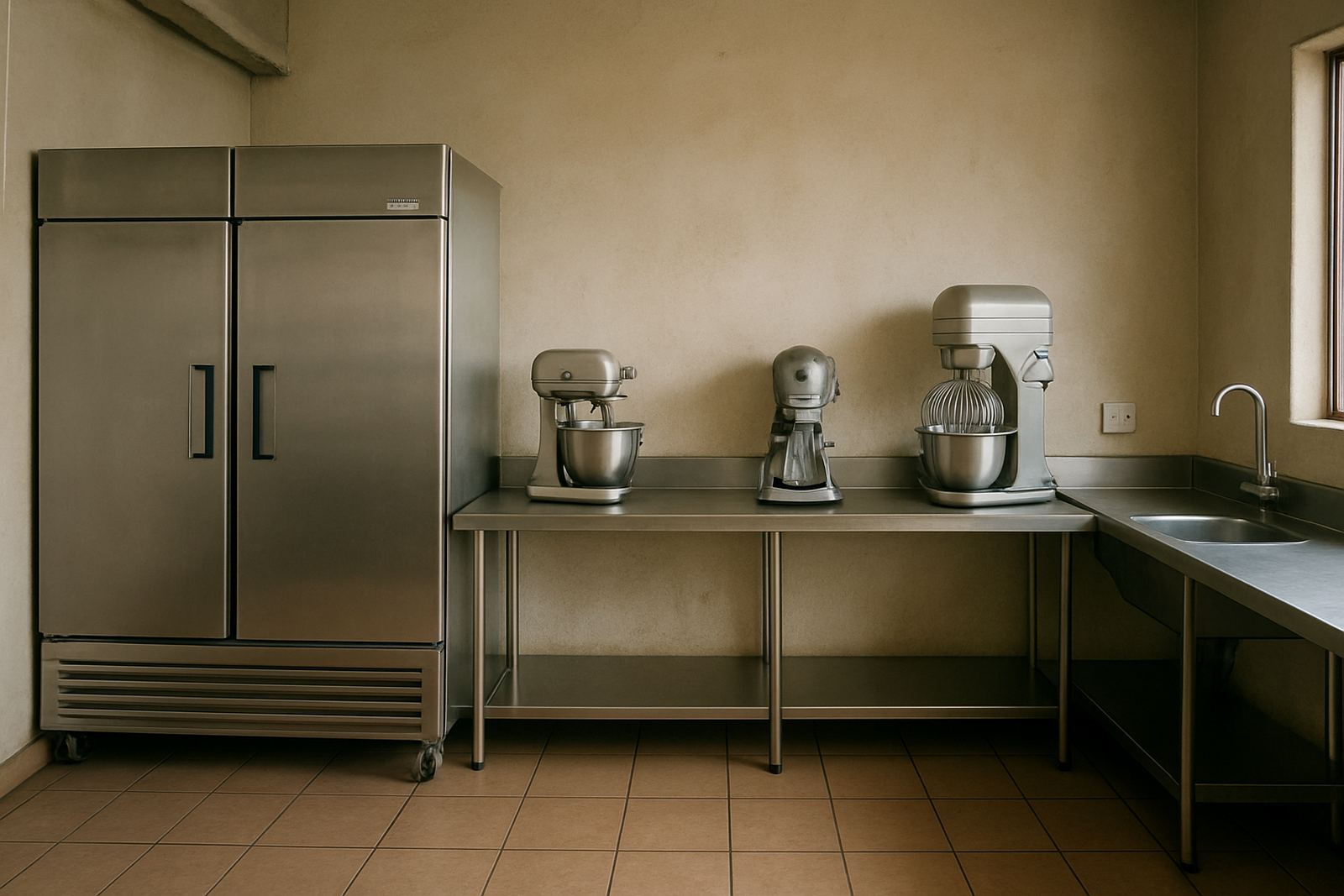
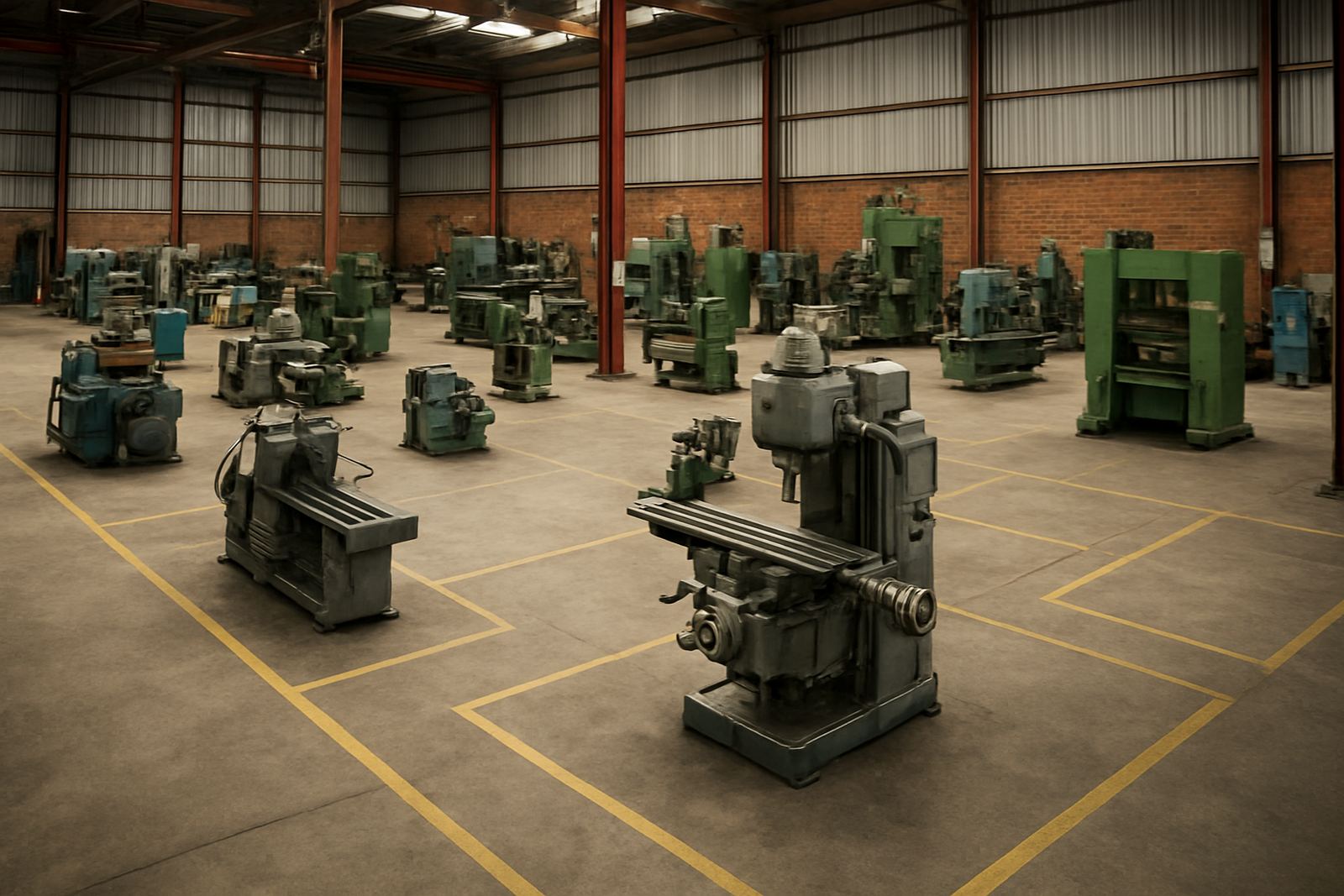
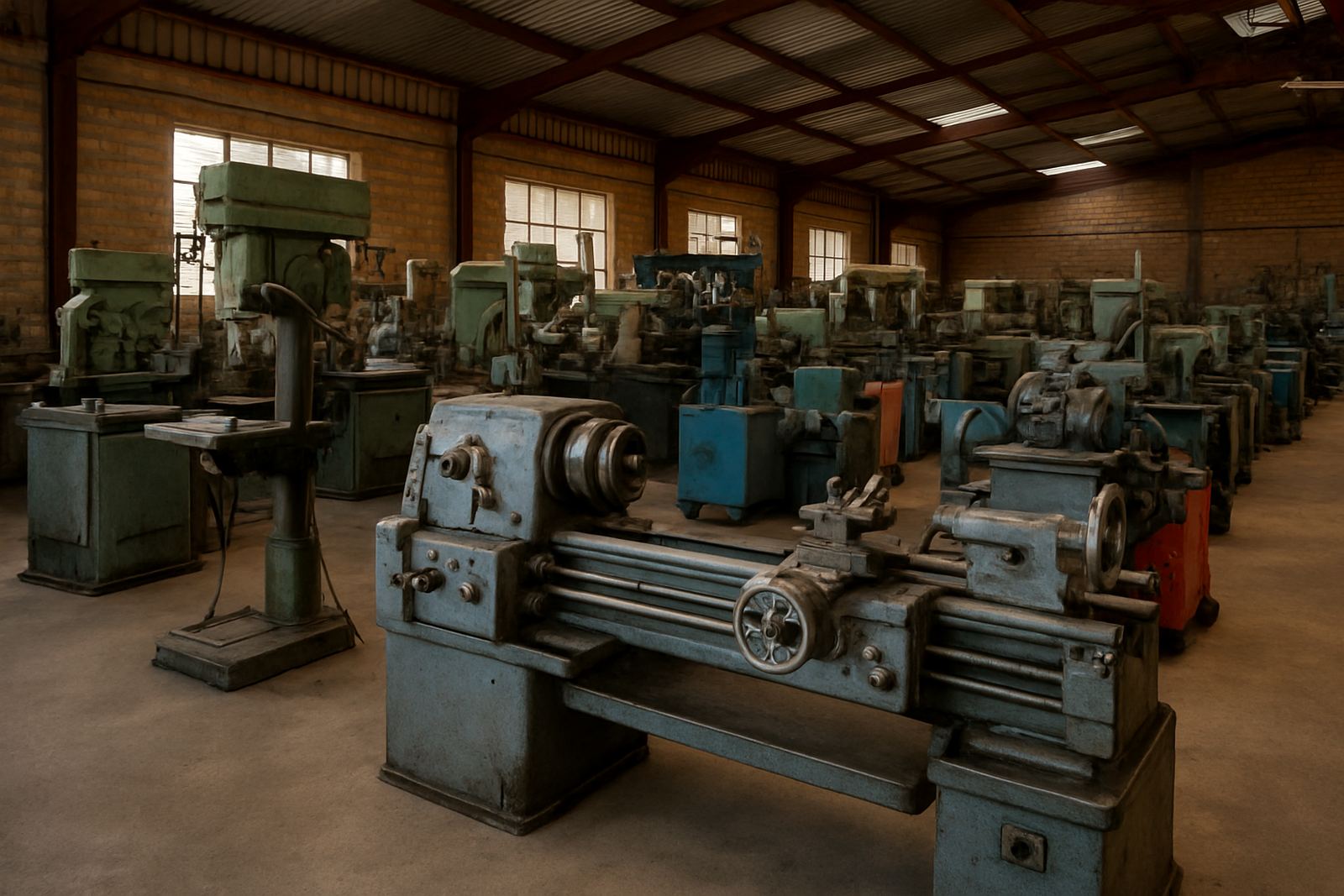
The client was a mid-sized engineering workshop in Pretoria that had accumulated mixed used plant, tooling and support equipment over a number of years. The assets were still serviceable, but the business had changed direction and needed a clean sale process for items that were no longer required.
The brief was straightforward: identify sellable items, group them into sensible lots, expose them to active buyers and keep the process tidy for the workshop team. The business wanted proper buyer interest, but also needed minimal disruption because daily maintenance work was still happening on site.
- Client type: engineering workshop serving local manufacturers and maintenance contractors
- Town: Pretoria, Gauteng
- Asset mix: workshop machinery, benches, cabinets, tools, shelving and spares
- Sales route: timed online auction with scheduled viewings
The constraints on site
The site had a tight yard, shared access points and limited time for inspections. Some equipment was fitted into corners and had to be photographed in place before it could be assessed for removal. There were also practical issues around load shedding, so we had to plan the viewing windows and media capture carefully to avoid delays.
Because the workshop still handled incoming jobs, we worked around operating hours and kept walkways clear. Dust, oil residue and uneven flooring meant that every item had to be catalogued with care, especially where serial plates, motor ratings or size markings were hard to read.
- Access control was kept tight so active work areas stayed safe
- Photos were taken during daylight windows to avoid poor interior lighting
- Several larger items needed precise measurements for collection planning
- One or two assets had missing tags, so condition notes had to be checked on site
What we supplied and how we ran it
We started with an asset appraisal and a walk through of the workshop floor. From there we built the lot list, set reserve guidance where needed and grouped related items to improve bidding interest. Smaller tooling was bundled where that made commercial sense, while higher value machinery was kept as individual lots.
Our team handled lot cataloguing, auction photography, viewing management and buyer support from Germiston. We also coordinated seller onboarding and payment clearance so the workshop team did not have to manage buyer queries day to day.
- Asset appraisals for saleability and estimated bidding range
- Lot cataloguing with clear descriptions and measurements
- Auction photography showing condition, nameplates and key wear points
- Reserve price guidance on selected items with higher recovery value
- Timed online auction format with structured closing times
Timeline and auction build-up
The full project ran over 4 weeks from first site visit to final collection coordination. Week 1 covered the appraisal, asset sorting and initial lot schedule. Week 2 was used for photography, descriptions and buyer-ready listings. Week 3 focused on viewings and bidder enquiries. Week 4 covered auction closing, payment clearance and collection planning.
That schedule gave enough time to attract proper buyers without leaving the workshop in limbo. It also let us refine lot descriptions where buyers asked for extra detail on motor size, footprint, condition or power requirements.
- Week 1: site assessment, valuation and asset grouping
- Week 2: photography and catalogue preparation
- Week 3: viewings and bidder support
- Week 4: auction close, payments and collection handover
Results for the seller and buyers
The auction attracted small manufacturers, maintenance contractors and independent workshop operators who were looking for affordable equipment without paying for new stock. Interest was strongest on items that could go straight back into service, such as benches, storage, manual tools and working support machinery.
The seller cleared the unwanted assets in an orderly way and recovered value from equipment that would otherwise have sat idle. Because the lots were clearly described, buyers knew what they were bidding on and collection moved faster than a traditional one-by-one sale.
- Recovered value from surplus assets that were no longer needed
- Broader buyer reach across Gauteng and other provinces
- Less disruption to workshop operations during the sale period
- Cleaner handover of assets with payment and collection kept under control
What we would repeat on a similar Pretoria job
For a workshop sale like this, we would again start with a strict asset sort before any listing work begins. It saves time later and avoids confusion between scrap, repairable stock and ready-to-use equipment. We would also keep the viewing windows short and well signposted, especially where there are live operations on site.
On future Pretoria workshop auctions, we would use the same method for grouping low-value items into practical lots and selling the stronger assets individually. That approach suits engineering yards, metal shops and maintenance businesses where buyers want usable gear at the right price and the seller needs the site cleared without fuss.
The main lesson was simple: clear cataloguing, measured lots and firm collection rules get better outcomes than trying to move everything at once. It also helps when buyers can see exact sizes, power needs and condition notes before they travel.