Cape Town hospitality stock that needed a clean exit
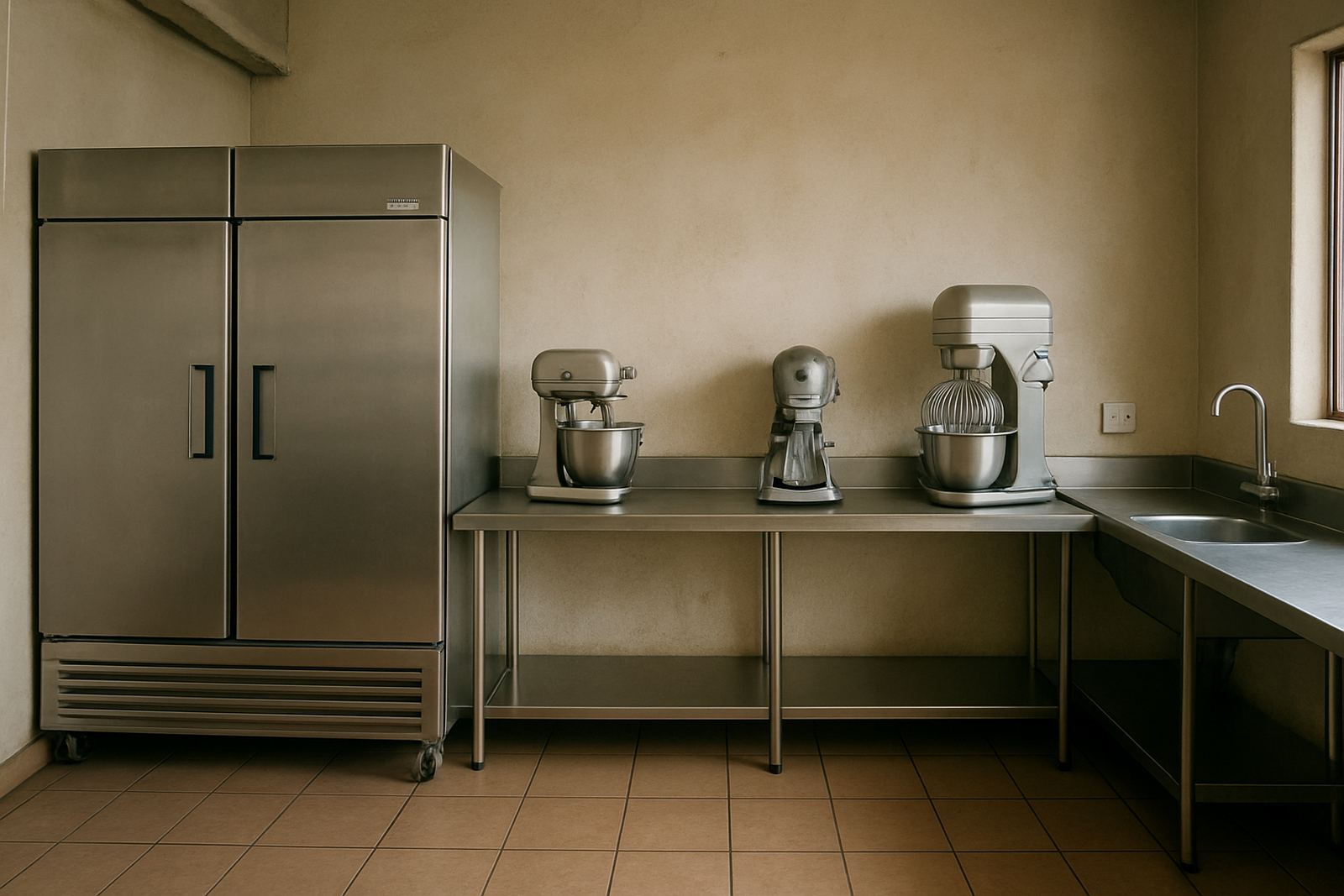
The client was a Cape Town-based food service operator with surplus kitchen and front-of-house assets that had to be sold quickly and fairly. The lot mix was practical rather than decorative: stainless steel prep benches, double-door chillers, undercounter fridges, gas cooking equipment, extraction items, dishwashing units, stainless shelving, heat lamps, and a mix of smallwares for catering use.
The brief was to turn a scattered set of used assets into a clear online sale that would reach restaurant owners, caterers, guesthouse operators, and buyers looking to expand without paying new-equipment prices. The client wanted straightforward pricing guidance, proper lot descriptions, and a process that would not disrupt the remaining trading schedule in Cape Town.
- Client type: commercial hospitality operator
- Town: Cape Town, Western Cape
- Asset type: used kitchen and service equipment
- Sale method: timed online auction
What made this sale more difficult than a normal clear-out
Like many hospitality moves, the challenge was not only the number of items but also the condition mix. Some assets were ready to go straight back into service, while others needed a buyer who understood repairs, missing accessories, or a bit of reconfiguration. There were also access limits on site, so viewing times had to be tight and practical.
We had to work around Cape Town conditions too. Coastal humidity can leave stainless finishes looking tired even when the unit is sound, and buyers often want clear notes on seals, fans, burners, trays, and power requirements before they travel. Load-shedding also matters in this type of sale because buyers want to know what will run on gas, what needs three-phase power, and what is suitable for backup use.
- Access windows had to fit around kitchen operations
- Items needed to be grouped by function, not just by room
- Condition notes had to be specific so buyers could bid with confidence
- Some equipment required power and size checks before listing
How we prepared the lots for market
We started with asset appraisals and seller onboarding, then moved into lot cataloguing and auction photography. The aim was to present each item in a way that matched how a buyer would actually use it. A stainless prep bench was listed with its size, top condition, undershelf layout, and castors where fitted. A fridge was recorded with door type, approximate internal capacity, and whether it was single phase or three phase. That level of detail matters, because buyers in Johannesburg or Durban may not want to risk a long trip for a unit that does not suit their setup.
Reserve price guidance was kept realistic. For hospitality stock, overpricing can stall the auction and leave good equipment unsold. Underpricing is just as bad, especially when there are solid buyers in the market. We kept the reserve levels tied to current used-market demand, serviceability, and replacement cost, not sentimental value.
- Measured key items and recorded sizes in millimetres
- Checked visible working condition and missing parts
- Separated salvage items from ready-to-use items
- Added practical notes for restaurant and catering buyers
Timed auction delivery across South Africa
The auction ran over a three week preparation and sale cycle. Week one covered intake, valuation, and site planning. Week two was devoted to photography, descriptions, lot sequencing, and viewing coordination. Week three was the live timed auction, buyer queries, payment clearance, and collection scheduling.
Because the buyer pool was nationwide, the listing reached people in Cape Town, Johannesburg, Pretoria, Durban, and Bloemfontein at the same time. That wider reach helped create competition on the stronger lots, especially the larger cold-room related items and commercial prep equipment. We also managed the viewing side carefully so buyers could inspect items without crowding the site or slowing the seller down.
- Preparation and sale timeline: 3 weeks
- Viewing management: controlled appointment-based sessions
- Buyer base: national, with strong interest from major metro areas
- Collection planning: arranged after payment clearance
Results from the sale and what moved fastest
The sale performed best on the everyday kitchen assets that had clear resale value and broad use across the trade. Stainless prep furniture, refrigeration, shelving, and service equipment drew the most attention. Smaller items also helped lift the lot total because caterers and smaller operators often look for grouped purchases that save them money on setup.
There was a practical benefit too: the client cleared space without having to break items down for separate private sales, and the auction format kept the process moving. Buyers got fair access to inspect, bid, and collect, while the seller received a structured outcome instead of a long tail of small negotiations.
- Strong buyer interest on refrigeration and stainless steel items
- Multiple lots attracted competitive bidding from trade buyers
- Stock was cleared in an organised sequence
- The seller avoided the admin of one-by-one sales
What we would do again on a kitchen sale like this
We would use the same mix of detailed cataloguing, realistic reserve advice, and short viewing windows with strict time control. For hospitality assets, that approach gives buyers enough confidence to bid while keeping the seller’s side tidy and manageable. It also works well when the lot list contains a mix of high-value equipment and smaller accessories that need different bidding attention.
For a future Cape Town kitchen sale, we would again start with a proper condition sort, then separate the most in-demand items into strong headline lots. That helps the right buyers focus fast. We would also continue to record size, power type, and visible wear on every major unit because those details cut down on disputes and wasted collections, which saves everyone time.
- Use detailed lot notes from the start
- Keep viewings short and well managed
- Group smaller items where it makes sense
- Match reserve levels to the current used-market value
Key facts
| Project | Cape Town Kitchen Sale |
|---|---|
| Client type | Commercial hospitality operator |
| Location | Cape Town, Western Cape |
| Sale format | Timed online auction |
| Timeline | 3 weeks |
| Core assets | Prep benches, refrigeration, cooking equipment, shelving, service items |