

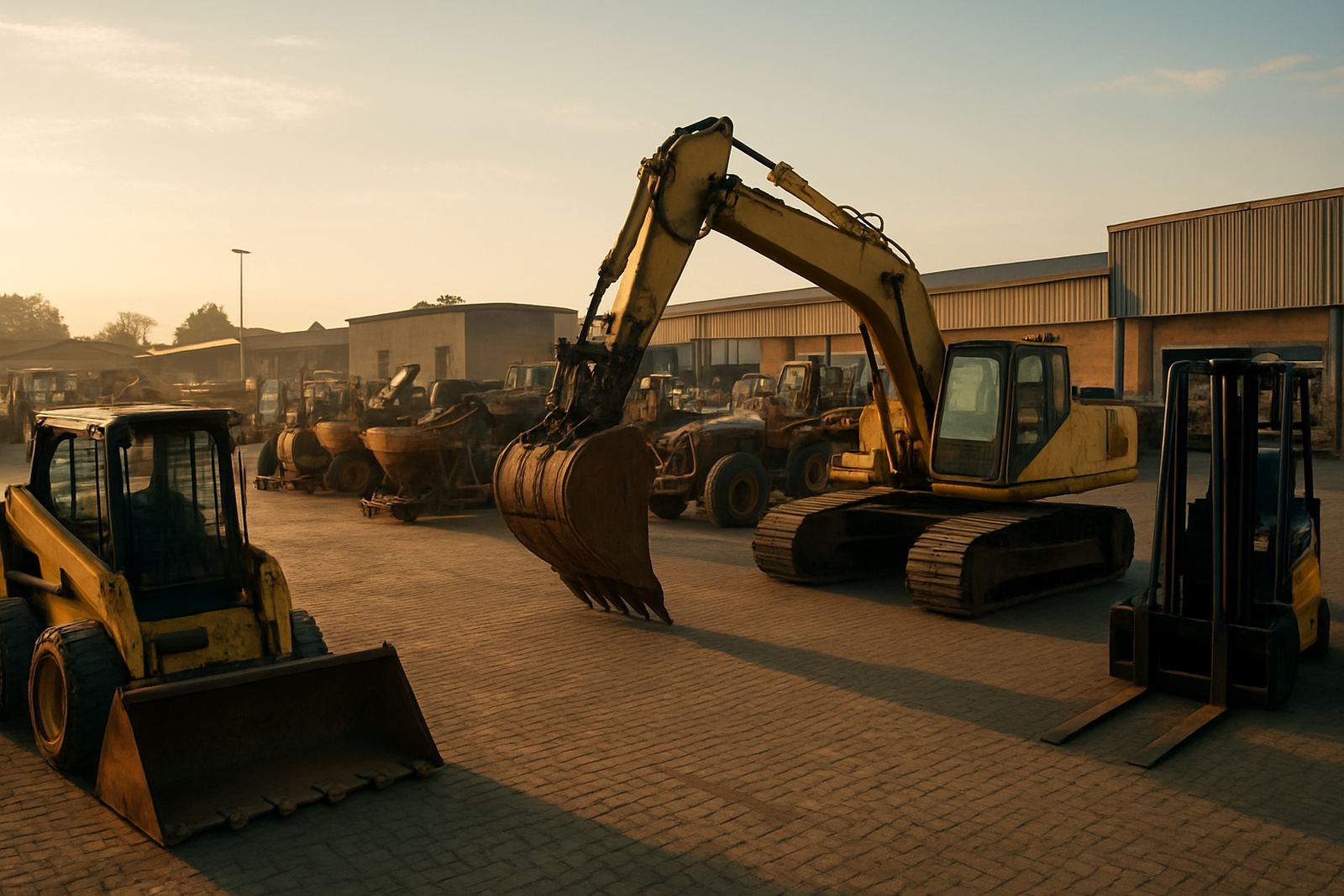
A Germiston start with practical intent
From the start, the approach was hands-on. Asset appraisals were checked against real market demand, lots were described in plain language and viewing arrangements were organised so buyers could inspect items before bidding. That practical method suited local manufacturers, workshops, warehouses and traders who needed a faster way to turn idle stock into cash.
- Early focus on used machinery, shop fittings and surplus stock
- Base established in Germiston, close to industrial users and logistics routes
- Clear seller support from listing through to collection
Building trust through better listings and viewings
During these years, BidThis also began shaping a process that worked across different kinds of assets. Some sellers needed quick dispersals after an upgrade. Others needed a measured sale plan because their operations were still active. The service grew by doing the small things well, like labelling items correctly, handling questions properly and making sure viewings ran on time even when sites were busy or access was limited.
- Lot cataloguing improved for clearer bidding and fewer disputes
- Auction photography became part of the standard listing process
- Viewing management expanded to match seller schedules and site rules
Expanding beyond Gauteng
This period also brought stronger seller onboarding and clearer reserve price guidance. That mattered because many businesses were selling under pressure, with deadlines linked to relocations, liquidations, lease exits or fleet changes. In real terms, that meant quicker decisions, better communication and fewer delays before auction day. Load-shedding was also becoming part of normal operations, so the team kept planning around power cuts and transport disruptions, especially when managing yard access and time-sensitive collections.
- Broader buying interest from the main metros and surrounding industrial areas
- Seller onboarding became a more structured part of the service
- Multi-site dispersals helped businesses clear assets from more than one location
Stronger processes during difficult trading conditions
The team’s buyer support and payment clearance processes became even more important during this time. Clear steps helped buyers understand what they had won, when payment was due and how collection would be arranged. For sellers, that meant less admin on top of already difficult operational challenges. The Germiston yard and other viewing points also gave buyers a way to inspect items before committing, which helped build confidence when budgets were tight.
- Buyer support was tightened to keep transactions moving smoothly
- Payment clearance and collection coordination became more structured
- Viewing points supported buyers who needed local access to lots
A wider South African footprint
Under the guidance of Marius Johannes van Rensburg, the team put more weight on valuation accuracy, consistent seller communication and reliable auction administration. Keitumetso Hlungwani focused on auction operations, Jaco Blignaut on asset valuation, Zulfa Dawood on buyer support, Velaphi Gumede on seller onboarding, Candice Naidoo on marketing coordination and Mxolisi Ngwenya on viewing yard supervision. The result was a service that could handle more sites and more moving parts without losing the practical detail that matters.
- Viewing access expanded across key industrial and commercial areas
- Valuation and onboarding processes were standardised across more asset types
- Internal roles were defined to support faster turnarounds and clearer communication
Today: A dependable auction route for surplus business assets
Today, BidThis continues to help South African sellers move surplus machinery, equipment and business assets through timed online auctions that are easy to follow and simple to manage. The work remains grounded in the same principles that shaped the first year, namely fair presentation, practical pricing and clear communication from start to finish.
For sellers, that means support with appraisals, cataloguing, photography, reserve advice and collection coordination. For buyers, it means access to a wider pool of used assets across Johannesburg, Pretoria, Durban, Cape Town and Bloemfontein, with viewing options that make it easier to judge condition before bidding. It is a straightforward model, but it works because it respects the realities of South African trading, from municipal access rules to coastal humidity, from load-shedding to tight warehouse timelines.
What has not changed is the aim: to make business asset sales more transparent and less stressful, so both sides can trade with confidence.