

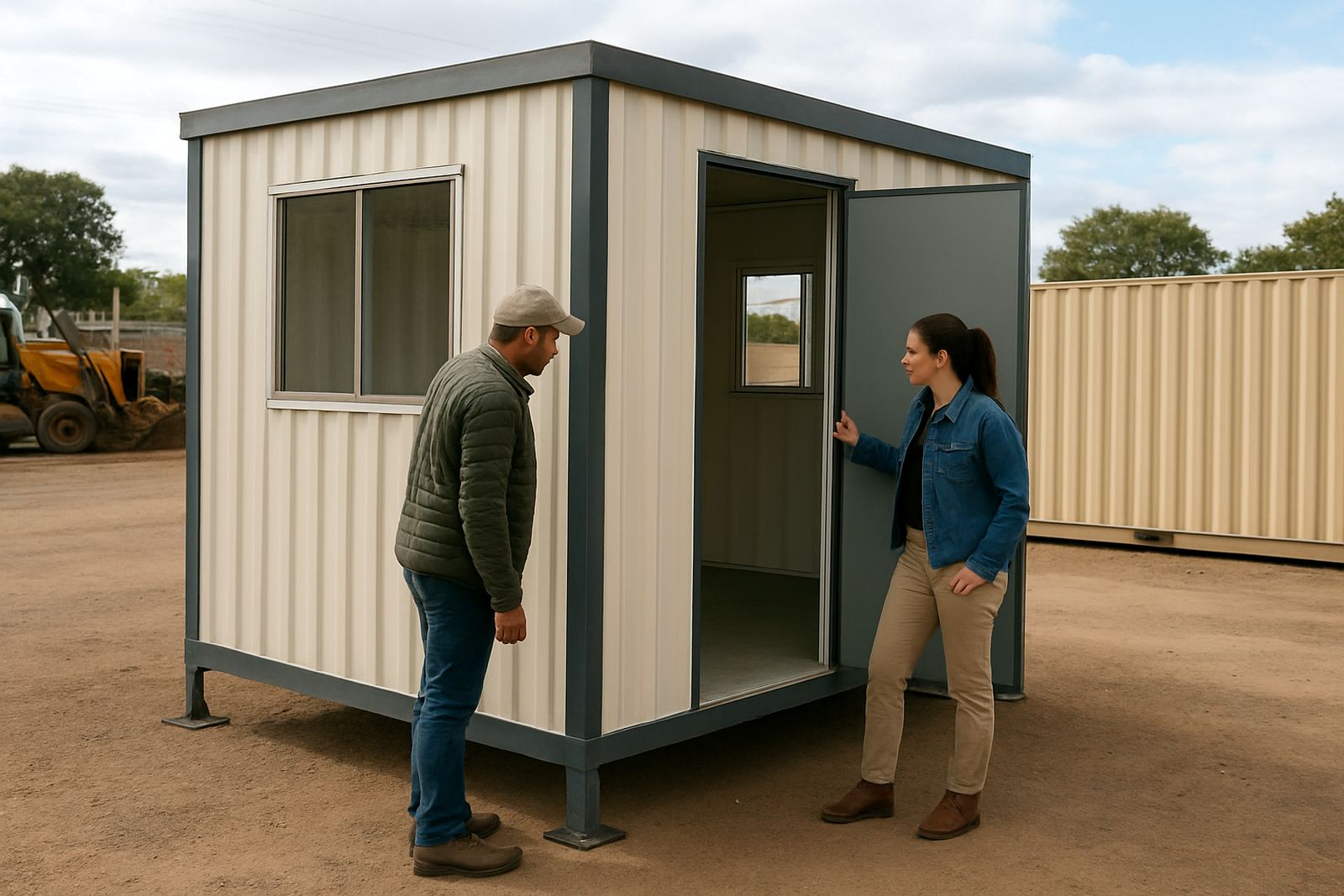
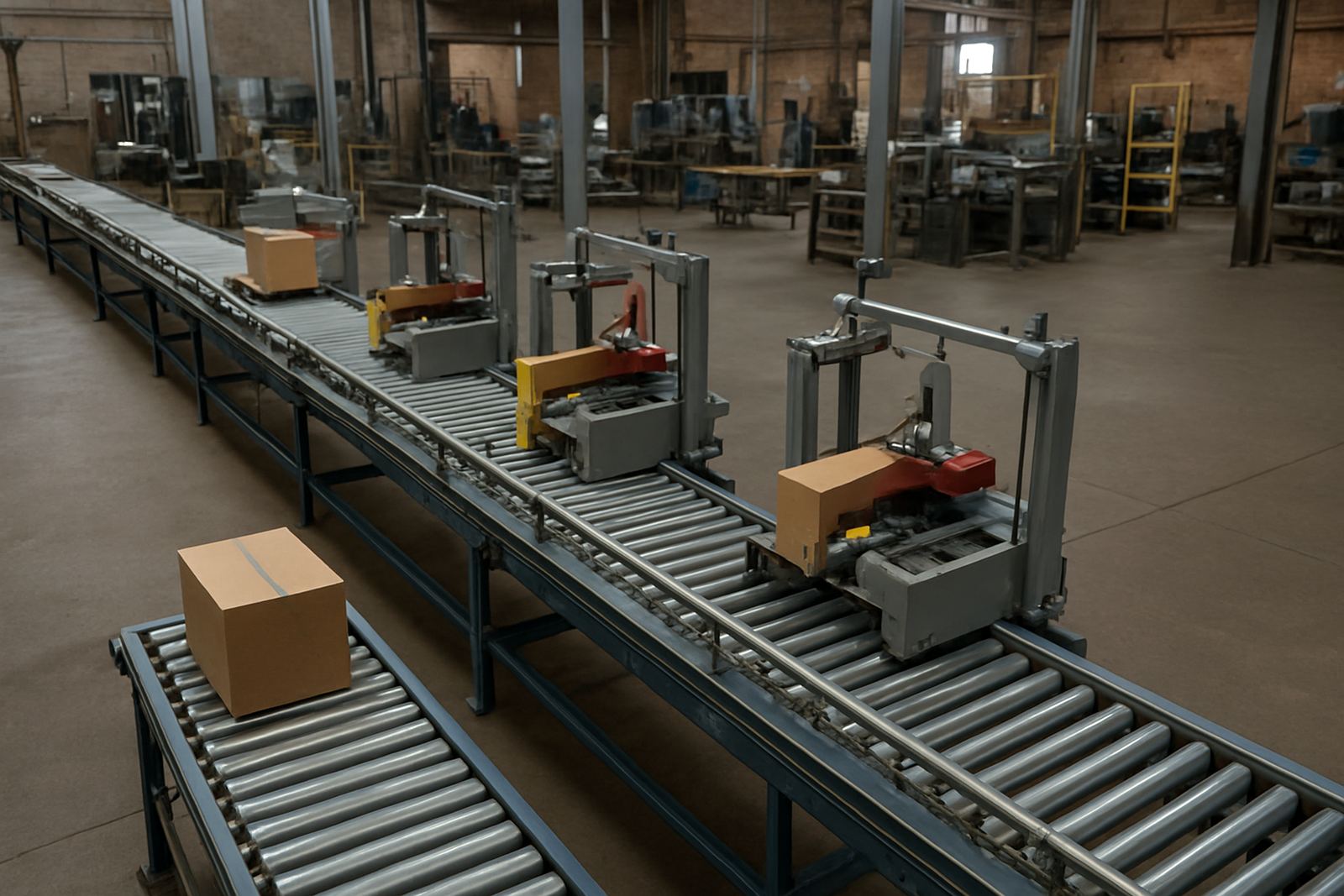

Start Here: Match the Guide to the Lot
Not every asset needs the same level of checking. A forklift, generator, workshop lathe and office fit-out all need different questions answered before you bid. Start with the guide that matches the asset type, then work through the condition notes, inspection points and likely costs after purchase.
If you are new to online auctions, the safest way to begin is with smaller lots or stock that you already understand. That gives you a feel for bidding pace, buyer fees, payment timing and collection dates without taking on too much risk. In Germiston, Johannesburg, Pretoria, Durban, Cape Town and Bloemfontein, the same rule applies: know your transport and storage plan before you click bid.
How to Read a Listing Without Guessing
Good bidding starts with reading the lot page properly. Look beyond the headline and check the item count, serial numbers where shown, power requirements, dimensions, location and whether the asset is sold as seen. If the listing mentions missing parts, wear, previous use or fault notes, factor that into your price from the start.
- Check whether the lot is single item or sold in a group.
- Confirm the viewing point and collection area.
- Read the notes on condition, testing and any exclusions.
- Work out whether you need lifting gear, a truck or a certificate for removal.
A quick skim can cost you later. A careful read will tell you if the asset suits your site, your voltage, your floor space and your budget.
Inspecting Used Machinery at a Viewing
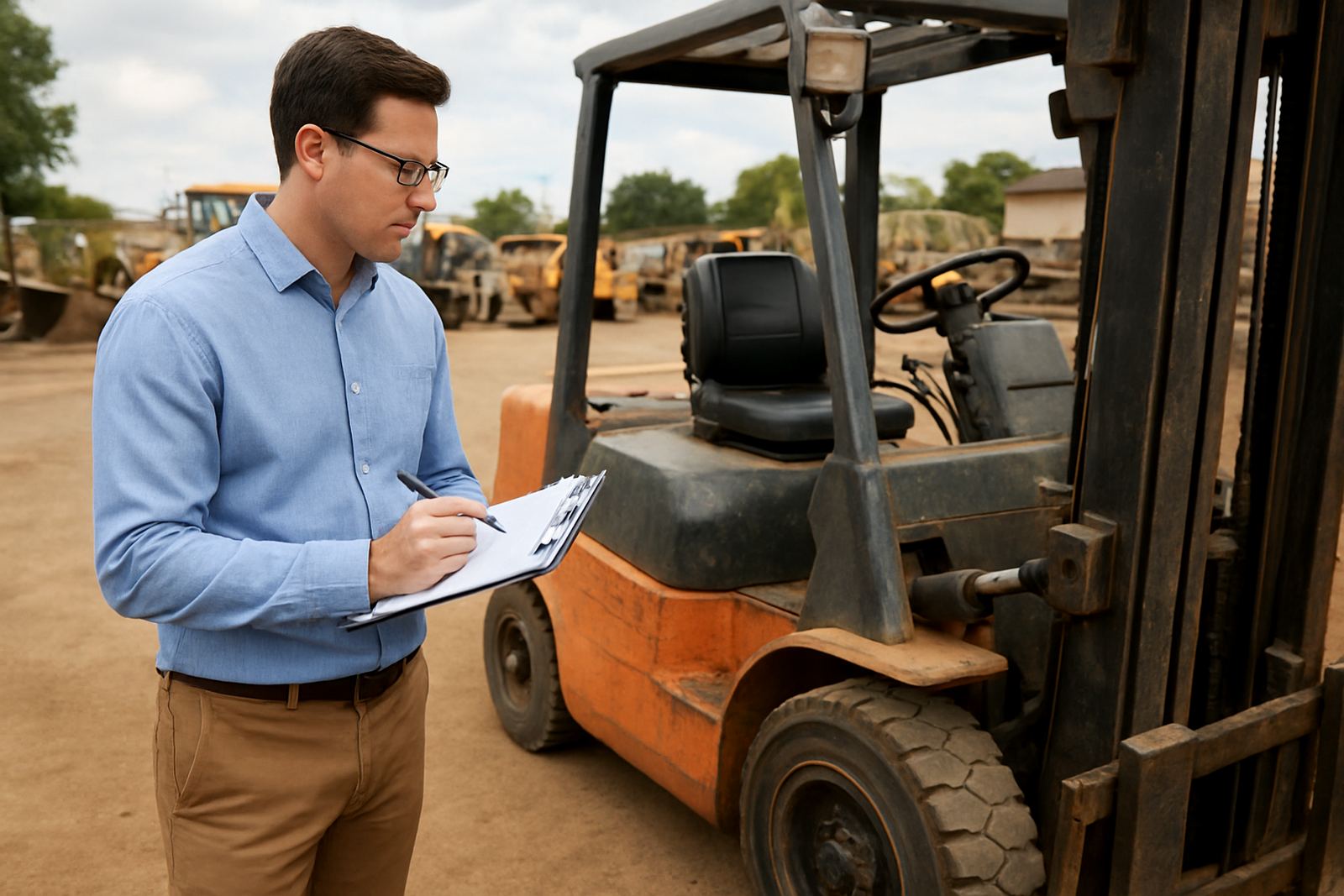
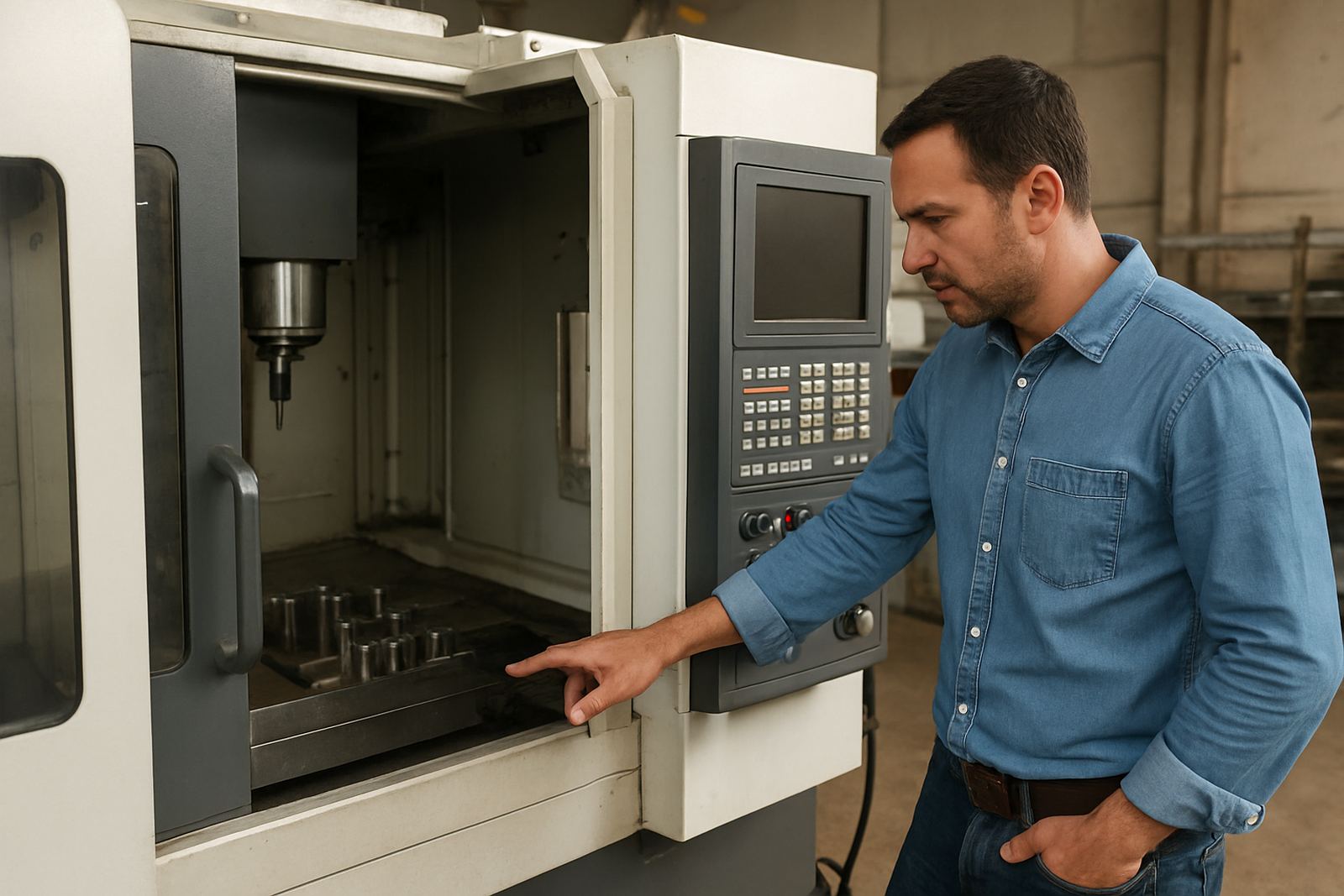
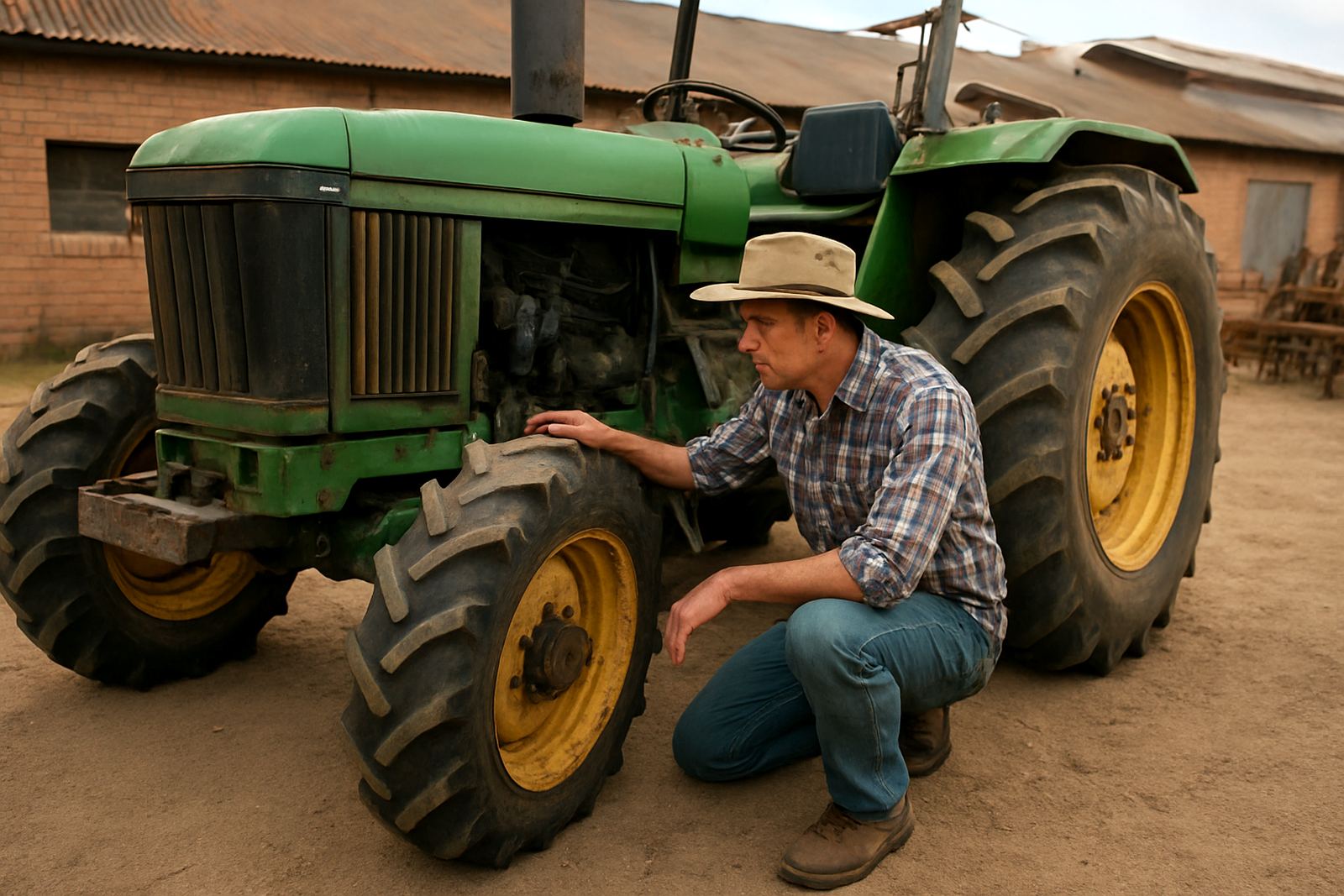
When you attend a viewing, inspect with purpose. Bring a torch, gloves, a tape measure and if possible a second person who knows the equipment. For heavy plant and workshop machinery, look for leaks, worn belts, cracked welds, noisy bearings, damaged wiring and signs of repairs done in a hurry. In humid coastal areas, rust and corrosion can move faster than you expect.
Use this short checklist:
- Test the start-up if testing is allowed.
- Check guards, switches, displays and controls.
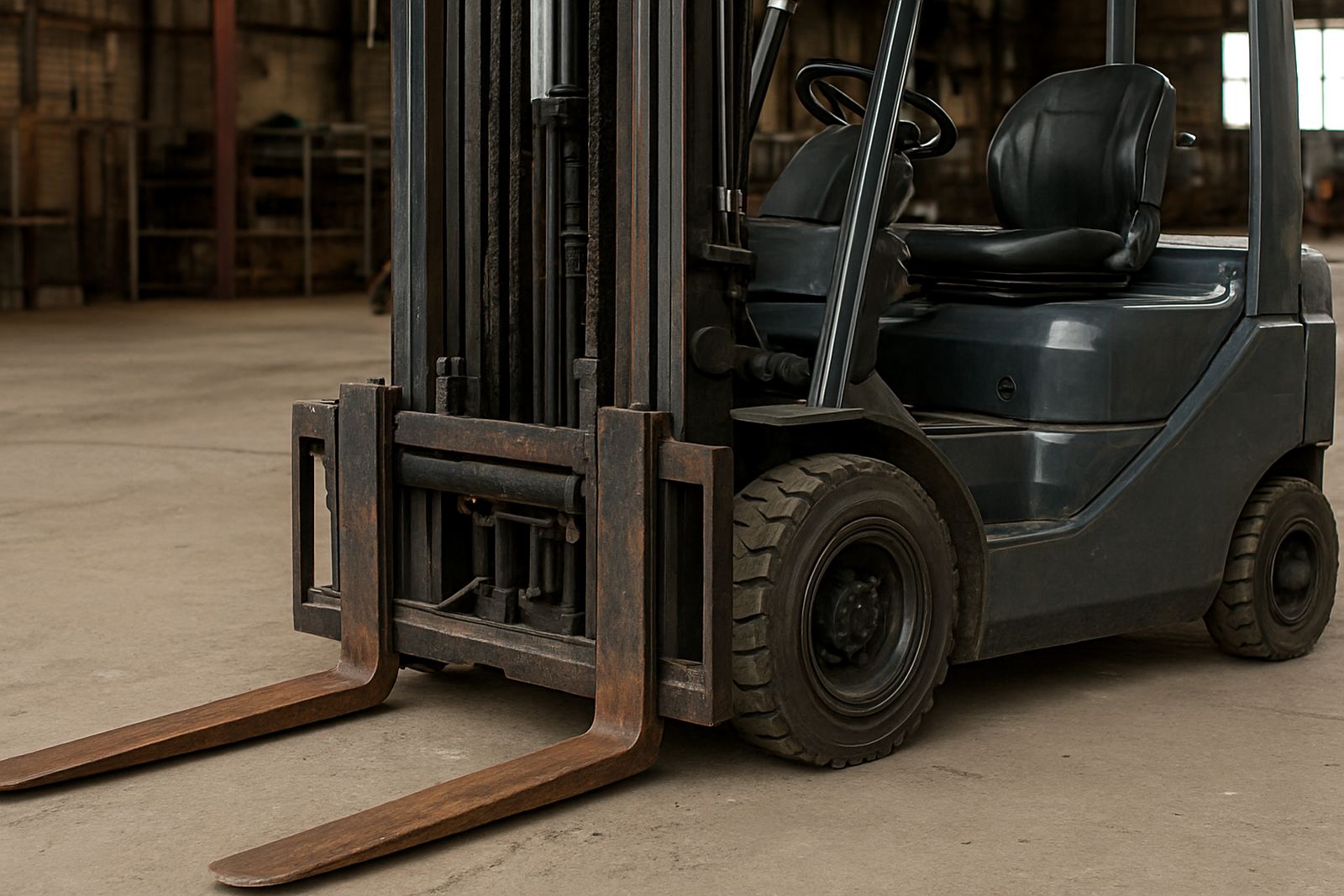
- Look at tyres, chains, blades, pumps or hydraulic hoses.
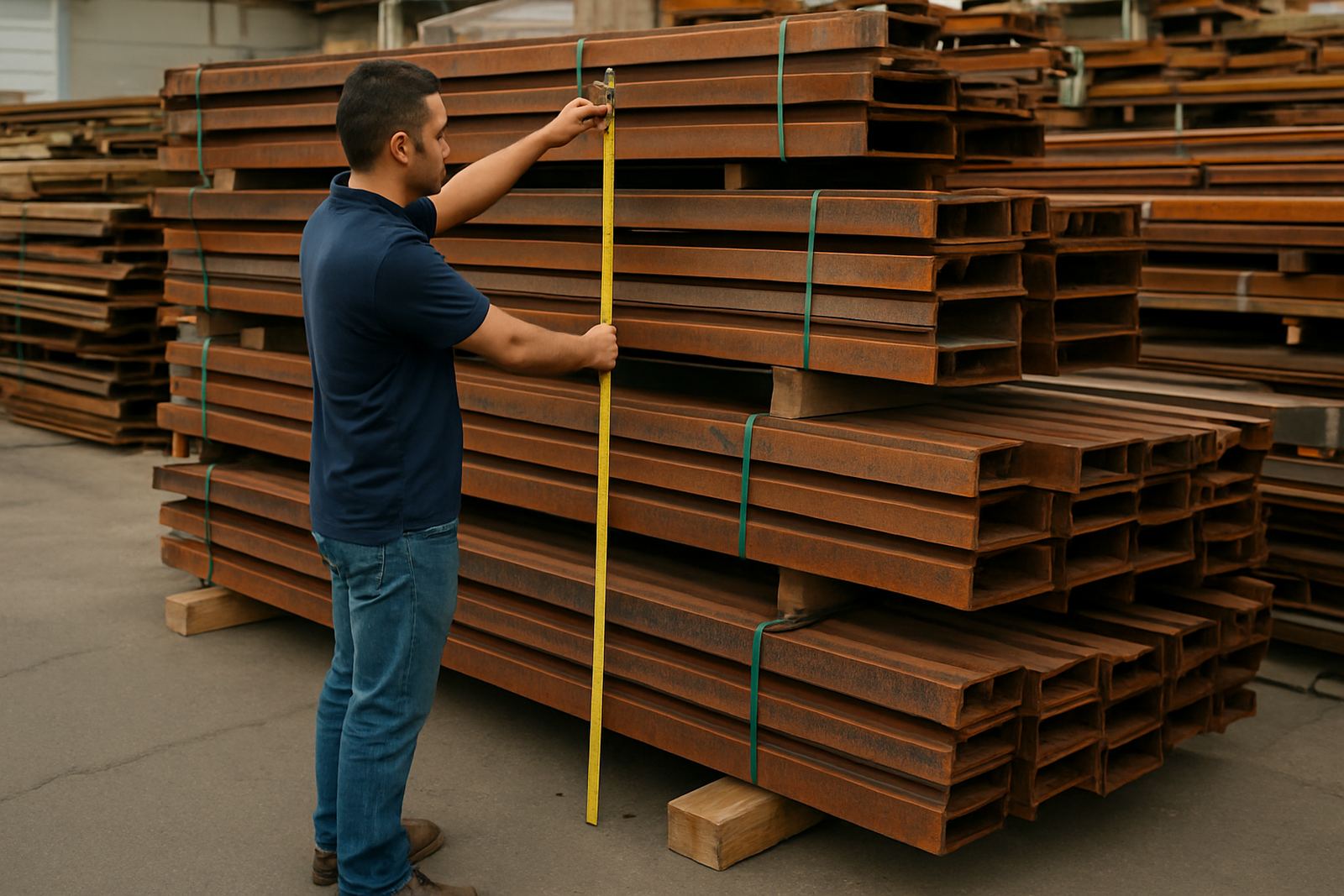
- Measure access routes, gates and loading points.
- Ask if manuals, toolkits or spare parts are included.
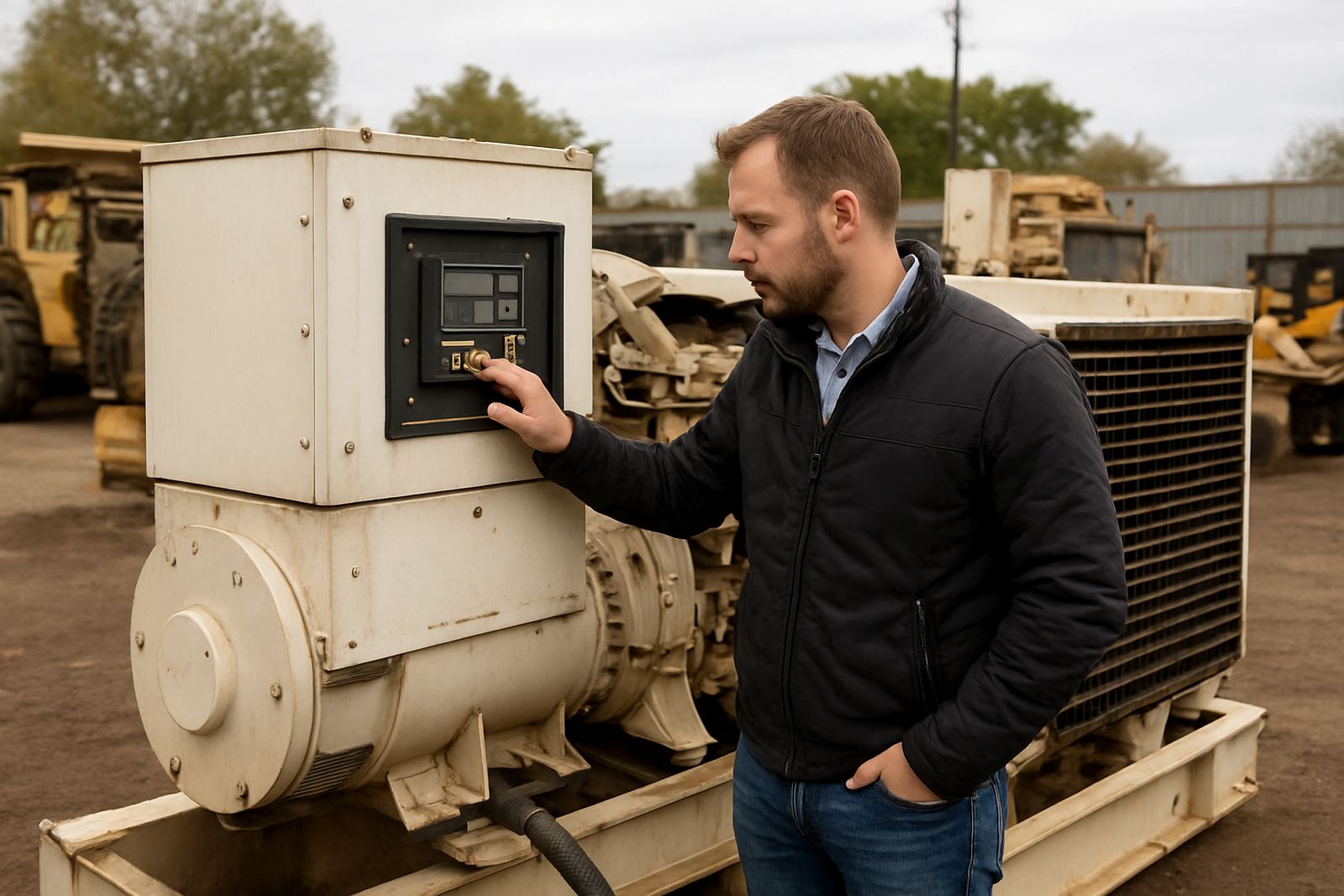
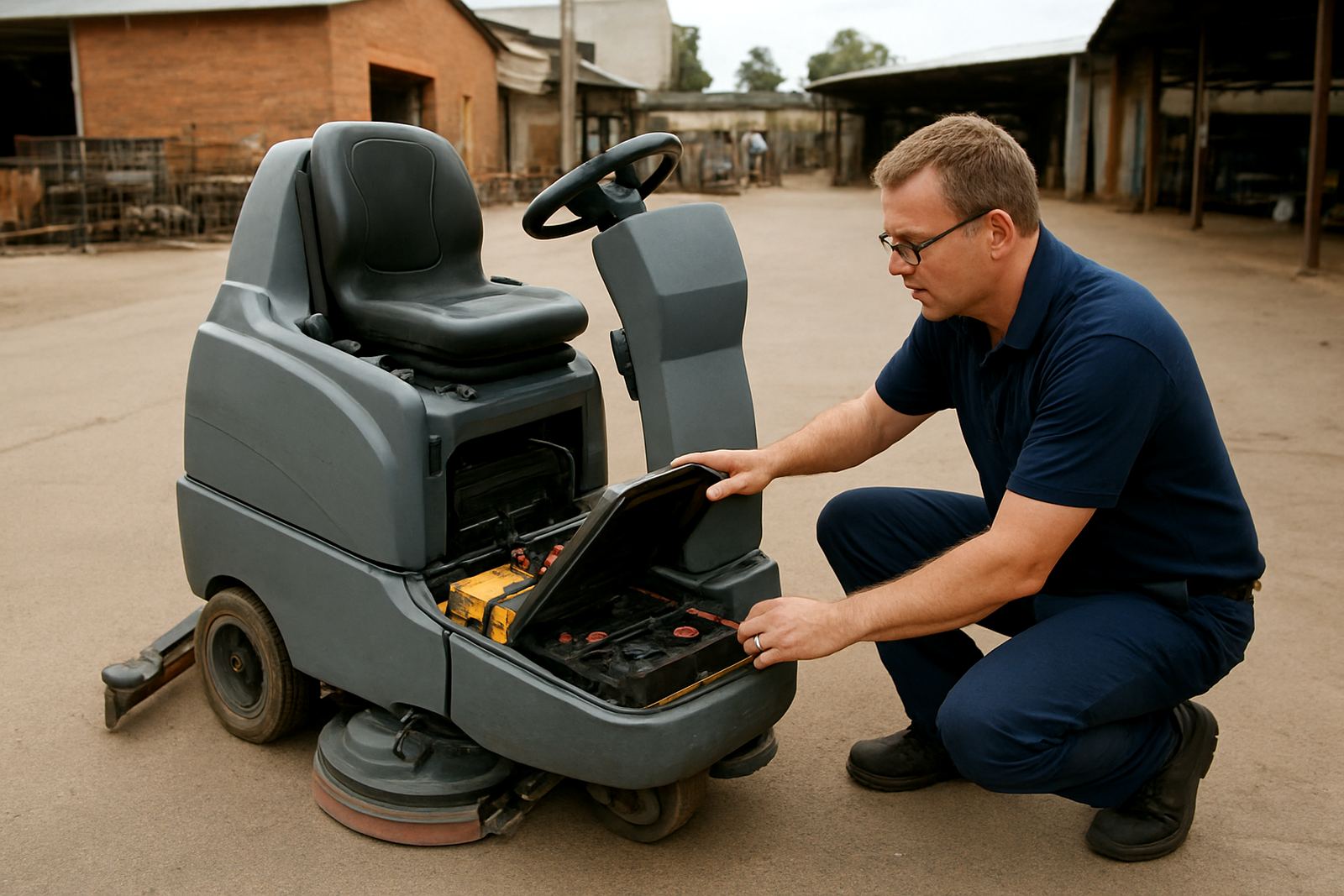
If load-shedding has affected the asset, ask how it was stored and whether batteries or electronics were protected. A generator, inverter or battery system needs special attention before you place a serious bid.
Working Out Your Real Buy Price
The hammer price is only part of what you pay. Add buyer fees, VAT where applicable, transport, rigging, cleaning, repairs and the time it takes to get the asset back into service. If you are buying for resale or production, include the cost of downtime too. That is where many bidders go wrong, they count the lot price and forget the rest.
For example, a machine that looks cheap in a yard in Germiston may become expensive once you add collection, loading and replacement parts. Build a ceiling price before the auction starts and stick to it. If the bidding goes past that number, let it go and move to the next lot.
Bidding Tactics That Keep You in Control
Online auctions move quickly near the close, so have your account ready before bidding opens. Set your limit, watch the timing and avoid chasing a lot just because someone else is active. A calm buyer usually makes better decisions than a rushed one.
- Place your first bid only after you have checked the lot properly.
- Do not split your budget across too many similar lots.
- Keep your phone or laptop logged in before the final minutes.
- Allow room for one last jump in price.
If you are targeting several assets at once, rank them by value to your business. Buy the one that solves the most urgent need first. The others can wait for the next auction.
After You Win: Payment, Clearance and Collection
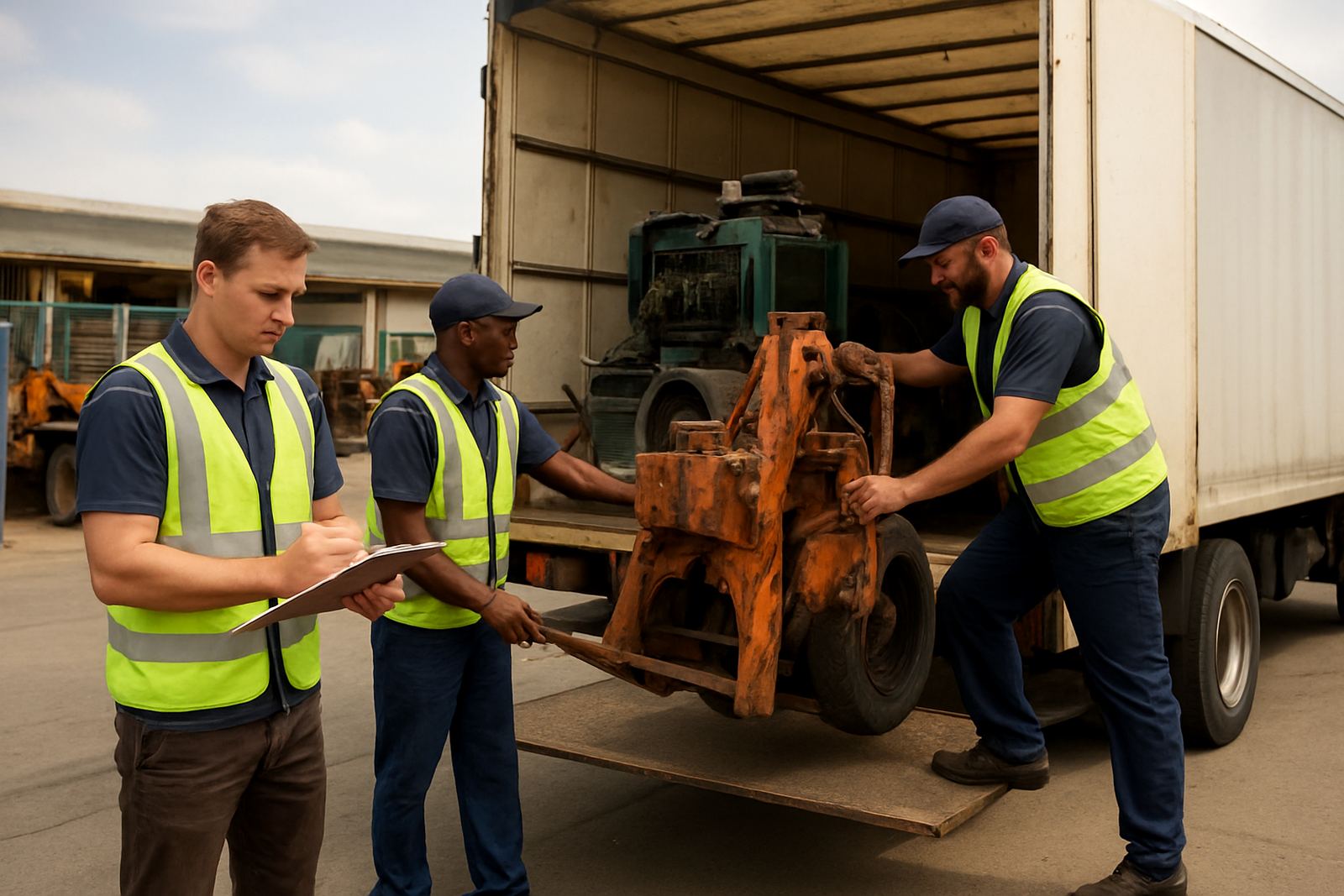
Winning a lot is only the first step. You still need to pay on time, clear the paperwork and collect within the stated window. Plan your transporter early, especially for large or awkward items that need a flatbed, crane truck or extra labour. In some municipal areas, collection times and vehicle access can be limited so leave enough time.
Keep these details ready:
- Invoice and payment proof.
- Collection contact and site access instructions.
- Any permits, if the item needs special transport.
- Tools, chains, straps and lifting kit for removal.
Late collection can lead to storage issues or missed deadlines. A clean handover is usually easier when your team arrives prepared and on time.
Choose the Right Guide for Your Asset Type
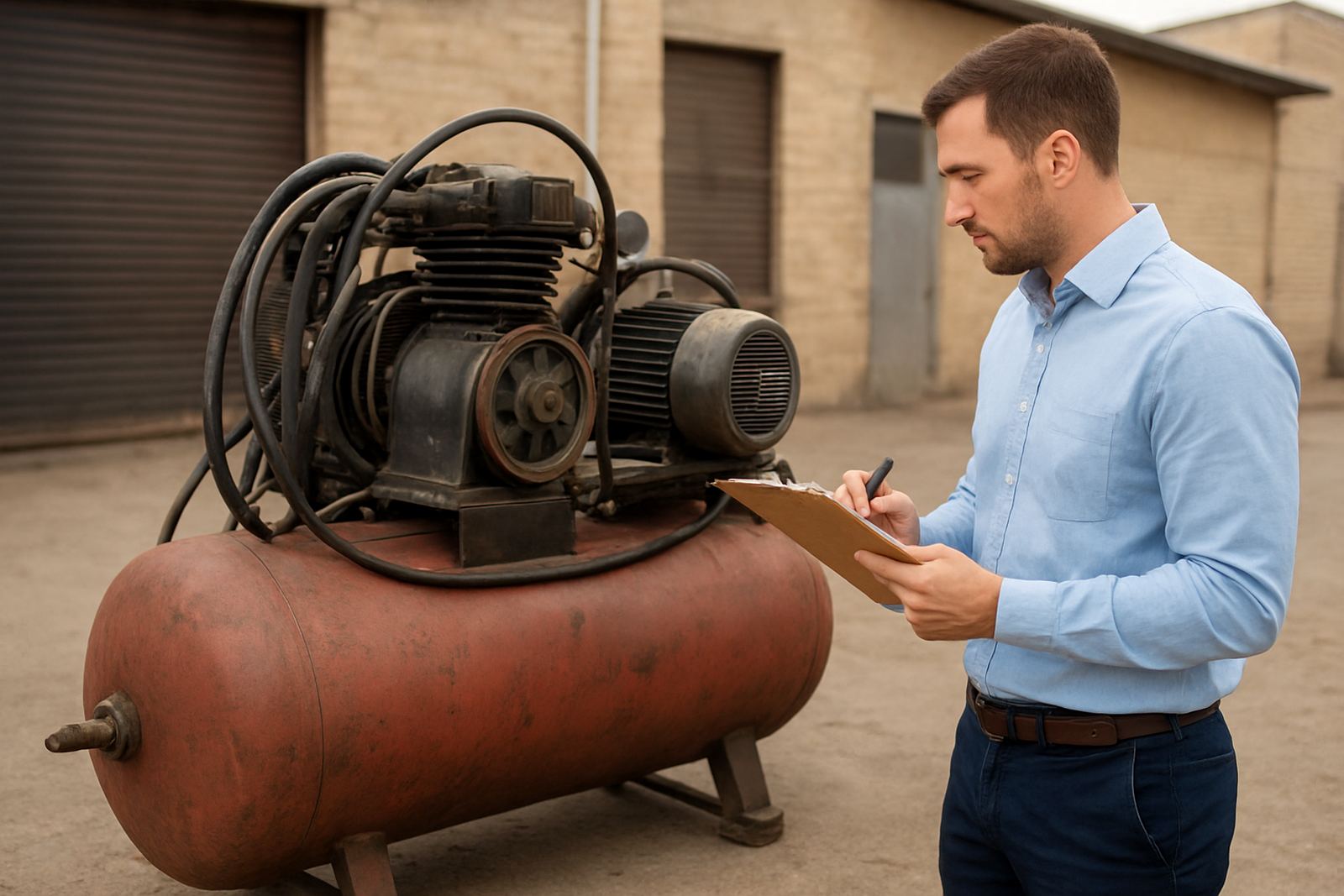
Some buyers need help with one machine, others need a full yard or multi-site clear-out. That is why these guides are split by category and task. A seller clearing surplus stock will need different advice from a buyer looking at a single used compressor or a fleet of pallet jacks.
Use the guides to compare condition, likely running costs and collection logistics before you bid. If you are buying across Johannesburg, Pretoria, Durban, Cape Town or Bloemfontein, the same practical approach still applies: inspect, compare, calculate and then bid with confidence. Small details can make a big difference to final value.