Start With the Cold Room Size and Site Fit
Before you look at any cold room up close, confirm the internal dimensions, ceiling height and overall footprint against your available space. A unit that looks affordable can become expensive if it does not fit your loading bay, forklift route or floor space once the panels are assembled.
In South Africa, buyers also need to think about access on site. Check whether the unit can pass through gates, roller shutters and narrow passages at depots, spaza supply stores or factory yards. If the room will sit in a coastal town, allow for extra corrosion risk and make sure the panel joints and metalwork are still in good condition.
- Measure the full footprint, not only the internal storage area.
- Check ceiling clearance for insulated roof panels and pipe runs.
- Confirm that doors open in the right direction for your workflow.
- Ask whether the floor is included and whether it has damage from forklifts or pallet jacks.
Inspect the Panels for Damage, Water and Foam Failure
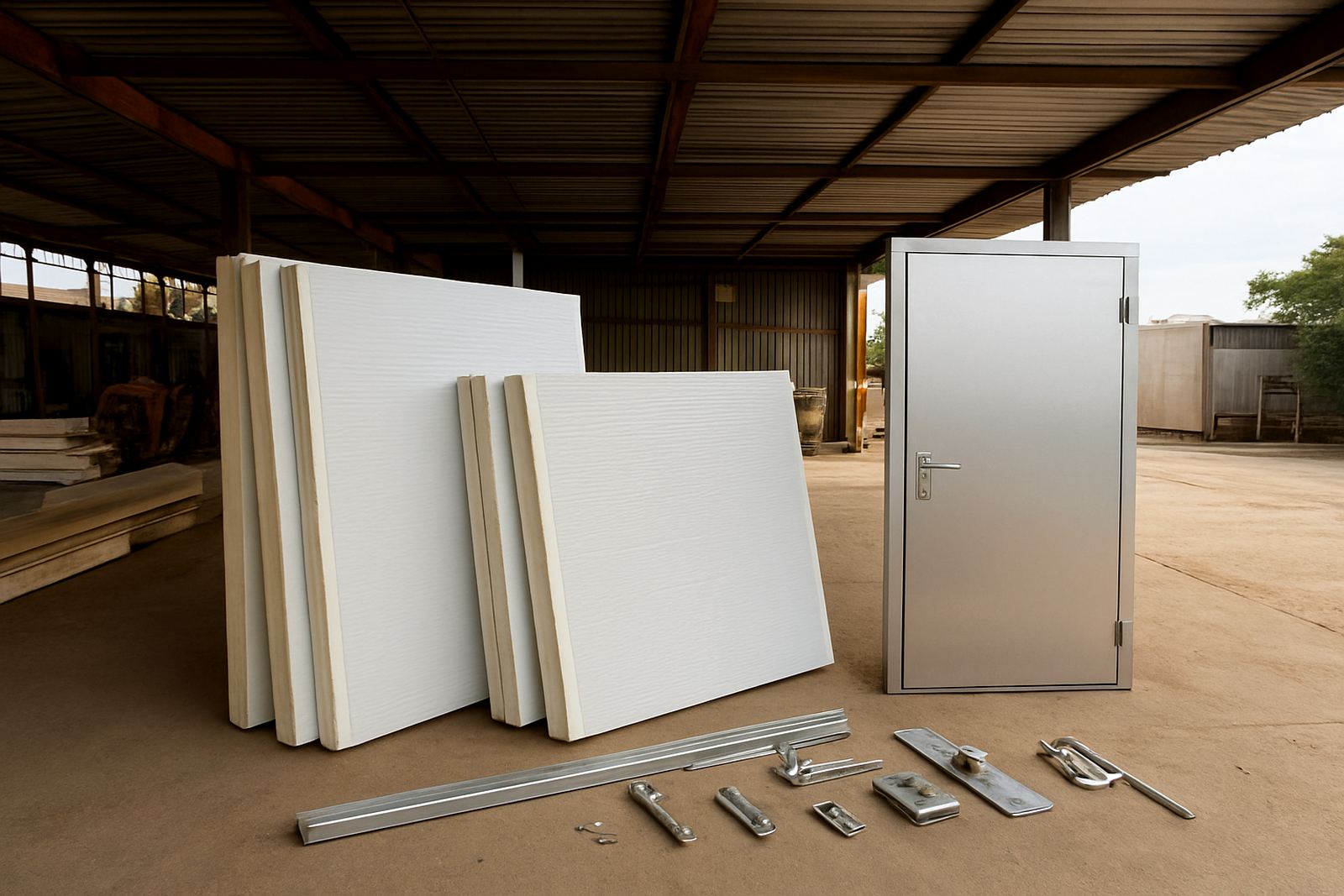
The panels are the shell of the cold room, so they must be solid, straight and well sealed. Walk along every wall and look for dents, gaps, rust, loose cam locks and signs of water getting into the joints. Small cracks in the sealant can turn into ongoing temperature loss once the unit is moved and reassembled.
Pay close attention to the lower sections near the floor. These areas often take knocks from trolleys, pallets and cleaning equipment. If the panels have swelling, staining or soft spots, the insulation may already be compromised. On older rooms, also check for mismatched panels, since mixed sections can point to repairs done in a hurry, not always neatly.
- Look for bowed panels that no longer sit squarely.
- Check for rust around fasteners and base rails.
- Inspect internal surfaces for mould, grease or chemical staining.
- Make sure there are no open joints where warm air can enter.
Check the Doors, Hinges and Seals Carefully
A cold room door that does not close properly can waste power and spoil stock. Open and close the door several times. It should move smoothly, latch firmly and sit flush against the frame without forcing. If the door drags, sticks or leaves a gap, the seals or hinges may need replacement.
Look at the gasket all the way around the door edge. It should be flexible, not brittle or split. Also check for a working internal release handle, especially on rooms used for food storage or staff access. In Gauteng and other busy industrial areas, doors often get hard use so wear at the threshold and hinge points is common.
- Test the latch from both inside and outside if possible.
- Check the threshold for damage from pallet traffic.
- Inspect the frame for bends or heavy corrosion.
- Confirm whether spare keys, locks and door heaters are included where relevant.
Assess the Refrigeration Components and Control Gear
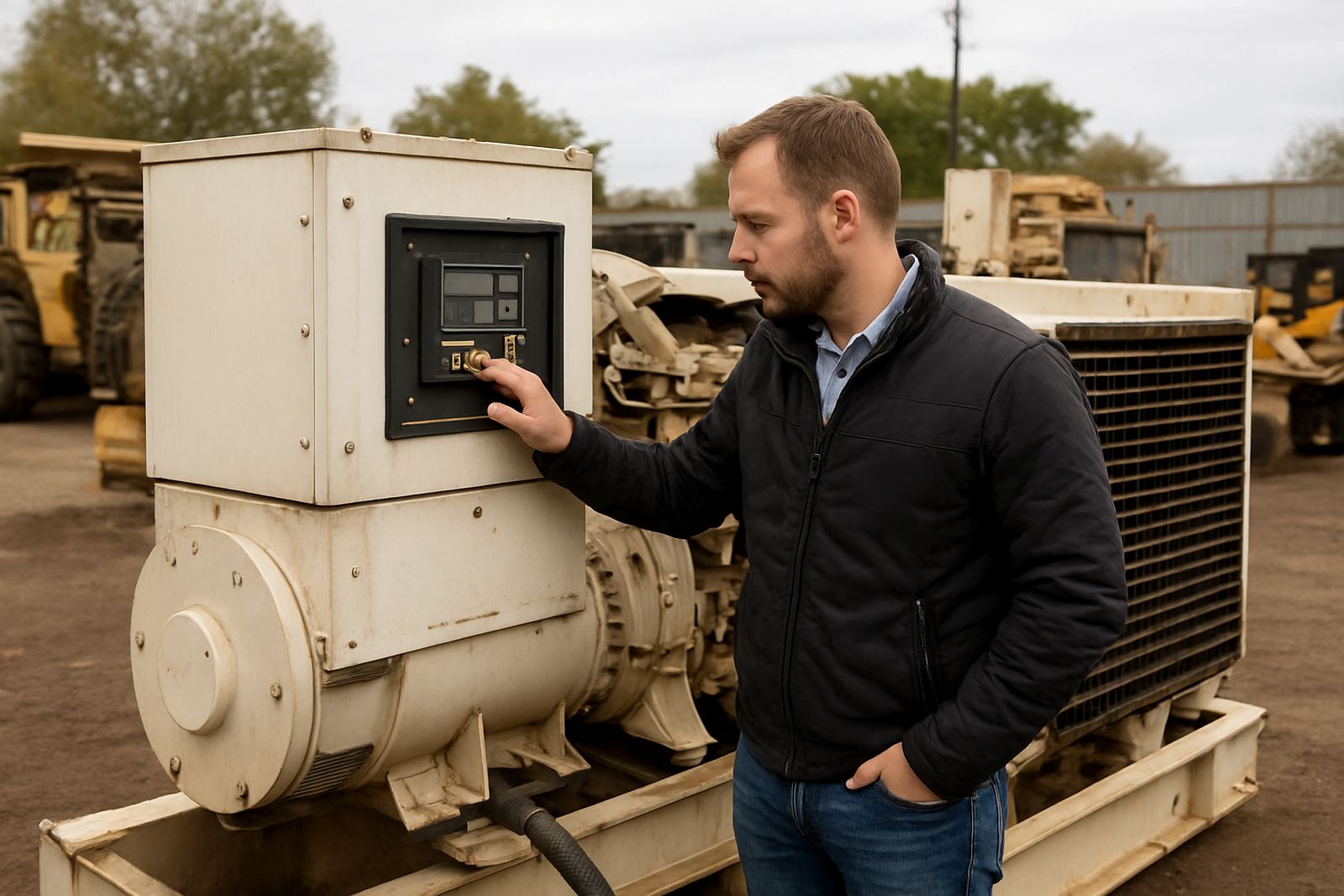
The refrigeration system is the part that turns a strong box into a working cold room. Check the compressor unit, evaporator, fans, control panel and pipework for obvious damage, leaks or missing parts. Oil stains around joints can point to refrigerant loss, while excessive dust and grease on coils may mean the unit was not serviced properly.
Ask whether the cold room was used for chilled goods or frozen stock, because the setup and operating range may differ. Check if the electrical supply matches your site and whether your premises can handle the load during load-shedding or after power restoration. A unit with controls that are hard to read, badly wired or patched together should be priced with caution.
- Look for bent fins, blocked coils and damaged fan blades.
- Check the condition of cabling, isolators and control panels.
- Ask whether the refrigeration plant was serviced regularly.
- Confirm if the system has been tested under working conditions before collection.
Review Temperature History and Daily Use
If you can get records, ask for temperature logs, maintenance notes and any fault history. A cold room that held stable temperatures for dairy, meat or produce is usually a better risk than one that spent months switched off. Long periods without use can hide problems like dried seals, seized fan motors and hidden moisture in the insulation.
Try to establish how the room was used day to day. Was the door opened 20 times a shift or only for stock checks? Was it cleaned with aggressive chemicals? Was it installed indoors or outside under direct sun? These details matter when you are deciding whether the unit will suit your operation in places like Johannesburg, Durban or Cape Town.
Use a Simple Pre-Bid Checklist Before You Commit
A short checklist can save a business from buying a room that needs expensive repairs before it can work. If possible, inspect the unit in person and take measurements, photos and notes. You should also factor in dismantling, transport and reinstallation, because those costs can be significant on larger rooms or multi-site moves.
Keep the final decision practical. A lower bid is not always the better deal if the insulation is weak, the door is worn out or the compressor setup is incomplete. For buyers who are planning collection across province lines, make sure the disassembly crew understands panel order, refrigerant recovery and any site rules at the collection point.
- Confirm dimensions and available site space.
- Check panels, floor, doors and seals.
- Inspect refrigeration parts and controls.
- Budget for removal, transport and rebuild.
- Ask what is missing before bidding.