
Start with the lot sheet, not the auction count
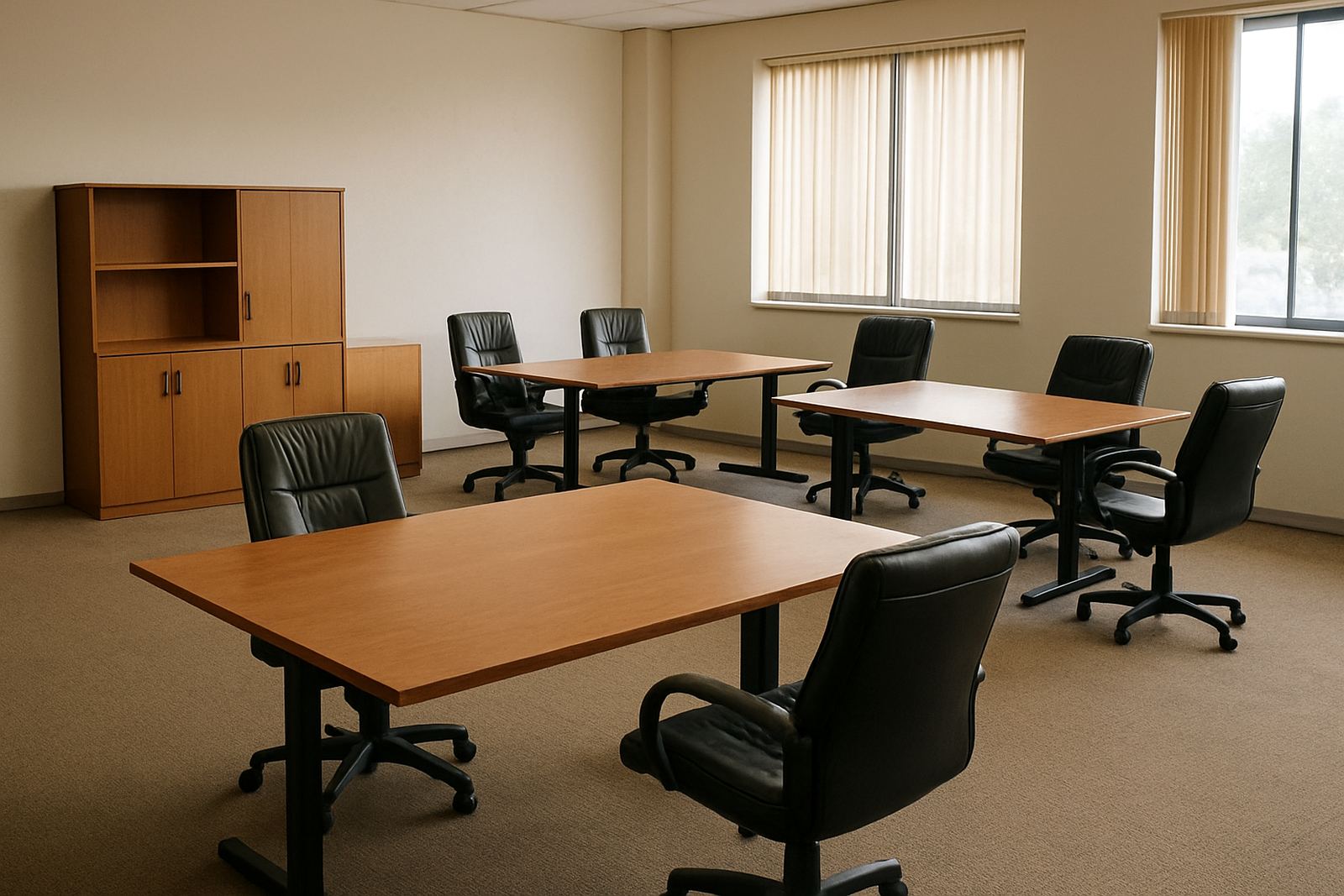
When you bid on office furniture, begin with the lot sheet and read every line. A lot that looks small in photos can include 12 visitor chairs, 4 pedestal units, a meeting table and loose fittings, while a single cabinet may be larger than expected and difficult to remove from a first floor office.
Look for measurements, item counts, condition notes and whether the lot is sold as one group or as separate pieces. If the listing says mixed office furniture, treat it as a bundle until you confirm otherwise. That matters for transport because a load of loose items can need more space than a clean stack of matching units.
- Check the number of items in the lot
- Read the dimensions where they are given
- Confirm if the lot is sold individually or as a batch
- Ask whether keys, fittings and fixings are included
- Note if the items must be dismantled before collection
Inspect wear that affects daily use
Office furniture can still hold value with scuffs and faded fabric, but there is a difference between normal wear and items that will cost too much to repair. Pay close attention to broken chair arms, missing castors, warped tops, swollen chipboard from damp, and drawers that do not slide properly. In coastal towns such as Durban and Cape Town, humidity can affect laminates and steel over time, so rust spots and swelling should not be ignored.
If you are buying for a working office in Johannesburg, Pretoria or Germiston, think about appearance and function. A boardroom table with surface scratches may be fine, but an unstable base or water damage can make it unusable. For used filing cabinets, check whether doors close squarely and whether locks are still working.
- Seat foam should not be collapsed beyond use
- Metal frames should be straight and free of heavy rust
- Cabinet doors should open and close properly
- Table tops should not be bubbling, cracked or lifting at the edges
- Check for mould, smoke damage and strong odours
Work out your space before you bid
It is easy to win a lot and then find the office can not fit it. Measure the rooms, passageways, lifts and doorways before auction day. If you are replacing a whole floor of furniture, mark where the new items will go and whether you need extra storage for old stock or removed pieces. This is especially useful for businesses in busy areas like Isando, Alberton and Johannesburg East where collection windows can be tight.
For larger lots, sketch the layout on paper or use a simple room plan. Leave space for cable trays, printers, pedestals and movement around counters. In open plan spaces, remember that a neat row of workstations can still fail if the meeting room chairs do not stack or if the cupboard doors cannot open fully.
- Measure doors, lifts and stairwells
- Check ceiling height for tall cabinets or screens
- Confirm the floor can take the weight of heavy units
- Plan where old furniture will be stacked during the changeover
- Allow room for box packing and wrapping material
Set a bid limit that includes removal costs
Your bid should never be based on the hammer price only. Add collection, labour, wrapping materials, transport, possible storage and any repairs you expect to make. A cheap lot can become expensive if it needs two extra men, a truck with a lift gate or a second trip because the load was bigger than expected.
For buyers collecting from Germiston, Pretoria, Durban, Cape Town or Bloemfontein, it helps to get your transport arranged early. Office furniture is often bulky but not very dense, so a full truck can run out of floor space before it reaches weight limits. If you are buying across multiple sites, keep the moving order clear so no items are left behind, that happens more often than people admit.
- Include the auction fee in your budget
- Price in transport from the viewing yard or site
- Add labour for loading and offloading
- Allow for packaging, blankets and straps
- Keep a small repair allowance for handles, locks or castors
Use the viewing to catch problems early
A proper viewing gives you the chance to test the furniture instead of guessing from photos. Sit in the chairs, pull out the drawers, open cabinets and look underneath meeting tables. If the lot contains multiple counters or workstation units, compare the condition across the batch because one good item can hide three poor ones.
When you view office assets at Germiston Viewing Yard, Johannesburg East Viewings, Pretoria Viewing Point, Durban Viewing Point, Cape Town Viewings, Bloemfontein Viewings, Isando Viewing Point or Alberton Viewing Point, bring a small checklist and take notes. The important thing is not to rush. A ten minute inspection can save you a costly mistake later on.
- Test drawers, hinges and locks
- Check whether chairs are stable and level
- Look for hidden damage on undersides and back panels
- Ask if any pieces were stored in damp or dusty conditions
- Confirm whether the lot includes all visible accessories
Plan collection so the move runs in one trip
Once you have won the lot, collection should be handled like a small office move. Send a team with the right tools: blankets, straps, trolleys, screwdrivers, a drill and packing wrap. If the furniture must go through narrow corridors or up stairs, plan the manpower carefully and do not assume the building manager will help. Some sites only allow access during fixed hours, so municipal or building rules can affect timing more than expected.
For multi-site dispersals, label items before loading and keep matching parts together. A chair base, arms and gas lift should travel with the seat and not end up separated on the truck. Keep the paperwork in order too, especially if you are collecting from a business park with gate control or from an office block with limited loading bays.
- Confirm the collection slot before the truck leaves
- Bring enough labour for stairs and lifting
- Use blankets to protect laminates and glass
- Label parts from the same workstation together
- Check access rules for loading bays, lift use and parking
Know when office furniture is worth bidding on
Not every lot is a bargain and not every item suits every business. Good office furniture is usually worth bidding on when the frames are solid, the surfaces are sound and the collection cost stays sensible. It can be a strong option for start ups, satellite offices, call centres and companies replacing damaged stock after a move or reorganisation.
If you are unsure, compare the lot against the cost of buying new and ask what work the items will need before use. A few chips and scuffs are normal, but heavy water damage, broken structures or missing parts can turn a cheap purchase into wasted spend. Bid with a clear plan and not on impulse, because office furniture is only a saving when it can actually be used.