Start With the Lot Listing and Photo Set
Before you place a bid, read the lot notes line by line and go through every photo. On racking lots, the listing should tell you the bay count, upright height, beam length, deck type if any, and whether the lot is mixed with pallet racking, shelving, cantilever, or loose parts. If the photos show a mixed yard pile, treat the lot as unverified until you have counted the visible pieces yourself.
Look for labels on the uprights and beams, pallet support bars, base plates, braces, wire mesh decks, and any bolts or clips that may be included. A lot can appear large but still be short on beams or braces, which changes what you can build once it reaches Germiston, Durban or Cape Town. If the seller provides a schedule, compare it to the images and make a note of anything that does not match, even if it is only one or two items.
Count Every Main Component Before You Bid
The safest way to value used racking is by component count, not by eye. Count uprights, beams, braces, connectors, anchors, feet, safety pins, decking, and any accessories that support load capacity. If the lot includes multiple bays, work bay by bay and write down the total for each part, rather than trying to estimate from the whole stack.
- Count upright frames separately from loose upright frames in the same lot.
- Count beams by length and profile, not only by colour or finish.
- Check that every beam pair has the correct clips or locking hardware.
- Count braces and compare them to the number of frames shown.
- Separate usable items from bent, corroded, or missing parts.
For business parks in Johannesburg East or Isando, a partial lot may still be useful for spares. For a warehouse in Pretoria or Bloemfontein, a shortfall in beams can mean the layout has to be changed. That is where exact counts matter most and guesswork can cost money.
Measure Sizes the Right Way
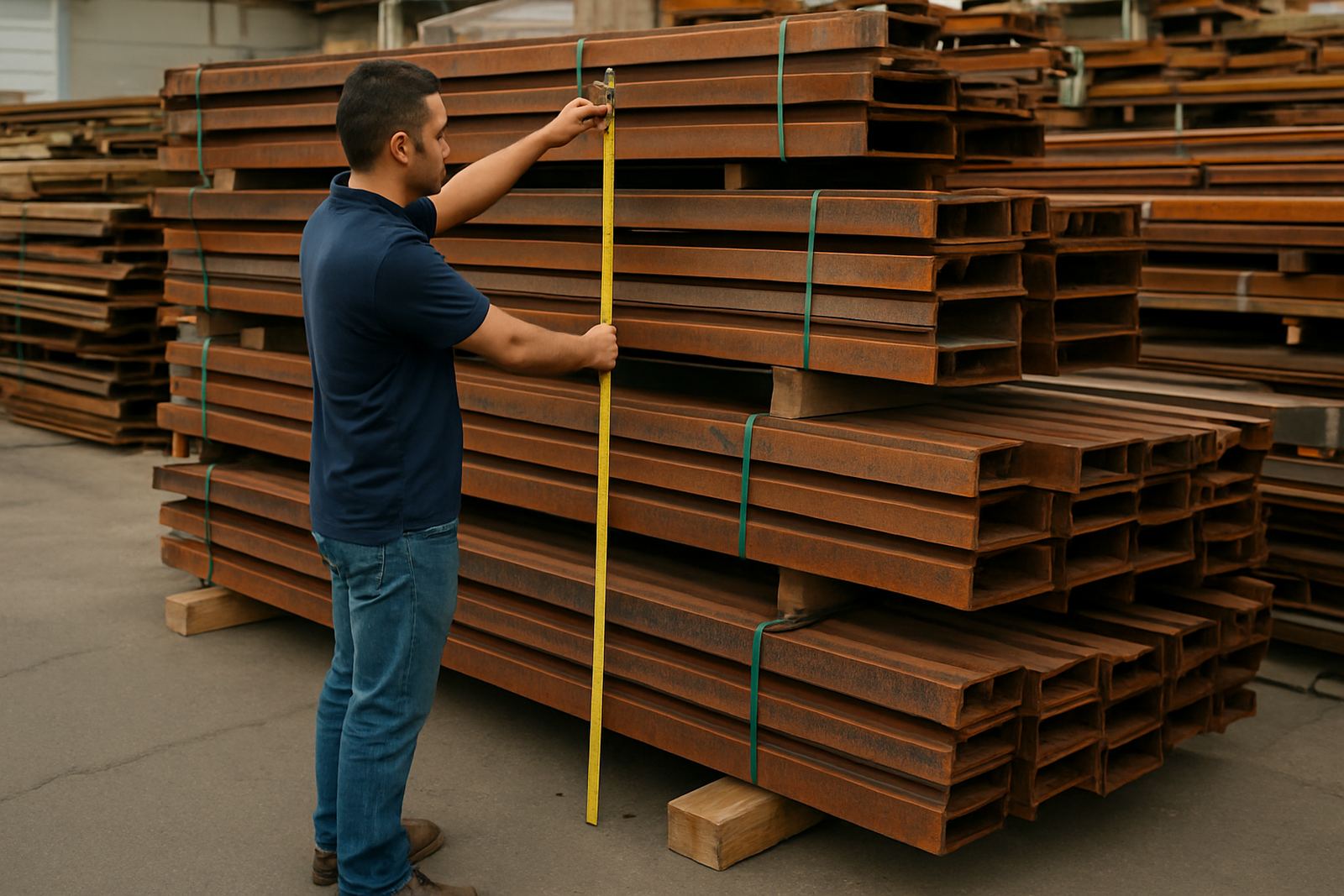
Used racking often has a few different sizes in one sale, so measure every key part. Confirm the frame height, frame depth, beam length, beam lip depth, and the distance between upright holes if the pattern is visible. Measure in millimetres and metres, not rough steps or arm spans. A difference of 50 mm can affect fit, especially when you are matching existing systems in a tight facility.
Check the usable pallet opening height too. Buyers sometimes focus only on the overall height, but if the beam level spacing is too low, the pallets wont clear. In coastal areas like Durban and Cape Town, also check for surface rust, salt staining, and swelling on timber decking or chipboard panels. Those signs do not always mean the lot is unusable, but they do affect cleaning, repainting, and long-term storage.
Match the Lot to the Space You Actually Have
Once you know what is in the lot, compare it to your floor plan. Measure the available length, aisle width, ceiling height, door openings, and turning space for forklifts or pallet jacks. A racking lot that looks ideal on paper can still fail if the bay spacing does not suit your building or if the upright height is too tall for your loading door.
- Check floor level and slab condition before you commit to heavy rack installation.
- Allow for anchor spacing and safe aisle widths.
- Confirm that the truck or interlink can access the site for collection and delivery.
- Factor in load-shedding if your warehouse depends on powered handling equipment.
- Consider municipal rules or site controls for collection times, especially in busy industrial areas.
If the lot is for multi-site dispersal, split it into zones and count each zone on its own. That helps when you are moving stock between Gauteng, KwaZulu-Natal and the Western Cape, or clearing a yard in stages. It also makes it easier to arrange collection in the right order.
Check Condition, Not Only Quantity
Numbers alone do not tell the full story. Inspect each frame for bends, cracked welds, stripped holes, missing foot plates, and signs of impact from forklifts. On beams, check for twists, dents at the hook ends, and damage where the beam locks into the upright. If the decking is included, look for broken mesh, sagging boards, rusted supports, or missing retainers.
Surface rust is common on used steel, especially in coastal storage yards and older depots. Light rust can be manageable, but deep corrosion around the base plates or beam hooks should be taken seriously. If the lot has been outside for a long time, ask whether the components were stored on level ground and whether any parts were stacked with care. Poor stacking can make straight pieces look serviceable when they are not.
Use a Simple Check Before You Place a Bid
A quick pre-bid checklist keeps your risk down and helps you compare lots fairly. Use the same routine for every auction lot so you are not caught out by missing parts or odd sizes. If you cannot confirm a detail, price the lot as if that item is missing and decide whether it still works for your site.
- Read the lot description and note every stated size.
- Count each visible component from the photos.
- Check for missing beams, braces, clips, and anchors.
- Measure the main sizes in millimetres where possible.
- Assess rust, bends, and damaged connection points.
- Compare the lot to your warehouse space and handling equipment.
- Decide whether collection, transport, and reinstallation are practical.
If you are buying for a resale project, keep a margin for cleaning, repairs, and replacement fittings. If you are buying for your own site, be conservative. Used racking should fit the job as it stands, not only after a long repair list.