Start with the frame, body and hour reading
Before you look at the working parts, walk around the machine and check the frame, covers and mounting points. Look for dents, cracked panels, missing screws, rust around welds and signs of hard impacts on corners and footplates. On machines that have worked in dusty yards, warehouses or around coastal humidity, surface corrosion can move quickly, so check underneath as well as the outer shell.
Compare the hour reading with the general wear. A low hour count means little if the machine has loose hinges, worn tyres or a battered tank. On the other hand, a higher hour machine can still be a fair buy if it has been maintained properly and the brushes, pumps and electrics are in decent shape. Ask where it was used and whether it had regular service checks.
- Check for cracks in the frame and body panels
- Look under the machine for leaks, caked dirt and bent parts
- Match the hour reading with wear on pedals, handles and controls
- Note missing guards, covers and fasteners
Inspect brushes, squeegees and cleaning edges
The cleaning performance of a scrubber or sweeper depends heavily on the moving contact parts. Inspect main brushes, side brushes, pads, squeegees and skirts for uneven wear. If the bristles are worn down on one side, the machine may have been used on rough flooring or stored badly. A squeegee with splits, curls or hardening will leave water behind and may need replacement straight away.
For sweepers, look at the hopper area and the seals around it. Dust leakage is a common sign that the machine has been working with poor sealing or damaged components. Check if the brushes spin freely by hand where possible, and see whether the brush arms sit straight. If a machine has been standing in storage for months it may still run, but the rubber parts can harden and perishing is easy to miss.
- Measure brush wear by comparing both sides
- Check squeegee blades for splits, curling and hard edges
- Inspect skirts, seals and dust collection points
- Confirm brush arms, holders and mounts are not bent
Test tanks, hoses and water flow
On scrubbers, the solution tank and recovery tank need close attention. Open the lids and check for cracks, chemical staining, bad smells and algae build-up. If the tanks are badly stained or leaking, that can point to poor cleaning after use. On older equipment, hairline cracks often show near corners, fittings and drain outlets, so take your time.
Look at hoses for splits, soft spots and loose clamps. Make sure the filters are present and not blocked. If the machine uses spray nozzles, check that they are not clogged with scale or grit. Even a small blockage can cause patchy cleaning and wasted water. Where possible, fill and test the system so you can see whether it holds pressure and drains properly, because some faults only show up under load.
- Inspect tank lids, drains and hose fittings for leaks
- Check for chemical residue and staining inside tanks
- Make sure filters, nozzles and strainers are clean
- Test filling, spraying and draining if viewing conditions allow
Check the battery, charger and electric system
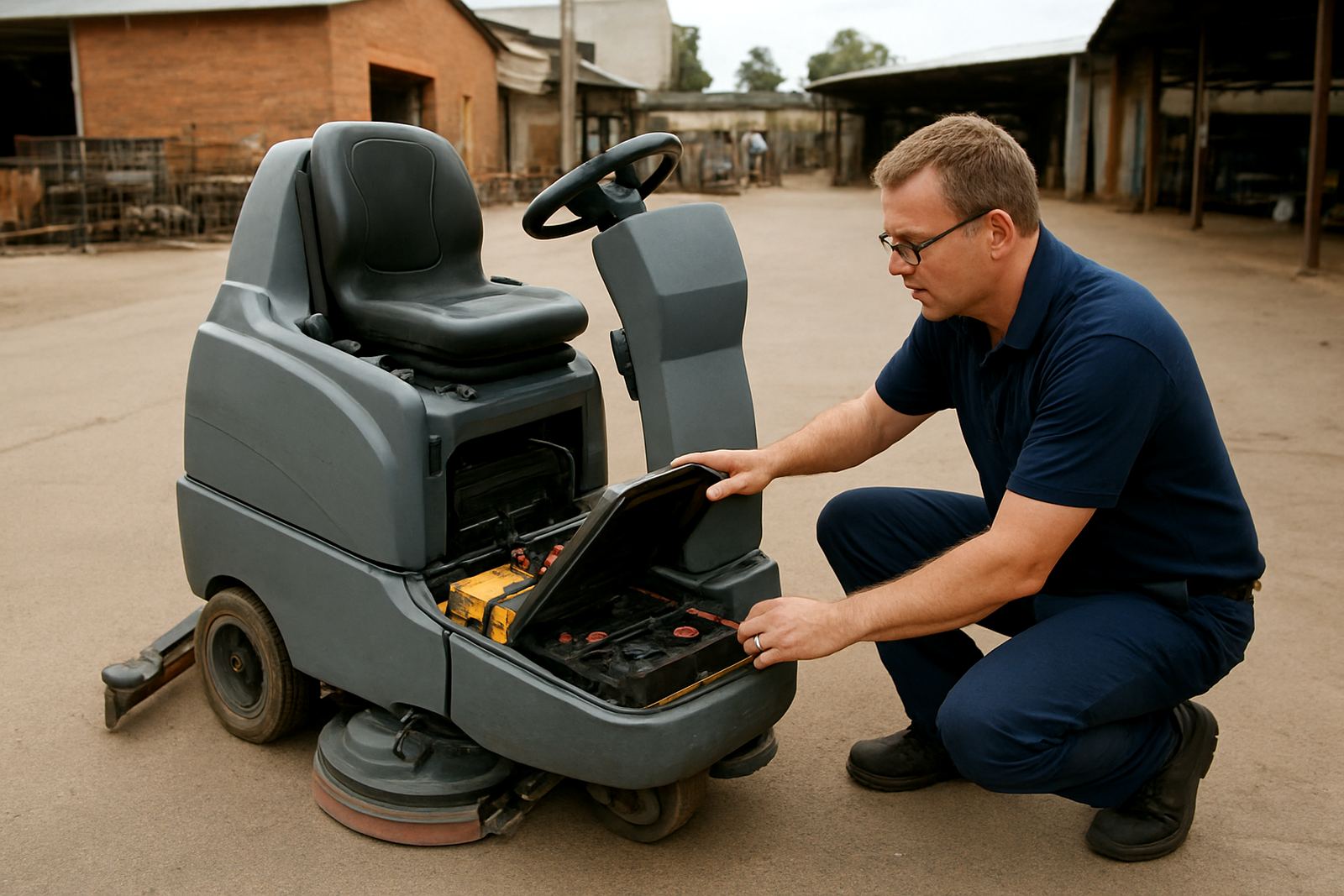
Most industrial cleaning machines rely on batteries, so this area matters a lot. Open the battery compartment and inspect cables, terminals and trays for corrosion. White powder around the terminals usually means poor maintenance or leakage. Check that the battery type matches the charger and that the charger is present. In South Africa, where load-shedding can interrupt charging routines, it is worth asking how the machine was stored between uses and whether the batteries were kept on charge correctly.
Look for cracked cable insulation, loose connectors and signs of heat on plugs or sockets. If the machine switches on, test basic functions like drive, brush action, vacuum and water flow. Listen for odd noises from motors and pumps. A machine that powers up but cuts out under pressure can still have a battery fault, even if the rest of the unit looks tidy. That sort of issue is easy to miss on a quick visit.
- Check battery age, condition and matching charger
- Inspect terminals for corrosion and loose fitment
- Test switches, motors, alarms and indicators
- Look for damaged wiring, melted plugs or heat marks
Review wheels, steering and drive components
The machine should move straight and feel controlled. Check wheels for flat spots, cracked tyres and worn bearings. On walk-behind units, test the handle and steering response. On ride-on machines, check the seat, controls, brakes and any safety switches. If the drive feels jerky or noisy, the problem may be in the motor, belt, gearbox or wheel drive assembly.
Do not ignore the simple things. Loose bolts, missing split pins and worn linkages can turn into expensive downtime later. If the machine was used on uneven floors, ramps or loading docks, check the underside for scraping and impact damage. A unit that has spent time in a busy factory or logistics yard may look decent but still have a tired drive train.
- Check tyre condition, wheel play and bearing noise
- Test steering, brakes and drive response
- Inspect belts, chains, couplings and linkages
- Look for scrape marks under the chassis
Use a simple checklist before you bid or list
Whether you are buying or selling, a short checklist keeps the process honest and speeds things up. Record the make, model, serial number, hour reading and any missing parts. Take clear photos of the machine from all sides, plus close-ups of the tank, brush area, battery bay and control panel. If there are faults, list them plainly. Buyers appreciate that, and sellers avoid problems later.
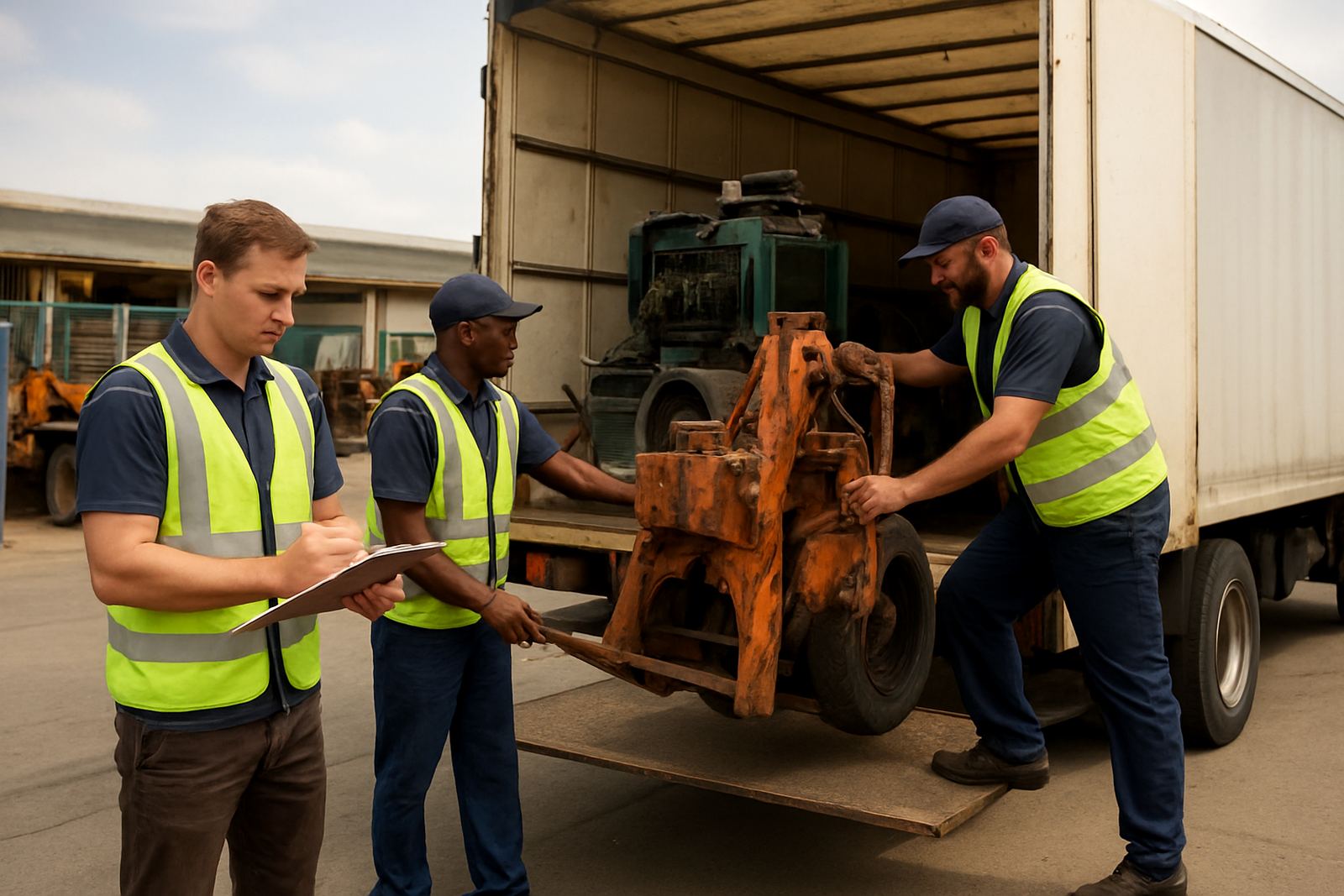
Check whether the machine was tested with water, whether it starts from cold, and whether it can be moved safely onto a trailer or truck. For auction lots, clear notes on condition and working status help the right buyers come through. If the machine came from a warehouse, retail site, workshop or municipality, mention the environment too, since that often tells a buyer what wear to expect.
- Record serial numbers, hour readings and service notes
- Photograph faults and missing items clearly
- State whether the machine was tested and how
- Note collection needs, access limits and transport issues
When to call for a closer valuation
If the machine has multiple faults, missing parts or signs of water damage, it may need a more detailed appraisal before it goes to auction. That is especially useful when you are dealing with several units from one site, or when the equipment must be moved from Germiston, Johannesburg East, Pretoria, Durban, Cape Town or Bloemfontein. A proper valuation helps set a realistic reserve price and avoids wasted time on units that are better sold for parts.
For sellers, clear inspection notes support lot cataloguing, photo listings and viewing arrangements. For buyers, they make it easier to compare machines and decide what repair cost to budget for. A fair inspection does not have to be complicated, but it should be thorough. A missing hose or tired battery can change the value by a fair bit, so check the small things carefully.