Client Brief From Jet Park
The client was a transport support operation in Jet Park, Boksburg, clearing space after a change in fleet planning and a workshop restructure. The brief was to sell mixed assets without letting the stronger items carry the weaker stock, and to keep the process simple for buyers who needed quick decisions and practical loading access.
The asset mix included light delivery vehicles, workshop equipment and boxed spares, so the auction had to speak to more than one type of buyer. We also had to work around an active yard, limited parking, and the normal pressure that comes with keeping a business moving while an asset sale is running.
Because the site was in a busy industrial pocket close to major routes, collection planning mattered as much as the listing itself. We set the sale up so bidders could review details online, arrange a viewing slot and then collect without holding up the rest of the operation.
What Had To Be Sold
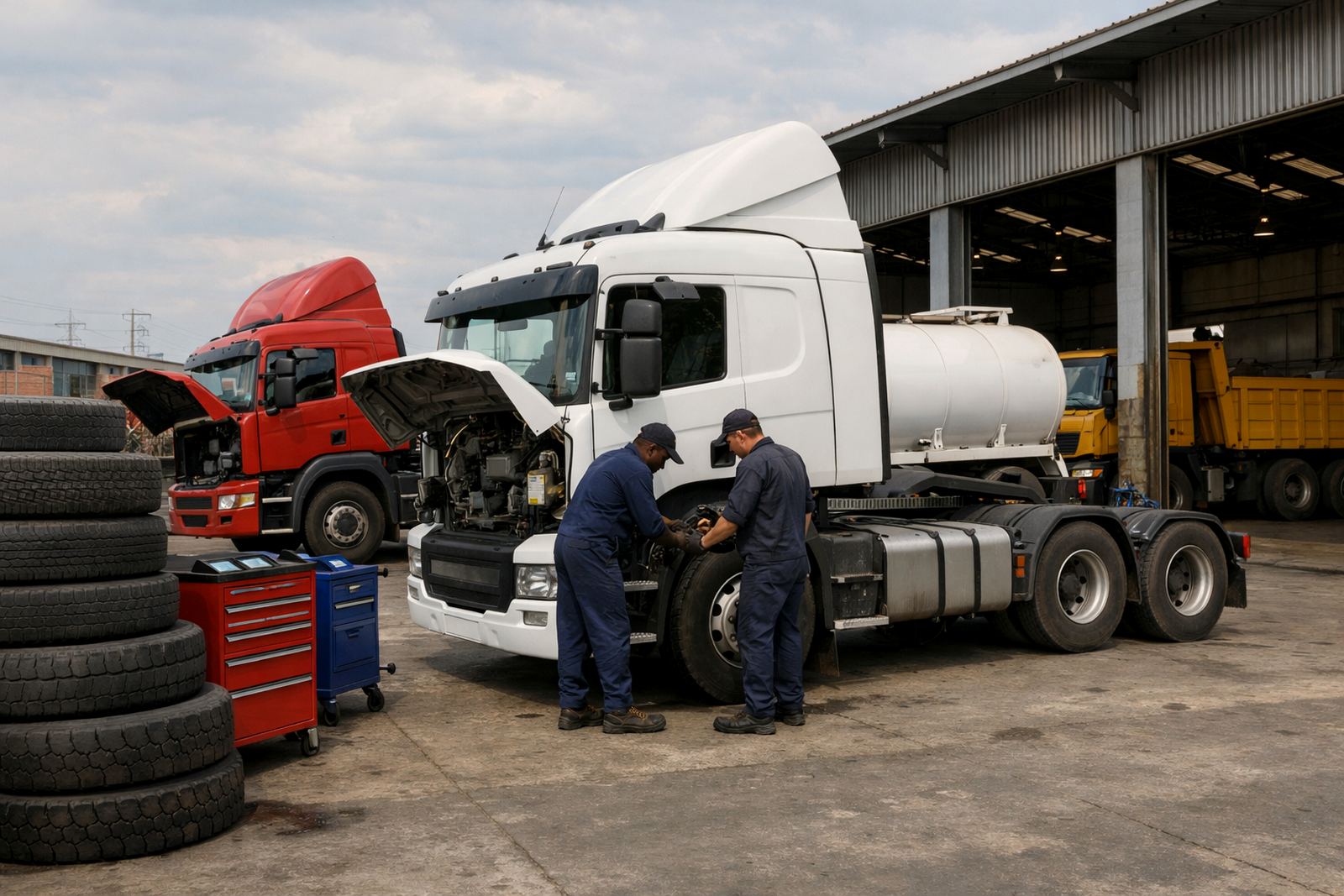
The sale included usable fleet and support stock that had different resale values and different buyer groups. The vehicles were suited to short-haul and courier type work, while the workshop side appealed to mechanics, small operators and buyers looking for parts to keep other units going.
- 4 light delivery vehicles, including panel van and bakkie type units
- 1 small flatbed work vehicle with canopy fitment
- Workshop tools, jacks, compressors and hand tools
- Spare parts stock, filters, belts, hoses and sealed service items
- Racking, storage bins and workshop consumables
Some items were in good running condition, while others were sold as parts or refurbishment stock. That mix needed clear lot grouping so bidders knew exactly what they were looking at, and so no time was lost answering the same questions over and over.
How We Structured The Auction
We started with a site walk and then split the assets into logical lots instead of forcing everything into one lump sale. The vehicles were listed individually where possible, and smaller stock was grouped by use and condition. That gave the auction better reach and made pricing easier for bidders to judge.
Our team handled asset appraisals, lot cataloguing and reserve price guidance. We photographed each item in practical lighting, marked visible condition notes and recorded the information buyers needed before they could bid. For a yard like this, where dusty parts and mixed storage can make things look worse than they are, presentation had to be honest and tidy.
- Inventory capture and lot numbering on site
- Condition notes for vehicles, tools and stock
- Reserve guidance based on resale demand
- Timed online auction setup for national reach
The online format helped bring in buyers from outside Gauteng too, which is important when a local yard only has a limited number of ready bidders. We kept the bidding window long enough for proper interest, but not so long that the stock sat around dragging out the process.
Viewing, Bidding And Buyer Support
Viewings were managed on a controlled schedule so the client could keep working while buyers came through. We handled enquiries, explained lot conditions and made sure bidders understood what was included and what was not. That reduced confusion and cut down on last minute disputes after the hammer fell.
In a sale like this, support during the bidding stage is just as important as the listing itself. Buyers often want to know whether a van starts, whether a compressor has been tested, or whether spare stock is complete. We answered those questions up front and made the notes visible on the lot pages so they were not left guessing.
- Managed yard viewings at set times
- Answered buyer queries through the enquiry form
- Explained collection terms before bidding opened
- Kept communication tight for out of town buyers
We also prepared the seller for the practical side of the process. That included making sure the team knew which assets had to stay on site until payment cleared, and which items could be released once the buyer had completed the paperwork.
Timeline And Site Constraints
The full project ran over 4 weeks from first inspection to final collection coordination. Week 1 covered the site visit, inventory capture and valuation work. Week 2 was used for photography, lot build and auction preparation. Week 3 ran the live bidding period and buyer follow-up. Week 4 covered payment clearance and collection scheduling.
Jet Park brings its own constraints. Access times can be tight, yard space is limited and transport traffic means a blocked gate can become a real problem fast. Add load shedding to that and you need a plan for phone charging, camera work and admin without interruptions. We kept the process moving by sequencing the work in stages and not trying to do everything at once.
The sale also had to fit around normal industrial activity, so the team kept walk paths clear and made sure the viewing areas stayed safe. A messy yard can cost money if buyers cannot inspect properly, and that was something we were careful not to let happen.
Results And What We Learned
The auction achieved strong interest across the fleet items and useful traction on the smaller support stock. Buyers came from Gauteng, KwaZulu-Natal and the Western Cape, which helped lift competition on the better lots and improved the final outcome for the seller.
The vehicle lots drew the most attention, while the workshop tools and service stock moved faster once buyers saw the photos and understood the quantities. The result was a cleaner clearance of mixed assets than a straight private sale would likely have delivered, and the seller got space back without having to manage dozens of separate transactions.
- National buyer reach improved bidding pressure
- Clear lot grouping made mixed stock easier to sell
- Controlled collection reduced yard disruption
- Good photography helped with trust and faster decisions
If we were to repeat this type of project, we would keep the same structure: early inventory capture, plain condition notes, and collection slots that are matched to vehicle size. We would also keep reserve guidance practical, because overpricing mixed stock is one of the fastest ways to lose momentum.
What We Would Repeat On The Next Fleet Sale
The strongest part of this project was the balance between detail and speed. The client needed a sale that respected the business, handled the assets properly and still moved quickly enough to free up space. That is exactly how we would approach the next fleet disposal in Germiston, Jet Park, Isando or anywhere else where transport gear and workshop stock need to be sold together.
We would again start with the vehicle lots, then build out the smaller items around them so the auction has a clear centre of gravity. That method works well when the yard holds a mix of operating stock, spare parts and equipment with different conditions. It keeps the process practical and gives buyers confidence that they are bidding on something that has been properly described.
For sellers facing a similar clear-out, the key is to treat the auction like an operational job, not a storage clean-up. The better the lot build and collection planning, the smoother the sale. That was the lesson from Jet Park and it held up well from start to finish.
Key facts
| Project | Jet Park Fleet Sale |
|---|---|
| Location | Jet Park, Boksburg, Gauteng |
| Timeline | 4 weeks from inspection to final collection |
| Asset mix | 4 delivery vehicles, workshop tools and spare parts stock |
| Auction type | Timed online auction with scheduled viewings |
| Service scope | Appraisal, cataloguing, photography, bidding support and collection coordination |