
Kempton Park coldroom asset sale brief
The client was a logistics support business in Kempton Park, operating from a busy industrial yard with time pressure on the handover date. The brief was straightforward but tight: turn a mixed coldroom installation into saleable lots, protect asset value, and move the stock without disrupting the rest of the site. It was a practical job with refigerated assets, electrical components and steel fittings all on one schedule.
Because the site sat close to main freight routes and had active vehicle movement, we had to plan viewings carefully and keep access controlled. The client also needed clarity on what could be sold as complete units and what should be split into separate lots to widen the bidder pool. In this kind of project, the difference between a strong result and a weak one is often in the detail of the lotting and the photos.
What we found on site
The coldroom package included a mix of reusable and serviceable items, with some components still mounted and others already isolated for removal. We assessed what could be listed with confidence, what needed reserve guidance, and what should be grouped by function rather than by location. The condition of the equipment mattered, but so did the way it was presented. Buyers want to see sizes, access points, power requirements and whether items are complete.
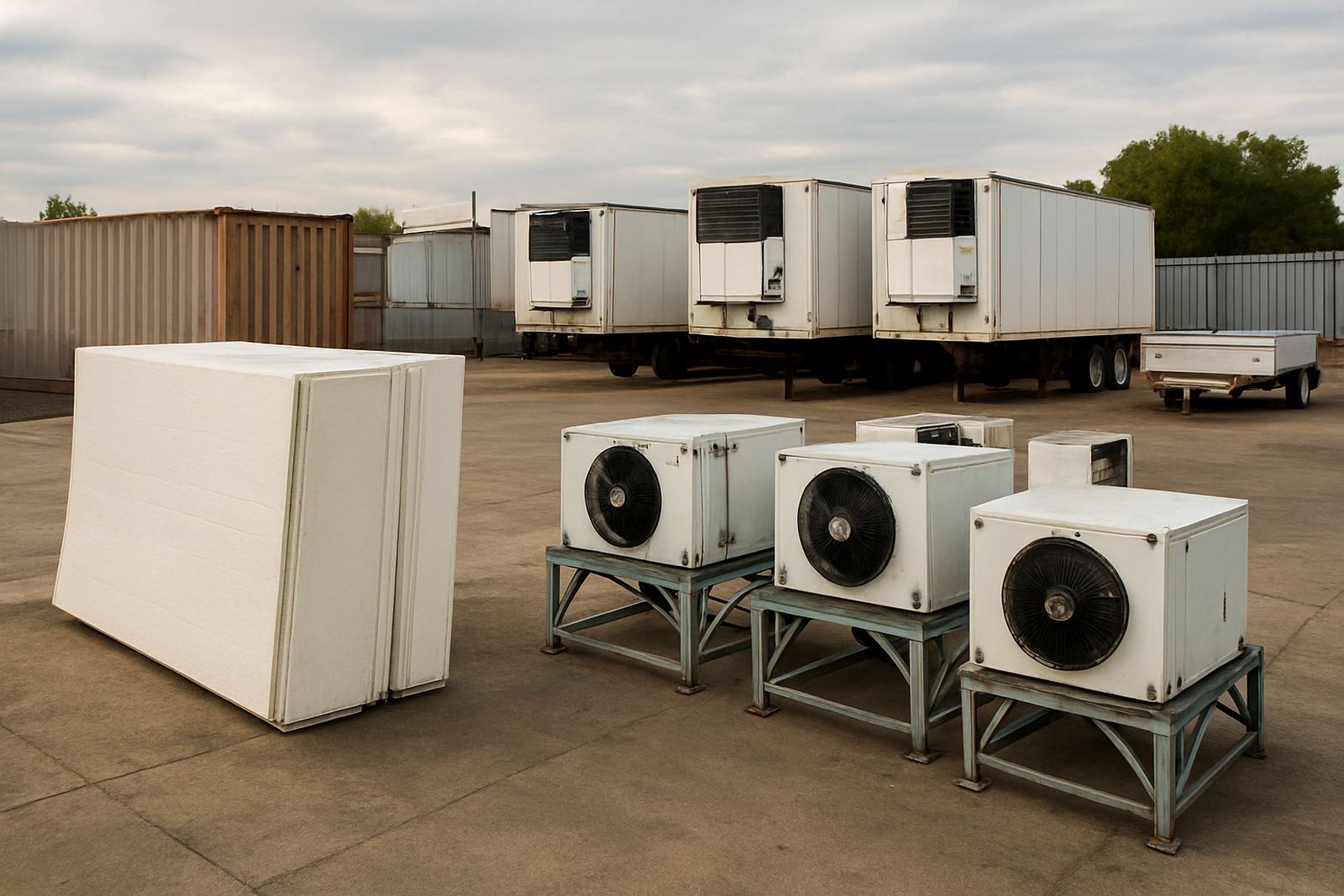
- Insulated coldroom panels in mixed lengths, mostly 2.4 m and 3.0 m sections
- Refrigerated plant items, including condensers, evaporators and controls
- Heavy-duty shelving, rails and support steel
- Electrical panels, cabling and ancillary fittings
- Door sets, seals and hardware for temperature-controlled rooms
We also checked for signs of corrosion, missing fixings and any damage that might affect dismantling. Kempton Park can be hard on metal stock when a site is exposed to dust and temperature swings, so buyers needed honest detail before bidding.
How BidThis handled the auction preparation
Our team handled the full preparation flow over two weeks. First came the asset appraisal and reserve price guidance, then the lot catalogue, photography and auction set-up. The site was visited in a way that avoided disruption to loading activity, and the viewing windows were arranged so buyers could inspect the equipment safely. We kept the lots clear and practical, which helped bidders understand what they were buying and reduced back-and-forth during the sale.
The cataloguing stage was especially important because coldroom assets can be tricky for buyers who do not see the original installation. We listed dimensions, visible condition, access notes and collection requirements. That gave buyers enough detail to factor in dismantling, transport and labour costs before they placed bids. It also made the results easier to manage for the seller, since there was less confusion at payment and collection.
- Week 1: site assessment, asset appraisal and lot planning
- Week 2: photography, catalogue upload, viewing management and auction launch
- Auction live: timed bidding and buyer support through to close
- Post-sale: payment clearance and collection coordination
Buyer interest and bidding response
The sale drew interest from buyers in Johannesburg, Pretoria, Durban, Cape Town and Bloemfontein, with several looking for coldroom parts for warehousing, food distribution and general refrigeration maintenance. The timed format worked well because buyers could track the lots over several hours and make final offers near closing. There was strong activity on the panels, plant items and complete door sets, with smaller fittings also finding buyers who needed them for repairs or expansion work.
One of the reasons the project performed well was that the asset mix suited more than one type of buyer. Some were looking for complete re-use, while others wanted spare parts and salvage value. By separating the lots properly, we created more entry points for the market instead of forcing everything into one bundle. That kind of structure usually leads to better participation and cleaner outcomes.
- Broader buyer reach across major metro areas
- Better price discovery on complete and partial lots
- Stronger interest from maintenance contractors and traders
- Cleaner closeout for the seller because each lot had a clear buyer
Collection, payment and site closeout
Once the auction closed, we moved into payment clearance and collection coordination. The seller needed the yard cleared in line with their operational schedule, so we worked around vehicle access and the removal sequence. Buyers were given practical collection instructions, including what tools and labour they would need for dismantling, lifting and loading. In a coldroom sale, that step matters as much as the bidding itself because the buyer still has to get the gear off site safely.
The collection phase went through without unnecessary delays because the lots had been described clearly from the start. Buyers knew which items were heavy, which components needed strip-out work, and where access could be tight. That reduced disputes and kept the process moving. For the client, the result was a cleaner yard and a quicker handover than they had expected at the beginning of the project.
What we would repeat on the next coldroom disposal
If we were handling the same kind of disposal again, we would use the same approach: firm lotting, honest condition notes and tight viewing control. We would also keep a close eye on dismantling risk, because coldroom jobs can turn expensive if buyers underestimate labour or transport. The best results come when the auction is planned around real collection conditions, not just around what looks good in photos.
For Kempton Park and other industrial areas around Gauteng, this format is a good fit for surplus refrigeration assets, warehouse fit-outs and plant room clearances. It gives sellers a structured way to release value from equipment they no longer need, while giving buyers a fair chance to bid on usable stock. That is the part we would keep doing, because it works in the market and it keeps the process straight forward.
Key facts
| Project location | Kempton Park, Gauteng |
|---|---|
| Client type | Logistics support site |
| Asset category | Coldroom components and refrigerated assets |
| Auction format | Timed online auction |
| Project timeline | 2 weeks from appraisal to launch |
| Key outcome | Assets sold and collections coordinated to site schedule |