The brief from a Bloemfontein farming operation
The client was a mixed farming and contracting business on the edge of Bloemfontein with surplus plant and irrigation stock left over after a change in crop planning and a yard reorganisation. The main brief was simple: convert idle equipment into cash, sell to serious regional buyers, and keep the process tidy enough for staff to keep working while the auction was live.
The sale included agricultural machinery, irrigation components and a few general business assets. We were asked to present each lot clearly, guide reserve pricing, and make sure buyers from Bloemfontein, Bultfontein, Bethlehem and the wider Free State could inspect items without disrupting the farm’s daily work. Timing mattered because the yard could not afford long downtime during planting prep and loading days were already tight.
From the first discussion, the client wanted a process that felt fair and practical. They did not want vague descriptions or noisy sales talk, just clear lot details, accurate condition notes, and a clean handover after payment clearance.
What had to be managed before the auction went live
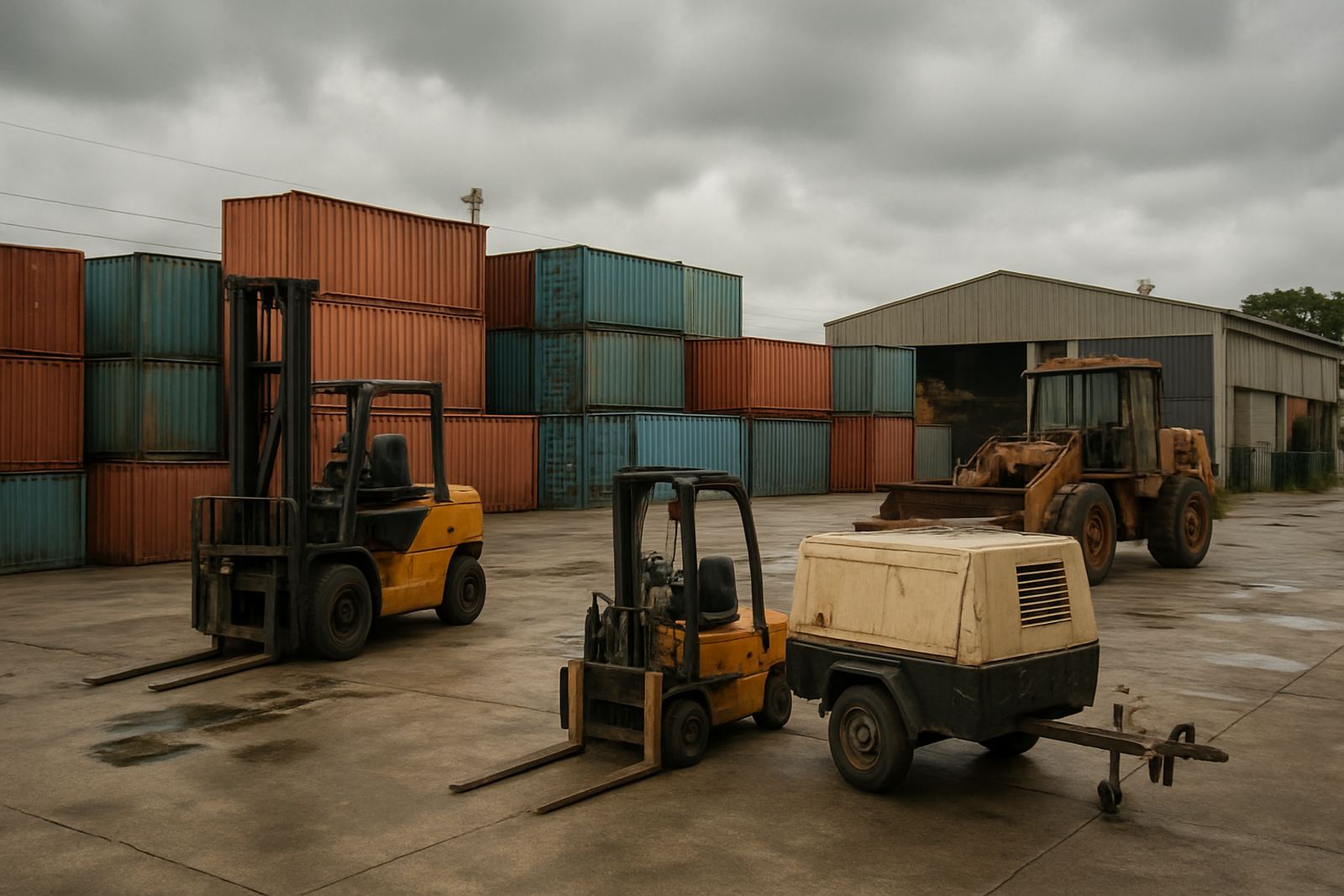
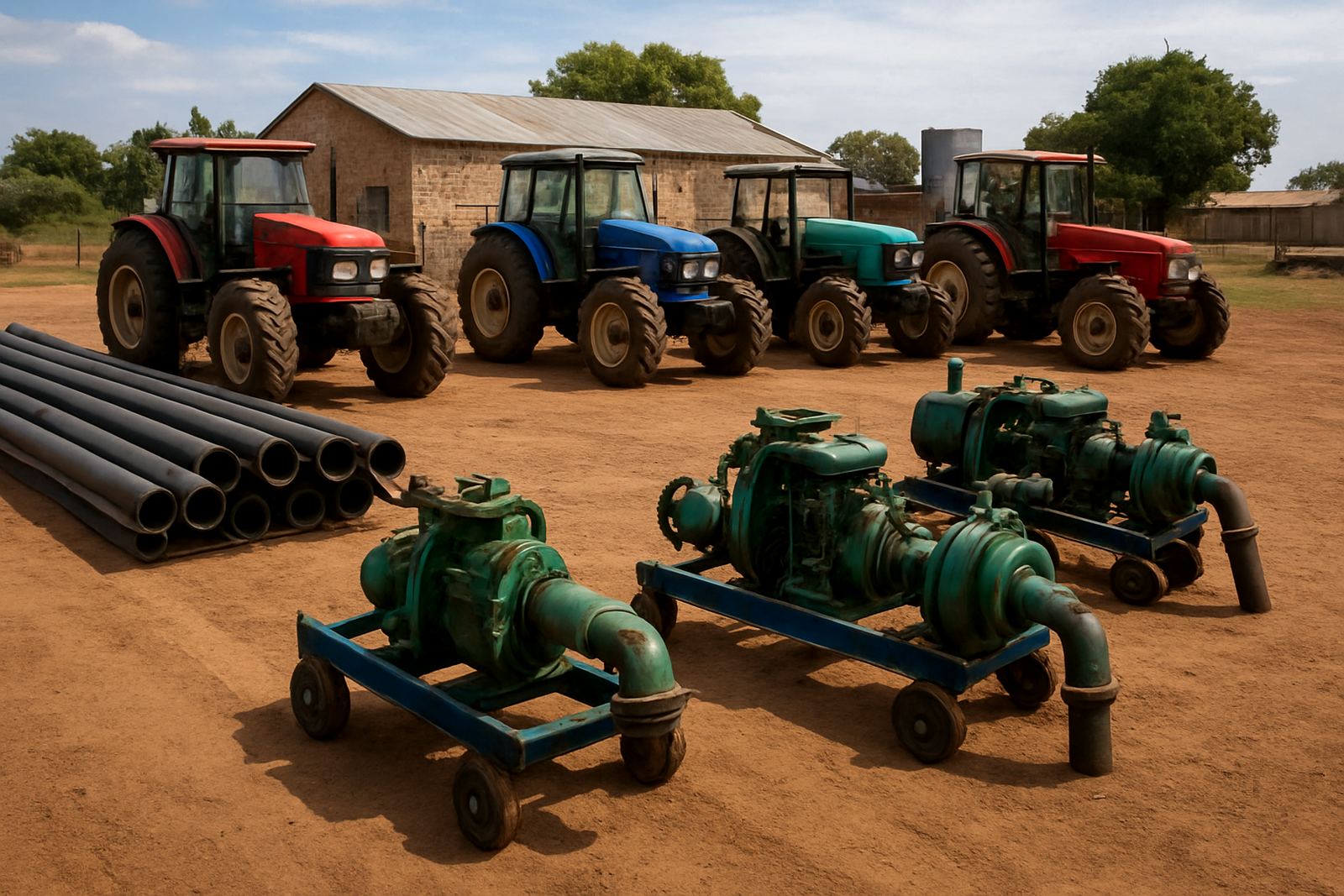
The main constraint was access. The yard had tractors, trailers, pumps and irrigation pipe stacked close together, so we had to plan the viewing route carefully and keep the work area safe for staff and visitors. The site also had the usual Free State issues we see in winter, cold mornings, dusty afternoons and power interruptions that can slow admin if the schedule is not managed well.
Because the stock was used and came from different seasons, condition varied from lot to lot. Some items were fully operational and others were sold as seen, with wear noted in the listing. We also had to separate machinery that could be driven or tested from items that needed visual inspection only. That reduced confusion and helped buyers know exactly what they were bidding on.
In addition, the client needed the sale to be national enough to attract value but local enough to keep collection realistic. We kept the auction focused on farming and contracting buyers who could collect from the region, instead of opening it up so wide that delivery questions would slow everything down.
- Limited on-site space for viewing and photography
- Mixed condition across machinery and irrigation components
- Need for local buyers who could collect quickly
- Power cuts and admin delays during a busy farm schedule
How we catalogued the machinery and water equipment
We spent the first week on asset appraisals, lot breakdown and photography. Each item was checked, measured and recorded with enough detail for buyers to compare value properly. The auction catalogue covered the essentials: make type, working condition, visible damage, missing parts and approximate dimensions where relevant.
The machinery and components included a mid-size tractor, a small implement set, diesel driven pumps, irrigation pipe sections, fittings, sprinkler heads, storage drums, a utility trailer and assorted workshop items. Several lots were split into practical groupings so smaller contractors could bid on what they actually needed instead of buying oversized bundles.
For the irrigation stock, we made sure hose diameters, pipe lengths and fitting counts were listed correctly. That matters in farming sales because one missing adaptor or the wrong coupling size can change the value of a lot fast. The same applied to the pumps, where buyers wanted engine type, outlet size and condition of starters and guards. We kept it plain and direct, no fluff, because rural buyers read listings with a practical eye.
- Asset appraisals completed before listing
- Lot cataloguing with condition notes and counts
- Auction photography from the yard and storage areas
- Reserve price guidance based on current regional demand
The timed auction and buyer support process
The auction ran over two weeks, with the first week used for catalogue preparation and buyer registration, and the second week for bidding, support and close-out. Once the sale went live, we monitored interest, answered buyer questions through the enquiry process and kept the client updated on lot performance as bids came in.
Buyer support was especially important on this project because many bidders were contractors working between sites or farmers checking in after hours. We made sure questions around lot condition, viewing times and collection procedures were handled quickly. That kept confidence high and reduced last minute uncertainty. In a sale like this, a buyer who gets a clear answer early is much more likely to stay in the bidding.
We also managed the payment clearance side carefully. That meant no release instructions went out until funds were confirmed, which protected the seller and kept collection orderly. Once payment was cleared, we coordinated access for loading and collection so the yard stayed manageable and the client could return to normal operations without a long clean-up period.
- Timed online auction with clear closing dates
- Buyer query handling during business hours and after-hours peaks
- Payment clearance before release of assets
- Collection coordination for farm trailers and truck access
Results for the seller and the regional buyer pool
The sale attracted buyers from Bloemfontein and surrounding farming areas as well as a few contracting businesses looking for used equipment at sensible prices. Demand was strongest on the pumps, pipe sections and smaller utility items, while the larger machinery drew interest from operators who needed low-cost backup plant.
Several lots achieved competitive bidding, and the client was pleased that the auction reduced dead stock without having to spend weeks handling private negotiations. The process also gave them a cleaner picture of what could be sold now and what should be kept for seasonal use. That kind of clarity is useful when a yard has been carrying surplus equipment for too long.
From a practical point of view, the result was a tidy sale with no collection chaos and no confusion over ownership. The seller got cash flow back into the business, and buyers knew they were dealing with one organised process rather than a patchwork of separate conversations.
For a regional farm sale, that is usually the real win: less time wasted, fair pricing and equipment moving into hands that can use it.
What we would repeat on the next Free State farm sale
We would use the same approach again for a Bloemfontein farm sale, especially the early lot sorting and practical reserve guidance. It worked because the client had a mix of machinery and irrigation stock, and each category needed a different selling strategy. The better the lot structure, the better the bidding.
We would also keep the viewing plan tight and the collection windows controlled. On farms and contractor yards, access can be the hardest part of the job, more than the selling itself. If visitors can view safely and collectors know when to arrive, the whole process runs cleaner and the site returns to normal faster.
For future projects in the Free State, we would keep focusing on clear descriptions, accurate counts and regional buyer targeting. That is where the value is. Not in making a sale look bigger than it is, but in making sure the right buyers understand exactly what is on offer and can act with confidence.
- Start with lot grouping before photography
- Set reserves against current local demand, not guesswork
- Plan viewing access around farm activity and loading space
- Keep release and collection steps linked to payment clearance
Key facts
| Project name | Bloemfontein Farm Sale |
|---|---|
| Client type | Mixed farming and contracting business |
| Location | Bloemfontein, Free State |
| Auction format | Timed online auction |
| Timeline | 2 weeks total |
| Key assets | Tractor, pumps, irrigation pipe, fittings, trailer and workshop items |