Fabrication workshop clearance in Pinetown
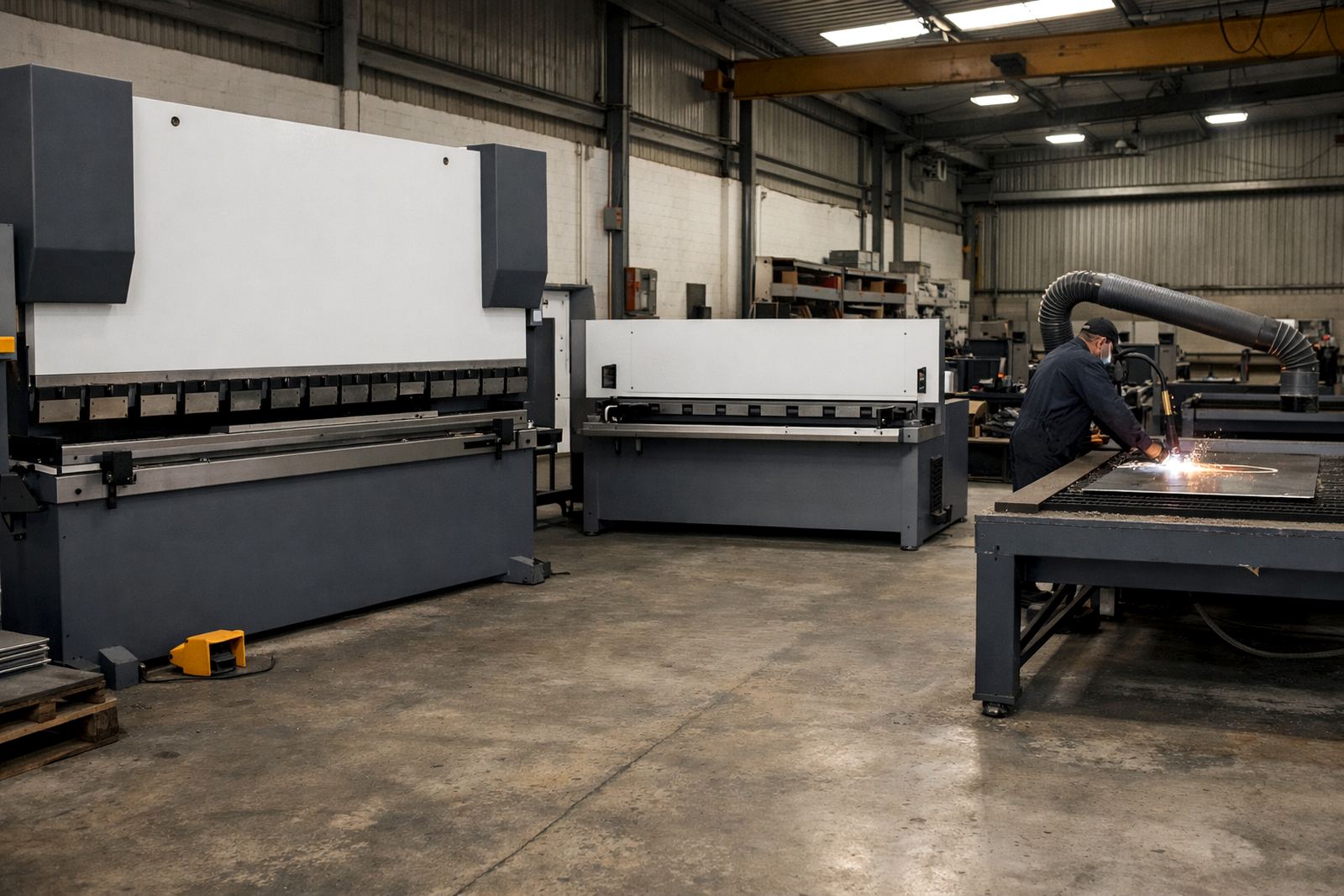
The client was a metal fabrication business in Pinetown, serving industrial customers in and around Durban, that had closed a workshop and needed to convert plant and stock into cash within a tight timetable. The mix included heavier steelwork machinery, smaller cutting equipment and a range of support items that had to be sold with proper descriptions, fair reserve guidance and practical viewing arrangements.
The brief was straightforward on paper but detailed in practice: sort the assets, separate sellable items from scrap, capture accurate specifications, and run timed online bidding without disrupting the yard. The site had limited parking, uneven access for collection trucks and the usual coastal humidity that can leave older machines looking worse than they perform, so every lot needed clear notes on condition and working status.
- Closed workshop sale in Pinetown, KwaZulu-Natal
- Buyer pool across Durban, Johannesburg, Pretoria, Cape Town and Bloemfontein
- Mixed lots of fabrication machinery, cutting tools and support equipment
- Short disposal window with staged collections after auction close
What the buyer base came for
Metalworkers, jobbing shops, recyclers and small engineering firms showed strong interest because the lot list included usable equipment that could be put back into production quickly. Buyers were not only chasing main machines, they also looked for clamps, benches, trolleys, gas gear, welding accessories and storage systems that are often missed when a workshop closes.
The Pinetown sale drew attention from buyers who understand second-hand machinery values. Some wanted direct replacement units, others wanted parts or backup machines for labour-intensive sites where load-shedding and downtime are still part of daily planning. That helped drive steady bidding across the auction rather than only on the headline items.
- Fabricators looking for spare capacity
- Start-up workshops needing lower entry-cost machinery
- Buyers replacing damaged or obsolete units
- Dealers and resellers hunting for good stock
How we packaged the assets for auction
We started with a full asset appraisal and site walk-through so the auction plan matched the real condition of the workshop. Heavy items were checked for nameplate details, drive type, bed size, power requirements and obvious wear. Smaller items were grouped into logical lots to avoid clutter and keep the catalogue usable for buyers who wanted to compare options quickly.
Photography was done on site with close-ups of controls, cutting heads, rollers, vises, motor plates and any marks that would affect value. We also captured the practical stuff buyers ask about, such as whether the machine was three-phase, what floor space it needed, and how it would be lifted out. That level of detail reduced back-and-forth during the auction and kept the process moving.
- Lot catalogue built around machine type and buyer use-case
- Condition notes added for wear, missing parts and service needs
- Reserve price guidance set to protect the seller without choking demand
- Viewing times managed so buyers could inspect safely and on time
Auction timeline and working constraints
The full project ran over three weeks from first site inspection to final collection planning. Week one covered asset appraisal, sorting and catalogue prep. Week two was dedicated to photography, lot finalisation and auction setup. Week three covered the live timed auction, buyer queries, payment clearance and release of sold assets. The pace had to suit both the seller and buyers who were juggling production schedules and transport bookings.
There were a few real-world constraints. The yard had limited cover, so weather windows mattered. Some machines were heavy enough to need rigging or a proper forklift booked in advance. Access roads in the area also meant collection timing had to be planned carefully to avoid congestion. We kept communication tight and practical, which made the handover smoother than many yard sales we see.
- Week 1: appraisal, sorting and reserve guidance
- Week 2: photography, lot finalisation and auction launch
- Week 3: live bidding, settlement and collection coordination
Results that made the sale worthwhile
The auction gave the seller a structured exit instead of a rushed private-sale scramble. Competitive bidding pushed several lots above the opening expectation and the workshop cleared in stages without holding up the site. Buyers got access to machinery they could inspect in person, and the seller received proper buyer records, payment control and collection scheduling rather than dealing with one-off sales all over the place.
For this type of sale, the real result is not only the Rand figure. It is also the reduction in admin, the cleaner yard handover and the fact that machines go to people who actually need them. In a market where industrial buyers compare condition, transport and power demand carefully, that certainty matters.
- Strong buyer turnout from KwaZulu-Natal and other provinces
- Multiple lots received competitive bid activity
- Clear payment and release process after auction close
- Workshop space freed for handover and cleanup
Why this format worked for used machinery
Timed online auctions work well for fabrication assets because buyers can see the full lot list in one place and decide quickly what is worth a trip. Instead of waiting for piecemeal offers, the seller gets a fixed close date and a proper bidding process. That also suits businesses closing or resizing after a contract loss, changing production line or site move.
In this Pinetown job, the auction format helped match the right buyers to the right assets. A bench shear, welding positioners and cutting equipment may not appeal to the same person, so a broad buyer base matters. With good descriptions and careful viewing management, the market decides the price instead of guesswork.
- Transparent bidding on each lot
- Faster conversion of idle assets into cash
- Better reach than local yard sales alone
- Works for single-site and multi-site disposals
What we would do again on a similar sale
On a similar fabrication auction, we would again start with a proper asset walk-through, separate hard-working machines from non-essential clutter, and assign realistic reserves from the outset. We would also keep the collection plan tight, because heavy equipment sold online still needs a disciplined handover schedule. That saves time for everyone and avoids last-minute chaos at the gate.
We would also keep the buyer notes practical and specific. Dimensions, power supply, visible defects and lifting needs are the details that help a buyer make a clean decision. When that information is handled properly, the auction runs smoother and the seller gets stronger interest from serious operators rather than casual browsers.
- Capture exact machine details before the lot goes live
- Group small accessories into useful lots, not random bundles
- Plan collections around transport access and lifting needs
- Keep viewing times controlled so buyers can inspect properly
Key facts
| Project type | Closed workshop fabrication machinery auction |
|---|---|
| Town | Pinetown, KwaZulu-Natal |
| Timeline | 3 weeks from appraisal to collection planning |
| Asset mix | Fabrication machinery, cutting equipment, tooling and support items |
| Buyer reach | South Africa, with active interest from Durban, Gauteng, Cape Town and Bloemfontein |
| Auction format | Timed online auction with viewing management and payment clearance |