Boksburg trader disposal brief and site mix
The client was a trading business in Boksburg, Gauteng with a mixed asset disposal that needed to be handled in a controlled way, not a quick skip-and-go clear out. The site held retail shelving, office furniture and storeroom equipment, with a few older items that still had value if they were presented properly and sold to the right buyers.
The brief was straightforward on paper: identify what could be sold, separate the usable assets from scrap-grade items, set sensible reserve levels, and run the disposal without interrupting day-to-day trading more than necessary. The owner wanted a process that could be explained to staff and buyers alike, with clear lot descriptions and no confusion on collection day.
Because the premises were in an active business area in Boksburg, access and timing had to be managed carefully. Deliveries, staff movement and buyer viewings all had to fit around operating hours, and the store had limited space for staging. That meant the work needed proper planning from the first walk-through, not just listing items and hoping for the best.
What we found on the floor
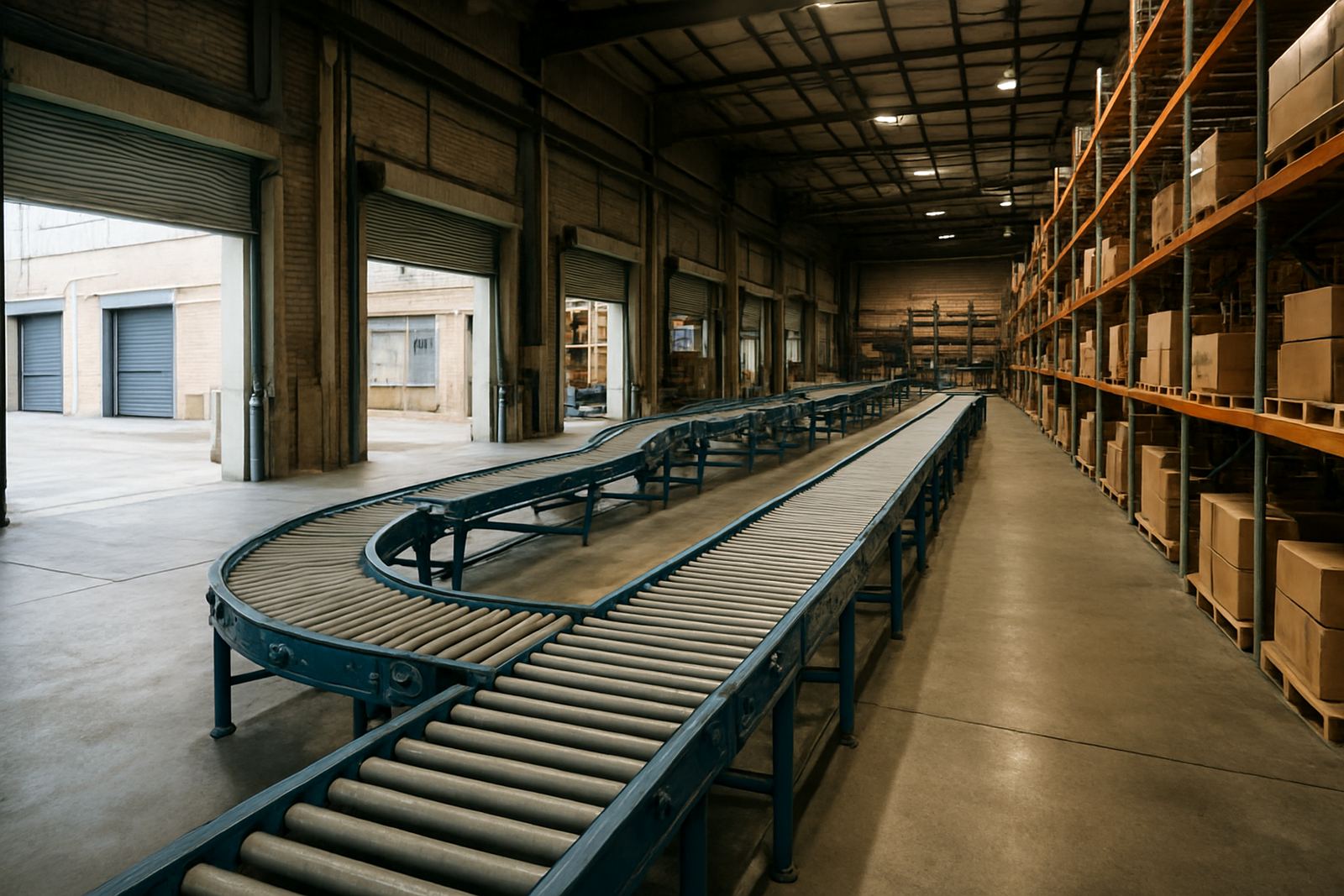
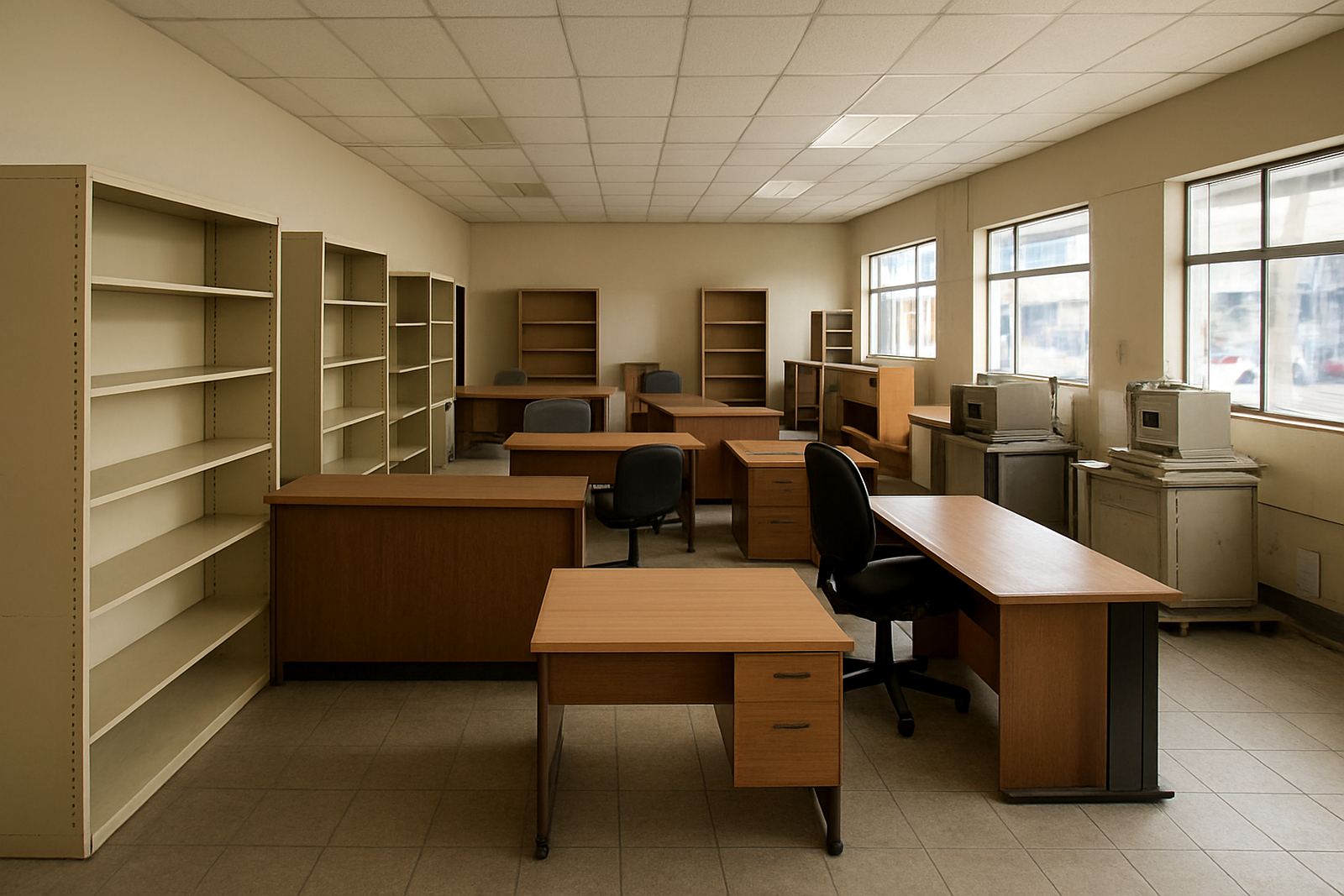
The asset mix was practical and familiar to many retail traders: metal gondola shelving, wall bays, cashier counters, office chairs, filing cabinets, work tables, pallet racking sections, trolleys, and assorted storeroom equipment. Some items were in good used condition, others had cosmetic wear from daily use, and a few had missing fittings that needed to be noted clearly.
- Retail shelving in mixed lengths, mainly powder-coated steel, with standard uprights and adjustable shelf levels.
- Office furniture including chairs, cabinets and meeting tables suitable for small business use.
- Storeroom equipment such as trolleys, shelving inserts and light material handling items.
- Mixed loose assets that needed sorting, tagging and photo capture before auction listing.
One of the key points was making sure every lot description matched the actual condition on site. Buyers in South Africa will bid when the details are honest and the photos are clear, but they will walk away if a lot looks vague. We therefore recorded dimensions, visible wear, missing parts and loading notes for each lot rather than grouping everything into one lump sale.
How the disposal was structured
We split the disposal into saleable lots that made sense for the market and for collection. Retail shelving was broken into bay sets and component lots where needed, while furniture was grouped by function so office buyers could plan for immediate use. Storeroom items were separated from front-of-house stock to avoid mixed bidding and to keep the catalogue easy to read.
The process started with asset appraisals and reserve price guidance, then moved into lot cataloguing and auction photography. We photographed items in the yard and inside the premises, using clear angles that showed size, condition and any damage. The seller also needed help with timing, because some units had to stay in place until the final week before collection. That meant the lot plan had to support staged release, and not every item could be moved at once.
To keep the auction practical for buyers across Gauteng and beyond, the lots were set up for timed online bidding. This gave bidders in Johannesburg, Pretoria, Durban, Cape Town and Bloemfontein a fair chance to participate without travelling, which helped widen interest and improve competition. The auction format also reduced the pressure on the Boksburg site during collection windows.
- Site walk-through and asset categorisation.
- Valuation and reserve price guidance.
- Photography and lot write-ups with dimensions.
- Timed online auction setup and buyer communication.
- Viewing and collection coordination with the seller.
Constraints on an active Boksburg site
The main constraint was that this was not an empty warehouse. Staff still needed access to the floor, and the business could not afford unnecessary downtime. The storage area was tight, so staging had to be done in phases and the viewing flow needed to stay tidy. In winter, early dark and load-shedding also affected timing, which meant lighting and collection schedules had to be planned with care.
Another issue was mixed condition. Some shelving was immediately reusable, while other items had dents, rust spots or missing fasteners. In Boksburg, buyers know that older steel fixtures can still move well if the dimensions are right and the condition is described properly. So we kept the listings honest, and where a lot needed extra detail we added it before the auction opened.
Collection coordination was also important because some buyers were local and others travelled in from further afield. We made sure the release notes were clear and that the site team knew what was going out, what was staying and what needed to be lifted first. This reduced confusion on collection day and kept the process moving without arguments over lot boundaries.
Timeline and delivery over four weeks
The disposal ran over four weeks from initial inspection to final collections. Week one covered the site assessment, asset sorting and appraisal work. Week two focused on photography, lot cataloguing and reserve guidance. Week three was auction live time, with buyer support and questions handled as bids came in. Week four covered payment clearance and collection coordination.
That pace suited the seller because it allowed enough time to prepare the premises, but did not leave the assets sitting around for months. It also gave buyers a proper window to inspect and bid, which tends to produce better outcomes than rushed one-day sales. In a market like Gauteng, where traders and fit-out buyers watch closely for used fixtures, a well-structured four-week process usually gives better pricing than a fire-sale approach.
- Week 1: appraisal, asset register and site planning.
- Week 2: photos, lot descriptions and auction setup.
- Week 3: live bidding and buyer support.
- Week 4: payment clearance, release notes and collection.
Results for the seller and buyers
The seller cleared the site in an orderly way and recovered value from items that could easily have been undervalued if sold as one bulk lot. Retail shelving and office furniture drew the strongest interest, while the storeroom equipment helped round out bidding from smaller traders and start-up businesses looking for affordable fit-out items.
From the buyer side, the main result was access to usable equipment at sensible prices, with the comfort of knowing the lots were described clearly and collected through an organised process. That matters when buyers are fitting out a shop or office on a budget and need to know exact sizes before they commit. The auction format also helped spread interest across the country, which improved competition and gave the seller a broader market than a local private disposal would have achieved.
For BidThis, the project reinforced a simple lesson: mixed asset disposals work best when the sale is broken into clean categories, the photos are accurate, and the collection process is managed properly. It sounds basic, but it is often the difference between a stressful clearance and a practical outcome.
What we would repeat on the next trader disposal
If we were doing the same type of disposal again, we would use the same approach: early sorting, precise lotting, clear reserve guidance and staged collection. That combination works well for trader sites where shelving, office furniture and storeroom items sit together in one property but serve different buyers.
We would also keep the buyer communication tight from the start. When bidders understand the lot sizes, the condition and the collection rules, the sale runs smoother and the seller spends less time answering repeat questions. For a business in Boksburg or any other industrial pocket around Gauteng, that kind of clarity makes the biggest difference.
Our team in Germiston can support similar disposals through asset appraisals, seller onboarding, timed online auctions, viewing management and collection coordination. If the site is busy, the stock is mixed or the items need proper presentation to achieve value, that is exactly the type of work we handle best.
Key facts
| Project location | Boksburg, Gauteng |
|---|---|
| Asset mix | Retail shelving, office furniture, storeroom equipment |
| Timeline | 4 weeks from inspection to final collections |
| Sale method | Timed online auction |
| Scope | Appraisal, cataloguing, photography, reserves, buyer support |
| Result | Orderly clearance with value recovered from mixed used assets |