Why downsizing is often the right time to sell by auction
When a business trims operations, the hard part is not always the decision to reduce headcount or move into a smaller premises. It is deciding what to do with the equipment that no longer fits the new footprint. Forklifts, pallet racking, packaging lines, compressors, office furniture and workshop tools all take up space and tie up money. If they sit in a yard or warehouse for months, they still need security, insurance and occasional maintenance.
A timed online auction gives you a clean way to convert surplus assets into cash while the market is still active. Buyers looking for used machinery are often ready to move quickly, especially where the kit has been well kept and there are clear photos, serial numbers and honest descriptions. For a company in Germiston or Isando, that can mean clearing a site before a lease ends, or making room for a smaller operation without having to store equipment off-site.
The biggest advantage is speed with control. You can sell one item, a full department, or a mixed lot of assets in a set time frame. That is useful when downsizing is linked to contract losses, a merger, or a shift to a lighter operating model.
What should go first when you are scaling back operations
Not every asset needs to be sold in the same way. The best results usually come from sorting equipment into three groups: keep, relocate and dispose. This simple pass helps management avoid selling something useful by mistake, especially when several departments are trying to make their own case.
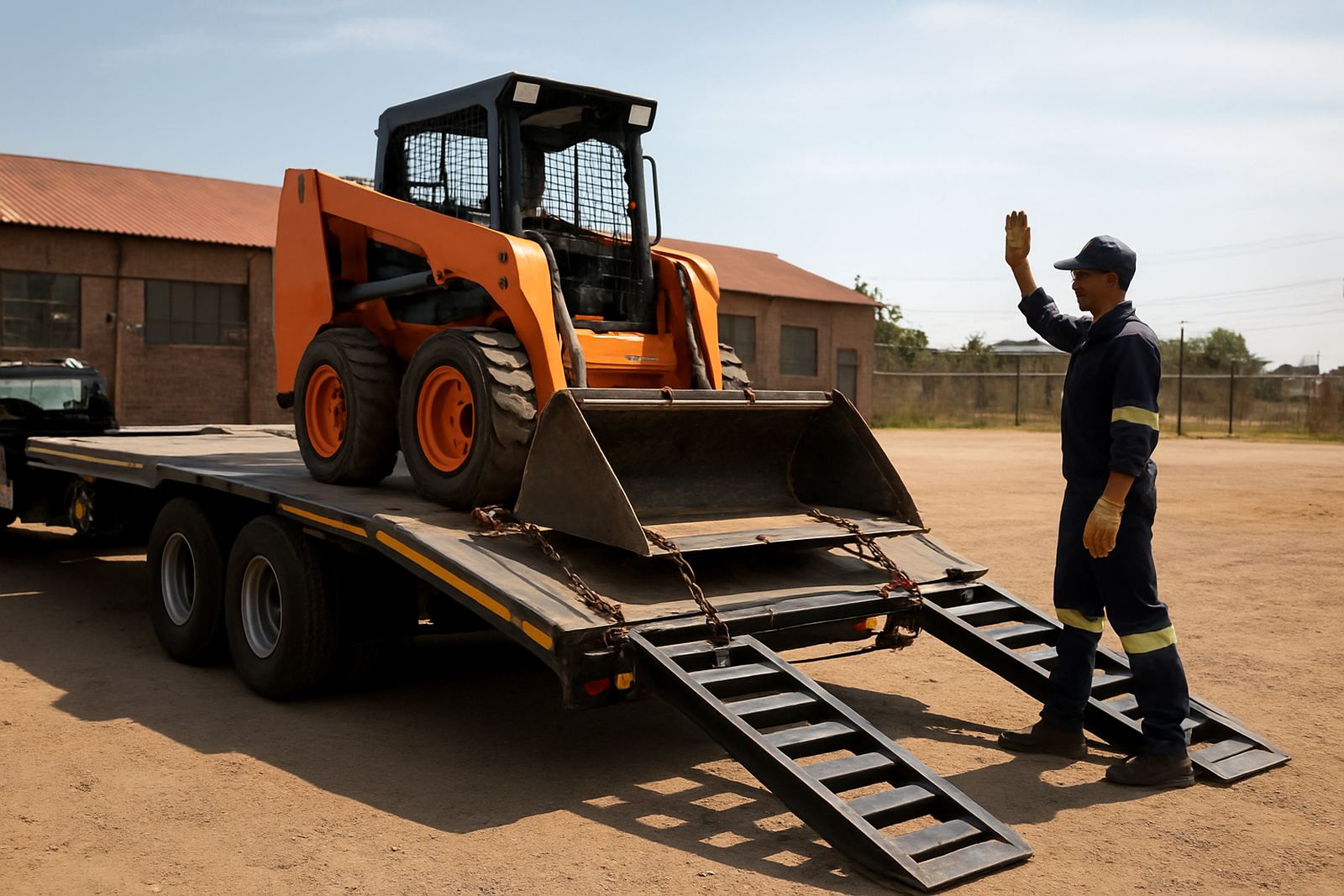
Start with the items that are expensive to store or difficult to move. Heavy machinery, redundant vehicles, surplus racking, duplicate generators, and older plant that is no longer core to production are often the first candidates. If a machine is no longer part of the new workflow, or if parts are hard to get, it may be better to release it now rather than carry the cost into next quarter.
- Equipment that is fully paid off but no longer needed
- Assets that require specialist power, space or staff to run
- Items that would cost more to move than to replace later
- Stock, shelving and fittings left over after a branch consolidation
Check whether any item has attachments, moulds, jigs or accessories that should be sold with it. Buyers often pay more for a complete lot than for scattered parts. A clean, practical lot plan makes the process easier and the yard less cluttered, which matters when load-shedding and tight access windows make every move count.
How to prepare assets so they sell properly
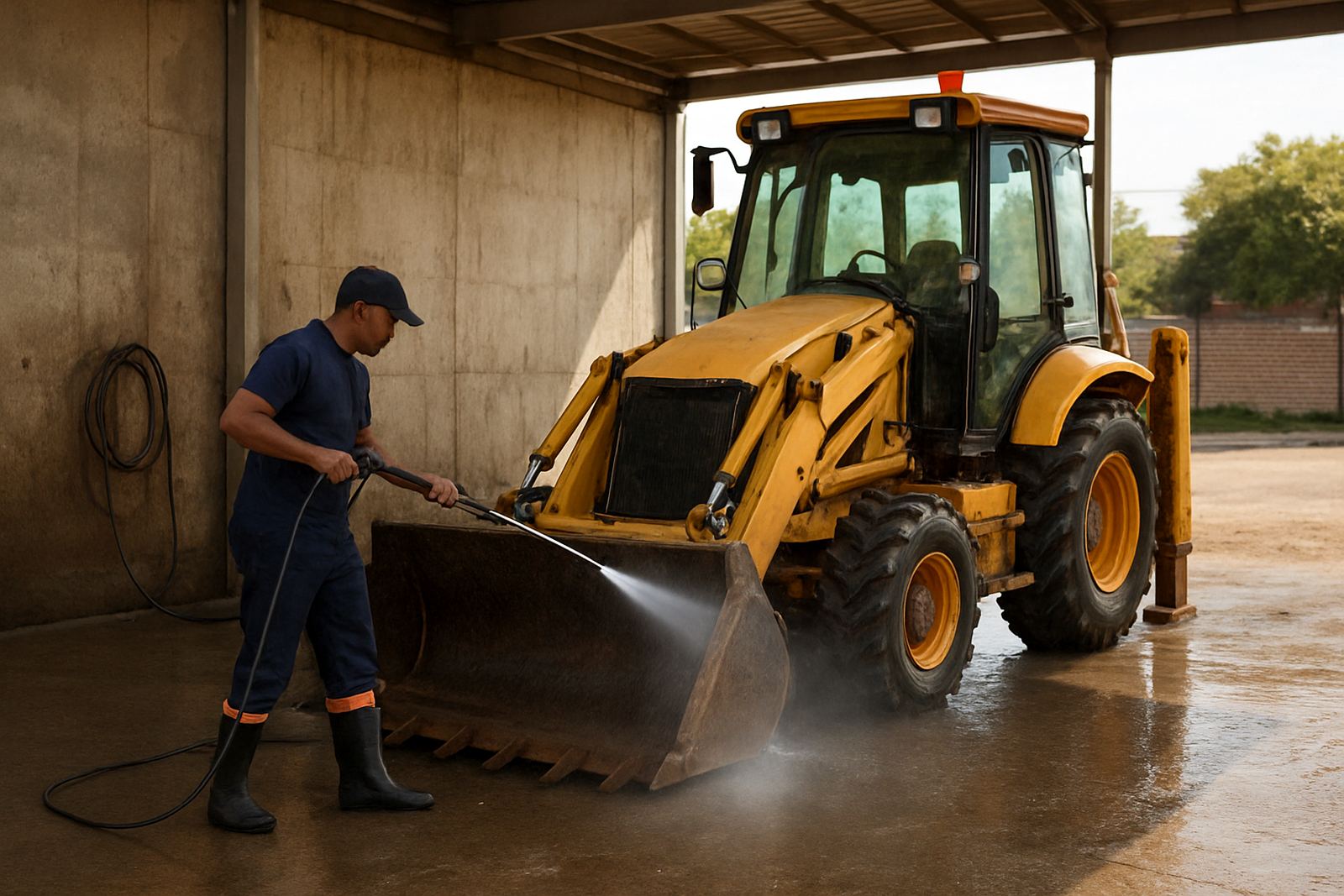
Downsizing sales work best when the assets are presented clearly. Clean the machines, list the make and model where known, note the year if available, and photograph each item from several angles. Include control panels, wear points, missing parts and any visible damage. Buyers can handle honest condition notes. What they do not like is surprises on collection day.
It is worth locating manuals, service records, logbooks and test certificates before the auction opens. For some categories, a record of maintenance can make a real difference to buyer confidence and the final bid. If the asset is stored in a coastal area like Durban or Cape Town, note any rust protection or exposure to humidity. If it ran in a dusty inland workshop, say so. Context is useful.
Where possible, separate fixed installations from movable assets. A buyer may want the compressor but not the pipework, or the racking but not the old shelving labels. Clear boundaries prevent disputes and keep collections moving smoothly.
- Tag each asset with a lot number before viewings begin
- Remove personal items, loose stock and scrap from around the equipment
- Disconnect utilities safely and leave equipment in a viewable state
- Keep a simple inventory that matches the auction listing
Using auctions to protect cash flow during a transition
Downsizing is not just about reducing footprint. It is also about protecting working capital while the business resets. Selling surplus assets can release cash that would otherwise be tied up in machinery sitting idle. That money can help cover relocation costs, staff changes, new lease deposits or a leaner inventory strategy.
An auction can also create momentum. Once buyers know there is a clear sale date, they tend to inspect sooner and make decisions faster. That is useful when you need to empty a warehouse in Alberton or move a workshop out of Pretoria with a strict handover date. With the right reserve guidance, you can set realistic expectations and still keep the process moving.
For sellers, the key is to keep the process disciplined. Publish one clear date, keep the viewing times organised, and make sure payment clearance and collection terms are explained before bidding starts. The more certainty you give buyers, the less time you spend answering the same question twice. In a downsizing situation, that time matters.
A Germiston example: clearing a mixed industrial site without delays
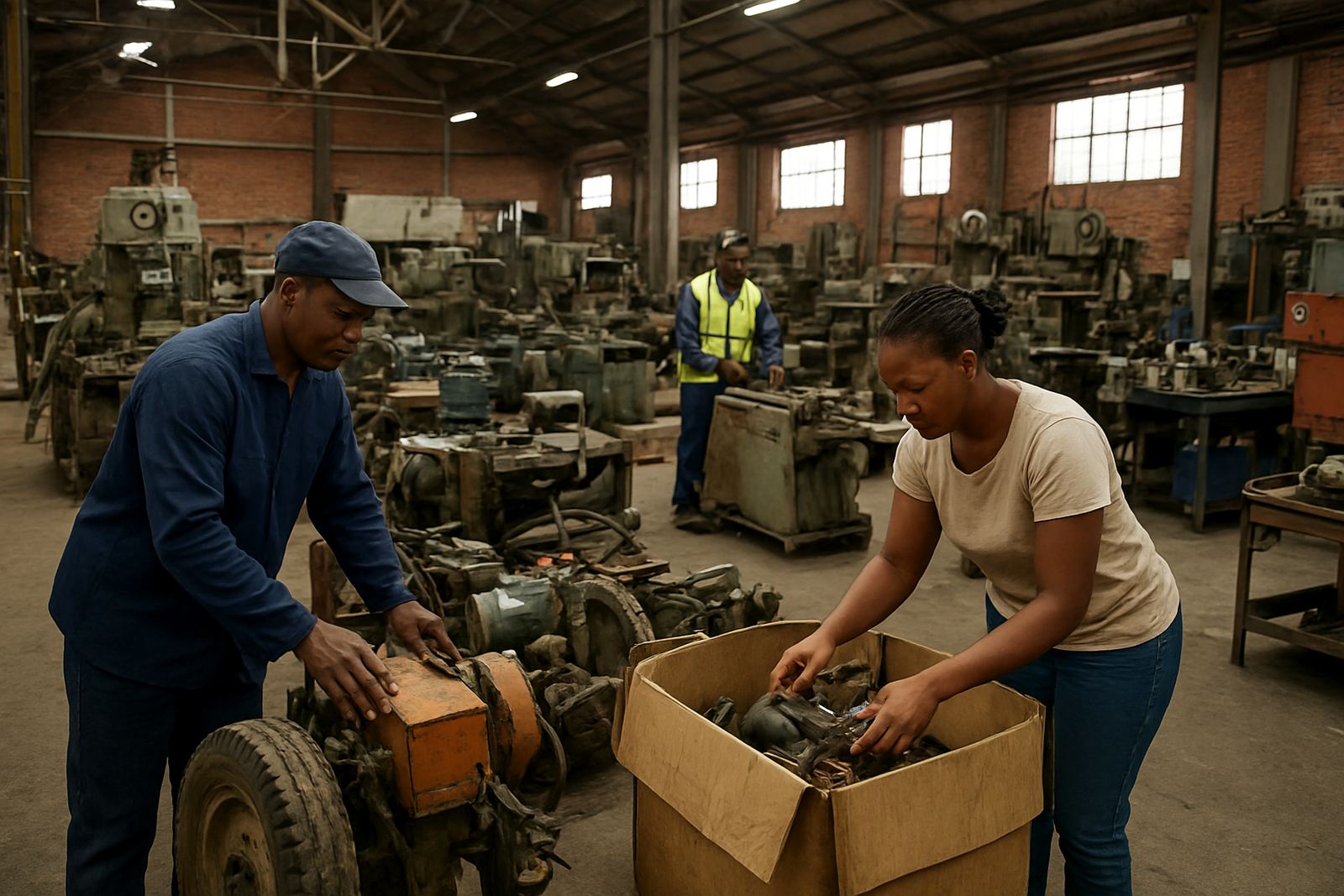
A practical example is a manufacturer in Germiston that needed to move from a larger workshop into a smaller unit after consolidating operations. The site included pallet racking, a few older machines, office furniture, tools and surplus stock from a discontinued product line. The business needed the floor cleared within weeks, not months, and the landlord wanted the area left in good order.
The assets were grouped into lots by category, photographed and opened for viewings at the Germiston yard with support for buyers travelling from Johannesburg East, Isando and Alberton. A few items were sold individually while lower-value fittings went in grouped lots. That approach kept the auction practical and avoided the cost of storing unsold items. The seller recovered value from assets that would otherwise have sat idle through the move, and the premises was cleared in time for the handover.
That kind of result is common when the sale is planned early. The mistake many businesses make is waiting until the last week, then rushing to clear everything at once. With a little lead time, the catalogue, viewings and collections can be staged properly and the site can stay manageable throughout the process.
What buyers look for in a downsizing auction
Buyers at downsizing sales are usually looking for value, but they still want clarity. They want to know what the equipment is, what condition it is in, how it will be collected, and whether they can put it into service soon after pickup. They also watch for assets that were kept in a controlled environment, since that can make a difference in the long term.
Common questions include whether power is available for testing, whether lifting gear is needed, and whether a machine can be dismantled on site. If the business has municipal rules, building access limits or yard restrictions, it helps to mention them early. A buyer who knows there is tight truck access or limited collection hours can plan accordingly and is less likely to pull out later.
- Clear photos and honest condition notes
- Good lot descriptions with measurements where relevant
- Viewing times that are easy to attend
- Collection terms that are simple and firm
When those basics are in place, bidders can focus on value rather than uncertainty. That usually leads to better participation and fewer post-sale issues.
A practical way to downsize without losing control
Disposal during downsizing should be treated as part of the business transition, not as a clean-up chore left to the end. If the auction is planned alongside the move, the sale can support the change instead of slowing it down. You reduce clutter, recover cash and make the new premises easier to run from day one.
For many South African businesses, especially those dealing with rising costs, load-shedding and tighter margins, that matters. The right disposal method can turn surplus assets into useful capital, and it can do it without months of haggling or storage bills. If the goal is to reduce size while keeping value intact, a controlled auction is often the most practical route.
The main thing is to start early, list honestly and keep the process orderly. That is what gives buyers confidence and helps sellers move on with less strain.