Why a clean machine usually gets more attention
When a buyer walks into a viewing yard in Germiston or opens a lot listing from Durban, they are making a quick judgement. A machine that is dusty, oily and full of loose packaging can look neglected even if it still runs well. A clean asset does not hide wear or faults, it simply makes the condition easier to assess.
That matters in online auctions because buyers have less time to inspect every item in detail. Clean panels, readable controls and visible serial plates help them compare lots faster. For sellers, that can mean more enquiries, better viewing attendance and fewer questions about basic condition.
- Remove loose dirt, dust and light oil build-up.
- Clear out rubbish, pallets, cable offcuts and old consumables.
- Make serial plates, gauges and warning labels easy to see.
- Leave any defects visible so buyers know what they are bidding on.
What to clean and what to leave alone
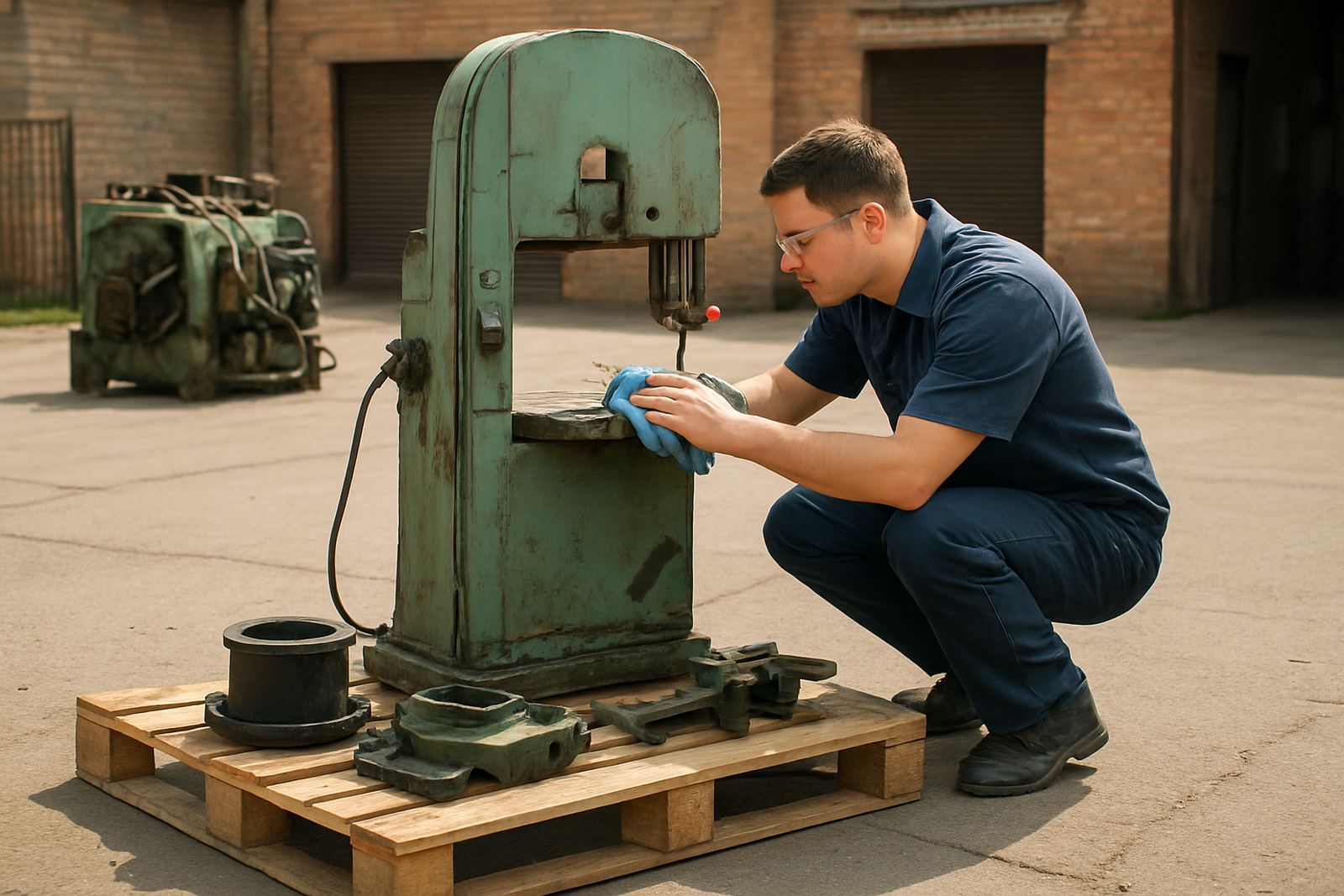
Not every asset should be cleaned in the same way. A forklift, compressor, generator and office copier all need a different approach. The goal is presentation, not repair. If a surface has corrosion, cracked paint or a leaking seal, do not try to cover it up with fresh paint or heavy polishing. Buyers notice that sort of thing quickly.
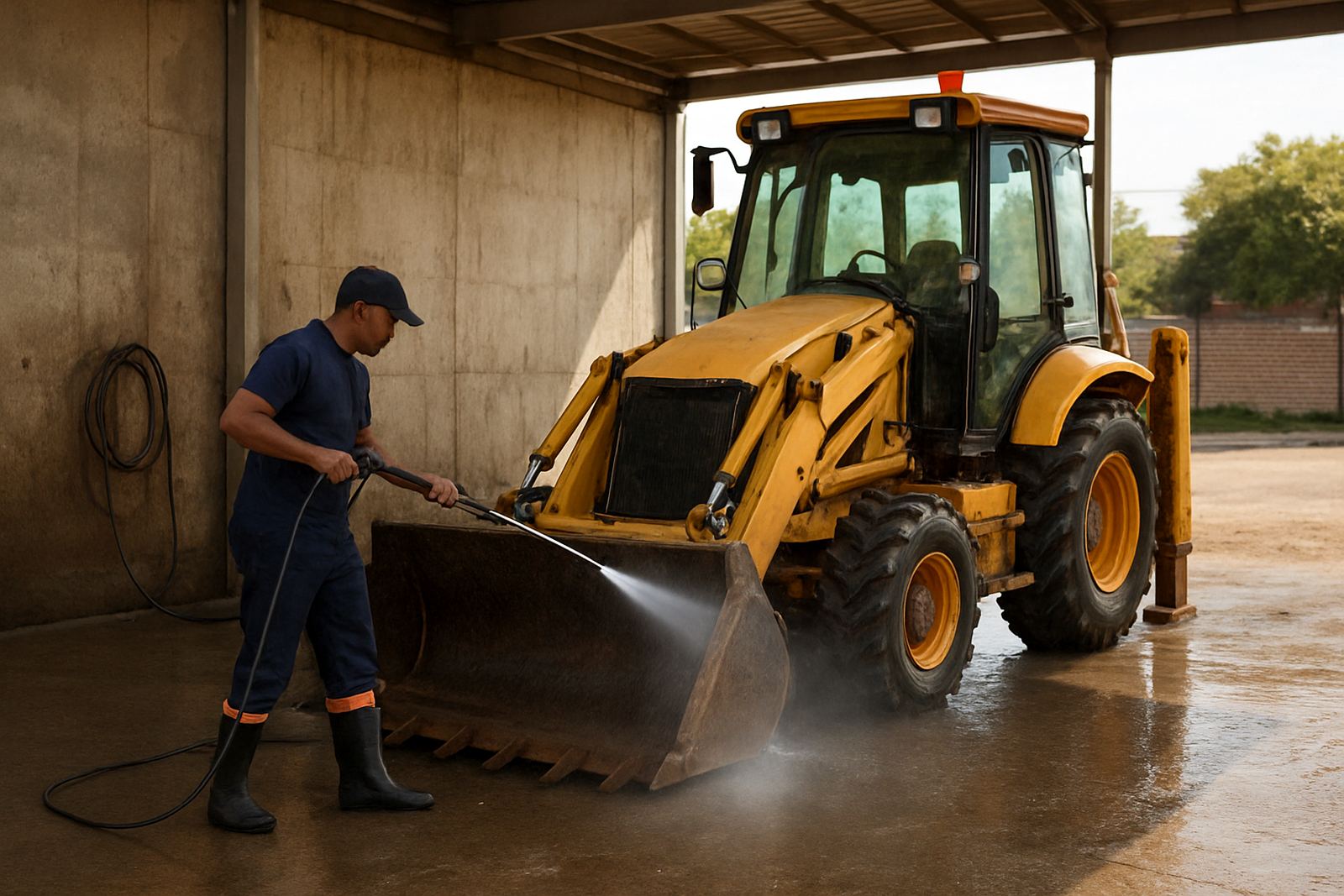
Focus on safe, light cleaning. Wipe down control surfaces, sweep platforms, remove debris from around wheels and tracks, and wash external covers where water will not cause damage. On electrical items, use a dry cloth or approved cleaner instead of soaking the housing. In coastal areas like Durban, a light wipe-down can also help remove salt film that makes equipment look older than it is.
- Clean external surfaces only, unless the machine manual says otherwise.
- Do not paint over dents, cracks or leaks.
- Protect sensitive parts from water, dust and chemicals.
- Keep proof of maintenance and service records with the asset.
How cleaning supports better lot cataloguing
Good auction listings depend on clear photos and accurate descriptions. A clean asset is easier to photograph from all angles, which helps show the right details in the lot catalogue. If the asset is covered in grime, even a good camera cannot do much. The result can be poor buyer confidence and more back-and-forth during the bidding period.
We have seen this with surplus stock from workshops in Johannesburg East and industrial sites in Pretoria. Two similar items can perform very differently at auction depending on presentation. The better-presented lot often gets more views because buyers can see the make, condition and accessories more clearly.
- Photograph the asset after cleaning but before moving parts are stripped.
- Include close-ups of panels, fittings, tyres, blades or attachments.
- Show any missing parts clearly, do not hide them.
- Capture the asset in good daylight where possible.
A Germiston yard example that shows the difference
At a viewing yard in Germiston, two similar industrial trolleys came in from separate sites. One had been brushed down, had the wheels cleaned and the ID plates exposed. The other still carried cement dust, loose plastic wrap and oily residue around the base. The difference in response was immediate. Buyers spent more time on the cleaner lot because they could inspect the frame and castors without squinting through grime.
The point was not that the cleaner trolley was better built. It simply looked easier to assess. In practical terms, that can matter just as much as the asset’s age. A buyer who can see the condition properly is more likely to place a bid and less likely to argue later about what was visible at viewing.
For sellers in Gauteng, especially where equipment has moved between sites in Alberton, Isando or Johannesburg East, a short prep session before the viewings can make a real difference. Even 30 minutes of careful cleaning can improve the way a lot is received.
A simple pre-sale cleaning checklist for sellers
If you are preparing machinery or business assets for auction, keep the process practical. You do not need a full refurbishment. You need a neat, honest presentation that helps the asset stand on its own. This is especially important where buyers are comparing several lots across different towns and provinces.
- Remove loose rubbish, empty containers and old labels.
- Wipe down high-touch areas such as handles, controls and covers.
- Brush off dust from motors, frames and protective guards.
- Check that glass, screens and indicators are clean and readable.
- Park or position the asset so it can be viewed from both sides.
- Keep batteries charged where possible, especially during load-shedding interruptions.
- Leave all known faults visible and note them in the listing.
If an item has been stored in a humid area, check for surface rust and dry it properly before the viewing. That extra care can prevent a small issue from looking like a bigger one.
What buyers in South Africa notice first
Buyers are practical. They want to know whether the asset will work, how much life is left in it, and what it will take to get it back into service. Cleanliness helps them answer those questions faster. It shows that the item has been looked after and makes it easier to spot signs of wear that matter, such as bent frames, worn tyres, missing bolts or damaged wiring.
In many cases, buyers are also planning for collection, transport and recommissioning. A clean asset gives them a better idea of what they are taking on. That is useful when a machine has to move from Cape Town to Bloemfontein or from Durban into Gauteng, because transport decisions often start with the first viewing. Small details matter, and a tidy asset can make the whole sale process feel more straightforward.
Cleaning will not fix a poor machine. But it can help good equipment present itself properly, and that is often enough to improve buyer interest.