
Start with a proper once-over before the first viewing
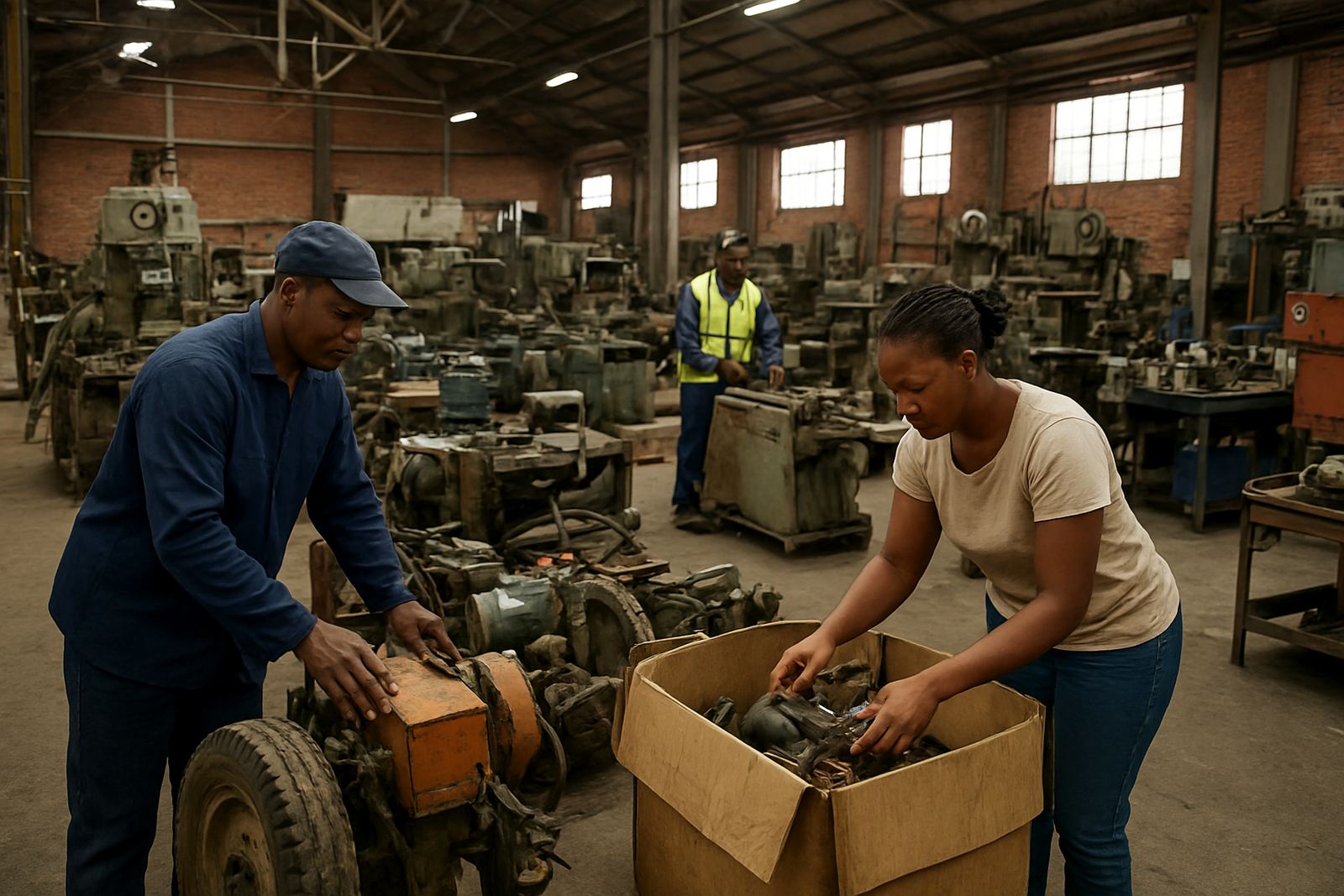
Before a machine is photographed or put up for auction, do a full walk-around and note exactly what is there. Check guards, belts, hoses, cables, keys, manuals, loose fittings and any accessories that should go with the unit. If a lathe, compressor or generator is missing a part, say so upfront. Buyers in Germiston, Durban or Cape Town will spot a hidden issue quickly, and it usually costs more in trust than it saves in effort.
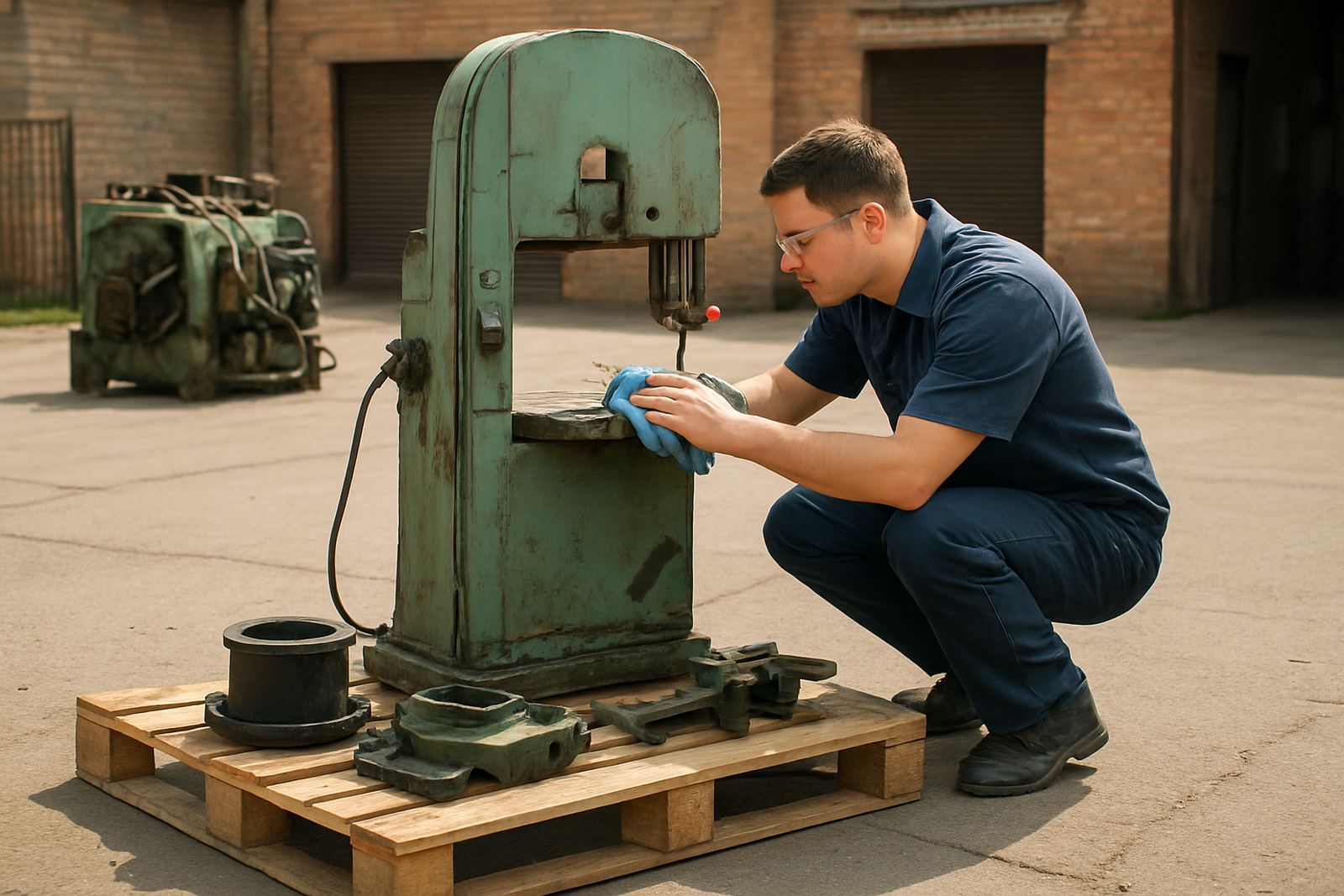
Cleaning is not about making the machine look new. It is about showing its real condition clearly. Remove dust, oil build-up, swarf, loose scrap and product residue. In coastal areas like Durban, wipe down exposed steel and keep an eye out for surface rust. In Gauteng, dust from workshops and yards can make even good equipment look neglected, so a careful clean goes a long way.
Collect the facts buyers need before they bid
Good listings answer the basic questions early. Record the make, model, year if known, serial number, power requirements, capacity, dimensions and any recent repairs. If you do not know the exact year, say that. It is better to be honest than to guess. Buyers planning transport, rigging or site access need those details before they commit, especially when they are comparing stock from Johannesburg, Pretoria and Bloemfontein in the same week.
- Machine type and main use
- Serial number and asset tag, if available
- Power supply details such as 380V, 220V or diesel
- Working status, including faults or known wear
- Included extras, tools or spare parts
A small note about recent service work helps too. If bearings were replaced, the hydraulics were serviced or the starter was repaired, say when and by whom if that information is available. Do not pad the story. Buyers value plain facts more than sales talk.
Sort out compliance and ownership paperwork early
Paperwork can make the difference between a smooth sale and a deal that stalls. Have proof of ownership, VAT details where relevant, and any manuals or service records you still have. For certain plant, especially lifting or pressure equipment, buyers may ask for inspection records or confirmation that it was maintained properly. If the asset needs a certificate, make that clear before the auction starts.
In South Africa, many buyers want to know whether a machine can be removed without drama at the gate. If there are site rules, weighbridge requirements, loading bay times or municipal access restrictions, share them before viewing day. It saves everyone time, and it helps collections move faster once the auction is complete. A little admin up front is a lot easier than sorting it out after the hammer falls.
Make the viewing yard or site easy to inspect
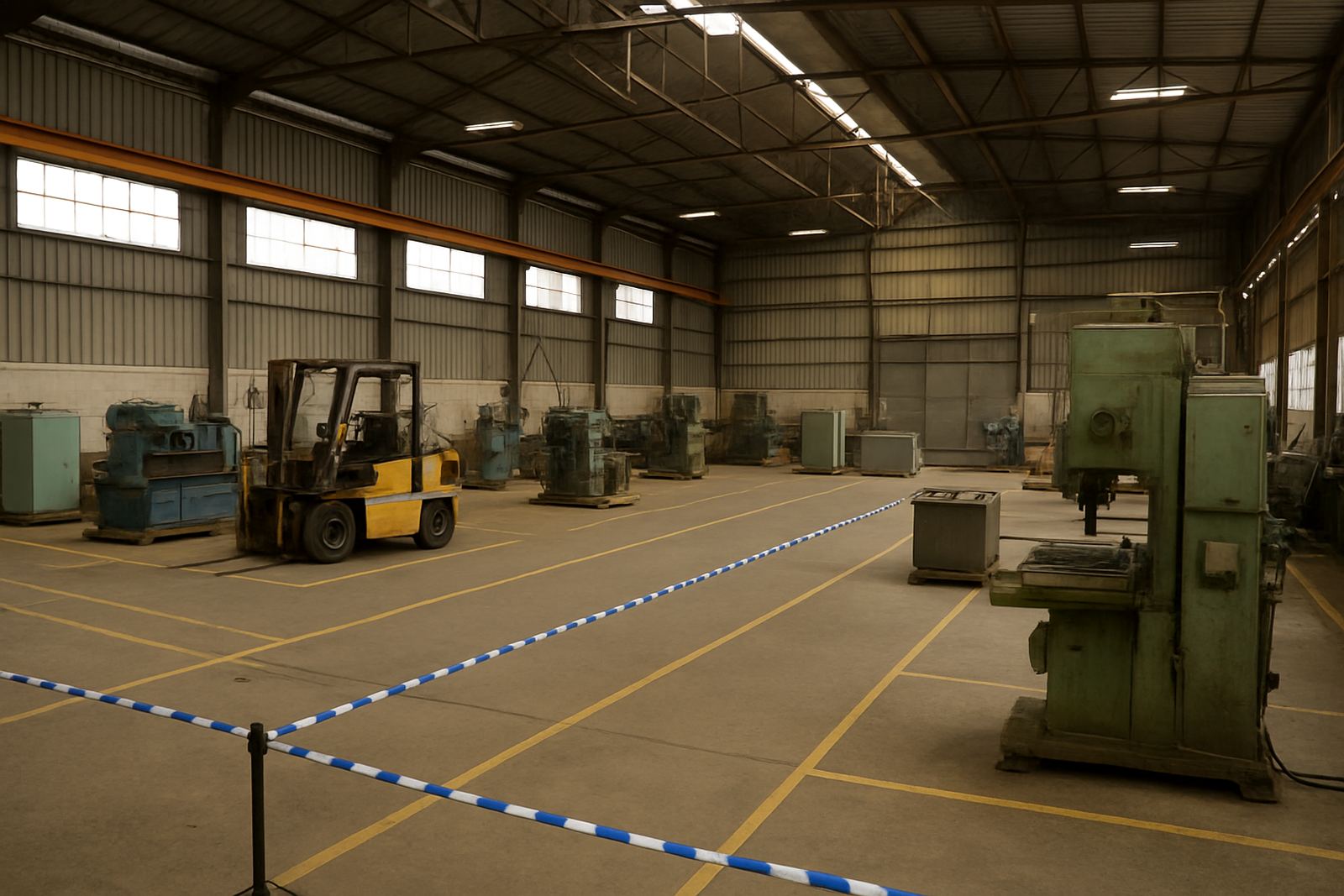
Buyers are more confident when they can move around safely and see the machine properly. Park units with enough space on all sides for inspection, photos and lifting access. Keep the area tidy, remove pallets and scrap, and make sure the machine can be started if it is meant to run. If it cannot be started, be honest and let the buyer inspect it as a static asset.
A practical layout matters more than you think. At a Germiston yard, for example, a machine tucked behind stacked stock and old pallets will attract less interest than the same item placed where a buyer can check the motor plate, tyres, hydraulics and frame without squeezing past obstacles. If the equipment is still on site at a factory in Isando or Alberton, make sure the path from the unit to the loading point is clear before the first visitor arrives.
- Clear walkways and loading access
- Keep batteries charged where possible
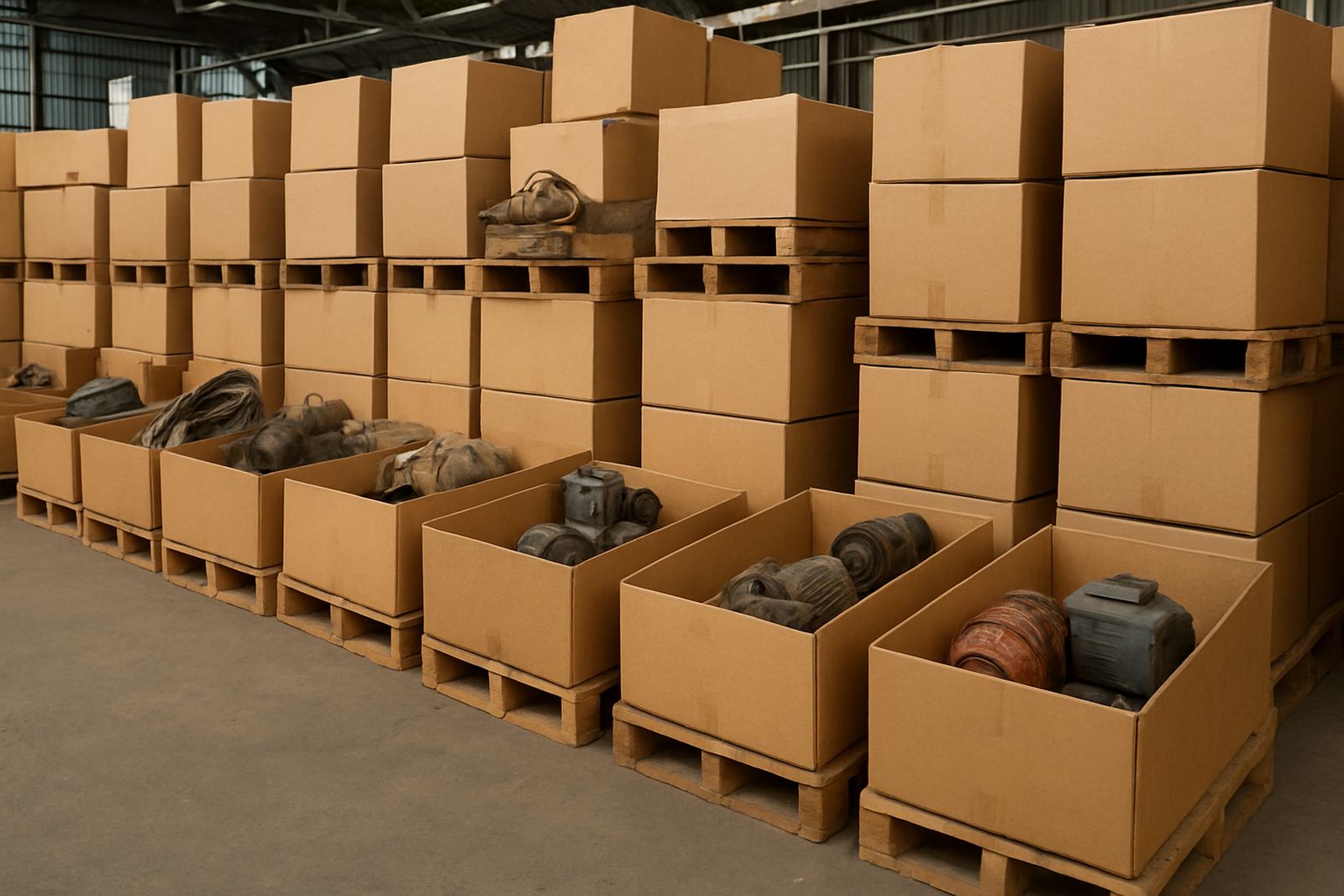
- Park key components together in one marked area
- Remove personal items and loose stock from the machine
- Have a responsible person available for questions
Take photos that show condition, not just shape
Clear photos reduce buyer uncertainty faster than almost anything else. Photograph the machine from all sides, then take close-ups of the control panel, serial plate, wear points, tyres, forks, blades, screens or any damaged areas. If there is rust, a dent, a leak or a cracked guard, show it. Buyers respect honest images because they can price the risk properly.
Good light makes a big difference. Morning light is often better for outdoor machinery, while indoor shots may need all the shutters opened and the unit wiped down first. In KwaZulu-Natal humidity can make metal surfaces shine unevenly, so take a moment to dry off moisture before shooting. A few careful images are better than 20 blurry ones taken in a hurry.
Price guidance and reserve setting should match the condition
Once the machine is ready for sale, the reserve should reflect its age, service history, market demand and repair risk. A buyer looking for a used compressor in Pretoria will compare it against similar units across Gauteng, while a buyer in Cape Town may factor in transport before bidding. That is why a realistic reserve matters. If the price is too high, interest drops off. If it is too low, the seller may not be comfortable releasing the asset.
Reserve price guidance works best when it is based on visible condition and comparable demand, not wishful thinking. The same machine can perform very differently in the market depending on hours used, whether it runs properly, and whether parts are still easy to source. A well prepared asset often earns more because buyers feel confident enough to compete for it, simple as that.
Plan collection before the auction closes
Good preparation does not end when the listing goes live. Collection planning should start early so the handover happens without confusion. Confirm who signs the release note, what documents the buyer must bring, and whether the machine needs rigging, a lowbed or a forklift for removal. If the site has strict access hours, tell the buyer before payment is due.
This is especially important for multi-site dispersals and surplus stock sales where several lots may leave at once. When the seller, yard supervisor and buyer all know the sequence, collections move faster and the site stays orderly. It also helps prevent damage to surrounding stock or buildings. A careful handover keeps everyone focused on the sale rather than fixing avoidable problems afterwards.