Why surplus stock works better in auction lots
Surplus stock is often a mix of cartons, spare parts, fittings, tools, packaging, returned items and small equipment that no longer suits day to day operations. If each item is sold one by one, the process can drag on for weeks and the holding costs keep climbing. Grouping stock into practical lots gives buyers a clearer offer and helps sellers clear space in fewer steps.
For South African businesses, that matters because storage space is expensive, transport is costly and many sites need to make room quickly before a month end stock take or a lease handover. A well planned lot can turn a cluttered store room into usable floor space again, sometimes within a single auction cycle.
- Mixed lots work well when items are related and low in individual value.
- Single item lots suit higher value stock or specialist equipment.
- Bulk lots are useful for buyers who resell or use stock across multiple sites.
How to sort stock into sensible groups
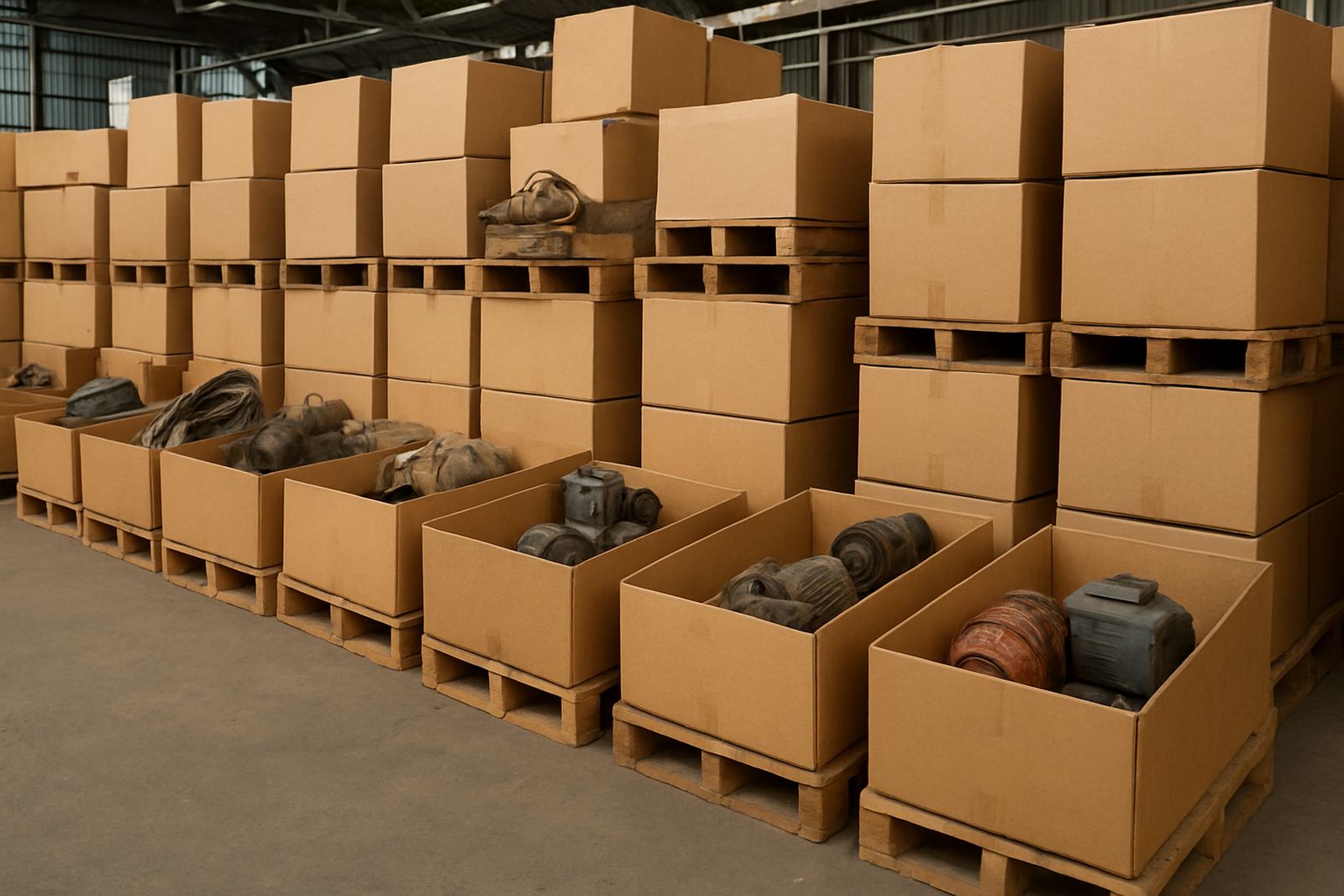
The best lot structure starts with a plain stock review. Separate items by type, condition, size and whether they can be sold together without confusion. A pallet of office consumables is one thing. A pallet of mixed fasteners, electrical fittings and old display material is something else. The more logical the grouping, the easier it is for bidders to understand what they are buying.
At our Germiston base, we often see sellers get better results when they split surplus into clear categories before auction day. That might mean one lot for shelving, another for hand tools, and another for boxed consumables. It also helps to mark anything damaged, incomplete or untested so buyers can price it properly. Clear lotting reduces queries and cuts down on disputes later, which saves time for everyone.
- Group by function first, then by condition and size.
- Keep high value items separate from general mixed stock.
- List quantities accurately, even where counts are approximate.
- Set aside anything that belongs in a scrap or disposal stream.
What buyers want to know before bidding
Buyers want enough detail to judge value without guessing. They usually ask what is included in the lot, whether items were used recently, if parts are missing and how collection will work. In a surplus stock auction, the lot description should answer those basics upfront. Good photos matter too, because buyers in Johannesburg, Durban or Cape Town may be bidding without seeing the goods in person.
When the listing is clear, bidding becomes easier and the closing price is usually stronger. A buyer is more likely to bid on a lot that is neatly described than on one that looks like a mystery box. This is especially true for businesses that need stock for immediate use, since they need to plan transport, labour and storage in advance.
- State whether the lot is new, used, mixed or untested.
- Show real photos of the actual stock, not stock images.
- Include size, counts, pallet quantities and packaging details.
- Explain access rules for loading and collection times.
Using auctions to clear stock before it becomes dead stock
Dead stock can creep in when purchasing teams over order, product lines change or customer demand shifts. The longer stock sits unsold, the less useful it becomes. Auctioning surplus stock is a practical way to recover value before items become obsolete or damaged by storage conditions. In coastal areas like Durban and Cape Town, humidity can also affect packaging, cartons and metal fittings if stock is left too long.
A timed online auction gives the seller a set window for bids, which helps move the process along. It also creates a proper record of the sale, the winning bid and the collection terms. For companies under pressure from limited warehouse space, this is often the simplest route. It is not about chasing the highest possible price for every item, but about getting fair value and clearing the lot on time.
- Use auction deadlines to set a clear clearance date.
- Separate stock that can still be sold from stock that should be scrapped.
- Keep reserve prices realistic so lots do not stall.
A local example from a Germiston industrial site
A manufacturing yard in Germiston recently needed to clear surplus stock after a production change reduced the need for certain fittings, packing materials and store room contents. The seller did not have the time or staff to handle hundreds of small items individually. Instead, the stock was grouped into several lots: boxed consumables, mixed hardware, shelving, and a separate lot for reusable site items.
That approach helped buyers see the value quickly. A contractor from Pretoria could bid on the hardware lot, while a reseller from Alberton focused on the boxed consumables and shelving. Because the lots were practical and the descriptions were clear, the auction moved at a good pace and the site regained working space without a long clearance delay. It is a simple example, but it shows how sensible grouping can make the whole process more efficient.
- Small mixed items were bundled into sensible categories.
- Buyers could collect by lot rather than item by item.
- The site freed up space for new production work.
What sellers should prepare before listing surplus stock
Preparation makes a real difference to the final outcome. Before the auction starts, sellers should do a basic count, note the condition of items and make sure the goods are accessible for viewing. If stock is stored across more than one site, it helps to map that out early so the lots are not split in a confusing way. Multi site dispersals can work well, but only if the records are accurate from the start.
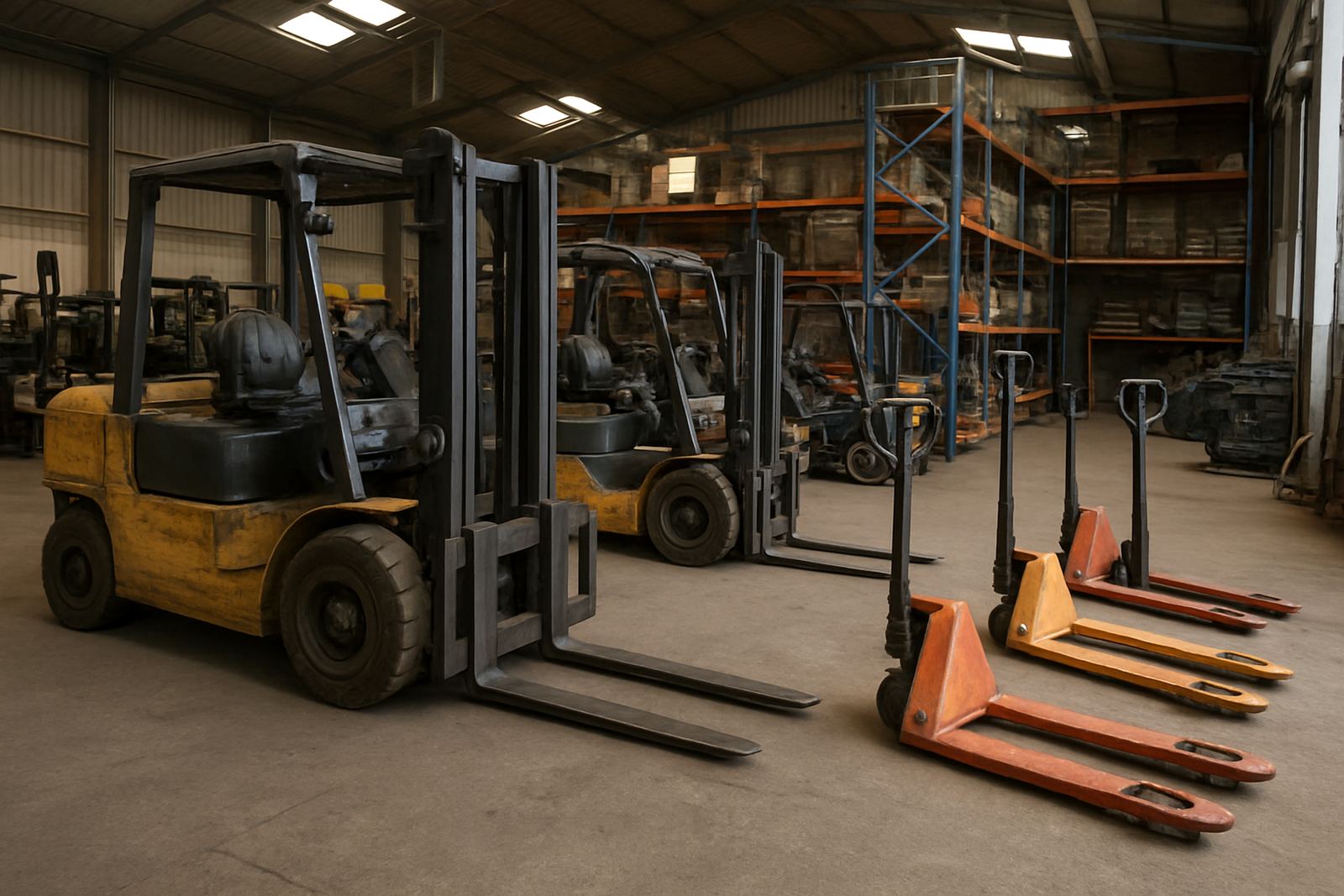
Plan for buyer collection from the start. Some lots may need a forklift, a labour team or a specific loading time. If the site has load shedding or limited access hours, that should be planned around so collection does not turn into a problem. Clear instructions save a lot of back and forth, and they keep the clearance moving.
- Do a stock count and note obvious damage or shortages.
- Plan access for viewings and collection before the auction opens.
- Group items so that each lot makes practical sense to a buyer.
- Set reserve guidance that reflects the market, not the original purchase price.
Why sensible lotting improves clearance and confidence
Surplus stock auctions work best when the buyer can see a straightforward opportunity and the seller can see a clean exit. Sensible lots reduce confusion, attract more suitable bidders and help the auction reach the right audience across South Africa. That matters whether the stock is in Germiston, Isando, Pretoria or further afield.
For businesses trying to recover space and cash, the message is simple. Do not let surplus stock become a storage problem that keeps growing. Put it into clear lots, present it properly and let the market decide. Done well, the process is orderly, quick and practical, which is exactly what most operations need.