When a full packing line is too much for one buyer
A complete packing line often looks neat on paper, but the market does not always buy neat. A buyer in Germiston may only need the label applicator and conveyor, while another in Pretoria wants the weigh filling section and reject table. If the whole line is sold as one lot, both buyers may walk away because they only need part of it.
That is where line breakup can help. By separating a packing line into sensible lots, you can bring in more bidders and reduce the risk of the auction stalling on a single oversized asset. It is especially useful where the equipment came from a food, beverage, cleaning product or agricultural packing operation and the line has mixed ages or mixed makes of equipment.
The point is not to split everything for the sake of it. It is to match the sale method to the way buyers actually shop, and that usually means smaller, better priced groups.
What should stay together, and what can be sold apart
A good breakup starts with the production flow. Some items work best as a unit because they are physically linked, wired together, or only useful when paired. Others can be sold individually with no loss of value at all. If you separate too aggressively, you may end up with orphaned items that are hard to move.
- Keep together items that are hard matched, such as a filler and capping head that were built as one system.
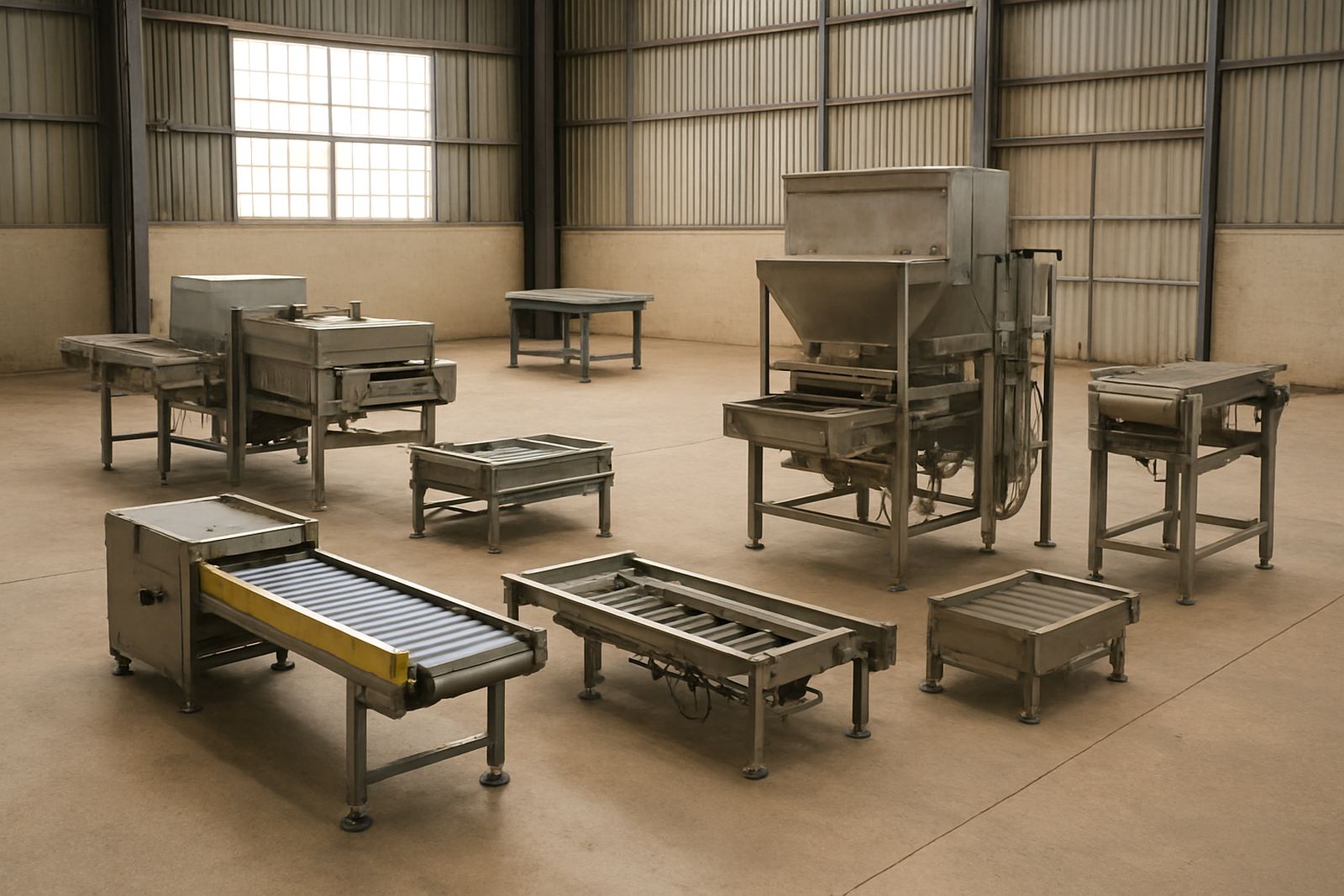
- Split out stand-alone items like conveyors, stainless tables, pumps, and spare motors if they can be used elsewhere.
- Consider selling controls, guard panels, and change parts as their own lot when they have clear standalone demand.
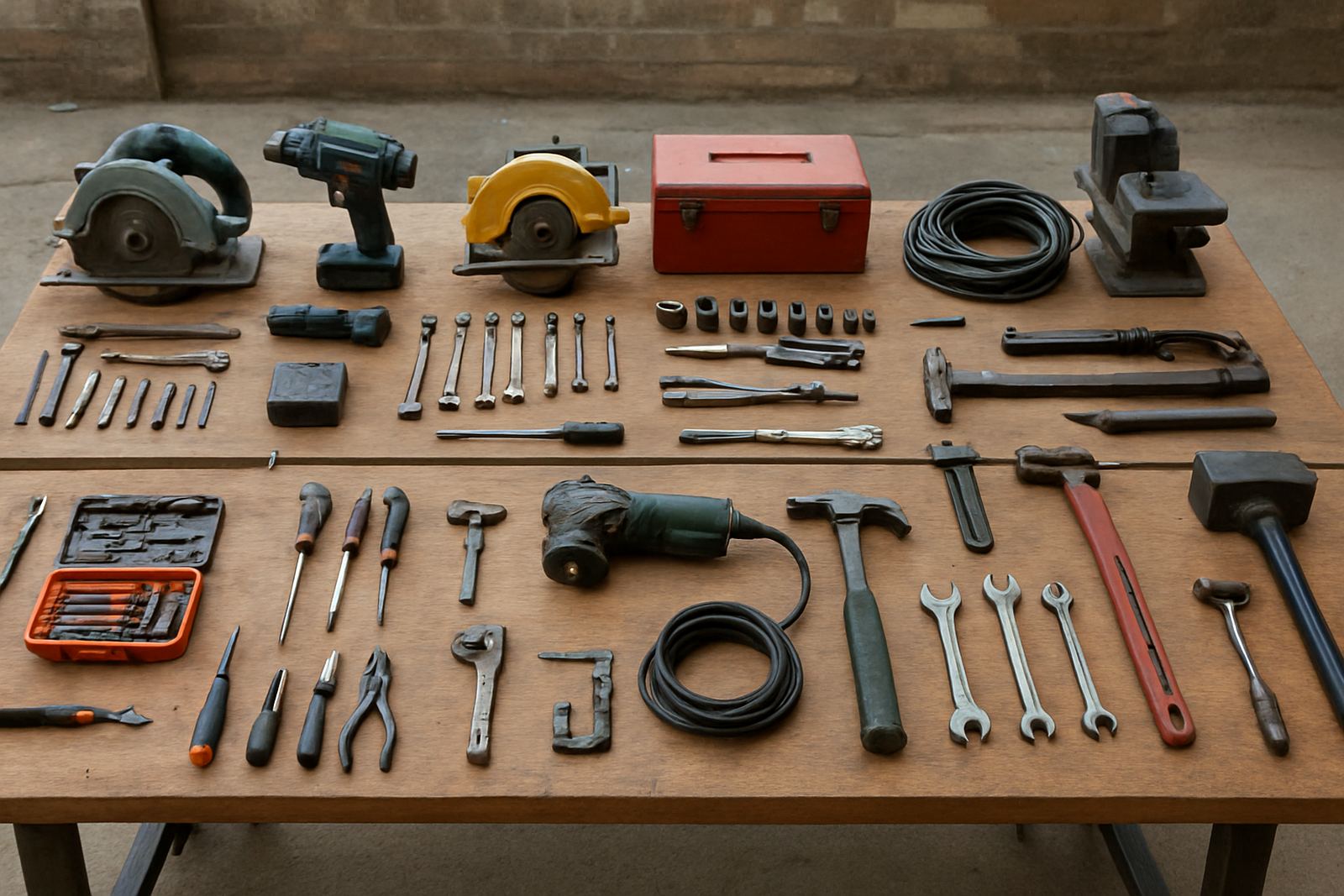
- Group smaller accessories into practical bundles, for example hoses, nozzles, belts, rollers, and spare parts.
In many cases, the right answer is a mix. One core line lot can be sold alongside smaller support lots. That gives buyers choice without making the sale messy or overcomplicated.
The numbers that matter before you split a line
Before any breakup, the assets should be appraised properly. A machine might look valuable as part of a full line, but lose value when taken out of context. On the other hand, a line that is too large for one buyer can attract stronger total bids when broken into 6 or 12 lots. The numbers have to be checked, not guessed.
Useful questions include how old the line is, whether it has service records, whether the controls are complete, and how much it will cost to disconnect and move it. In South Africa, those costs matter. A buyer collecting from Durban may face different transport and lifting costs than a buyer removing from Germiston, especially if the site has narrow access or municipal load-shedding affects testing times.
Reserve price guidance becomes important here. Set one reserve for the full line only if the market can absorb it. If not, the reserve needs to be reworked across the smaller lots so the sale still has structure. A line breakup without pricing logic can leave money on the table.
How breakup changes buyer interest in different cities
What sells in Johannesburg East is not always the same as what gets attention in Cape Town or Bloemfontein. A busy manufacturer in Gauteng may be looking for a quick replacement to keep production going, while a smaller operator in the Free State may only need one section of the line to expand slowly. Smaller lots suit those buyers because they can bid on what they actually need.
We often see the following pattern:
- Smaller firms prefer single machines or partial line sections they can put into service quickly.
- Export or contract packers may chase full line bundles if the specifications line up exactly.
- Dealers and refurbishers often want the components that are easiest to resell, such as stainless steel frames, conveyors, and motors.
- Buyers with tight budgets tend to bid harder when the entry price is lower.
That wider spread of demand can be useful when a site needs a clean exit. It is not only about the top bidder. It is about getting enough active interest to move the stock and equipment in a sensible time frame.
A Germiston example: one line, three sale options
Take a packing line removed from a light manufacturing site in Germiston. The line includes a hopper, filler, conveyor sections, a date coder, a checkweigh station, and assorted guards and change parts. If sold as one lot, the buyer pool may be limited to one operator with the exact space and budget for a full rebuild.
After review, the lot structure could be changed to three clear options: a core process lot, a support equipment lot, and a spare parts lot. That gives a buyer in Isando the chance to bid on the conveyor set, while a small operator in Alberton can go for the coder and spare components. Someone further afield, maybe in Durban, may only want the stainless parts and controls for another line.
That kind of breakup can work well when the yard has practical access for viewings, the items are clearly labelled, and buyers can see exactly what is included. It also helps with collection because smaller lots are often easier to remove in stages rather than forcing a single rushed load-out.
How to avoid a breakup that weakens the sale
Not every line should be split, and that is where experience matters. A poor breakup can reduce confidence, create confusion, and make buyers nervous about missing key parts. If the lots are too small, buyers may worry about incomplete systems. If they are too broad, the sale loses its advantage.
A practical approach is to prepare the sale with proper cataloguing, clear photos, and simple lot descriptions. Buyers should know whether a lot is complete, what has been tested, and what still needs inspection. Clear viewings matter too, especially when lines include electrical panels or machines that have been sitting idle through load-shedding or seasonal shutdowns.
- Use lot groupings that make sense on the floor, not just on a spreadsheet.
- Label removed parts and loose items so nothing gets mixed up.
- Keep an eye on transport access, crane needs, and stripping time.
- Make sure payment clearance and collection coordination are tight so the site can be cleared properly.
Done well, line breakup gives sellers more control and buyers more choice. Done badly, it turns a useful asset into a pile of questions. The difference is in the planning, and in knowing when the market is better served by smaller lots.