

When holding onto excess equipment becomes costly
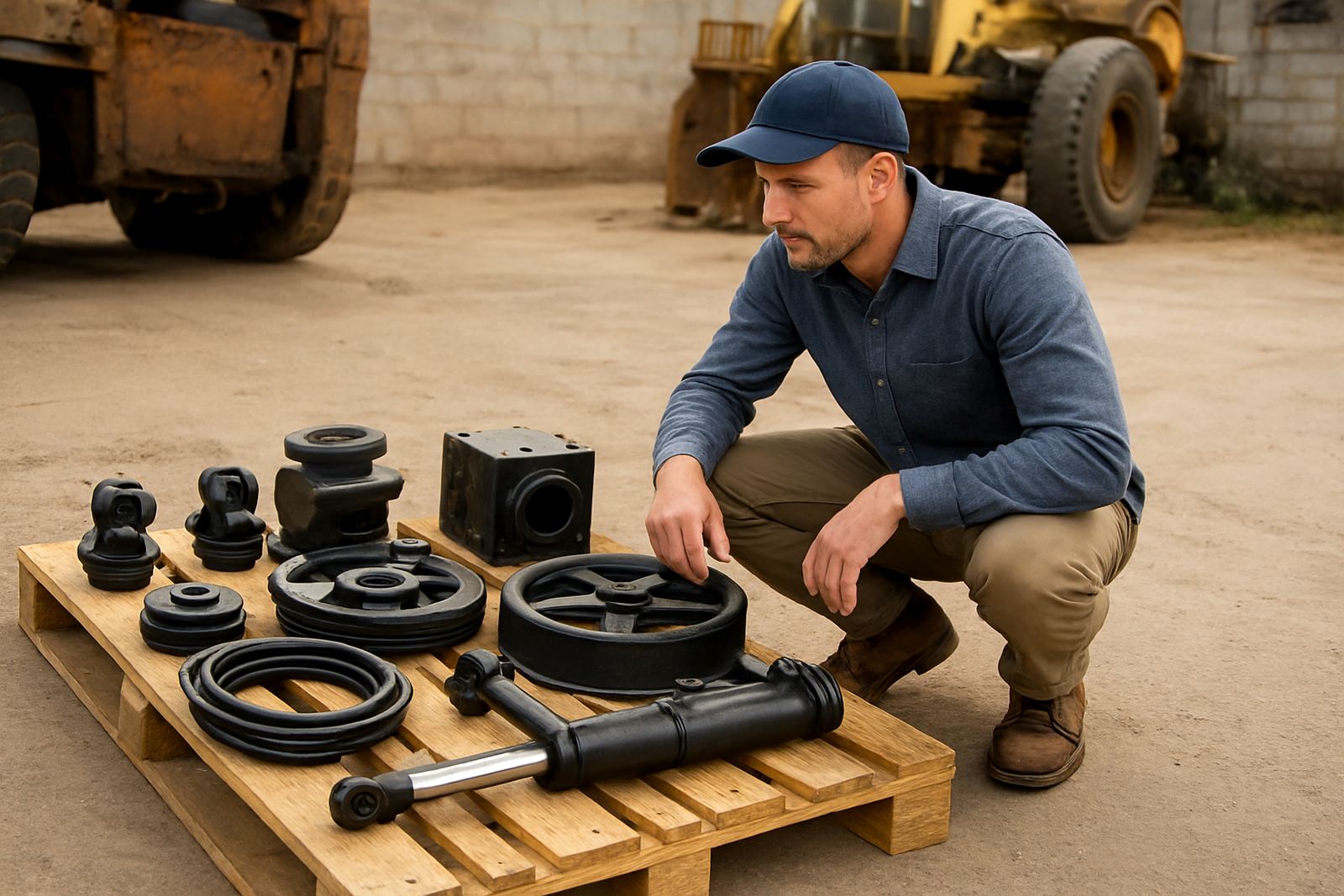
Unused machinery does not just take up floor space. It ties up capital, adds insurance and maintenance costs, and can become harder to sell the longer it sits. In many Gauteng industrial yards and warehouse sites, surplus equipment also blocks access, slows down loading and creates safety issues for staff and visitors.
That is why many businesses choose a timed online auction when a production line changes, a branch closes, or a fleet is being refreshed. Instead of waiting for one buyer to make an offer, the asset is exposed to many potential buyers at once. That wider reach matters when you have equipment in Germiston, Isando, Alberton or further afield, because the right buyer may be in Durban, Cape Town or Bloemfontein.
There is also a practical side to timing. If machinery is no longer earning its keep, every extra month on site weakens the return. An auction creates a fixed selling window, which helps finance teams and operations managers plan the next move with less guess work.
Why buyers respond well to auctioned assets
South African buyers are often looking for value, especially when they need to replace equipment after a breakdown, expand with limited cash, or add a second machine for peak periods. A used asset auction gives them a clear price discovery process. The market decides the value, not a single asking price that may be too high or too low.
For buyers, the appeal is straightforward. They can compare lots, inspect what is available, and bid according to their budget. That makes auctions useful for smaller contractors, growing workshops, logistics operators and manufacturers who need equipment without the long lead times of new stock.
- Clear competition between bidders can lift the final selling price.
- Buyers can source machinery at a cost that suits replacement or expansion budgets.
- Different asset types can be sold together, from plant and tools to office and warehouse equipment.
- Timed bidding gives both sides a visible end point, which helps with planning.
For sellers, the benefit is not only price. A well-run auction also brings structure to the process, so that lots, conditions and collection steps are handled in an orderly way.
The local reality: restructuring, load-shedding and fast decisions
In South Africa, business decisions are often shaped by things beyond the balance sheet. Load-shedding can push a company to upgrade machinery, while higher diesel costs may make an older fleet less practical. Import delays, changing customer demand and municipal compliance requirements can also force a rethink of what equipment is worth keeping.
That is where auctions fit neatly into local business conditions. If a factory in Germiston is consolidating two sites, or a distribution business in Pretoria is changing its delivery profile, surplus assets can be listed and sold without waiting for a long private sale cycle. The same applies to hospitality, retail and construction businesses that need to release capital quickly after a project ends or a branch changes shape.
Coastal businesses face another issue, which is humidity and corrosion. Equipment stored near Durban, or in parts of Cape Town close to the sea, can deteriorate faster if it sits unused. Selling sooner often protects value. A machine that is clean, photographed properly and described accurately usually attracts better interest than one left standing for months in a yard.
What makes a business asset auction work properly
A good auction is not just a listing page with a bid button. It needs proper asset appraisals, accurate lot cataloguing, good photographs and clear viewing arrangements. Buyers want to know what they are bidding on, and sellers need confidence that the process is transparent from start to finish.
Appraisal helps set realistic reserve price guidance. Lot cataloguing groups items correctly so that smaller assets do not get lost behind larger plant. Auction photography shows condition, serial numbers where available, and any visible wear. If a machine requires special loading gear or has been idle for some time, that should be made clear before bidding starts.
Seller onboarding also matters. Ownership documents, release notes and site access rules must be sorted before the sale goes live. In busy industrial areas, especially where municipal and landlord access controls apply, these details can slow collection if they are handled late. A proper process keeps the sale moving and avoids confusion after the hammer falls.
- Accurate descriptions reduce disputes after the auction.
- Reserve guidance helps avoid selling too low or pricing beyond market interest.
- Viewing management gives buyers a chance to inspect condition before bidding.
- Collection coordination helps clear sold assets without disrupting the site.
How sellers protect value and avoid delays
The best results usually come from preparation. Before an auction, sort the assets that will be sold, confirm what is included, and remove anything that should stay on site. If a production area is being cleared, mark electrical isolations, note missing parts and identify items that need lifting equipment. That small bit of order can make a big difference to buyer confidence.
Be realistic about timing from the outset. If a company needs cash flow for payroll, stock replacement or a relocation deposit, a timed online auction is often better than a slow private sale. Sellers can then focus on operations while the sale process runs in the background. The key is to work with clear dates, inspection times and payment steps so that collection can follow soon after settlement.
For multi-site businesses, one auction can also be used to disperse assets from more than one branch. That is useful when closing one location and upgrading another, or when stock and equipment need to be sold from different depots around the country. The process is easier when all lots are captured under one plan instead of being handled site by site.
A practical example from Germiston to the rest of the country
Take a Gauteng manufacturer that replaces part of its production line after a shift in demand. The older machinery still has value, but keeping it in the bay is slowing work and occupying space needed for new equipment. By cataloguing the lots properly, setting viewing times at the Germiston yard and opening bidding to buyers across Johannesburg, Pretoria, Durban, Cape Town and Bloemfontein, the seller reaches a far wider market than a local noticeboard or one-to-one sale.
A buyer in another province may be willing to collect quickly if the machine suits their operation. Another bidder may be interested because the unit is only a few years old and fits an upgrade plan. The seller gets a defined sale date, the buyer gets access to affordable machinery, and the site can move on with less disruption. That is the appeal of business asset auctions when done with care and clear process.
For South African companies facing surplus stock, fleet changes or restructuring, an auction is often the most practical way to turn dormant assets into working capital.