
Why small parts can make a big difference
When a buyer is looking at a compressor, forklift, generator, or packaging line, the extra items often matter almost as much as the main machine. A set of forks, a charger, guards, hoses, moulds, spanners or control panels can save the buyer time and money, so they need to be described with care.
If those items are left out of the listing, the buyer may assume they are missing. That can pull bidding down, slow the sale, or create an argument at collection. In South Africa, where buyers often compare equipment across Johannesburg, Durban, Cape Town and smaller towns on the same day, clear documentation helps the lot stand on its own.
The goal is simple: every accessory that comes with the asset should be easy to see, easy to identify, and easy to match to the right lot.
Start with a full physical check before photos are taken
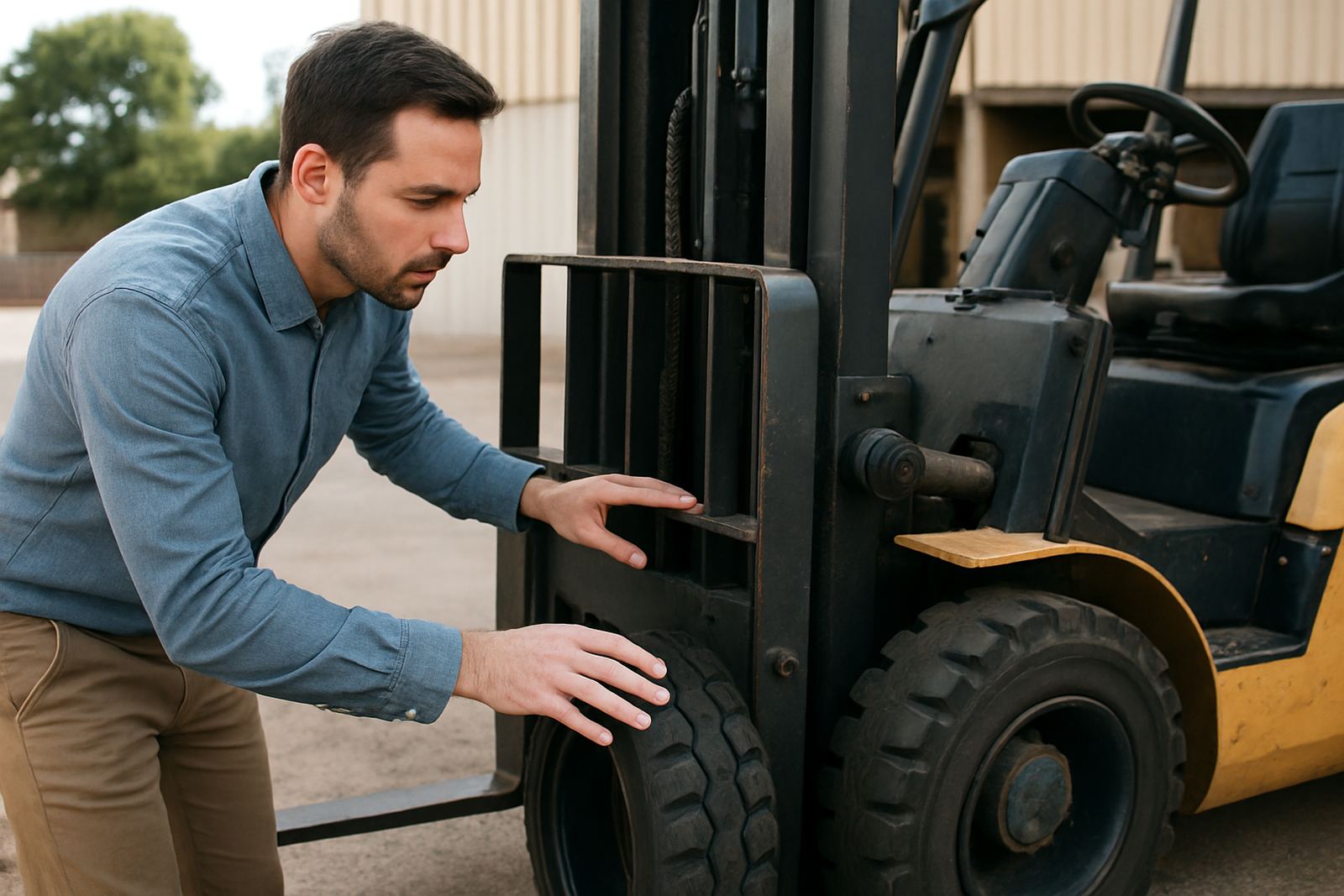
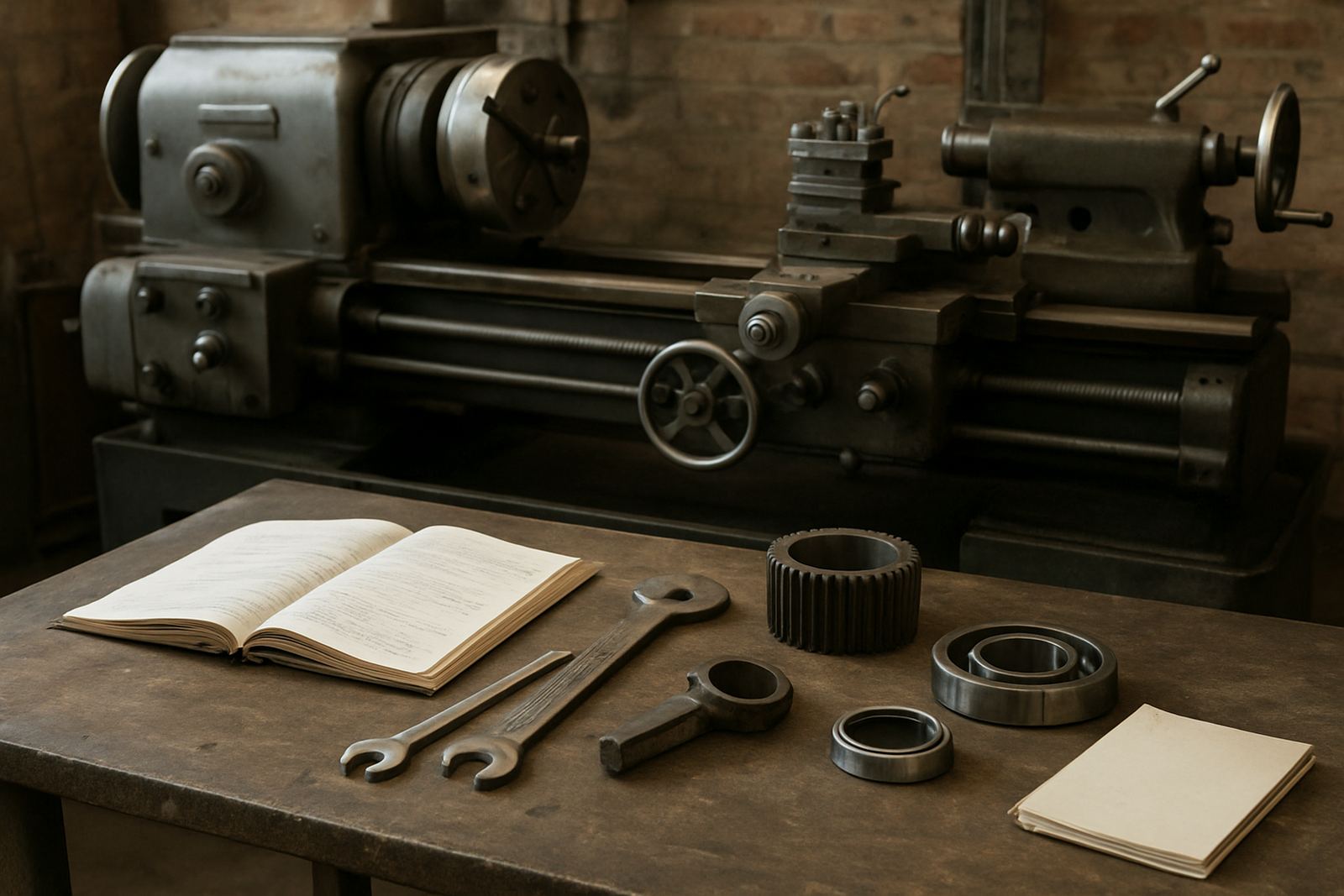
Do a proper walkaround before the camera comes out. Check what is bolted on, what is loose, what sits in the tray or cabinet, and what belongs to the asset even if it is stored separately. A pallet jack might come with a battery charger, cable and spare wheel. A lathe might have chucks, tool holders, keys and a splash guard. A saw may include blades, guides and a fence.
Write everything down while you are still standing at the machine. A quick note in a phone can be enough if it is neat and complete. If a part is missing, say so plainly. If an attachment is serviceable but worn, say that too. Buyers value honesty more than polished wording.
- Check all drawers, bins, lockers and under-frames.
- Separate fixed accessories from loose items.
- List serial numbers where they are visible.
- Note missing cables, hoses, adaptors or guards.
- Record if the item is shared between more than one machine.
Photograph accessories next to the main asset
Accessories should not be left in a box with no context. Take a wide shot of the main asset first, then closer images of every accessory laid out next to it. If the attachment is fitted, show it in place. If it is loose, place it on a clean surface and keep the label or lot number in shot.
This is especially important for auctions with mixed stock from depots, factories or workshops. A buyer in Germiston or Isando may want to know whether a machine includes the full set of fittings needed to start work on day one, not just the shell of the unit. Good photos answer that before the questions begin.
Use natural light where possible and avoid clutter behind the item. If there are scratches, dents or rust marks, capture them clearly. Buyers do not want surprises and neither do sellers.
Use plain language that buyers can trust
A good asset listing does not need fancy wording. It needs facts. Say what the accessory is, how many there are, whether they are fitted or loose, and whether they are included in the sale. If you are not sure of the exact name, use a simple description that a buyer would recognise.
For example, rather than writing vague notes like extras included, spell it out: two hydraulic hoses, one spare filter, charger unit, control pendant, and 8 cutting dies. If there is a mismatch between the main asset and the accessories, mention it. If a photo shows a manual but the manual is not guaranteed, say that clearly. Small details avoid big misunderstandings later.
- Use measurements where useful, such as blade size or hose length.
- State whether consumables are included or not.
- Describe the condition of each accessory in one short phrase.
- Keep the wording consistent across similar lots.
Match the paper trail to the lot
The notes, photos and lot catalogue should all point to the same item. If a forklift has one charger and two batteries, the listing must show exactly which components are with it. If a generator comes with a weather cover and cable set, those items should appear in the images and in the description. This kind of matching matters when viewings happen at different points, because buyers rely on the catalogue before they arrive.
For sellers in Gauteng, KwaZulu-Natal or the Western Cape, a clean paper trail also helps when equipment is moved between sites. A dispersal from Bloemfontein to Durban, for example, can involve multiple teams and more than one viewing point. If the accessories are already logged properly, the handover is much easier.
Keep one final check before approval: does the photo set show every included accessory, and does the wording say the same thing? If not, fix it before the auction goes live.
A Germiston example from the yard
At a viewing in Germiston, a buyer came for a used workshop compressor that looked ordinary at first glance. What made the lot stronger was the full set of extras: pressure hose, regulator, wall bracket, spare fittings and the original filters. Those items were photographed beside the compressor, and the listing named each one. The result was more interest from smaller shops that needed a ready-to-run unit, not just the machine itself.
That is the practical value of good accessory documentation. It helps buyers compare properly, and it helps sellers get fair attention for the full package. In a market where people are watching costs closely and planning around load-shedding, a complete listing gives a buyer more confidence to bid.
Document the extras, show them clearly, and the lot becomes easier to understand for everyone involved.