Why warehouse gear keeps attracting bids
Warehouse equipment is one of the most active categories in used asset auctions because it solves an immediate problem. Businesses are trying to stretch capital, replace worn out kit, or set up a new site without paying new-equipment prices. That is why pallet jacks, trolleys, racking, conveyors and packing benches keep drawing attention from buyers across Gauteng, KZN, the Western Cape and the Free State.
In many cases, the buyer is not looking for something fancy. They want equipment that can handle daily loading, picking, sorting and storage without sitting idle for weeks while a procurement process runs its course. A used item with a known service history and fair reserve can be the difference between getting a warehouse moving now or waiting another quarter for approval.
There is also a practical reason these assets sell well: they are easy to understand. Buyers can see the size, condition and layout fit before they bid, which helps remove uncertainty. When a warehouse is being cleared in Germiston, Isando or Alberton, the same item can attract interest from a smaller distributor in Pretoria or a manufacturer in Cape Town if the price and condition make sense.
What buyers look for before they place a bid
Experienced buyers usually start with measurements and working condition. A storage system can be a bargain only if it fits the floor space, aisle width and load requirements. In a tight warehouse, 100 mm can matter more than a polished finish. That is why clear lot descriptions and accurate photos are important, especially when the asset includes mixed sizes or partial sets.
Power needs also matter. Some businesses want equipment that will still perform during load-shedding or on a generator, so simple mechanical items often get more attention than machines with sensitive controls. In humid coastal areas like Durban, buyers may ask more questions about rust, corrosion and how the item was stored. Inland buyers may focus more on dust, wear on rollers and the condition of bearings.
- Check the working width, height and load rating
- Confirm if the item needs single-phase or three-phase supply
- Ask whether the lot is sold as one unit or in parts
- Look for dents, bends, rust and missing fittings
- Factor in transport, offloading and reinstallation costs
The asset types that keep moving first
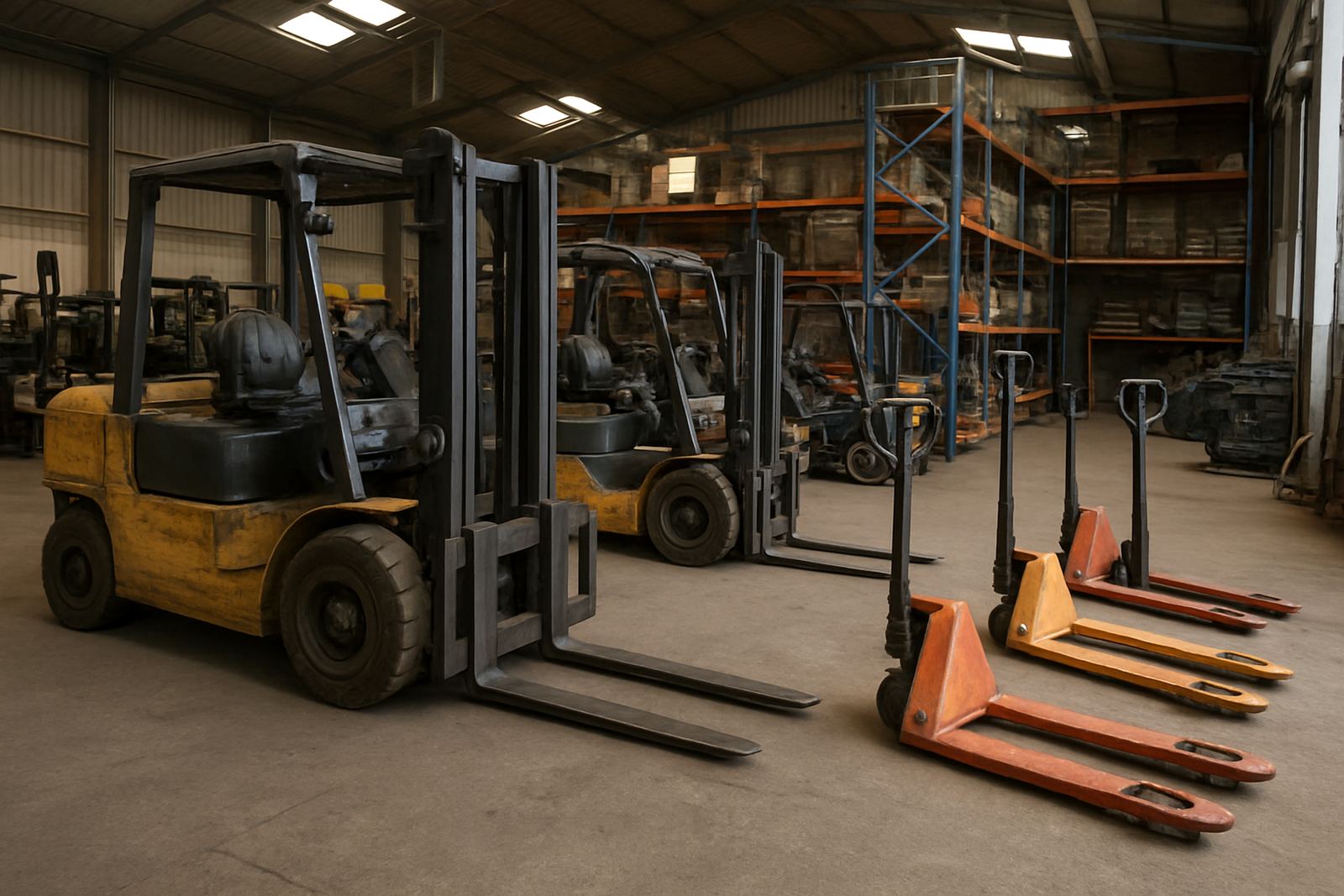
Some warehouse items tend to move faster than others because they are useful in almost any operation. Pallet jacks, stacking frames, shelving bays, mesh cages and mobile steps are common examples. These items are often bought by wholesalers, small factories, storage businesses and logistics operators who need quick solutions rather than a full capital project.
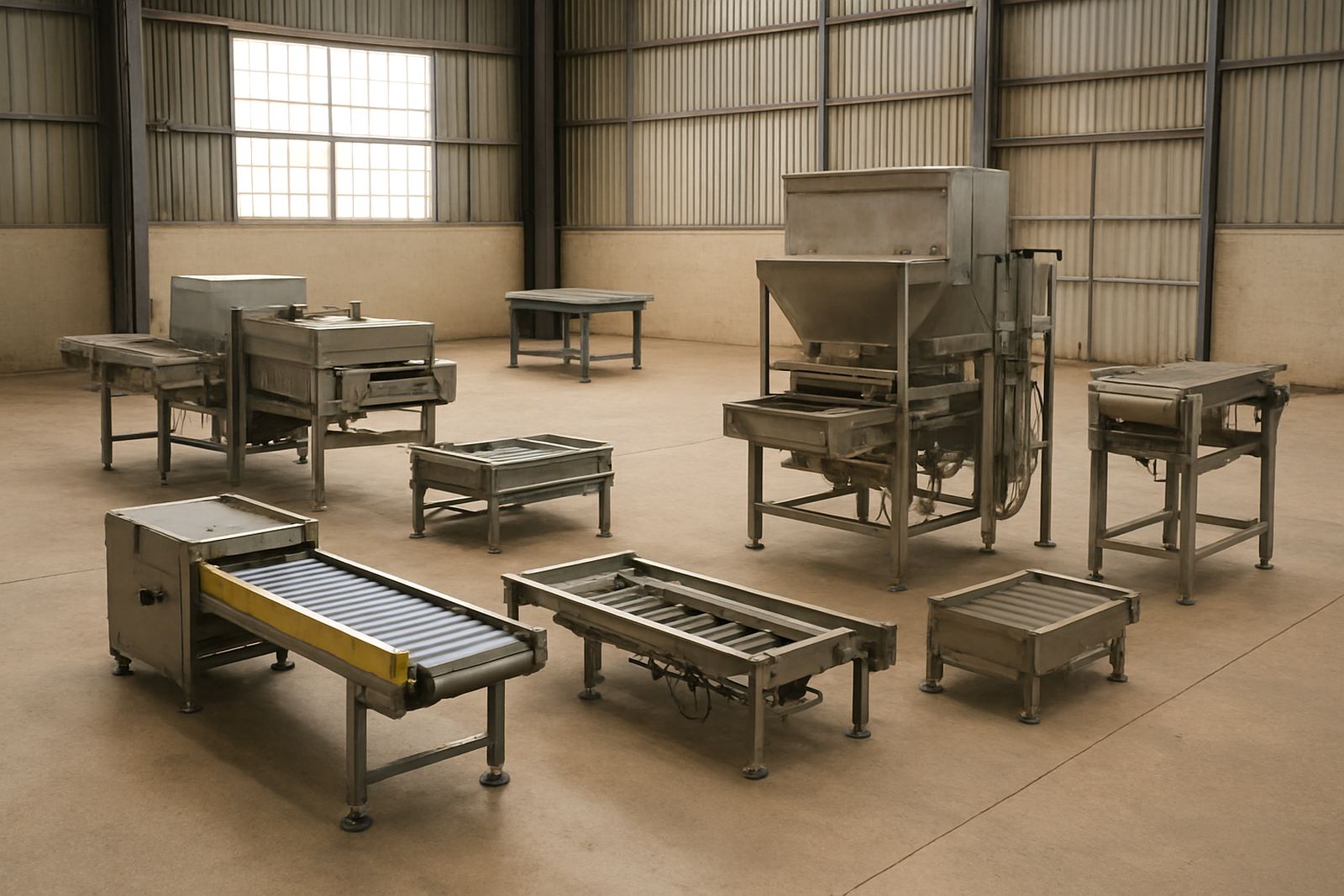
Bulkier systems can still sell well if the layout is right. Racking, mezzanine components and conveyor sections are attractive to buyers who are expanding storage or tightening up picking flow. In the current market, many businesses are watching every square metre, so anything that improves density or reduces handling time can attract strong interest.
There is also steady demand for support items that do not always get noticed first. Packing tables, trolleys, bins, shrink wrap stations and loading bay equipment may seem ordinary, but they are the pieces that keep a warehouse functioning when volumes pick up. A buyer in Johannesburg East might be replacing a worn set of rollers, while a Cape Town operator could be buying extra shelving to manage seasonal stock before the holiday rush.
- Pallet jacks and stackers
- Racking and shelving
- Cages, bins and stillages
- Conveyors and transfer lines
- Packing benches and work tables
- Loading bay and handling accessories
How sellers get better results from surplus warehouse stock
Sellers usually get stronger bidding when the lots are grouped properly and the information is accurate. A mixed yard sale with no labels can push buyers away because they do not know what they are pricing. Clear lot numbers, basic dimensions and a short condition note make a real difference. If a bay system has missing beams or damaged uprights, say so from the start. Buyers value honesty and it helps avoid issues later on.
Good photography also matters. Wide shots show the full system, while close-ups help buyers see corrosion, cracks, missing components or worn wheels. If a warehouse was operating near a loading dock, mention that too, because salt air and forklift traffic can affect condition. Even small details such as whether the unit was stored under cover or exposed to the weather can change buyer confidence.
Collection planning is part of the sale, not an afterthought. Large or awkward items need proper removal access, lifting plans and time slots. In busy industrial areas around Germiston, Johannesburg and Pretoria, that can be the difference between a smooth handover and delays that upset both sides.
What a local example looks like in practice
Take a mid-sized distributor in Germiston that is clearing older storage stock after moving to a tighter layout. The business may have a mix of pallet racking, mobile steps, cages and handling gear that still works, but no longer fits the new operation. Rather than store it, they list the assets through timed online auctions and invite buyers from Gauteng, Durban and Cape Town to compete for them.
At the same time, a buyer in Pretoria looking to open an overflow store can scan the lots, compare sizes and decide what fits their floor plan. A recycler in Bloemfontein may be interested in repairable items, while a smaller operator in Alberton might only need a few bays and a couple of trolleys. That spread of demand is what keeps warehouse equipment active across the country.
For sellers, the advantage is reach. For buyers, it is access to usable equipment without having to commit to full retail pricing. That balance is why practical handling gear continues to perform well. It is not about hype, it is about getting stock moved, sorted and out the door on time.
What to ask before buying used warehouse equipment
Before bidding, buyers should think beyond the hammer price. Transport from Germiston to Durban is not the same as moving a few shelving bays across town, and installation can be a real cost if the asset needs anchoring, levelling or reassembly. If the equipment is heavy, check whether your site has suitable access for a truck or forklift. A low bid can become expensive fast if the collection plan is weak.
It is also worth asking whether the gear matches your current operation. A warehouse with narrow aisles may not suit wide racking. A facility with frequent power cuts may need simpler handling items that do not depend on constant electricity. Buyers who plan ahead usually get more value and less downtime.
- Will the item fit the current site layout?
- What is the collection deadline and access requirement?
- Are all beams, shelves, motors or guards included?
- Does the item need testing before installation?
- Can the equipment be moved without special lifting gear?
What practical buyers track in this category
Warehouse equipment demand stays high because it sits at the centre of day to day operations. Stock has to move, be stored, picked and dispatched, and that work does not stop when budgets get tight. Used gear gives businesses a way to keep operating while managing capital carefully, which is why this category continues to draw attention from across South Africa.
For sellers, the market rewards clarity, fair reserve guidance and good lot presentation. For buyers, it rewards patience, careful checking and a clear idea of what the site really needs. When those three things line up, used warehouse assets can deliver solid value without long lead times or unnecessary spend.
That is the simple reason the category keeps performing. It solves a real business need, it is easy to compare, and it works in more than one industry. In a country where space, transport and electricity all affect operations, that matters quite a lot.