
Why closure sales need a different approach
When a factory floor, warehouse, retail branch or workshop shuts down, the pressure is usually on speed and control. There may be staff changes, lease deadlines, creditor meetings, utilities to finalise and a landlord waiting for keys. In that setting, a normal private sale can drag on for weeks and leave money on the table.
An online auction gives the seller one defined sale date, a public buyer pool and a record of what was offered. That matters when the site is in Germiston, Durban or Bloemfontein and the assets must be cleared in a set window. It also helps when equipment is spread across more than one place, because the auction can be organised as a single disposal programme instead of many small sales.
The main goal is simple, recover value quickly without losing track of what leaves the site. For business owners and insolvency teams alike, that is often the difference between a smooth wind-down and a messy one.
Start with a proper asset list and site check
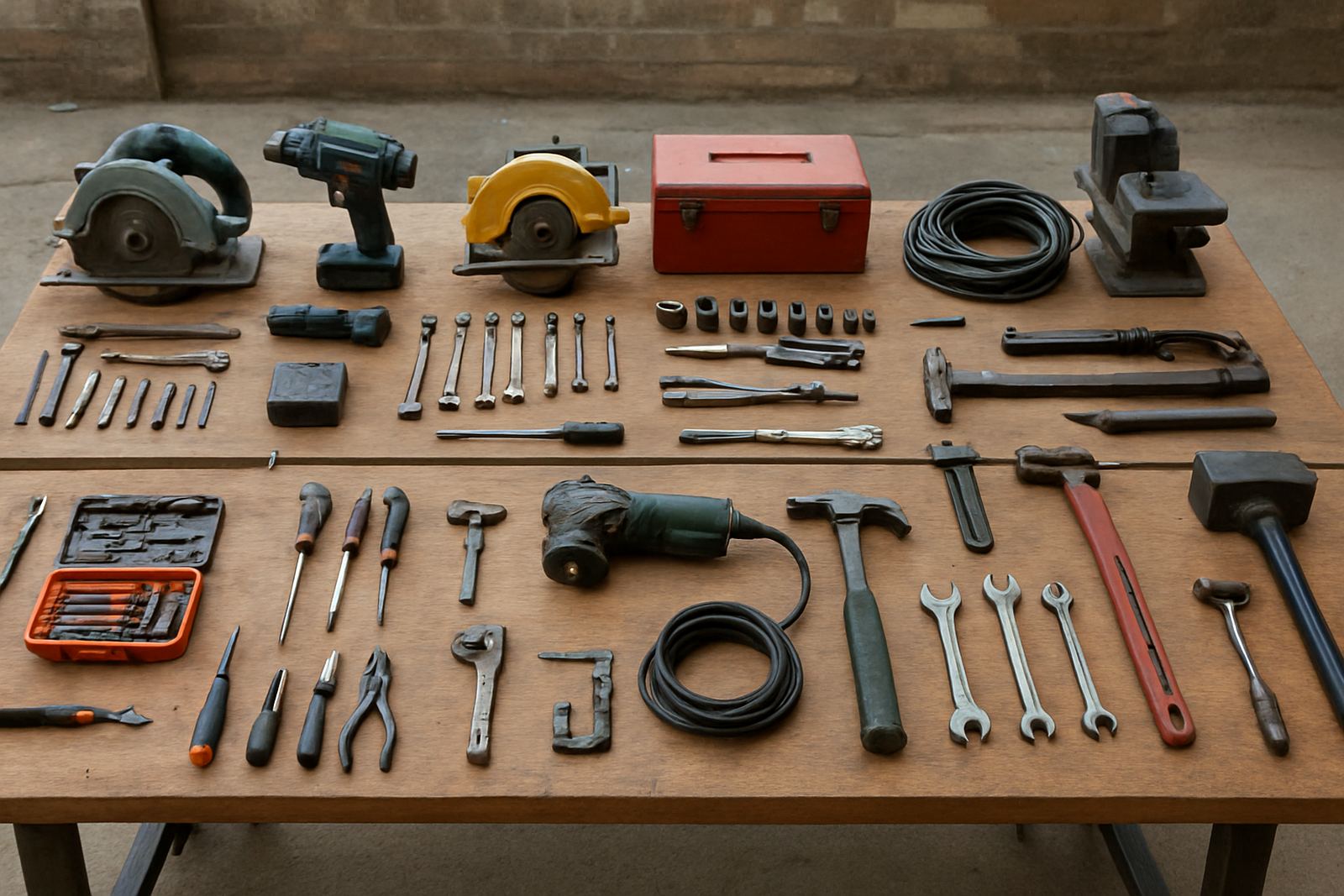
The first step is a full list of what is on site. Do not rely on memory or old stock sheets, especially after production has stopped and items have moved around. A proper sweep should cover machines, forklifts, generators, racks, office fittings, tools, spares, computers and any loose stock that still has value.
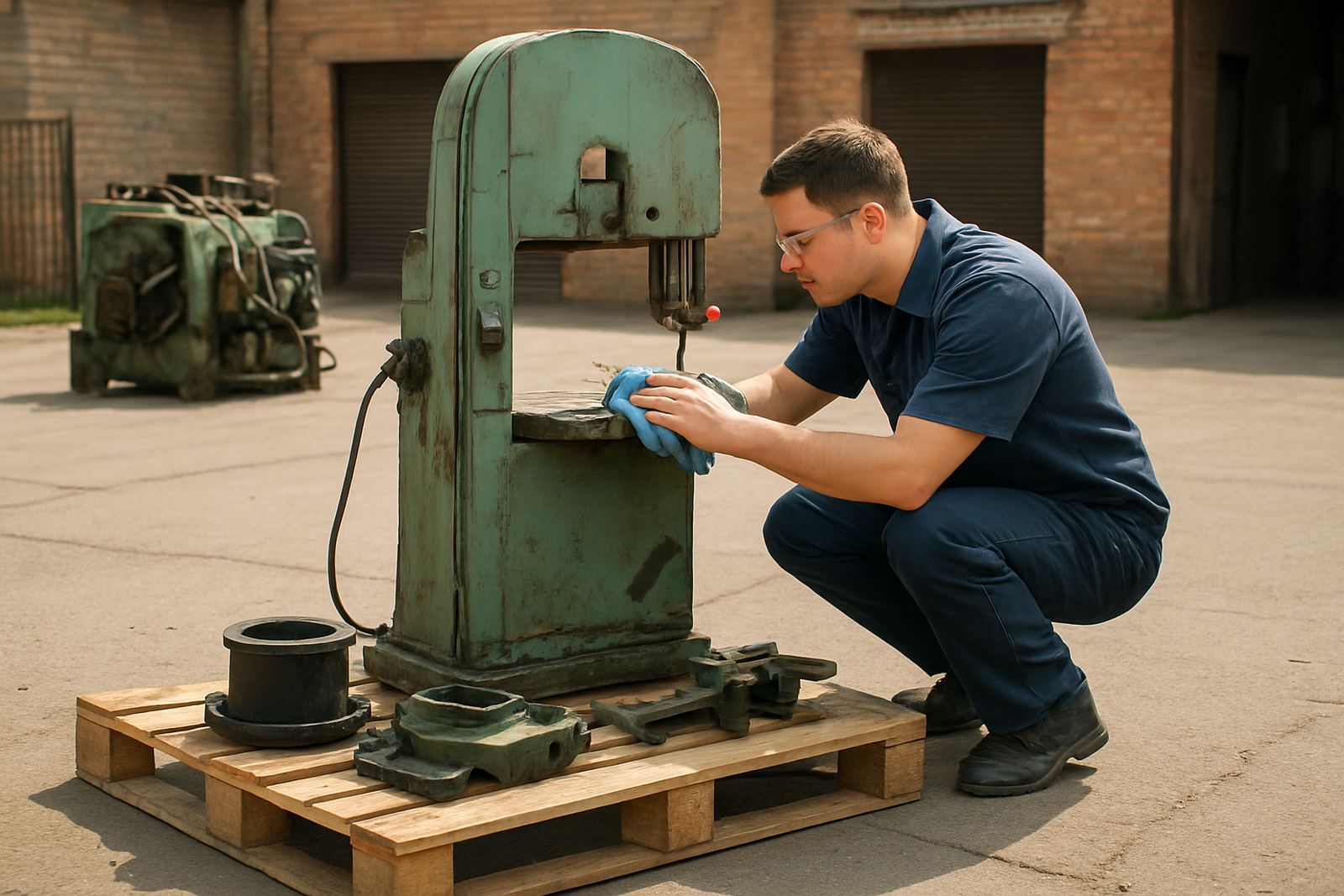
At this stage, condition notes matter. Buyers want to know if a lathe is under power, if a compressor starts, if a delivery vehicle has papers, and whether shelving is still anchored or already stripped. If the site has been idle for a while, note dust, corrosion, missing parts and any weather damage. Coastal humidity in Durban or salt air in Cape Town can affect pricing quite a bit, so honest notes save time later.
- Record make, model, serial numbers and approximate year where available
- Photograph every lot from more than one angle
- Mark items that need disconnection, lifting gear or a flatbed
- Separate saleable stock from scrap so bidders know what they are looking at
Good listings do not need fancy language. They need facts, clear pictures and enough detail for a buyer to decide before travelling to view.
Set reserve prices that protect value without stalling the sale
After a closure, people often set reserve prices too high because they remember what the equipment cost new. That is understandable, but it can backfire. A machine that sat idle through load-shedding, or a production line that has not been serviced in months, may not fetch a price close to its original value.
Reserve price guidance should be based on age, condition, recent market demand and how urgently the assets must go. A line that is complete and easy to restart will perform better than a half-dismantled setup. The same is true for items that are simple to transport, because buyers across South Africa will factor collection costs into their bids.
For sellers, the trick is to protect the bottom line without blocking the auction. A sensible reserve can keep the process moving and still give you a fair result. If you set it too high, the lot can pass unsold and sit there while storage, security and power costs keep running.
Use viewings to answer buyer concerns early
Viewings are where a closure sale either gains momentum or loses it. Buyers who can see the equipment, test what is allowed and check access routes are far more likely to bid. This is especially important for heavy machinery, where they need to plan rigging, cranes and transport before auction day.
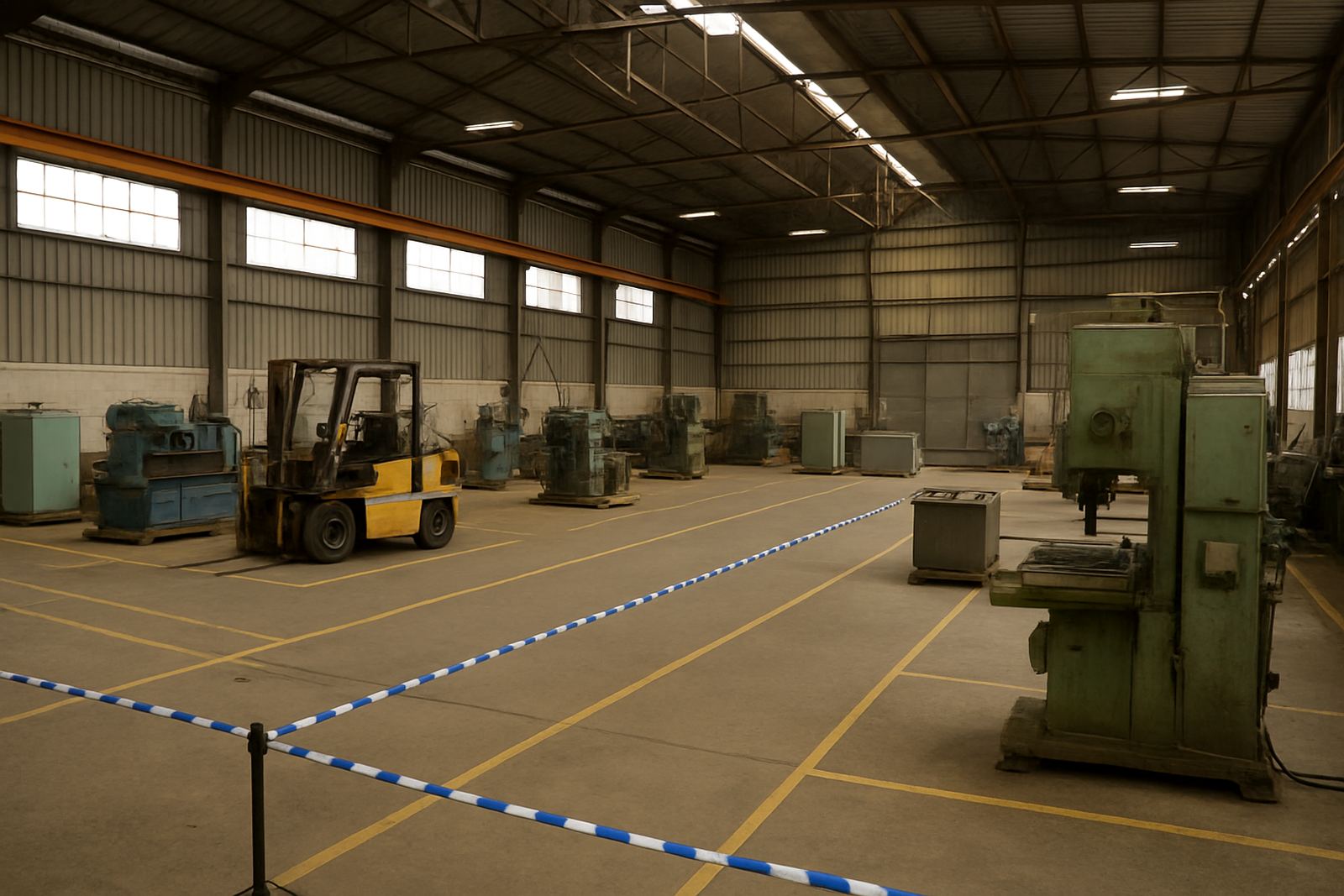
For a site closure in Johannesburg East or Isando, for example, the yard team may need to manage time slots so different buyers do not crowd the same area. In Pretoria or Alberton, the issue may be access for trucks and trailers. In Durban, buyers may ask about moisture exposure, while in Cape Town they often want to know about corrosion and storage conditions. Clear viewing management helps answer those questions before they become excuses not to bid.
- Give buyers a fixed viewing time and a clear route through the site
- Keep power-on tests limited to items that are safe to run
- Point out any missing parts or known faults on the day
- Have a staff member available to explain loading rules and collection dates
When the viewing is well run, buyers arrive with confidence and bids tend to be more serious, not just hopeful numbers.
Plan the clearance before the hammer falls
One mistake during closure sales is treating collection as an afterthought. In reality, payment clearance and collection coordination should be built into the sale from the start. If the buyer wins a lot but cannot remove it within the agreed period, the site remains cluttered and the seller carries extra risk.
Clear instructions should cover payment deadlines, collection windows, proof of payment and site safety rules. If there are multiple locations, such as Germiston, Pretoria and Durban, the schedule must be matched to each yard and the available staff. It also helps to separate lots that need specialist lifting from those that can be loaded by hand or with a pallet jack.
For companies closing a division rather than the whole business, multi-site dispersals can keep the process orderly. Assets from different branches can be catalogued and sold under one programme, which saves admin and gives buyers a broader selection.
A local example: closing a Gauteng workshop the practical way
Take a mid-sized engineering workshop in Germiston that has decided to shut one division while keeping the rest of the business open. The site has welders, benches, grinders, racking, a compressor, office furniture and leftover consumables. Some items are still serviceable, others are not worth moving.
Instead of waiting for scattered private offers, the business can list the assets in a timed online auction, open a viewing at the Germiston Viewing Yard and invite buyers from Johannesburg, Pretoria and farther afield. A clear lot catalogue, honest condition notes and reserve price guidance help separate the better items from the slower ones. The result is a cleaner yard, less admin and faster cash recovery.
That is the real value of an organised closure sale. It reduces confusion at a stressful time and it gives the seller a proper record of what was sold, when and for how much. It is not magic, just good process and a bit of discipline.
What sellers should focus on before auction day
Before the auction goes live, sellers should check the basics one more time. Missing keys, unpaid municipal accounts, blocked access roads or incomplete paperwork can slow things down and frustrate buyers. If there are company records, manuals or service logs, keep them together with the relevant lots. Those small details can support value.
Nominate one person to handle buyer questions. When too many people answer buyers, the message gets muddled. A single contact flow keeps the information consistent and avoids confusion about what is included, what must stay, and what needs to be removed by the buyer.
For site closure work, the goal is not just to sell everything. It is to leave the property in a manageable state, recover as much value as possible and close out the process without extra drama. That is the kind of ending most businesses need, even if the closure itself was never planned.