Why confidence changes the result of an auction
In a used machinery auction, confidence is not a soft feeling. It affects how many people register, how closely they inspect the lots and whether they are willing to bid up to the real market level. When buyers trust the process, they spend less time wondering what is missing and more time deciding what a machine is worth to their own operation.
That matters across South Africa where buyers may be comparing a machine in Germiston with another in Durban or Bloemfontein, often without being able to inspect both in person. Clear information levels the field. It helps a small workshop, a construction firm or a logistics operator make a decision based on facts instead of guesswork.
For sellers too, confidence improves the quality of the bidding. More serious buyers usually means fewer hesitant bids and a better chance of reaching the reserve price or getting close to it.
Start with lot information that answers real buyer questions
Buyers do not need marketing language. They need the facts that help them judge risk, transport and fit for purpose. A strong lot listing should include the machine type, age if known, power supply, approximate dimensions, condition notes and any missing parts or known faults. If an item has been standing idle during a period of load-shedding or storage, say so. If a forklift has seen light use in a warehouse, say that too.
One useful rule is to describe what is present and what is not present. That simple discipline cuts down on disputes later on. It also helps buyers plan collection, because a compact 3 metre unit and a 12 metre trailer load do not move the same way. In coastal areas, buyers also want to know if there are signs of corrosion or humidity related wear.
- Clear model or asset description
- Condition notes with visible defects listed
- Power, fuel or drive details
- Approximate size and weight where available
- Collection notes, access limits and yard location
Photos and viewing access must show the asset properly
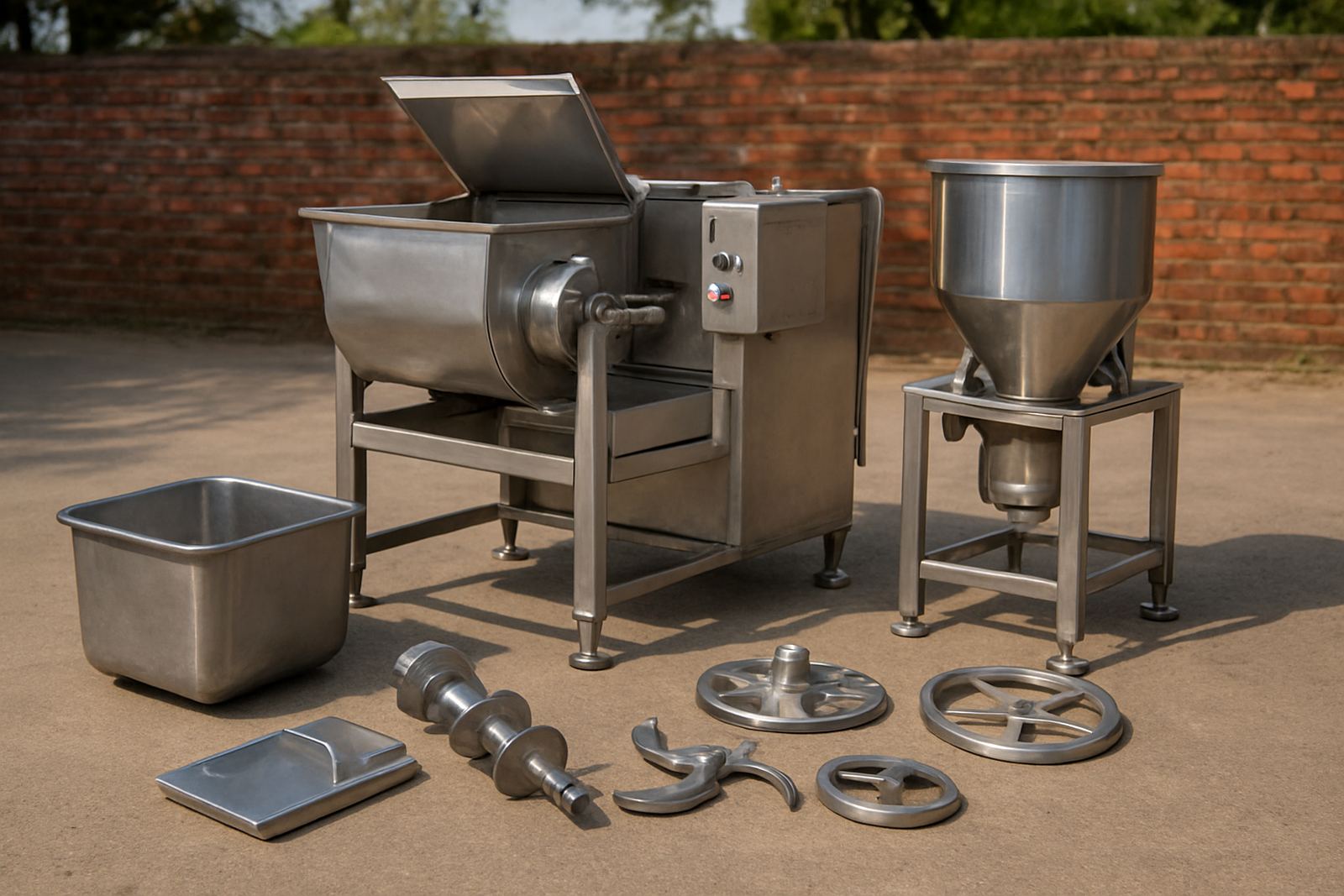
Good photographs are not about making a machine look better than it is. They are about giving buyers enough visual proof to make a sensible bid. Every lot should have wide shots, close-ups of wear points, control panels, tyres, cab interiors and serial plates where visible. For assets with multiple parts, photographs should show how the pieces connect.
In practice, viewings do the heavy lifting. A buyer who can walk around a press, test a conveyor belt visually or check the condition of a generator housing will bid with more certainty than someone relying on a single picture. For sellers in Gauteng, it helps to offer scheduled viewings at a yard that is easy to reach from Johannesburg East, Pretoria or Isando. For buyers outside the province, a clear set time and fair access window can make the difference between participation and silence.
- Photograph all sides, not just the best angle
- Include close-ups of damage, wear and serial marks
- Use the same lighting where possible for consistency
- Keep the viewing instructions simple and specific
- Note if power is required for inspection or testing
Reserve price guidance keeps expectations realistic
Many disputes start when sellers expect top retail money for assets that have already had years of use. Buyers notice that immediately. Clear reserve price guidance helps set a fair floor and gives the market room to respond. It also helps sellers understand the gap between hoped-for value and practical sale value.
An honest reserve is not a sign of weakness. It is a way of matching the asset to the right buyer. A machine in reasonable condition but with limited service history may still attract strong interest if the opening point is sensible. If the reserve is too high, bidders may hold back and the auction can stall. If it is too low, the seller may feel exposed. The aim is balance, and that comes from proper appraisal, recent market comparisons and local demand.
For example, a Germiston manufacturer clearing surplus stock after a production change may have several usable items that are no longer central to the business. If each lot is priced with care and explained well, bidders from Pretoria, Durban and Cape Town can see the opportunity clearly. That wider reach often improves the final result.
Make payment and collection rules easy to understand
Bidder confidence drops quickly when payment terms are vague or collection instructions change after the sale. Before the auction opens, buyers should know how payment clearance works, when the invoice is due and what documents will be required at collection. If site access is limited, those limits should be stated upfront.
This is also where practical detail matters. Buyers need to know if loading equipment is available, whether their own transport must be arranged and what time windows apply for removal. In industrial areas around Gauteng, access control and yard safety can affect collection more than the price itself. Clear instructions reduce friction and keep the handover organised.
- State the payment deadline before bidding starts
- List the collection window and site access rules
- Explain whether loading assistance is available
- Confirm what proof of payment or release note is needed
- Note any municipal or landlord restrictions that affect removal
Local buyers respond well to practical, grounded detail
South African buyers are often practical first and cautious second. They want to know if a machine is worth the transport cost from Cape Town, if a compressor is suitable for a workshop in Bloemfontein, or if a conveyor can be moved without special lifting gear. When the listing gives that kind of detail, participation tends to widen because people can quickly decide whether the lot fits their operation.
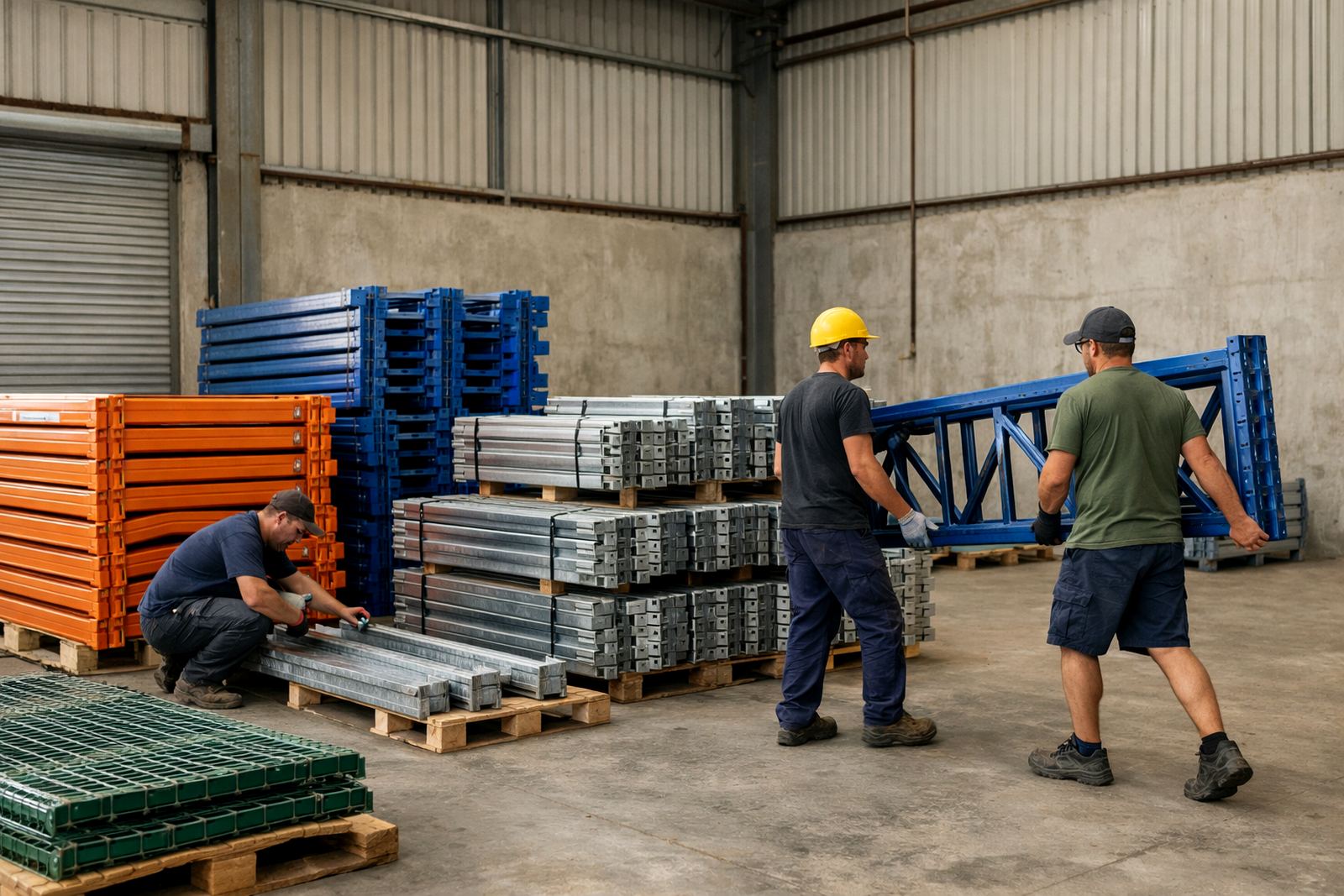
A local example is a multi-site dispersal where surplus assets are moved from a warehouse in Alberton and a production store in Germiston into one timed online sale. Buyers can view in person at the nearest point, compare similar lots across sites and bid with a better sense of condition. That clarity is especially useful for businesses watching cashflow closely, because it reduces the risk of buying the wrong asset and tying up working capital.
Transparent information does not guarantee every lot will sell at a high figure, but it does make the market more active and more honest. In auctions that is a real advantage.
The aim is not more noise, it is better decisions
Improving bidder confidence is about making the process easier to understand from start to finish. When the lot details are accurate, the photos are clear and the rules are consistent, more buyers feel comfortable taking part. That tends to create stronger competition and cleaner outcomes for both sides.
For sellers, the benefit is straightforward: informed buyers bid with less hesitation. For buyers, the benefit is just as clear: they can judge value properly, plan collection sensibly and avoid surprises after the hammer falls. In a market where every rand counts, that kind of clarity is worth a lot.