What buyers should have ready before registering
Before you register, make sure you have the basics on hand. Most buyers move through the sign-up process quickly when they already know the name of the buying entity, the registration number, and who will be authorised to bid. If you are buying for a close corporation, company, sole trader or trust, it helps to have the correct legal details close by so there is no back-and-forth later.
You should also prepare a valid identity document, current contact details, and the physical address where the business is based. If you plan to bid on machinery that must be moved by crane truck, lowbed or a standard bakkie trailer, it is worth checking access at your site before you bid. A good registration starts with clear information, not guesswork.
- Legal name of the buyer or business
- Identity document of the authorised bidder
- Cell number and working email address
- Vat number if applicable
- Delivery or collection address
- Who will sign for payment and release paperwork
How the registration process usually works
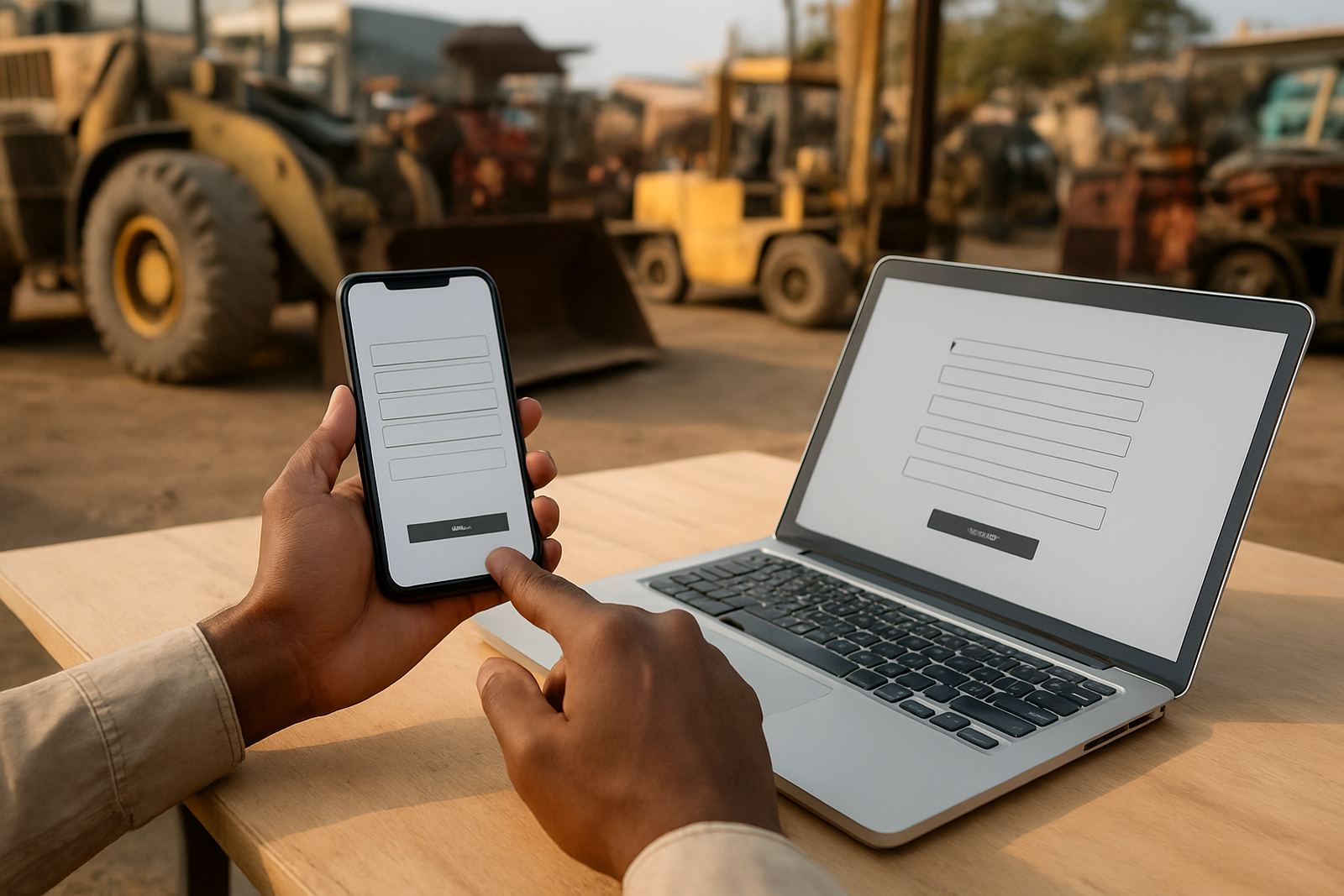
Registration is generally done online through the enquiry form on the contact page, then the team guides the buyer through the next steps. Once the details are checked, the buyer can be linked to the relevant auction or viewing instructions. In many cases, approval is quick, but it still depends on the accuracy of the information submitted and whether any supporting documents are needed.
Buyers should read the auction conditions carefully before bidding. Every lot is sold with its own terms, and the clearance, payment and collection timelines matter. If a generator, forklift or lathe is being sold, there may be specific notes about condition, hours used, accessories or removal requirements. That small print is where many buyers either save money or run into trouble.
- Submit your details through the enquiry form
- Wait for registration confirmation and auction access instructions
- Review the lot details and auction conditions
- Ask questions before the auction closes, not after
Why accurate business details matter on auction day
Accurate details are important because the bidder, the invoice and the collecting party all need to match up. If a company buys the lot but someone else arrives to collect it without authority, the handover can be delayed. That is especially common when buyers are managing multiple sites or buying for a branch in another province. It is a simple issue, but it can hold up release.
For example, a contractor in Germiston may register to buy shelving and a pallet stacker for a depot in Springs, while the finance office sits in Pretoria. If the registration details are not clear, the payment approval and collection papers can take longer than expected. Clear records make the process easier for everyone involved, particularly when municipal access times, yard rules or site safety checks come into play.
- Use the same business name on all documents
- Confirm who will approve payment
- Nominate the person who will collect the assets
- Keep your paperwork ready if the lot must be moved quickly
Viewing the asset before you bid
When possible, use the viewing points and scheduled inspections before placing a bid. A proper viewing helps you judge wear, missing parts, rust, tyre condition, wiring, hydraulic leaks and whether the machine is complete enough for your needs. This is especially useful for buyers comparing used plant in Johannesburg East, Isando, Pretoria, Durban, Cape Town or Bloemfontein, where site conditions can differ a lot.
In Germiston, for instance, a buyer looking at workshop equipment may find a machine that has been stored indoors and kept fairly dry, while a similar item near the coast could show more corrosion from humidity. That does not automatically mean the machine is poor value, but it does change what you should expect from it. View first, then decide what the item is worth to your operation.
- Check if all parts are present
- Look for signs of excessive wear or repairs
- Ask about power requirements and dimensions
- Confirm whether loading equipment is available on site
Understanding payment, clearance and collection
Winning the bid is only one part of the process. Buyers also need to understand payment deadlines, clearance documents and collection planning. In most cases, assets cannot be released until funds have cleared and the required paperwork has been completed. That protects both buyer and seller and keeps the auction process orderly.
If you are buying machinery that needs to be dismantled, lifted or transported across town, plan the collection early. A buyer collecting in Durban may need to book transport around port traffic and rain, while a buyer in Cape Town may need to work around tighter access or wind delays. It is better to line up transport and labour before the auction closes, rather than scrambling at the last minute.
- Pay within the stated time limit
- Keep proof of payment and clearance records
- Arrange labour, riggers or transport in advance
- Check site access hours before collection day
Common mistakes first-time buyers can avoid
First-time buyers often underestimate how quickly a good lot can move. They register late, skip the viewing, then bid without checking the cost of removal. Others forget that a machine may need special power, floor space or installation work before it can earn its keep. These are avoidable mistakes, and they usually cost more than the winning bid itself.
The safest approach is simple: register early, read the lot notes, inspect where possible and budget for the full landing cost. That includes transport, rigging, VAT if applicable, repair work and any site prep at your premises. If you are buying for a factory in Bloemfontein or a workshop in Alberton, the value is not just the price on the screen, it is the cost of getting the asset working for you.
- Do not bid before checking the conditions
- Do not assume the machine is plug and play
- Do not forget transport, rigging and repairs
- Do not leave registration until the auction is almost over
A practical Gauteng example for growing businesses
A small engineering business in Germiston may need a second-hand compressor, steel racking and a welding unit to handle a bigger order. Instead of buying new, the owner registers, reviews the lot information, attends the Germiston Viewing Yard and compares the condition of each item against the cost of buying new. That buyer can then bid with confidence, knowing the collection route from the yard to the workshop is realistic and the equipment fits the available space.
This is where good buyer registration helps. It keeps the process tidy from the start, gives the team the details needed to assist you properly, and helps you move faster when the right asset appears. For businesses across South Africa, from Pretoria to Durban and from Cape Town to Bloemfontein, that preparation can make the difference between missing out and securing a useful machine at the right price.
If you are ready to take part in an auction, get your details together first, then register and review the available lots with care. A little preparation goes a long way when the bidding starts.