Why seller data matters after the lot has closed
Many sellers only look at the final sale price, but the real value sits in the full auction record. Bid counts, watchlist activity, time of first bid, and how many bidders stayed active right to the end all tell you something useful about demand for your machinery or business assets.
For a plant manager in Germiston clearing surplus equipment after a production change, that data can show whether a machine was priced too high, whether the viewing times suited buyers, or whether the lot simply needed better photos and more detail. In South Africa where buyers often compare assets across Johannesburg, Pretoria, Durban and Cape Town, the numbers help you see what pulled attention and what was ignored.
Good data also cuts out guesswork when you plan the next disposal. If a forklift attracted solid interest in week one but low final bids, you may have strong demand but weak reserve price guidance. If a compressor had many views but no bids, the issue may be condition, paperwork, or the lot description itself.
The numbers worth watching on every auction
Not every metric needs to be complicated. The most useful seller data is usually simple, practical and easy to compare from one sale to the next. Once you start tracking the same items each time, patterns become clear.
- Lot views and unique visitors, which show reach
- Watchlist adds, which show buying intent
- Bids per lot, which show competition
- Bid timing, which shows when interest starts and how long it lasts
- Reserve met or not met, which shows how realistic pricing was
- Clearance rate, which shows how much stock actually moved
In many cases the best clue is not the winning bid, but the spread between the first bid and the last. A wide spread suggests active market competition. A narrow spread can mean the item had only one serious buyer, or that the audience was not well matched to the asset.
What bidder behaviour says about your asset mix
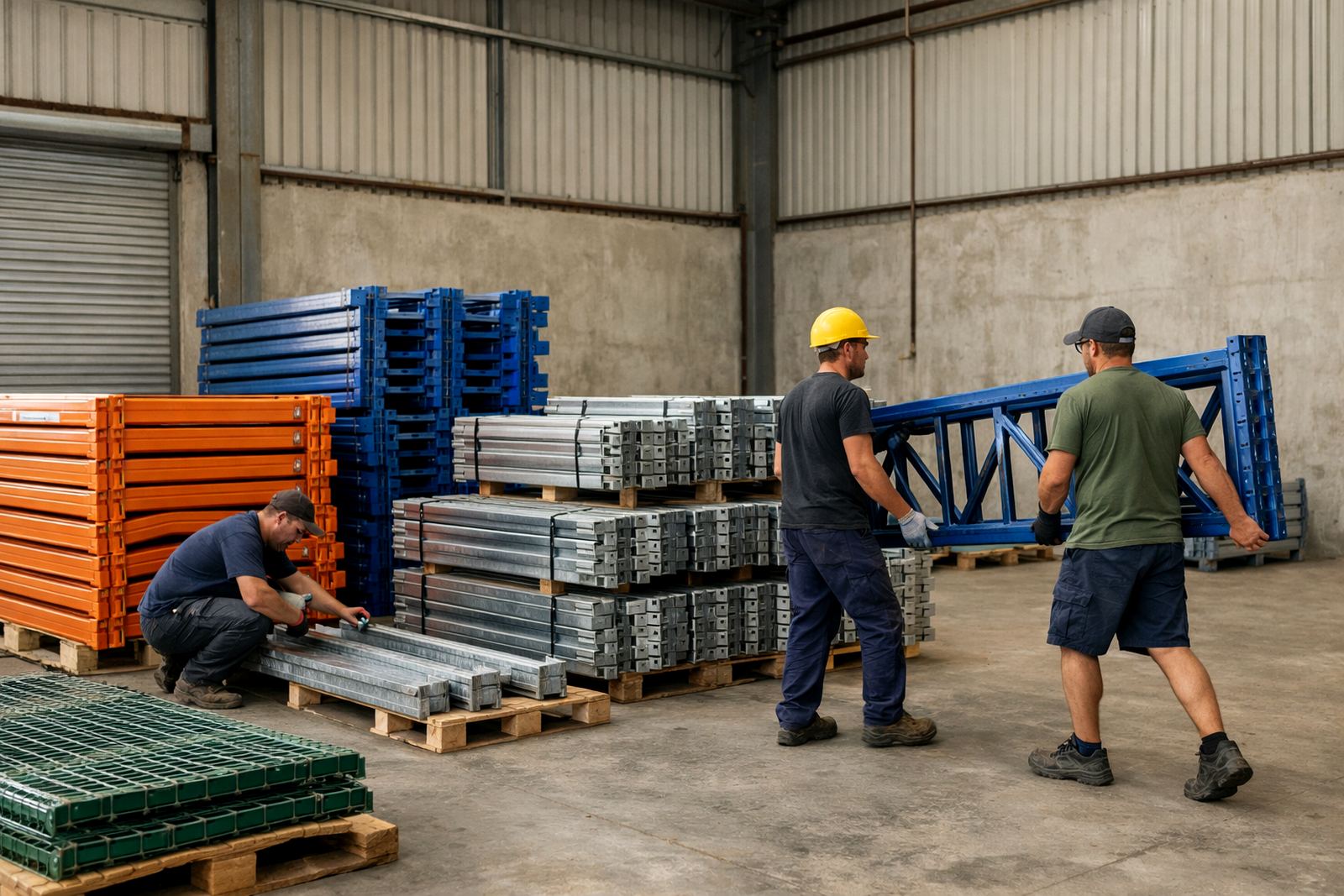
Bidder behaviour tells you which categories are pulling their weight. If pallet racking gets attention but older office fit-out furniture sits quiet, that is a sign to change how you bundle lots next time. The same applies to vehicles, tools, workshop stock and heavy machinery.
At times the lesson is about location. A seller in Alberton may find more interest in a compact service vehicle than in a large item that needs expensive transport. A buyer in Durban might place more weight on rust protection and humidity-related wear than a buyer in Bloemfontein. Those are not small details, they affect value.
Use the data to ask practical questions:
- Which lots drew the most bidders from the start?
- Which items only sold after price adjustments or extra promotion?
- Did buyers prefer complete machines over spares and parts?
- Were lots with service records more active than undocumented assets?
Once you know the answer, you can shape the next sale with better lot grouping, clearer descriptions and a more suitable reserve strategy.
Using auction records to set better reserves next time
Reserve price guidance works best when it is based on evidence not hope. Auction data shows whether your previous reserve was realistic for the market at that time. If a machine got steady views and decent enquiry but never reached reserve, the number may have been too high for the condition or the timing.
It helps to compare similar items over time. A 5 tonne forklift with strong service history may command more than a similar unit with tyre wear, oil leaks or missing paperwork. The data tells you how much more, and in some cases whether the gap is worth holding out for.
For sellers handling surplus stock sales or multi-site dispersals, this is especially useful. You can compare results across different yards and towns, then adjust your pricing model for the next round. That is how businesses reduce dead stock and avoid repeating the same mistake twice.
Keep a simple record of:
- Expected value versus final sale price
- Number of bidders per lot
- Any condition notes that affected interest
- Whether the item sold first time or needed relisting
A local example from Germiston to Durban
Take a manufacturer in Germiston clearing surplus workshop assets from two sites. The first sale includes presses, shelving and office furniture. The second sale includes a batch of smaller workshop tools and a diesel generator. The data shows the generator received the highest watchlist activity and multiple bids from Durban buyers, while the office furniture barely moved.
That tells the seller two things. First, buyers are more responsive to assets linked to uptime and power security, especially with load-shedding still affecting operations. Second, the office items may need to be grouped differently or sold as a bundle instead of as individual pieces.
On the next disposal, the seller can act on that evidence. They may schedule more viewings at the Germiston Viewing Yard, add clearer photos of wear points, and set a tighter reserve on the generator category. Small changes like that can lift sale performance without adding extra stockholding time.
When you work across Johannesburg East Viewings, Pretoria Viewing Point, Durban Viewing Point and Cape Town Viewings, the same logic applies. Local buyer behaviour is different in each area, so the auction data gives you a cleaner read on where demand is strongest.
Turning auction data into a better disposal plan
Data only helps if it leads to action. After each sale, look at what the figures are telling you and decide what to change before the next auction. That might mean new photo angles, a different lot order, or more detailed viewing arrangements for heavier assets.
Many sellers also use the results to plan cash flow. If a certain class of asset sells quickly, it may be the best option for raising funds without tying up more working capital. If another class repeatedly underperforms, it may be better to bundle it with related stock and move it on in one go.
A simple review process can include these steps:
- Compare the lot report with the final sale sheet
- Identify the top 20 percent of lots by interest and value
- Mark the items that drew views but no bids
- Check whether reserves need to move up or down
- Note any viewing pattern changes for the next sale
That approach keeps the process practical. It also means the next auction starts with better information, which usually leads to better outcomes for the seller.