
When the line still works as a unit
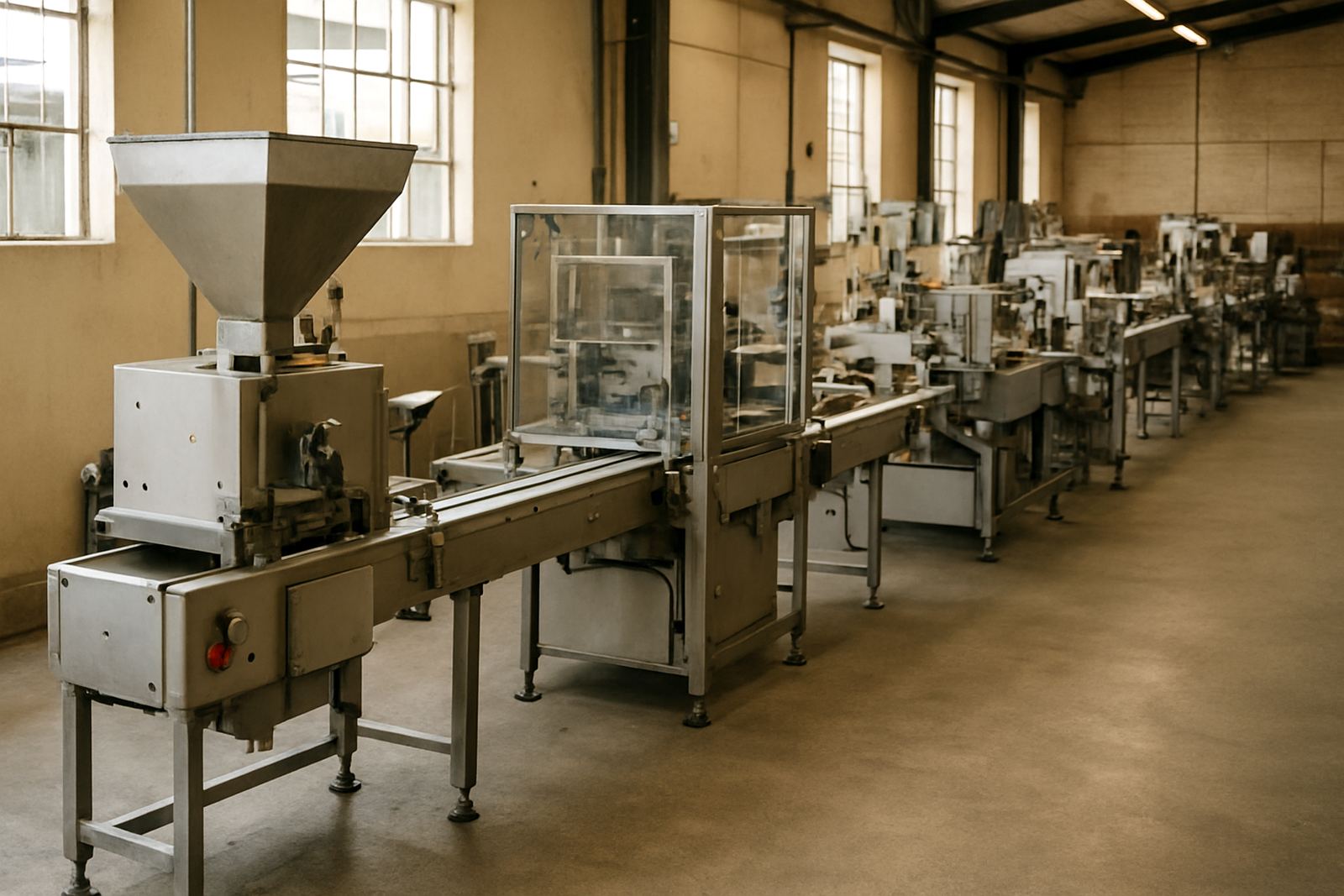
If the machinery was designed to work together and the line still runs in a sensible order, a whole-line sale can make far more sense than breaking it up. Buyers looking for a faster restart often want conveyors, feeders, processing machines, controls and support equipment that match each other, even if the line is not brand new.
This is especially useful when the set-up was built for a specific process, such as packing, bottling, cutting, grading or light fabrication. A buyer can see the operating flow clearly and the asset has a practical use from day one, which helps when they are comparing the cost of buying new against an immediate second-hand option.
- Keep the original machine flow intact where possible
- Include the controls, frames, guards and transfer equipment
- List spare parts and change parts with the lot
- Show which items were in daily use and which were backups
Why buyers pay more for an operating sequence
A buyer is not only pricing steel and motors. They are pricing time, installation risk and the effort of making separate items work together. When a line is offered as one lot, the buyer can picture the recommissioning job more clearly and that often supports stronger bidding.
For many South African businesses, especially in food, packaging and light industrial work, delays cost real money. If a factory in Germiston or Isando needs to replace a section of its process before the next order cycle, a complete line can be the quickest route back into production. That urgency can work in the seller’s favour.
- Less time spent sourcing matching components
- Fewer unknowns around compatibility and power needs
- Lower transport complexity than buying 10 separate items
- Quicker mobilisation for small and medium operators
The line is only worth selling together if the condition holds
Not every group of machines should stay tied together. If the line has major missing parts, damaged controls or a layout that no longer makes process sense, buyers may prefer separate lots. The key is to be honest about what is present, what works and what needs attention before the line can operate again.
Asset appraisal matters here. A seller should know whether the value sits in the full process, the core machines, or just selected items. Reserve price guidance must reflect that reality, otherwise the lot may sit with no bids or attract only scrap level interest. A clean valuation also helps when the line includes plant items that must be removed in sequence.
- Check whether any essential modules are missing
- Test motors, panels and safety circuits where possible
- Note corrosion, wear and dust from stored plant
- Separate consumables and packaging stock from fixed assets
A Germiston example: one packaging line, one clear sale
At a Germiston site, a warehouse team had a used packaging line made up of a filling unit, conveyor sections, a labelling station and a shrink wrapper. The business was changing product size and needed the floor space back. Selling the items separately would have left the buyer with mismatched sections and more install work, so the lot was marketed as one operational line with supporting items listed alongside it.
The viewing yard team arranged inspection in a way that let buyers follow the flow from start to finish. That helped serious bidders understand how the line sat on the floor, what power connections were needed and which parts were included. The result was a clearer bidding process and a cleaner clearance plan for the seller, which saved a lot of back-and-forth.
For businesses in Johannesburg East, Pretoria, Durban, Cape Town and Bloemfontein, that same approach can work well when the plant is still close to running order and the market wants a quick restart.
What to include in the auction listing
Whole-line sales need more than a simple list of machine names. Buyers want enough detail to judge the process, the condition and the removal requirements. Good cataloguing makes the lot easier to understand and can reduce disputes after the sale.
Strong photography matters as much as the written description. Show the line from several angles, the control cabinets, worn points, access routes and any hard-to-see components. If the plant is indoors and has been protected from dust or coastal humidity, say so. In Durban and other humid areas that detail can affect buyer interest more than people expect.
- State the line purpose and output type
- List major components in process order
- Add approximate dimensions and access needs
- Note electrical supply requirements and any special installations
- Explain whether dismantling is the buyer’s task or if collection support is arranged
When splitting the line makes more sense
There are times when a whole-line sale is not the best route. If the business is closing and the line has no practical use as a system, or if key units have already been removed, separate lots may bring better returns. The same applies where one machine is much more valuable on its own than it is as part of the set.
Load shedding is another practical factor. Buyers often ask whether controls were protected, whether the line has been idle for months and what condition the motors are in after starts and stops. If there is too much uncertainty, the auction team may advise a mixed strategy with the main line offered together and surplus stock or spare items sold separately.
- Split out high-value single machines if they have stronger demand
- Keep the core process together where the flow still matters
- Use separate lots for loose spares, pallets and consumables
- Match the sale method to the real buyer pool, not just the floor plan
The practical rule for sellers
Sell the whole line when the process still makes sense, the set-up is understandable and the market needs speed. Break it up when the value sits in individual items rather than the system as a whole. That simple decision can make a big difference to the final return and the time it takes to clear the site.
For South African sellers dealing with a tight relocation window, municipal rules on access, or a factory that needs to be handed back in good order, the right auction structure saves time and keeps the process tidy. The aim is not to sell everything in the same way. The aim is to sell each asset in the way that gives it the best chance of finding the right buyer.