Start With A Full Cold Room Inventory
The first step in any cold room sale is to count everything on site, not just the obvious panels. A buyer needs to know whether the sale includes insulated wall panels, ceiling panels, floor panels, door sets, curtain strips, evaporator units, condensing units, pipe runs, control panels and racking. If the room was modified over time, note every added section and every missing item. One missing corner panel can change the dismantling plan quite a lot.
At our Germiston base, we often see cold rooms where the original layout has been altered for a butchery, fruit store or warehouse packing area. That is why clear identification matters. Number each panel, mark the door opening, and separate fixed plant from loose fittings. If a room has two chambers, list them separately so the auction lot reflects the actual removal work.
- Measure overall length, width and height in metres.
- Count wall, roof and floor panels separately.
- Record door size, hinge side and lock condition.
- Note any corrosion, broken seals or missing trims.
Decide What Is Being Sold As One Lot Or In Parts
Cold room disposal planning works best when the seller decides early whether the room will go as a complete package or as split lots. Some buyers want the full structure with refrigeration plant, while others only want the panels for relocation or spares. If you split the sale badly, you can leave behind the very parts that make the room usable, so the lot becomes harder to clear.
For example, a food distributor in Isando may be upgrading a 24 m² chilled room and replacing older equipment. If the panels, evaporator and controls are all sold together, the buyer can plan one collection. If the door is separated too early, or the compressor is removed first, the remaining room loses value and the dismantling job becomes more awkward.
- Keep matching items together where possible.
- Separate spare panels only if there is a proper buyer market.
- Identify which parts need specialist removal.
- Check whether the room sits on a mezzanine, slab or level floor.
Sequence Removal So The Room Comes Down Safely
Collection sequencing is where many cold room disposals go wrong. Panels should not be removed before the refrigeration plant is isolated, and heavy equipment should not be lifted before the access route is checked. In older sites, there may be low doorways, tight passages or load-bearing roof members that require extra care. A planned sequence protects the asset and the building.
In Johannesburg East and Germiston industrial areas, many sites operate with tight yard space and limited truck access. If collection is not sequenced properly, teams end up moving panels twice, which increases the chance of dents and damaged tongues and grooves. It also slows down the handover, especially if the site is under pressure to clear before month-end or before a new tenant moves in.
- Isolate power and confirm the system is safe to work on.
- Remove loose shelving and internal fittings first.
- Take down plant only after the route is clear.
- Stack panels in order so reassembly is easier for the buyer.
Prepare The Viewing Yard Or Site For Accurate Bidding
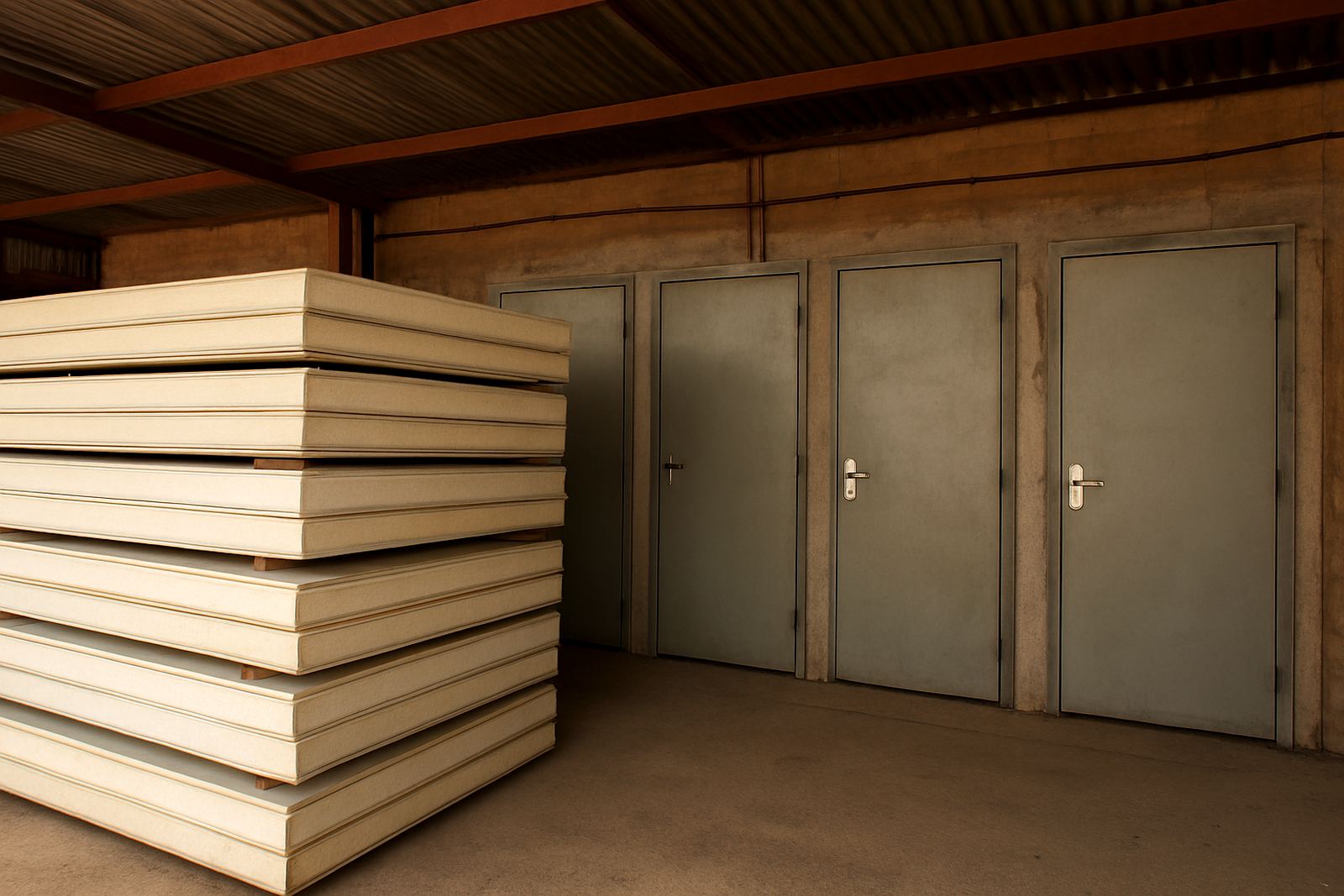
Buyers bid more confidently when they can inspect a cold room properly. Good viewing starts with access, markings and space around the lot. If the room is still standing, buyers need to see the external panels, floor condition, compressor location and any rust near the base. If it has already been stripped, the stacked components must be sorted by type and size.
At our Germiston Viewing Yard and other viewing points around South Africa, we recommend clear labelling on every stack. A simple note such as 40 panel pieces, 1 door set, 1 evaporator, 1 condensing unit gives the buyer a quick picture before bidding. It also reduces disputes later because everyone can see what is included. Small details matter here, especially if the room has been stored outdoors in coastal humidity or under sun and rain.
- Keep panel faces visible and not buried under scrap.
- Show wear, bends, dents and seal damage honestly.
- Photograph every corner, not just the best side.
- Separate cold room items from general plant and scrap.
Price Guidance Depends On Age, Size And Removal Risk
Reserve price guidance for cold rooms is not only about the equipment itself. Buyers factor in dismantling time, transport, labour and the risk of damaged insulation during removal. A well kept room in Pretoria may fetch more than a neglected room of the same size because the panels are cleaner, the seals are better and reassembly is simpler. Age also matters, since older systems can have worn locks and brittle insulation edges.
Asset valuation should consider how the room was used. A freezer room that held seafood will often need more cleaning than a dry goods room. A cold room in a warehouse with a stable electrical supply may also have less compressor stress than one that battled load-shedding and frequent restarts. These details help set realistic reserve prices and prevent the lot from sitting unsold.
When we prepare a sale, we look at practical factors like panel thickness, door condition, refrigeration spec and whether the buyer must hire a crane or forklift. That gives the seller a better chance of getting fair market interest, not just scrap interest.
Use Regional Collection Planning To Avoid Delays
Cold room buyers often travel across provinces, so collection timing must be organised carefully. A buyer in Durban may need to arrange transport, labour and temporary storage before collection day. A buyer from Bloemfontein may want exact panel counts and access details before committing to the trip. If the site is in Cape Town or Pretoria, road access, yard rules and municipal operating hours can also affect scheduling.
Good seller onboarding includes confirming who will supervise handover, where trucks can load, and whether a collecting team needs PPE or site induction. It also helps to note if the room sits inside a working factory, because that changes the collection window. When all of this is captured before the auction, the sale runs smoother and the buyer is less likely to pull out at the last minute.
- Confirm loading access for bakkies, flatbeds or trucks.
- Set clear collection dates and site rules.
- Make sure the buyer knows what tools are needed.
- Keep the site open for inspection before the auction closes.
A Germiston Example: One Room, Many Moving Parts
A recent cold room disposal from a Germiston industrial site showed why planning matters. The seller had one chilled room and a smaller ante room, both with mixed panel sizes and a shared refrigeration setup. The room looked simple at first, but once we listed the panels and checked the access route, it became clear that the panels had to be removed in a strict order to avoid damaging the door frame and ceiling joins.
Because the lot was catalogued properly, buyers could see exactly what was included, and the viewing at the Germiston yard made it easier to compare the components. The collection plan separated the plant from the panels, marked the two chambers clearly and allowed the buyer to load in sequence. That kind of order saves time, cuts confusion and helps both sides finish the sale without unnecessary hold ups.
For sellers across South Africa, that is the real value of cold room sale planning: fewer surprises, cleaner handover and a better outcome for assets that still have use in another operation.