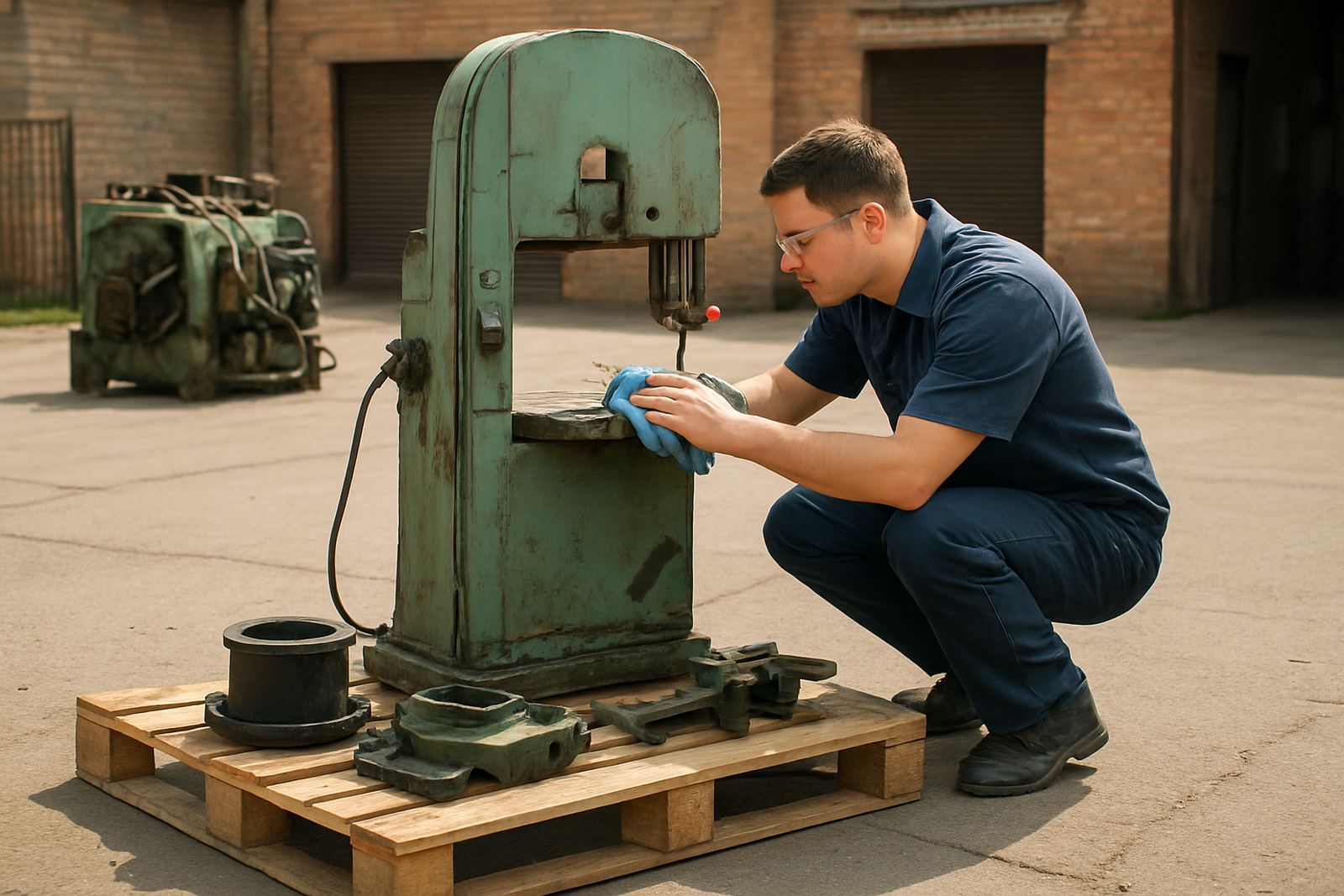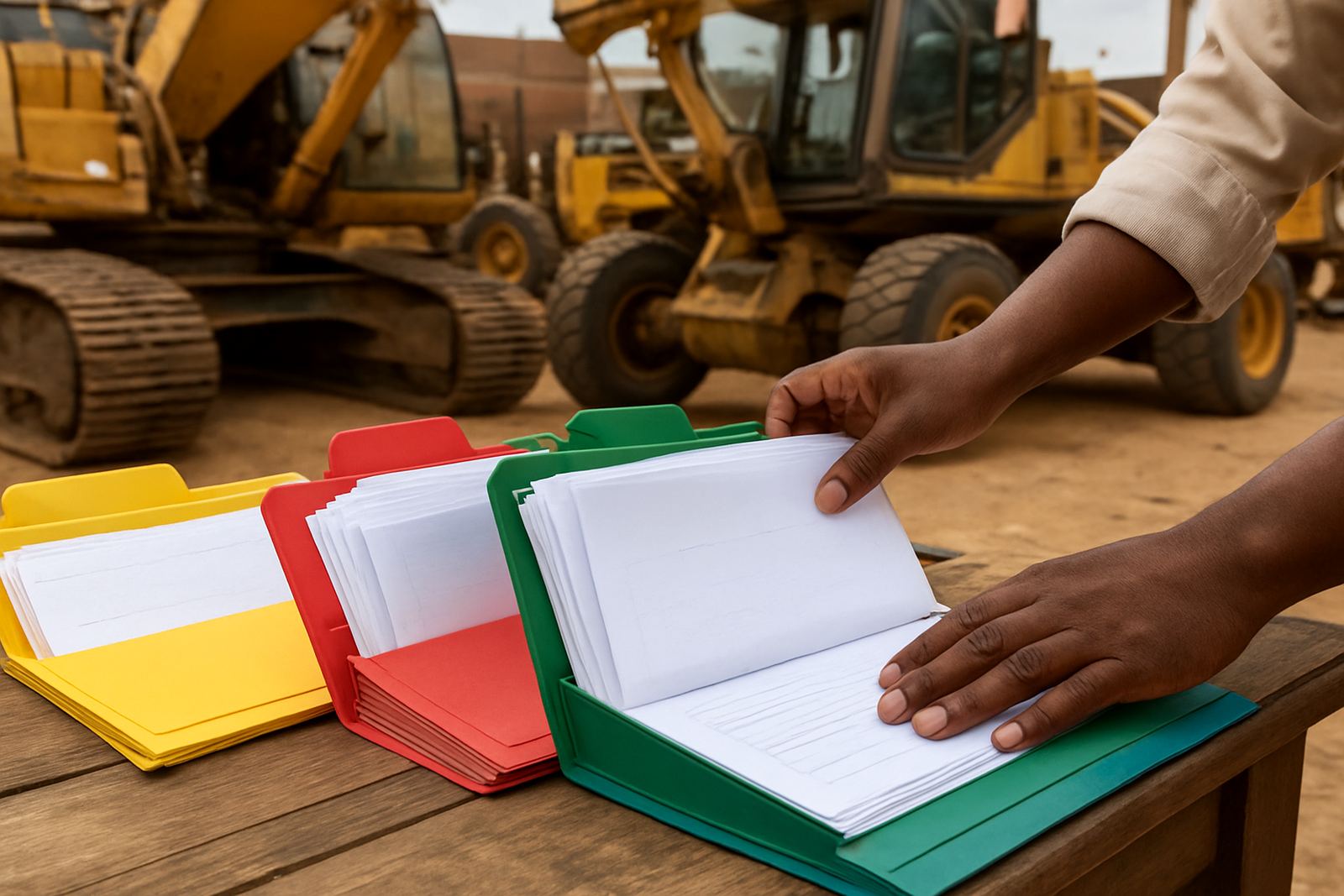
Why the delay happens after the hammer falls
Most post-sale delays do not start at collection. They start much earlier, when lot details, buyer records and payment terms are not matched properly. If the invoice is raised to the wrong trading name, if the VAT number is missing, or if the buyer has not confirmed who is collecting, the handover can stall for days.
In South Africa, many buyers are trying to move machinery across provinces, so one small admin gap can hold up a truck booking, a crane booking, or an insurance arrangement. That is especially true for heavier assets such as generators, compressors, forklifts and workshop equipment. Clear records save time and reduce back-and-forth.
Good auction administration also helps sellers. When the lot schedule, item condition notes and collection rules are accurate, the buyer knows what to expect and the yard team can release equipment without confusion. It sounds simple, but simple is what keeps a sale moving.
Paperwork that should be ready before collection day
The best time to fix paperwork is before the auction closes. Once the buyer has won, the clock starts on payment clearance, release notes and any supporting documents needed for removal. If a machine is going into a different province, the buyer may also need internal transport records and proof of payment for their own accounts team.
- Buyer invoice details checked against the bidding account
- Proof of payment matched to the correct lot or lots
- Collection authorisation for the named transporter
- Any serial numbers, asset tags, or engine numbers recorded correctly
- Release instructions for items that need dismantling or lifting equipment
For sellers, having these items in order helps avoid a queue of queries after the auction closes. It also reduces the risk of a machine standing in the yard for too long while everyone tries to sort out a missing signature or an unclear reference number.
How collection scheduling keeps yards moving
Collection timing matters just as much as payment. A seller may have multiple lots sold to different buyers, each with its own transport plan. If everyone arrives at once, the yard gets congested and loading slows down. Good scheduling spreads collections across the week and gives the yard team time to prepare each release properly.
For example, a buyer in Germiston might win a set of pallet racking and a stand-by generator, while another buyer from Durban arranges a flatbed for two compactors and a parts washer. If both collections are booked for the same morning, loading equipment, paperwork checks and site access can all clash. A cleaner schedule means fewer hold-ups, better safety and less waiting around in the sun.
Load-shedding can also affect timing. If lifting equipment, access gates or office systems are affected by a power cut, collections may need to shift by an hour or two. That is normal in Gauteng and should be planned for in advance, not left until the truck is at the gate.
What buyers should confirm before sending transport
Buyers often focus on the hammer price and forget the practical side of removal. Before you send a truck, confirm the item size, weight, access conditions and any stripping needed before loading. A machine that looks manageable on a screen can become awkward when it has to pass through a tight doorway or sit on uneven ground.
- Measure the collection vehicle and compare it with the yard access point
- Check whether a forklift, crane or tilt tray is needed
- Confirm whether fuel, oil or loose attachments must be removed first
- Ask if the machine needs to be isolated from power or compressed air
- Make sure the driver knows the site rules and arrival time
In coastal areas like Durban and Cape Town, buyers should also think about weather and corrosion. Rain, sea air and traffic delays can all affect the timing of a collection. A simple plan, with a backup date if needed, can prevent unnecessary storage fees and repeated trips.
What sellers can do to prevent release bottlenecks
Sellers have a big role in keeping the post-sale process moving. If a business is clearing surplus stock from a factory floor, warehouse or yard, the seller should know which items must stay in place until the full payment clears and which items can be prepared for lifting in advance. Clear internal instructions help the operations team avoid confusion.
Assign one person to handle questions about access, loading hours and site rules. When three different staff members give three different answers, buyers lose time and sometimes miss their transport slot. That is how small delays become expensive ones.
For multi-site dispersals, the plan should be even tighter. A buyer collecting from Germiston one day and Pretoria the next may need different loading teams, different gate instructions and separate release documents. The fewer surprises on collection day, the faster the handover will be.
A Germiston example of a clean handover
A local manufacturing business in Germiston sold a mix of workshop machinery, storage racks and surplus office equipment through an online auction. The buyer came from Bloemfontein and had one truck booked for the machinery and a second vehicle for the smaller items. Because the seller had the lot list, asset numbers and collection rules ready before closing, the paperwork went through quickly.
The collection was split into two time slots, the heavier items were loaded first and the smaller assets were released after a final count. There was no rush at the gate and no confusion about which items belonged to which invoice. That saved both sides time, and the buyer avoided paying extra for a truck standing by while someone hunted for missing details.
That kind of handover is not luck. It comes from clear records, realistic scheduling and a team that understands what happens after the auction ends. When those three parts work together, the sale closes properly and the asset leaves site without drama.
The simple rule: sort the end before the sale begins
Post-sale delays are usually preventable. If the paperwork is checked early, the payment process is clear and collection times are booked with actual transport needs in mind, the handover moves faster and the seller can clear space sooner.
For businesses dealing with used machinery, surplus stock or multi-site asset sales, the aim should always be the same: no confusion, no lost time and no machine sitting in the yard for an extra week because one document was missing.
That is why good auction admin matters just as much as a strong closing bid. The sale is only complete when the asset is paid for, released and collected properly.