Why a viewing changes the bidding decision
Online auctions move fast, but a photo set and lot description can only tell you so much. A proper viewing lets you see wear, missing parts, access issues and general upkeep before you commit funds.
For buyers in Johannesburg, Pretoria, Durban, Cape Town and Bloemfontein, that matters because transport, lifting and recommissioning costs can change the real price by thousands of Rand. A machine that looks like a bargain on screen may need hoses, tyres, wiring work or a service before it is ready for site.
When you attend a viewing, you are not trying to negotiate on the spot. You are gathering enough detail to bid with your eyes open, and that reduces the chance of a costly mistake after payment clears.
What to check while you are on site
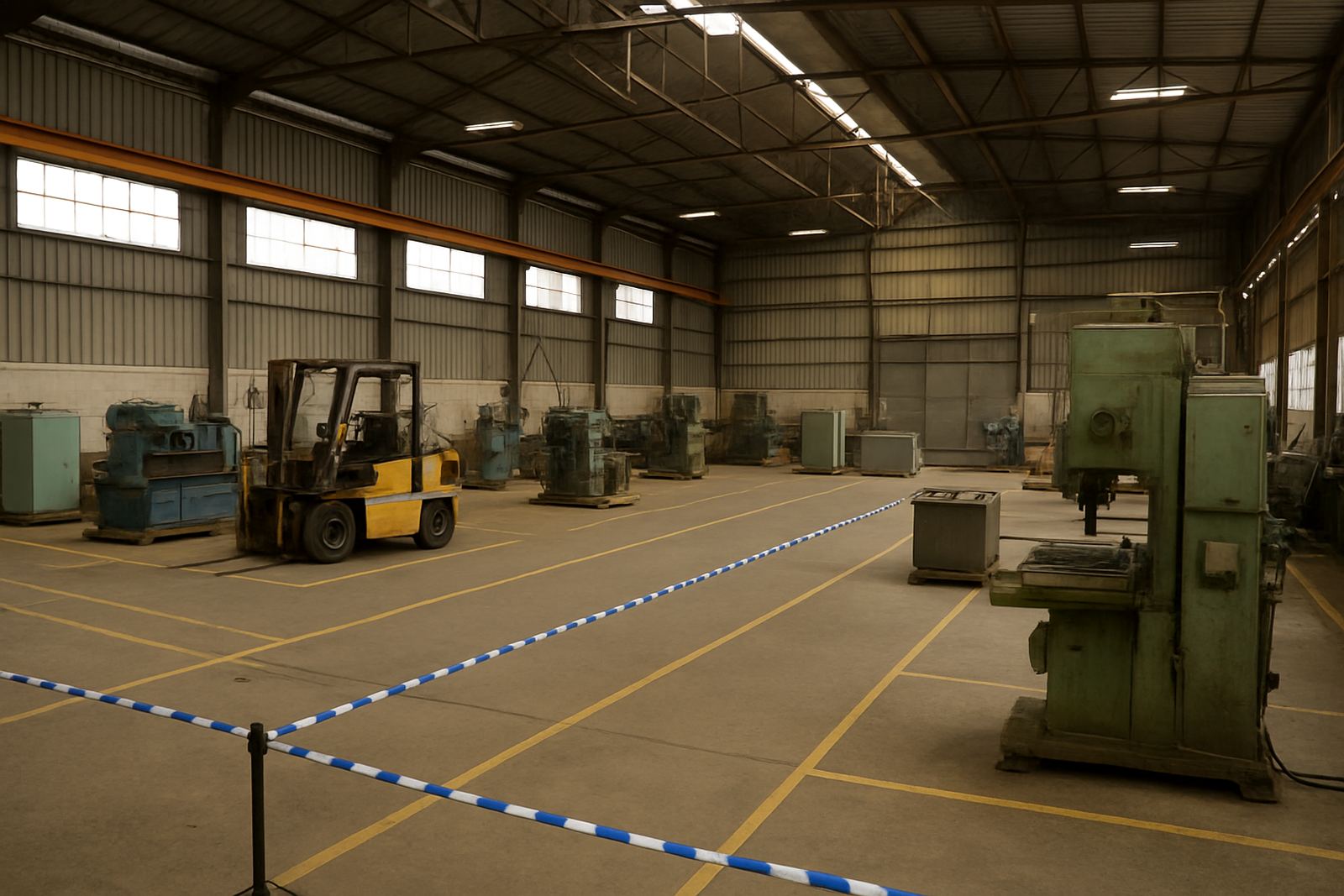
A good viewing is not about rushing around and trying to inspect everything in five minutes. It is better to work through the lot carefully and ask simple, direct questions. If the machine is in a yard in Germiston, Isando or Alberton, take your time and note any visible faults before the auction clock runs out.
- Look for dents, cracks, rust, oil leaks and damaged guards
- Check tyres, chains, belts, blades, forks and other wear items
- Confirm whether batteries, cables, remotes or attachments are included
- Ask when the item was last used and whether it starts or runs
- Measure access points, load dimensions and lifting needs for collection
If something is important to your operation, ask it on site. A lot can say “used condition” and still hide a small but costly issue such as a bent frame or missing control panel. Those details affect downtime, parts costs and whether the unit fits your team’s schedule.
How viewings help with reserve prices and value
Viewings are useful for more than spotting damage. They also help buyers judge whether the reserve price makes sense compared with the condition on offer. That is especially useful on surplus stock sales and multi-site dispersals where assets may come from different depots and working environments.
At BidThis, seller onboarding and asset valuation go hand in hand with viewing management, so the information available to buyers is as clear as possible. If a lot has been used indoors, under cover, or in a dusty yard with limited maintenance, the wear pattern tells a story. You can use that story to decide if the reserve is fair or if your bid should stay conservative.
It also helps when you are comparing similar lots. Two identical machines may look alike online, but one could need only a clean and service while the other needs seals, tyres and electrical work. That difference matters when you are planning cash flow and delivery dates.
Local example from a Germiston buyer
A buyer from a small fabrication shop in Germiston recently viewed a welding-related asset before bidding. On the listing, the unit looked tidy and complete. During the viewing, the buyer noticed a damaged cable, a missing foot switch and visible rust near the base plate. None of that made the machine worthless, but it changed the numbers.
Because the buyer saw the faults before the auction closed, they adjusted their limit and planned for repairs. They still won the lot, but they were not surprised after collection. The repair bill was manageable and the unit was back in use without holding up production.
That is the point of a viewing: not every issue is a deal breaker. Some are simply bargaining facts. When buyers know the facts, they can bid with confidence instead of hoping for the best.
Questions buyers should ask before the auction ends
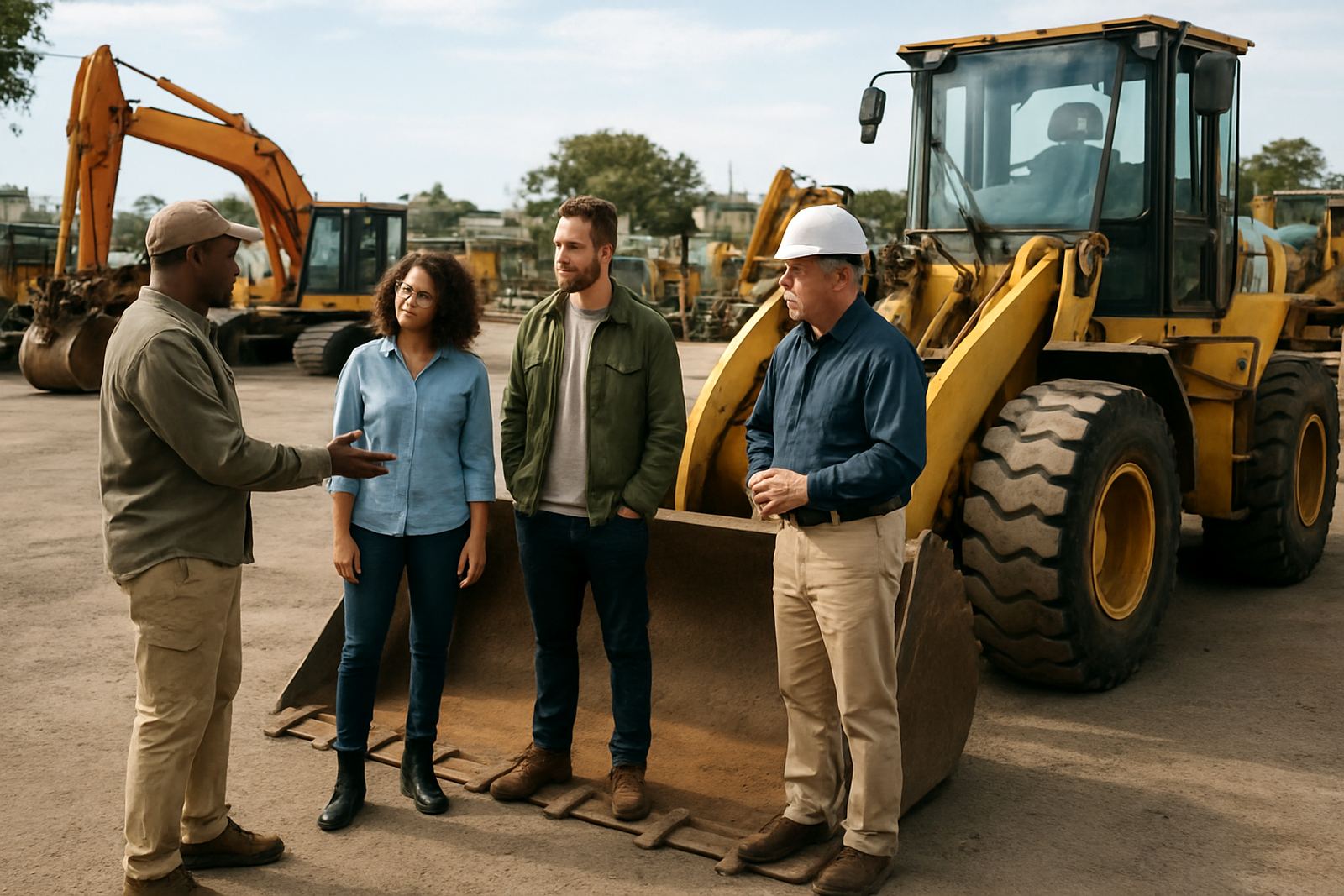
Good questions are short, specific and practical. The person on site may not have full technical history for every item, so keep the focus on what affects use, removal and cost. A few minutes of questioning can save a lot of trouble later on.
- Has the item been tested recently
- Are there any known faults or missing components
- Is the power supply, voltage or fuel setup standard for my site
- Will a forklift, crane or low-bed truck be needed for removal
- Are there any site rules for loading times, PPE or vehicle access
These questions matter in coastal areas like Durban and Cape Town where humidity, salt air and corrosion can shorten the life of equipment. They also matter in busy industrial zones where collection windows are tight and loading must fit around yard rules and municipal traffic limits.
Why appointment-based viewings lower friction for buyers
Inspection appointments give structure to the process. Instead of arriving unprepared and trying to inspect a full yard in a hurry, buyers get a set time to review lots, take notes and speak to the viewing team. That makes the whole auction easier to manage, especially when several assets are listed across different locations.
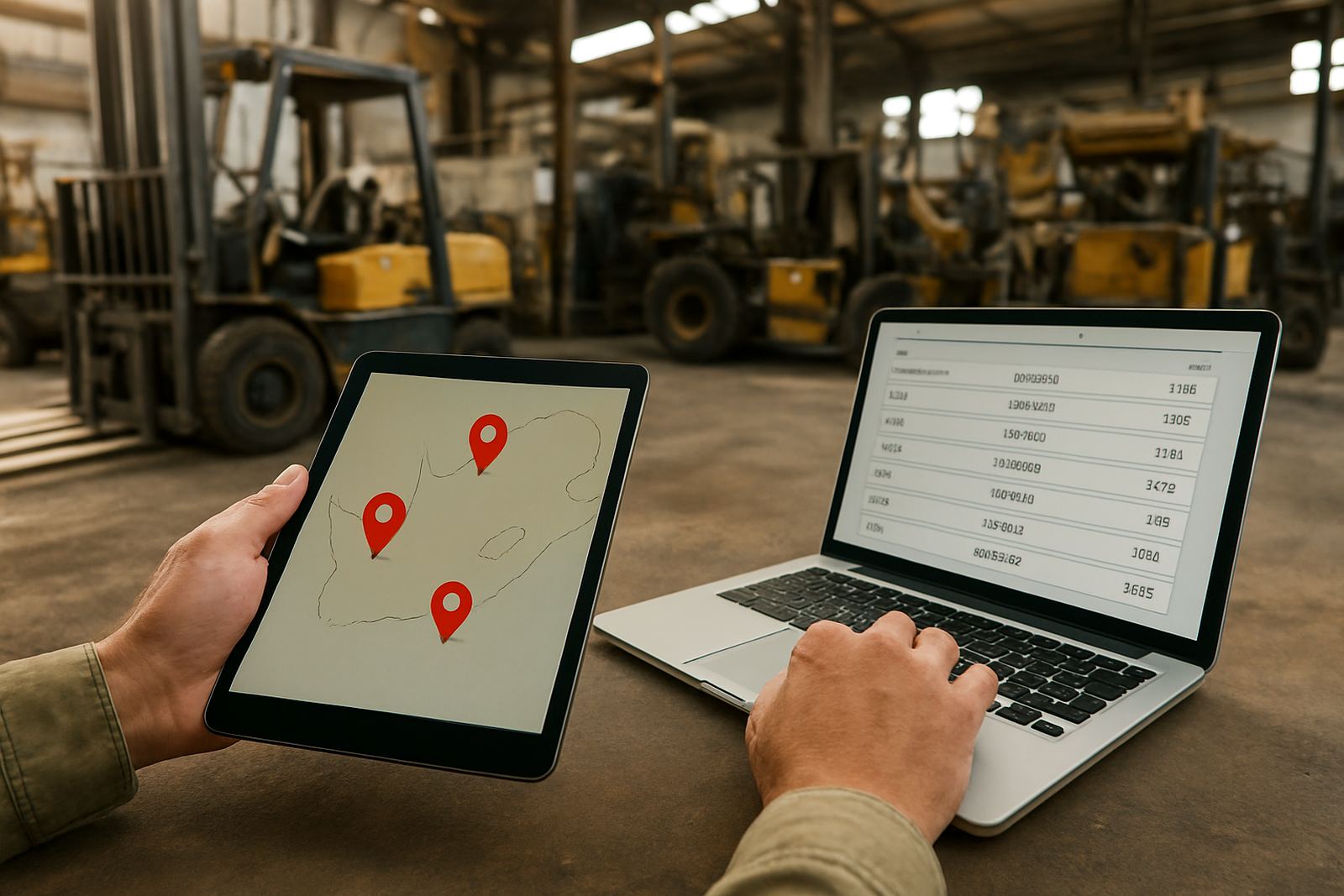
BidThis supports viewings through Germiston, Johannesburg East, Pretoria, Durban, Cape Town, Bloemfontein, Isando and Alberton viewing points, so buyers can plan around their route and the lots they actually want. If you are comparing three machines across different sites, it helps to line up the visit before the closing date rather than after.
When the process is organised properly, buyers spend less time guessing and more time deciding. That is good for seasoned traders and first-time auction buyers alike. It also means payment, clearance and collection can move faster once the hammer falls, because the buyer already knows what they are getting.
How to make the most of a viewing appointment
To get real value from a viewing, come prepared. Bring a notebook, a measuring tape, and if needed, someone who understands the type of machine you are buying. A second set of eyes often catches the small details that change your bid.
Go in with a clear ceiling price already worked out. Work backwards from the bid amount, then add transport, repair allowance, VAT where applicable and any collection costs. If the numbers still work after a proper inspection, you are in a stronger position to bid.
Viewings do not remove all risk, but they reduce the unknowns. In an auction market, that is often the difference between a smart buy and a costly lesson.