Why Used Farm Equipment Keeps Moving
Farm buyers are usually practical. They want kit that starts first time, handles rough ground and can be maintained with parts they can still get locally. A machine does not need to be shiny, it needs to pull, spray, pump or cut when the job is on. That is why used tractors, trailers, planters, slashers and irrigation pumps remain in demand across Gauteng, the Free State, KwaZulu-Natal and the Western Cape.
For many farms, the buying decision comes down to timing. A farmer may need a replacement pump before a dry spell, or an extra tractor before harvest, and waiting for new stock can slow everything down. Used equipment can fill that gap quickly if the buyer knows what to check and if the auction details are clear from the start.
There is also pressure from rising input costs, fuel and repair bills. Buyers want more value for each Rand, especially on smaller mixed farms and for contractors who run more than one site. In that setting, a well described auction lot often gets more attention than a private sale because people can compare condition, hours and photos in one place.
What Buyers Watch Before They Place a Bid
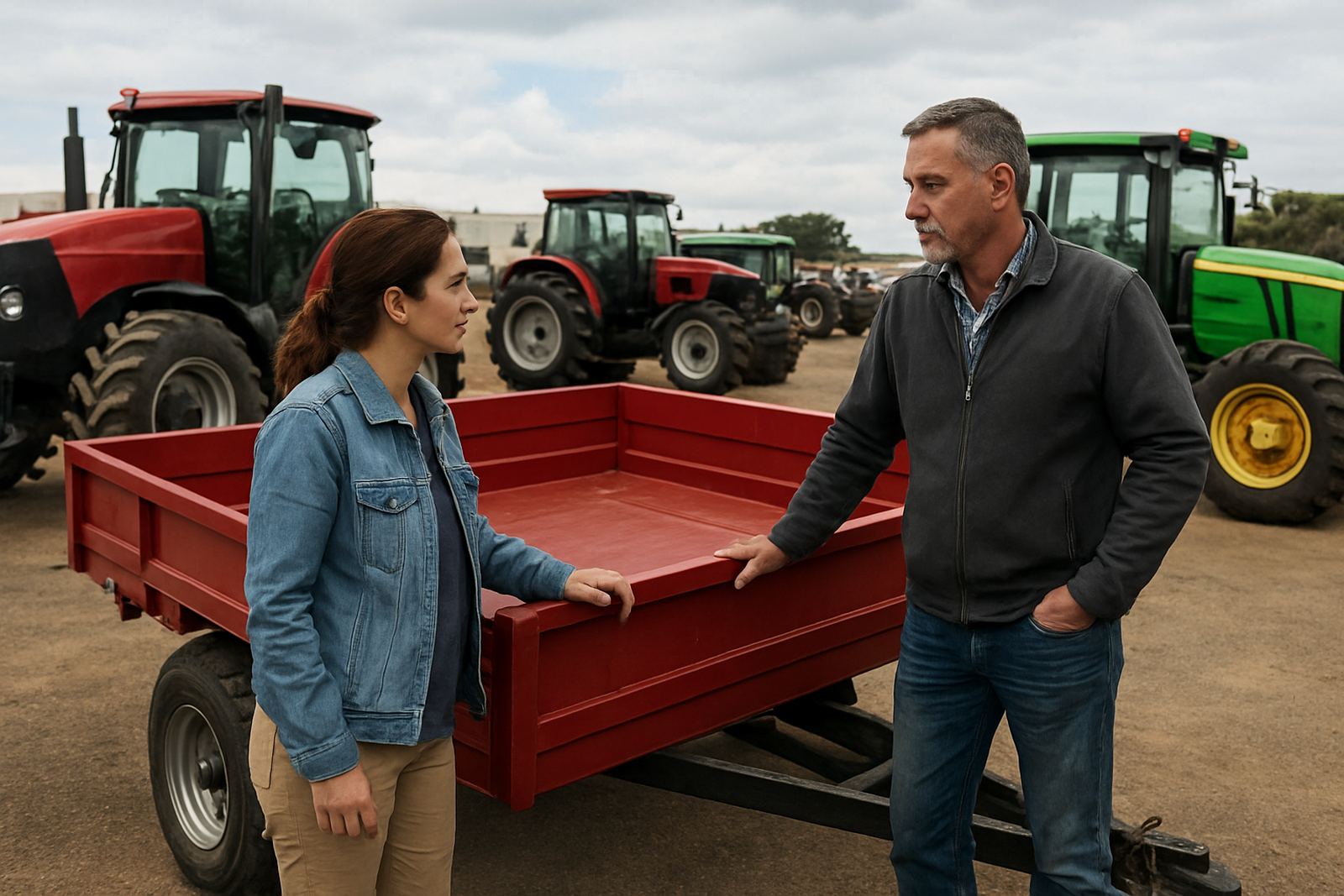
A serious farm buyer does not look only at the make or the paint. They check signs of wear, service history and whether the machine still suits the work on hand. A 75 kW tractor that is ideal for light tillage may not be enough for heavy loader work, while a strong pump with the wrong flow rate can waste diesel and time.
- Engine start up, smoke and idle quality
- Tyre wear, wheel rims and axle play
- Hydraulics, PTO function and lift capacity
- Leaks from seals, hoses and couplings
- Hours used, service records and previous repairs
- For pumps, flow rate, impeller wear and motor condition
Ground conditions and climate should be part of the decision. A buyer in Bergville may need different traction and cooling than someone working near Upington, while coastal humidity in Durban can affect electrics and corrosion. That is why inspection detail matters. If the lot notes are clear, buyers can judge whether the machine fits their land and not just their budget.
How Auction Listings Help Buyers Compare Better
When used farm equipment is listed well, buyers can compare options quickly instead of driving all over the country. Good lot cataloguing brings together photos, dimensions, condition notes and any known faults so the buyer can narrow down the field before bidding. That saves time for a farming business that cannot spare a full day to chase leads.
Clear listings also help buyers from different towns make sensible decisions. Someone in Bloemfontein may bid on a planter in Germiston if the transport cost still leaves room in the budget. A buyer from Pretoria might look at a diesel pump in Johannesburg East, then organise collection only after the paperwork and payment clearance are in place.
For farm buyers, transparency is not just nice to have, it protects the season. If the reserve price, viewing dates and collection steps are set out properly, the buyer can plan transport, labour and downtime with less guesswork. That makes online auctions practical for both a single machine and a batch of surplus stock.
Local Example: A Grain Farmer Replacing Old Kit
Take a grain farmer outside Bothaville. One of his older tractors begins showing repeated hydraulic issues just before planting, and the repair quote is too high to justify for another season. Instead of taking a long view and hoping it holds, he watches a used equipment auction for a replacement unit with similar power, better tyres and serviceable hydraulics.
He checks the photos, asks for a viewing, then compares the lot against two other tractors in the same price band. He notices one has good bodywork but signs of oil seepage, while another has stronger tyres but more hours. In the end he chooses the machine that suits his implement set and budget, then arranges collection through the auction process. That is the benefit of having several options on one platform rather than relying on a single seller's word.
For a farm buyer, the right choice is often the one that gets back to work fastest. A few extra hours spent checking details can save a much bigger bill later, especially when the season is already under pressure.
Practical Advice for Sellers with Surplus Farm Assets
Sellers who move used machinery through auction do better when they prepare the equipment properly. A clean machine photographs better, but more importantly it helps buyers see the truth of the item. If a tractor has a noisy bearing or a pump needs a seal, say so. Buyers do not like surprises after the hammer falls and neither do sellers.
Before listing, it helps to gather the serial number, service notes and any attachments that go with the item. If there are multiple lots on one site, organise them so the viewing yard can stay tidy and safe. This is especially important where farm assets are coming from estates, closed depots or a multi-site dispersal with mixed stock.
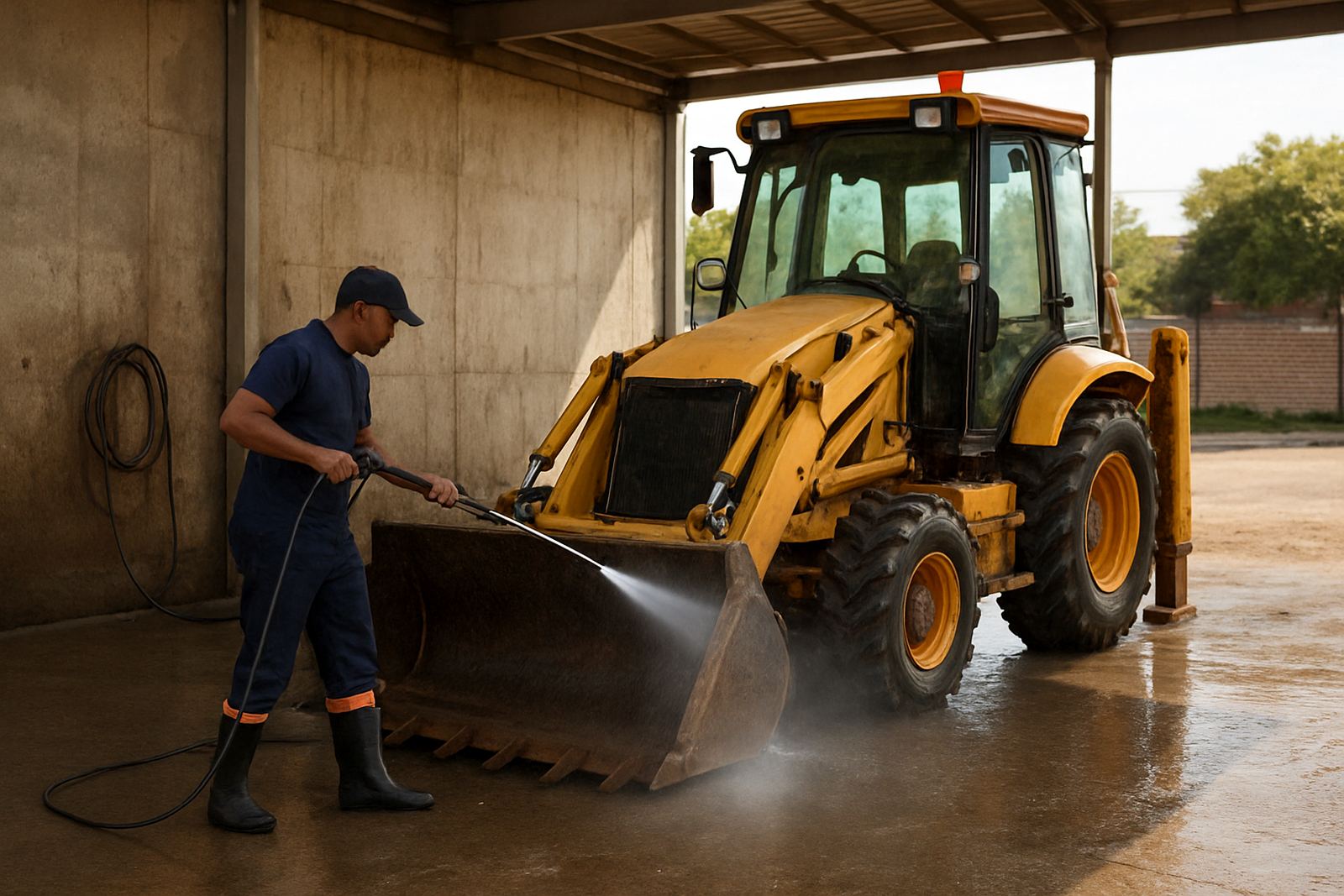
- Wash off soil, grain dust and grease where possible
- Group loose parts, keys and manuals with the correct lot
- Note missing guards, hoses or fittings clearly
- Make access easy for viewings and collection vehicles
- Allow space for forklifts, lowbeds or trailers where needed
Where BidThis Fits In For Farm Equipment Demand
BidThis works well for buyers and sellers who need a practical route through the used machinery market. Based in Germiston, with viewings and support linked to Johannesburg East, Pretoria, Durban, Cape Town, Bloemfontein, Isando and Alberton, the service helps move agricultural assets to the right buyers across South Africa.
For sellers, that means asset appraisals, reserve price guidance, photography, cataloguing and auction management that keeps the process orderly. For buyers, it means clear lot information, timed online auctions, payment clearance and collection coordination, which matters when a pump, tractor or implement needs to get to a farm without delay. In a country where distance, weather and power supply can all affect a buying decision, that structure counts.
If a farming business is upgrading, downsizing or clearing surplus stock, the market is there. The demand is real, but the best results come from clear information and fair expectations. That is what keeps used farm equipment moving, season after season, across South Africa.