Photos that support online bidding
When machinery is sold online, the first inspection usually happens on a phone screen. Buyers want to see the model plate, paint condition, controls, tyres, forks, belts, guards and any visible repairs before they decide whether a lot is worth chasing. If the images are dark, blurry or cut off, bidders naturally assume there may be something to hide.
Good auction photographs reduce that uncertainty. They help a buyer in Pretoria compare a generator against one in Germiston, or a contractor in Durban decide if a forklift is worth trucking from Gauteng. They also save time for sellers, because the right images answer basic questions before a viewing even takes place.
- Show the full asset from more than one side.
- Include close-ups of serial plates and control panels.
- Capture wear, dents, rust, leaks and any missing parts clearly.
- Use the same angle for similar lots so buyers can compare them easily.
The shots every machinery listing should include
A proper lot set is not just one front view and a quick snap of the nameplate. Buyers need a full picture of the machine, inside and out. For industrial equipment, that means showing the working area, the chassis, wheels or tracks, hydraulic hoses, electrical panels and any attachments that are included in the sale. If the asset is boxed stock or surplus parts, the packaging condition matters too.
For online auctions, consistency is important. Each lot should have a clear main image, then a series of supporting shots that tell the full story. On a busy yard in Isando, for example, a compressor photographed from the front only will never give the same confidence as one shown from all sides with the gauges, motor housing and fittings visible. The buyer should not have to guess what they are bidding on.
- Main profile view of the asset.
- Front, back and both sides.
- Serial number, data plate or asset tag.
- Damage points, rust, cracked glass, oil stains or missing guards.
- Any extra tools, spares or attachments sold with the lot.
Lighting, clean-up and angle make a bigger difference than people think
You do not need a studio, but you do need good light. South African sunlight can help a lot, though harsh midday glare can wash out details, especially on shiny panels and stainless steel surfaces. Early morning or late afternoon often gives better results. In a covered yard, use enough light to show the full machine without heavy shadows across the controls.
Before the camera comes out, the asset should be cleaned enough to see what is actually there. That does not mean making it look new. It means removing dust, loose packaging, scrap offcuts and standing water so buyers can judge the real condition. In coastal areas like Durban, salt air can leave surface rust that should be shown honestly. In Gauteng, dust from a busy workshop can hide small cracks, so a wipe-down helps a great deal.
Take the photographs at eye level where possible and avoid awkward angles that distort size. If a machine is large, step back and keep the full frame in shot. If it is a small part or accessory, move closer rather than cropping later. Grainy zoomed images usually make bidders less certain, not more.
Show the flaws as clearly as the good bits
Some sellers worry that damage photographs will put buyers off. In practice, the opposite is often true. Clear pictures of worn tyres, cracked hoses, bent panels or old weld repairs help serious buyers price the item properly. When flaws are hidden, people assume the worst and bid less, or they avoid the lot altogether.
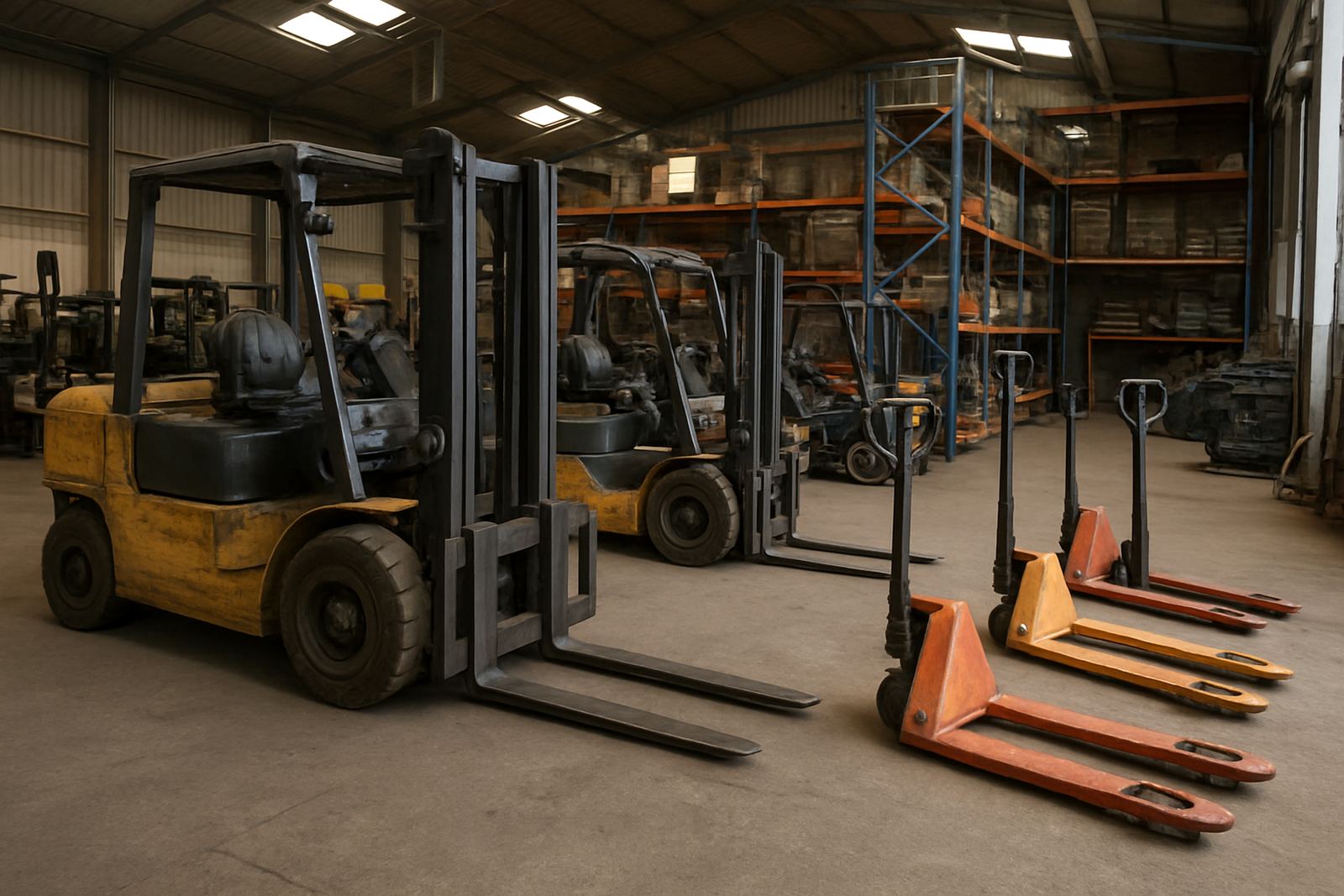
Transparent imagery is especially useful for used machinery, where buyers may be budgeting for repairs, transport and recommissioning. A forklift with worn seat stitching and faded paint can still be a useful asset, but only if the photographs show the condition honestly. That kind of clarity keeps the auction process moving and reduces post-sale arguments.
- Photograph any visible damage from close range and from a wider angle.
- Do not obscure faults with filters, heavy editing or overexposure.
- Show if keys, manuals, chargers, batteries or attachments are present.
- Where a machine is untested, say so and show the condition as it stands.
Local example: a Germiston yard and buyers across the country
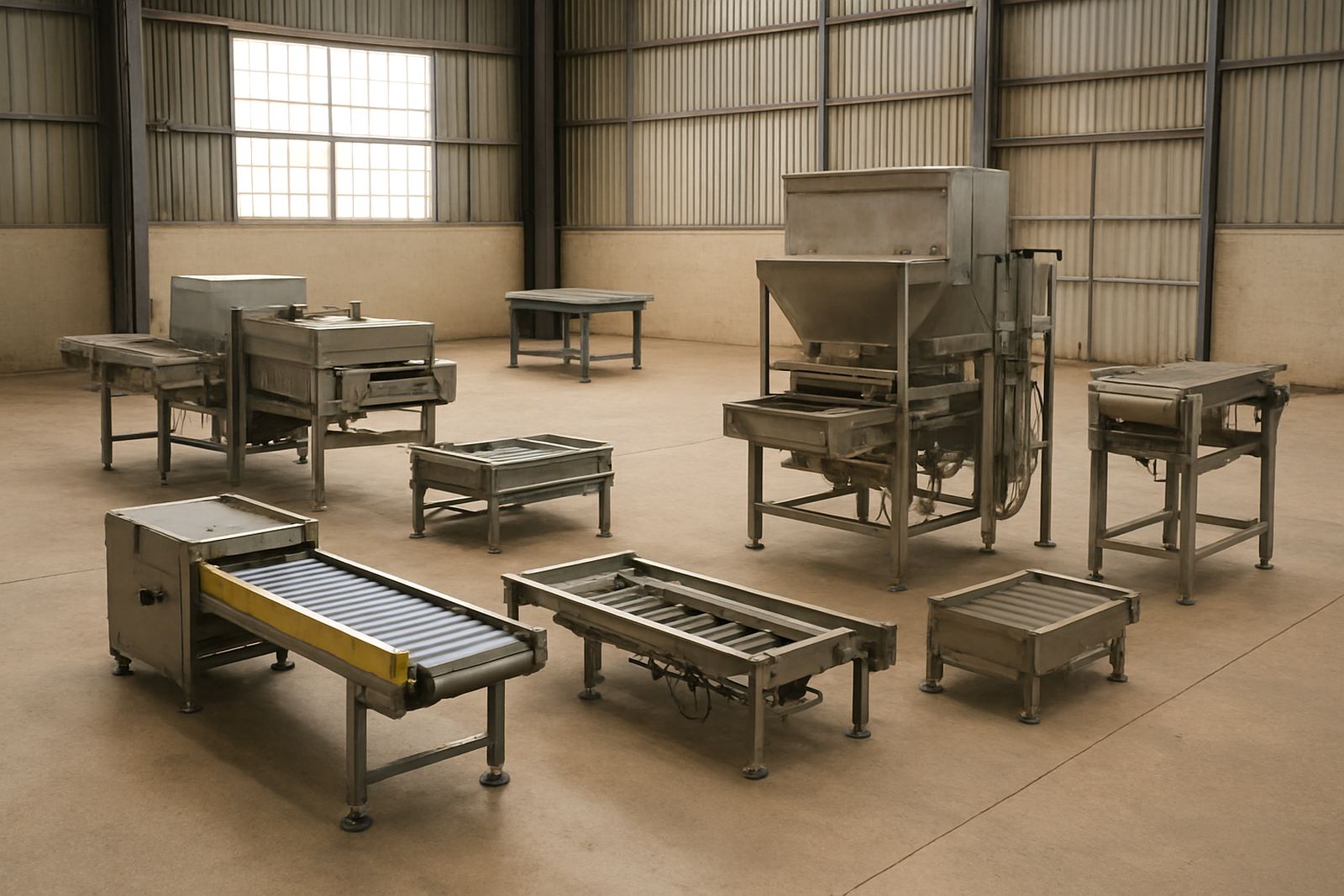
Take a mixed surplus sale in Germiston. A fabrication workshop may list a press brake, a compressor and several steel racks for auction. Buyers in Bloemfontein want to know if the press brake bed is straight, buyers in Cape Town want to see whether the compressor has been serviced recently, and a contractor in Johannesburg East may need to know if the racks are still usable for storage. The photographs do that work before anyone books a viewing.
Good images also help with load-shedding planning. If a generator or inverter system is being sold, buyers need to see the control display, outlets, cabling and battery bank clearly, because a quick screenshot on a phone will not tell them enough. When the photos are sharp and complete, people can decide faster whether the lot suits their site and their power requirements.
That is useful for sellers too. Better photographs mean fewer basic queries, more informed bidding and cleaner handover after payment clearance and collection coordination. It also helps across different viewing points, because a bidder in Durban or Pretoria can make the same assessment as someone standing in the yard.
A simple photo routine that works on auction day
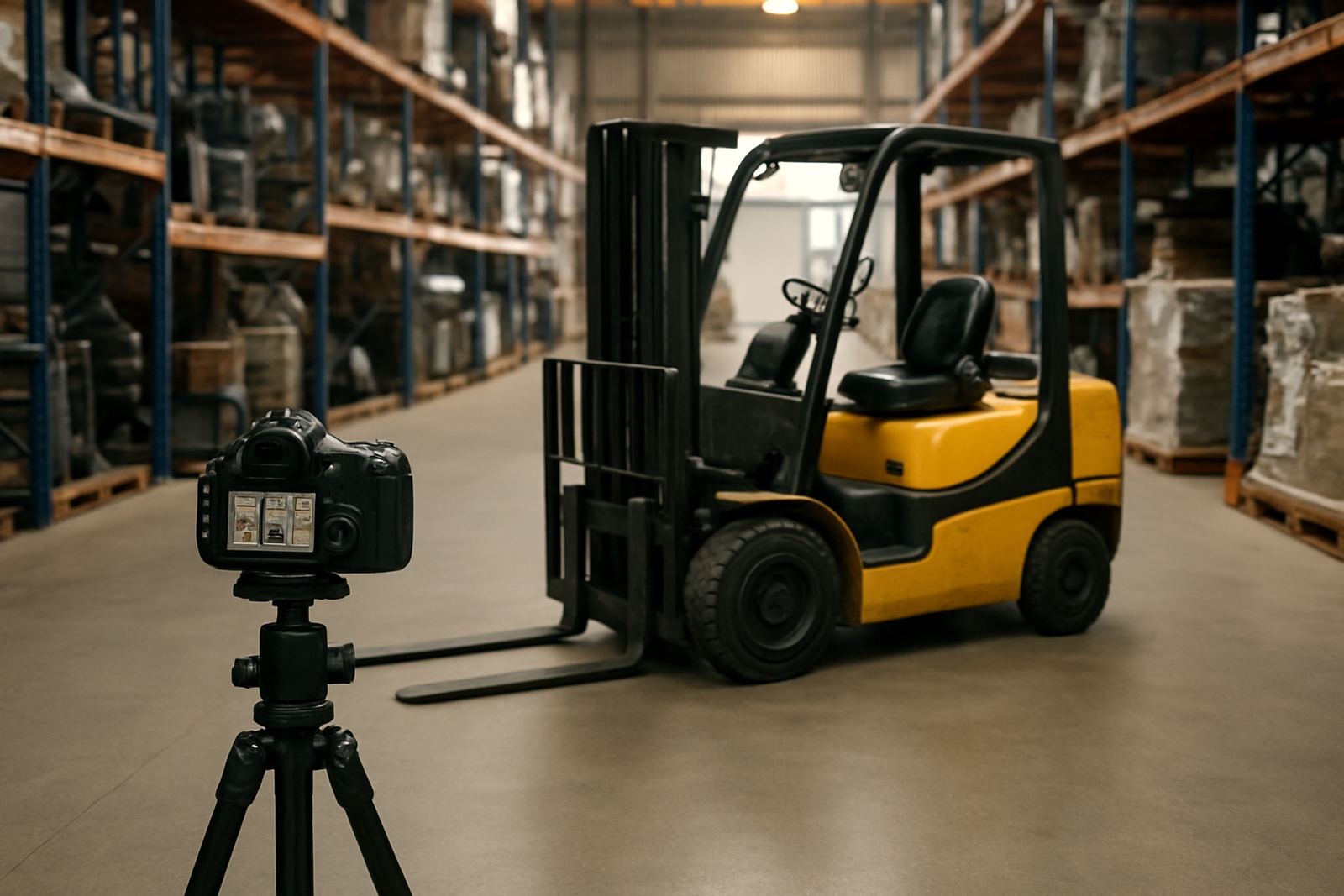
You do not need a complicated process, just a steady one. Start with the lot tag, then move around the asset in a circle and capture the main views. After that, photograph the controls, serial plates, attachments and damage points. If the machine has been moved recently, check that it is parked square and safe before taking the photographs. A rushed set of images often leads to missed details, and that can cost a seller confidence at the bidding stage.
A practical routine also helps when many assets are being catalogued in one go. Keep lots grouped by type, label them clearly and save the images in the right order. That makes the auction listing easier to read and helps buyers follow the condition of each item without confusion.
- Begin with a clear lot tag or asset number.
- Take one full set before moving to the next item.
- Keep backgrounds plain where possible, with no clutter behind the asset.
- Check that each image is sharp before leaving the lot area.
For a busy seller, that sort of discipline is worth a lot. It gives buyers a truer view of the machinery and business assets on offer, and it keeps the auction process moving with fewer delays and less back-and-forth.