
Why site cabin details decide the final bid
Site cabins are not like boxed stock or standard workshop tools. Buyers need to know if the unit can be moved in one piece, whether it still has its frame, and if it will fit the truck or lowbed available for collection. A cabin that looks fine in one photo can be a costly surprise if the base is twisted, the floor is soft, or the roof leaks around the joints.
For auction listings, the aim is simple. Give enough facts for a buyer in Germiston, Pretoria or Durban to judge the unit without guessing. That means clear dimensions, a straight note on condition, and proper loading access detail. If the cabin sits behind a fence with a narrow gate, buyers must know that before they bid, not after the hammer falls.
Measure the unit properly before it goes live
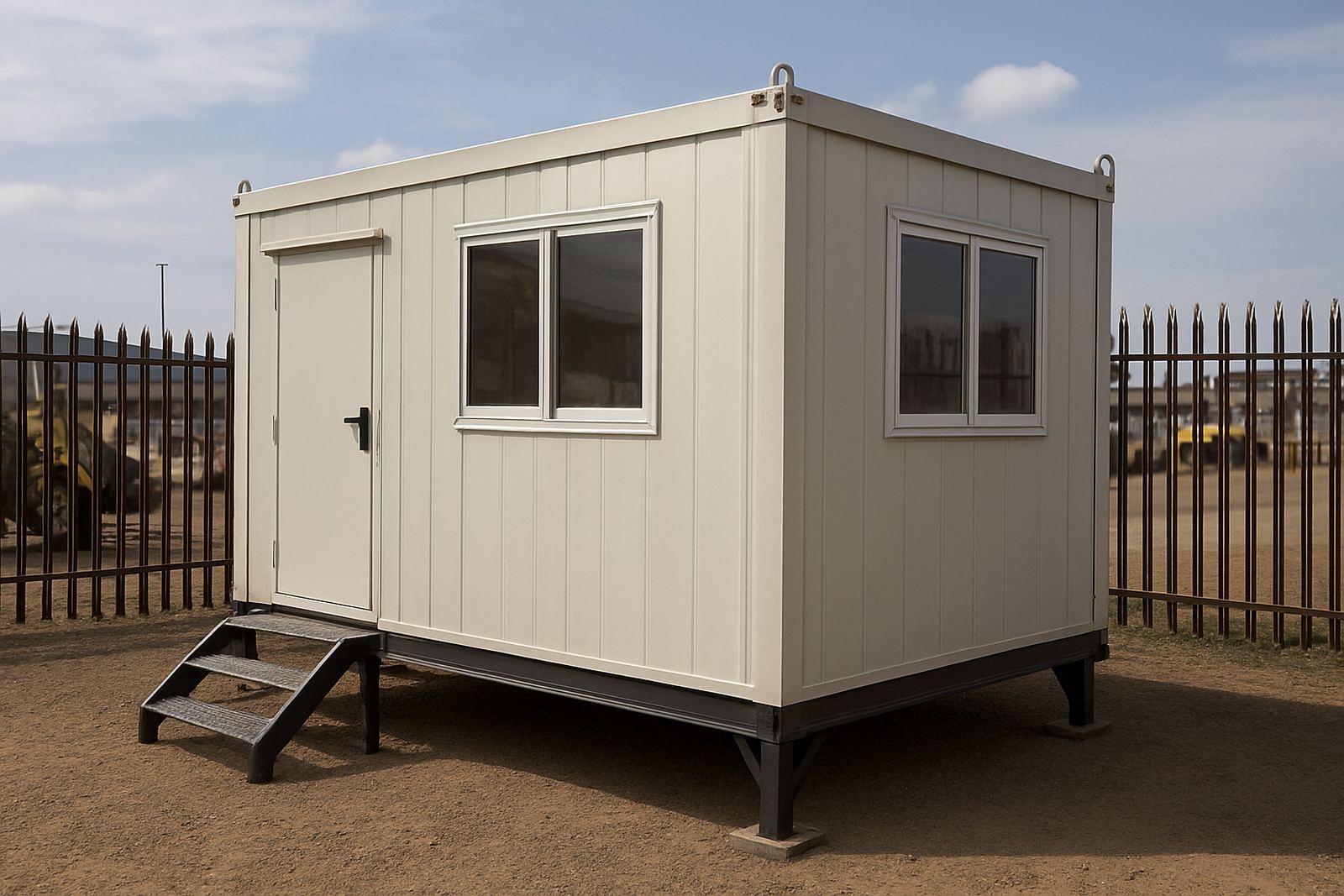
Buyers need external length, width and height, plus an idea of the internal height if the cabin is being sold for office use, guard duty or storage. If the unit has a porch, steps, solar fittings or a steel underframe, list those separately. When measurements are rough, the bidder starts pricing in risk, and that usually lowers the outcome.
- Measure the full outside footprint, including any overhangs
- Note the opening size of doors and windows
- Record floor height from ground level if the cabin is raised
- State whether the unit is one piece or can be split for transport
Include the weight if it is known, and if it is not, say that plainly. A loader in Alberton may be fine with a compact cabin, while a contractor going to a site outside Bloemfontein may need a more capable rig. Those differences matter, and they affect bidding.
Photographs should show condition, not just appearance
Good auction photos save time for everyone. Buyers want to see the cabin from all sides, the roofline, the floor inside, door locks, and any damage near the corners. One clean front shot is not enough. A site cabin with water staining, rust at the base, cracked glass or missing fittings should have those areas photographed up close.
Try to take pictures in daylight, with the doors open and one or two inside shots. If there is a generator room, kitchen fit-out, toilet section or aircon sleeve, show it. For a cabin standing in a dusty yard, wipe down the worst dirt first. That does not hide defects, it just makes the real condition easier to read. A buyer cannot base a bid on a blurry picture taken at sunset after load-shedding. Clear pictures reduce disputes later.
- Take at least 8 to 12 photos per unit
- Include close-ups of damage, rust and repairs
- Show the floor, ceiling and hinges
- Use one photo with a tape measure if size is disputed
Loading access must be checked before bidding starts
Many problems on site cabin sales happen at collection, not at auction. Buyers often forget that a cabin needs space to be lifted, dragged or craned out. If the access road is uneven, the ground is soft after rain, or there is a low tree branch, the removal plan changes. That can add time and money very fast.
List the access conditions clearly: gate width, road surface, turning space, overhead cables, steps, and whether a truck can get close enough for loading. If a crane is needed, say so. If the cabin is in a shared industrial yard in Germiston with limited access during working hours, mention the timing restrictions too. It is better to say the unit needs a small recovery crew than to let a buyer find out on collection day.
- Gate and route width from the unit to the exit
- Any height limits, wires or trees overhead
- Ground condition, especially after rain
- Whether loading gear must be supplied by the buyer
Condition wording should be plain and specific
Words like good condition or fair condition are too vague on their own. State what works and what does not. If the door closes properly, say that. If windows are missing a pane, note it. If the cabin has been unused for months and needs a full clean, mention that too. Buyers in the used asset market value clarity more than sales talk.
Useful condition notes might cover the following:
- Structure sound or needs repair
- Floor dry, soft spots, or water damage present
- Electrical points fitted, untested, or removed
- Paint condition and visible corrosion
- Signs of previous relocation or patch work
For sellers, this level of detail may feel blunt, but it is what protects the sale. A clear listing brings the right bidder. A vague listing brings complaints. We see it often with cabins collected from active sites where dust, sun and vibration have done more damage than the owner expected.
What a Germiston example usually looks like
A common local case is a site cabin used on an industrial project near Germiston, where the unit has been standing for two years next to a workshop yard. The seller knows it is still usable, but there are rust patches on the base, a broken lock on the rear door and faded paint from long sun exposure. The access lane is narrow, and there is a steel gate that opens only to one side.
In a case like that, the listing should say the cabin is available for inspection by appointment, that the buyer must arrange lifting equipment, and that collection will need careful timing around other yard traffic. If the unit is 6 metres by 3 metres, the buyer can plan transport properly. If it has no steps, they can budget for them. That sort of detail makes the difference between a no-bid lot and a sale that lands on time.
State where the viewing will take place, whether that is Germiston Viewing Yard or another viewing point, so buyers from Johannesburg East or Pretoria can gauge the travel and collection effort involved. The more open the listing, the fewer last-minute calls and the smoother the transfer.
Before you list, check the paperwork and removal terms
Site cabins are often moved between jobsites, depots and laydown yards, so ownership and release detail should be in order before the auction opens. Buyers need to know what comes with the lot, whether it is the cabin only or the cabin with extras such as steps, fittings or loose furniture. If there are site rules, municipal restrictions, or permit issues for collection vehicles, that should be mentioned early.
For the seller, the simplest approach is to prepare the following:
- Clear asset description and lot number
- Dimensions and condition notes
- Photo set with inside and outside views
- Loading access notes and removal timing
- Any exclusions, such as loose items inside the unit
When these basics are ready, the auction can run with fewer delays and fewer disputes after payment. That is especially useful when the buyer is collecting from another province and needs the job done in one trip.