Start With the Lot Details, Not the Price
Before you walk into a viewing yard in Germiston, Pretoria or Durban, read the lot description carefully. Check the machine type, year if provided, working hours, dimensions, serial number, and any notes about missing components or known faults. If the listing says the machine is untested, treat it as such and budget for repairs, transport and possible downtime.
It helps to arrive with a short list of what you need the machine to do. A cheap unit can become expensive if it is too small for your output, too heavy for your loading bay, or not suited to 3 phase power. In South Africa, that matters more than people think, especially when municipal supply issues and load-shedding can interrupt your operation and expose weak equipment fast.
Check the Body, Frame and Signs of Hard Use
Walk around the machine slowly and look for cracks, bends, weld repairs and uneven wear. Paint may hide old damage, so focus on the structure first. Rust on a coastal machine from Durban or Cape Town is not unusual, but deep corrosion around the frame, base plates or load-bearing parts can mean expensive work later.
- Inspect guards, covers and access panels for missing bolts or broken hinges.
- Look for oil stains under the machine and on the floor around it.
- Check tyres, tracks, rollers or feet for uneven wear.
- Ask whether any parts were removed for storage, transport or cannibalisation.
If you can see fresh welds or grinding marks, ask why they were done. A neat repair is not always a problem, but it should come with a clear explanation. A machine with a bent chassis or cracked mounting points may still run, but it can throw alignment off and cause other faults later.
Test Moving Parts and Controls Where the Yard Allows
If the viewing setup allows a test run, listen before you watch. Start-up noise tells you a lot. Grinding, knocking, hunting, smoke or a slow start can point to electrical, fuel or mechanical issues. On older units, check whether the controls respond smoothly and whether emergency stops, levers and switches work as expected. Even a small lag can be a warning sign.
Do not just stand back and watch the machine turn on. Move closer and inspect bearings, belts, chains, pulleys, cylinders and hoses while it is running. Small leaks become bigger problems under pressure. If the machine vibrates more than it should, or if the motion is jerky, note it and ask for clarification from the viewing team.
- Listen for unusual sounds at idle and under load.
- Watch for smoke from exhausts, vents or motors.
- Check for fluid leaks after the machine has warmed up.
- Test all available functions, not only the main one.
Confirm Electrics, Panels and Power Requirements
Electrical faults are often hidden until the machine is back on site and the buyer is under pressure. Open the panel only if it is safe and permitted, then look for burnt smell, loose wiring, damaged switches and signs of moisture. In humid areas and storage yards near the coast, electrical corrosion can be worse than the outside condition suggests.
Ask what power supply the machine needs and whether it has been tested on the correct voltage. If the equipment needs special starters, controllers or a stable supply, make sure your site can handle it. For buyers in Johannesburg, Pretoria, Bloemfontein or other inland centres, that is still worth checking because a machine that trips on a weak circuit can stop production the moment you need it most. Better to ask now than to discover it after collection.
Measure, Photograph and Match the Machine to Your Site
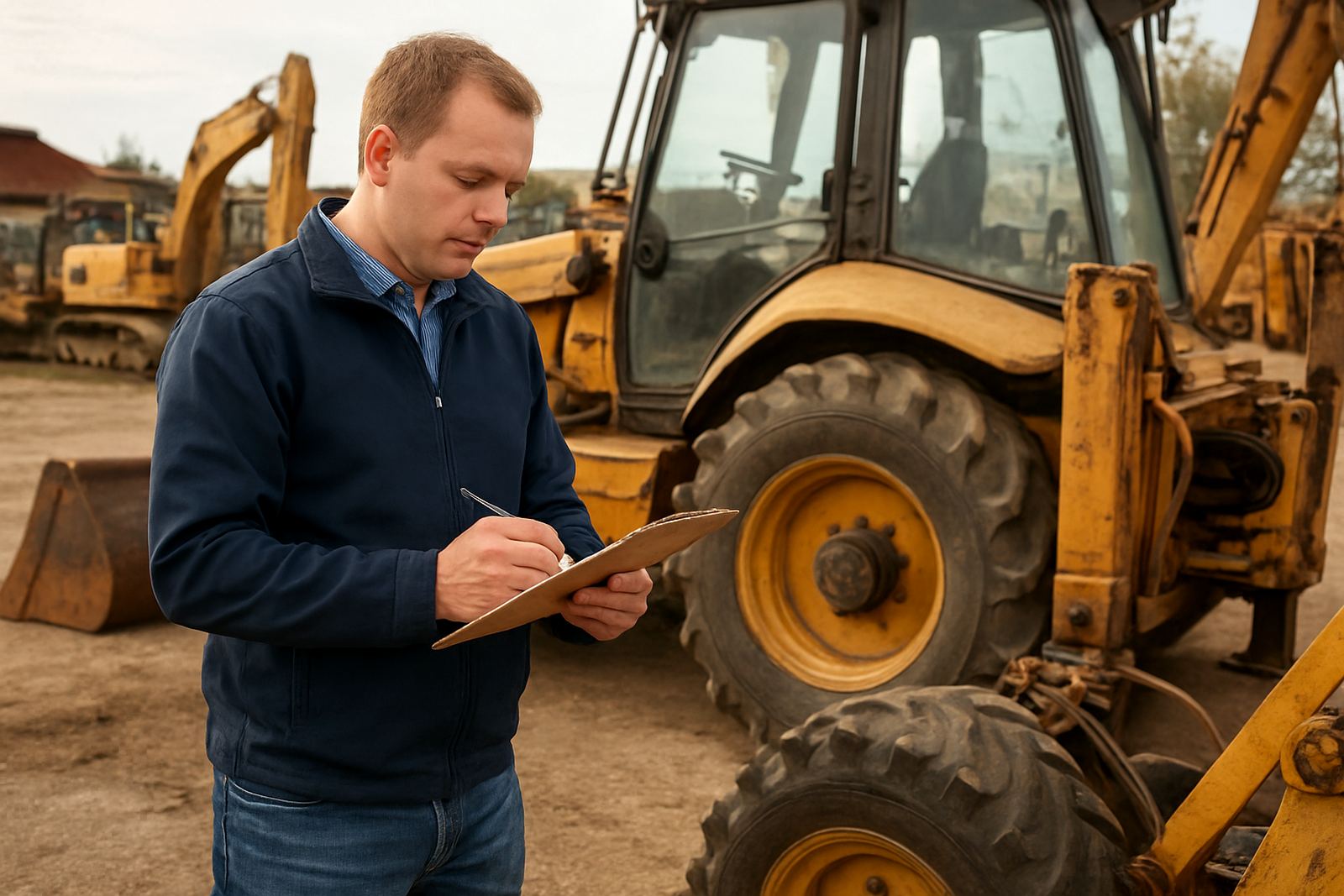
Bring a tape measure and use it. Measure overall length, width, height and any protruding parts that could affect transport or installation. Check access doors, ramps, gates and the turning space at your premises. A machine that fits on paper may still be a problem once it arrives at a tight loading area or a low warehouse entrance.
- Take clear photos of nameplates, serial numbers and control boards.
- Photograph missing parts, wear points and any damage from more than one angle.
- Note the number of pallets, attachments or loose items included in the lot.
- Confirm whether collection will need a crane, truck with a tail lift, or special rigging.
Good photos are not just for memory. They help you compare lots later, check the condition with your team, and support your decision if you need to work out true repair costs before bidding. A quick snap of a serial plate can save a lot of back-and-forth later on.
Ask the Questions That Change the Final Cost
A viewing is the time to ask direct questions. Find out whether the machine was in use recently, why it is being sold, when it was last serviced, and whether any parts are missing. If the seller has service records or manuals, ask to see them. In many cases the answer will be simple, but simple answers are still valuable when you are deciding how high to bid.
Ask about payment clearance, collection timelines and any site rules that apply to loading. Some yards have set collection windows, security checks or permit requirements, especially on busy industrial sites in Germiston and Isando. If you are planning a multi-site buy, keep a clear note of each lot so collection and transport don’t become a last-minute scramble.
- When was the machine last run and by whom?
- Are there any known faults or missing accessories?
- What is included in the sale and what is not?
- Are there site rules for collection, PPE or loading times?
Use a Local Example Before You Bid
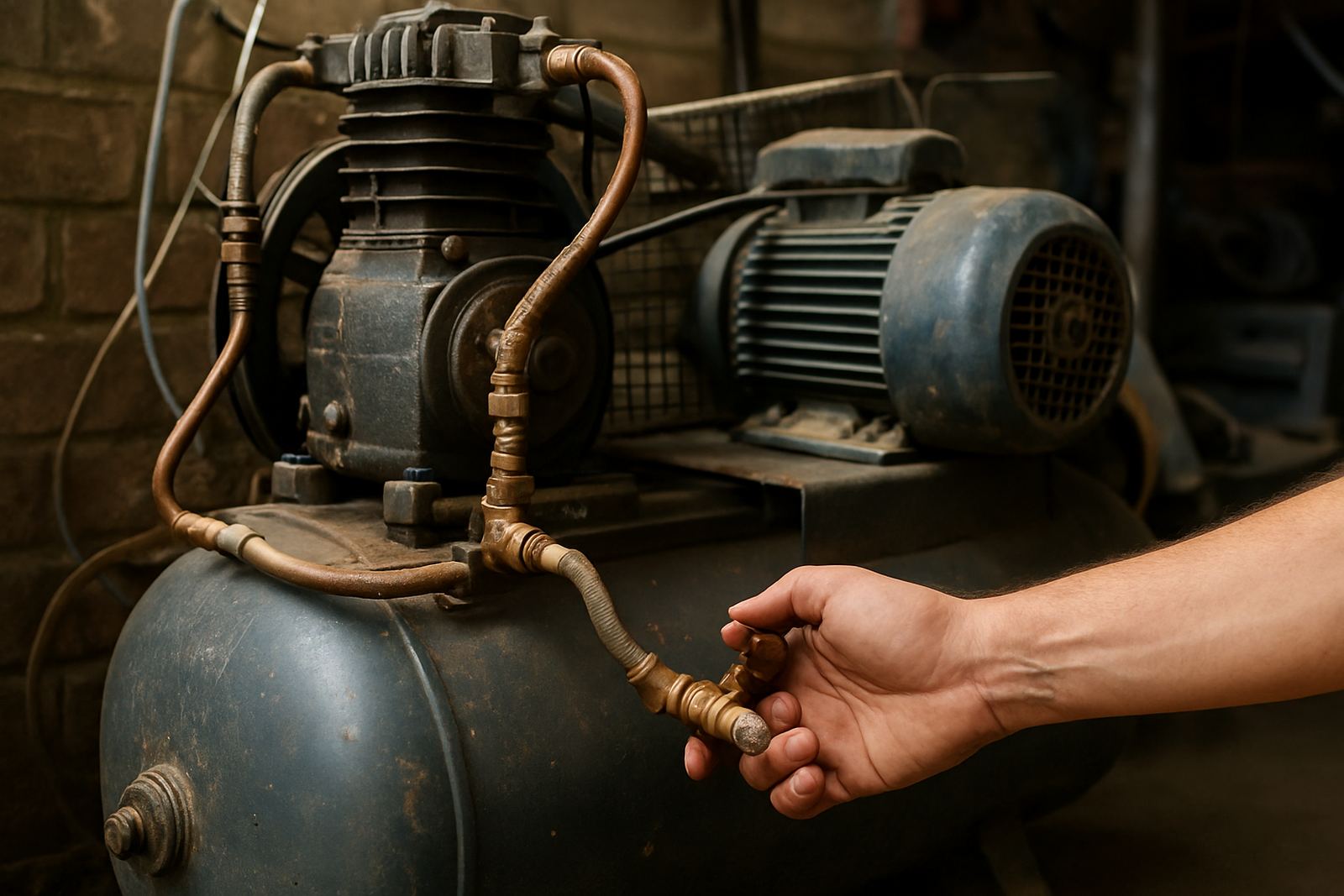
Imagine you are at a viewing in Germiston and you are looking at a used compressor for a workshop in Johannesburg East. The unit looks clean from five metres away, but up close you notice oil around the base, a worn pressure gauge and a patched cable entry. The seller says it was used only lightly, yet the starting sound is rough and the unit vibrates more than expected. That is the moment to slow down.
In that situation, the machine may still be worth buying if the price reflects the repair work, transport and risk. But if your business needs it running immediately, you would be better off waiting for a cleaner lot. That is the point of a proper viewing day checklist: not to talk yourself into a bargain, but to know exactly what you are buying. A careful buyer usually pays less in the long run, even when the hammer price is a bit higher.