When a campus needs to clear space and stretch the budget
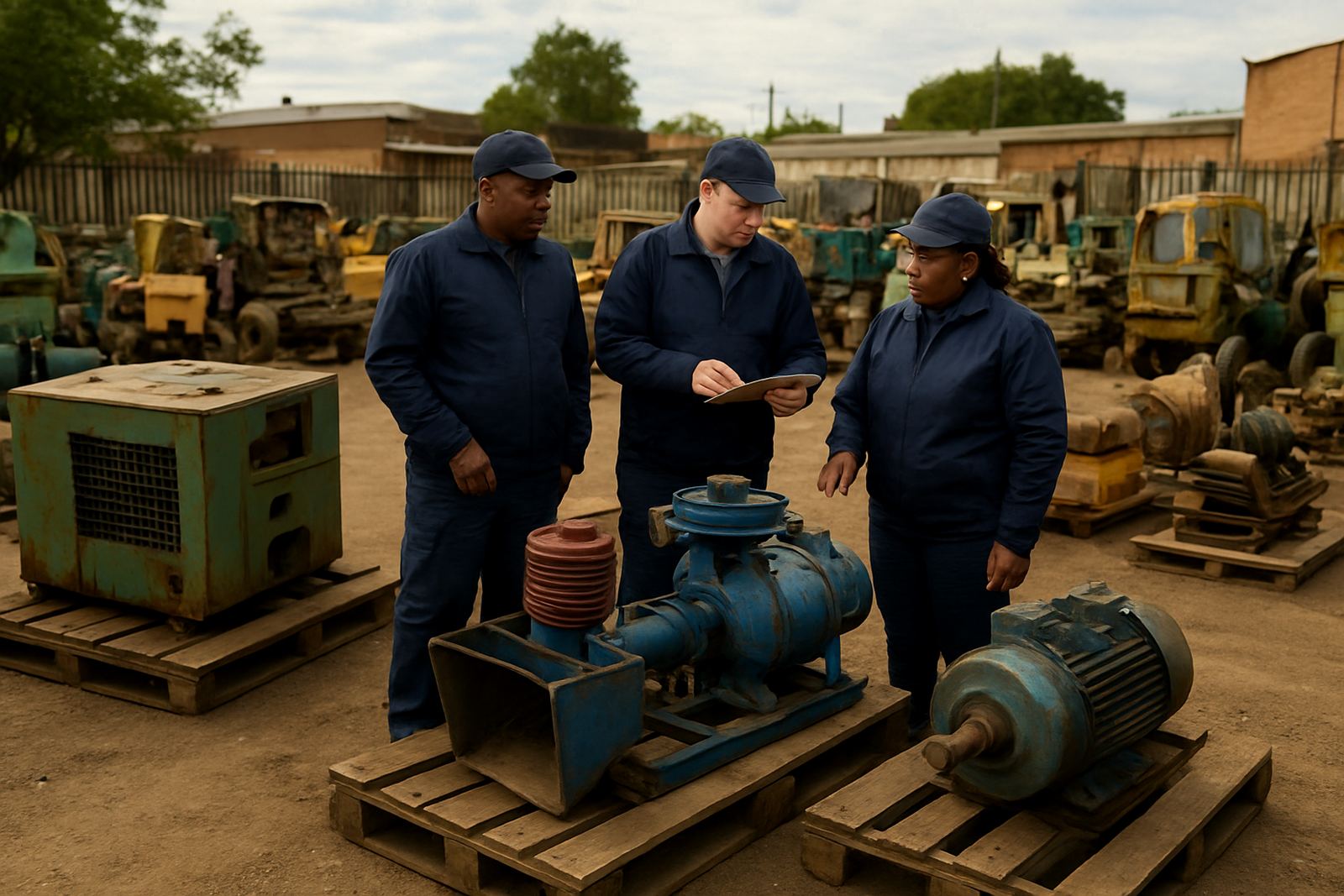
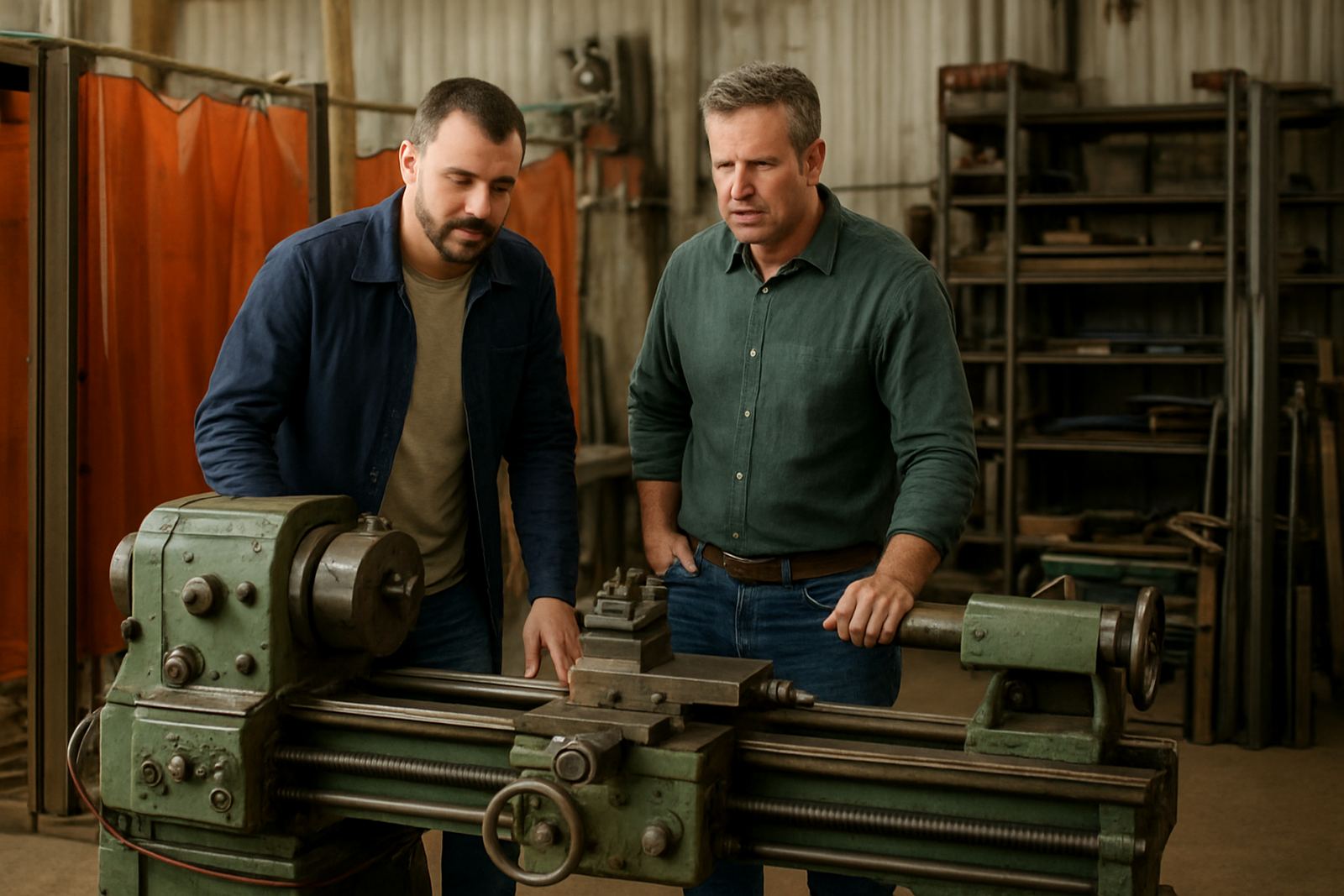
Training centres, TVET-style colleges, private schools and skills academies usually deal with mixed equipment that still has value but no longer suits the programme. A woodworking lathe may be too old for current safety rules, a catering room may need a newer gas line setup, or a computer lab may need to be stripped out before a refurbishment. Auctioning those assets can return cash quickly while making room for the next intake.
For buyers, the appeal is straightforward. A school that needs a vice, drill press, welding set, projector trolley or stainless work table does not always need to pay new retail prices. Used machinery and business assets can be a practical fit if the condition, size and power supply are checked properly before bidding.
In this sector timing matters. End-of-term moves, year-end maintenance, grant cycles and audit deadlines can all leave little room for long sales processes. Timed online auctions suit that pace because listings can be prepared, viewed and settled within a clear schedule.
Typical equipment schools and colleges move through auction
Education buyers and sellers often work with a broad mix of items. Some are workshop assets, others support admin, kitchens, science rooms or campus maintenance. The key is to sort usable stock from scrap, then decide what belongs in one lot and what should be sold separately.
- Woodwork machinery such as saws, planers, sanders and lathes
- Metalwork tools including welders, grinders, vices and drill presses
- Catering and hospitality items like ovens, fridges, prep tables and hot cupboards
- IT and classroom assets such as computers, printers, interactive boards and projectors
- Maintenance items including ladders, generators, benches and hand tools
- Library, lab and admin furniture for practical rooms, stores and offices
For buyers, the value is often in matched sets. A practical training room is easier to fit out when the work benches, power points and storage units are planned together. A buyer who only needs one item may bid on a single asset, while another buyer may go after a full room clear-out to save time on collection.
Layout planning before you list or bid
Schools and colleges should plan the layout of the room or yard before any viewing. That means measuring door widths, stair access, loading routes and ceiling height, then checking how the equipment will leave the site. A machine that fits in a workshop may still be hard to remove if there is a narrow passage or low gate. In Germiston and Isando this is especially important where older buildings have tight access and shared delivery yards.
For sellers, good layout planning improves buyer confidence and can lift bidding. Group similar items together, mark which units are working and which need repair, and make sure the power requirements are noted. If a three-phase machine is being sold, say so clearly. If a fridge or printer has been idle for months, state that too. Honest notes reduce disputes later.
For buyers, the same applies in reverse. Check whether the campus is on single-phase or three-phase supply, whether the room has enough ventilation and whether the floor can handle weight. In coastal areas like Durban and Cape Town, humidity can affect steel, wiring and stored electronics, so inspect for rust, corrosion and moisture damage.
Common mistakes made by training centres
The most common mistake is holding onto surplus assets for too long. Equipment stored in a back room for years often loses value faster than people expect. Dust, rust, dead batteries and missing parts can turn a saleable item into scrap.
Another problem is poor lot grouping. If a college puts too many mixed items into one lot, buyers may only want part of it and skip the auction. Too much separation can also work against the seller if each lot becomes too small to attract serious interest. A good middle ground is needed, especially for workshop equipment where accessories matter.
- Leaving out serial numbers, condition notes or power specs
- Ignoring cleaning and basic presentation before viewing
- Underestimating removal costs for heavy machinery
- Buying by price alone without checking fit, voltage or safety needs
- Forgetting to allow time for collection during term breaks or shutdowns
Another mistake is assuming every item needs repair before sale. Sometimes a unit is better sold as-is with full disclosure. In other cases a small fix, like replacing a missing switch or tightening loose fittings, can improve the final result without spending much.
Budget ranges that make sense for schools and colleges
Budget depends on the size of the campus and the age of the assets. Small practical rooms might only need a few replacement items, while a full workshop upgrade can run across several departments. Schools working with limited funding usually focus on function first, then appearance second.
As a general guide, modest classroom or admin replacements may sit between R5 000 and R25 000. A practical workshop set-up with benches, tools and one or two machines can move into the R25 000 to R120 000 range. Larger training spaces with multiple machines, IT assets or catering equipment can go higher, especially when the buyer needs a full room fit-out in one go.
For sellers, the goal is often to turn dormant stock into cash that can be used for repairs, safety upgrades or new learning equipment. For buyers, auction pricing can create room to buy more than one item instead of only a single replacement. That matters when a department needs a practical mix, not just one machine.
How BidThis supports the process from listing to collection
BidThis handles the moving parts that matter in a school or college environment: seller onboarding, lot cataloguing, auction photography, reserve price guidance, timed online auctions, viewing management, buyer support, payment clearance and collection coordination. That makes it easier to manage a clear-out without disrupting classes or practical sessions.
Our Germiston base serves Johannesburg, Pretoria, Durban, Cape Town and Bloemfontein, with viewing points across Gauteng and other major centres. That helps institutions coordinate access for buyers from different areas, whether the assets are in a main campus workshop, an overflow storeroom or a satellite training site.
For schools and colleges, the practical benefit is certainty. The assets are listed with proper detail, buyers know when and where to view, and collections can be scheduled with the site team. That reduces admin pressure and keeps the process moving even when term dates are tight or the site is juggling maintenance work.