When An Engineering Workshop Needs To Sell Or Buy Fast
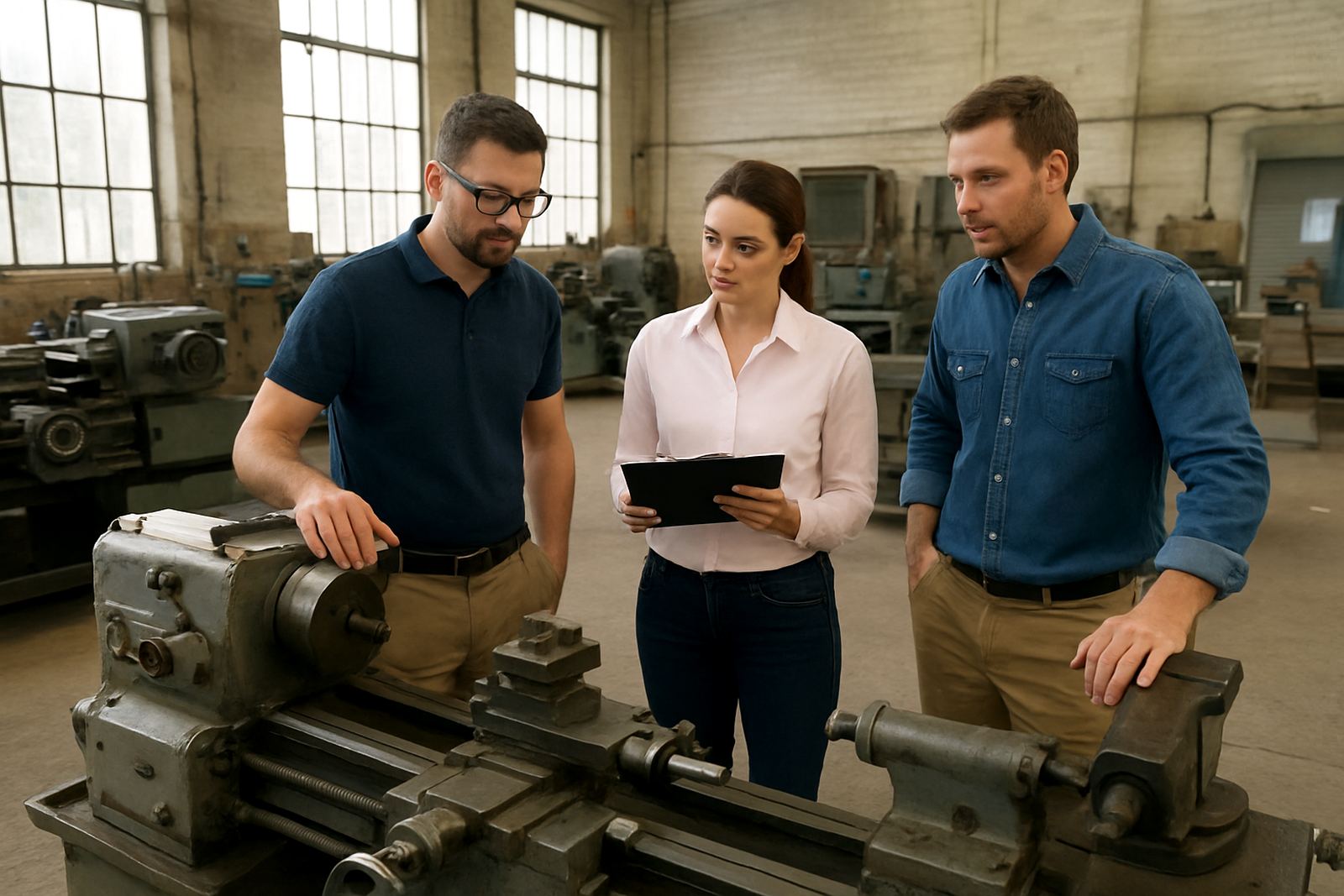
Engineering firms usually come to auction when production space is tight, a contract has ended, or a workshop is being retooled for different work. In Germiston, Isando, Pretoria, Durban and Cape Town, we often see a mix of machine tools, fabrication equipment and general support assets that still have plenty of working life left, but no longer suit the current job mix. Auction works well when you need market demand to set the price rather than waiting months for a private sale.
Buyers use the same route for a different reason. A growing shop might need a lathe, compressor or welding plant quickly, but cannot justify new equipment pricing. Used assets can stretch a capital budget and still do the job if they are inspected properly and collected on time. For many firms, the real value is speed and certainty, especially when load-shedding and delivery delays are part of daily planning.
Typical Workshop Assets We See On Engineering Sales
Engineering workshop auctions usually include a mix of heavy and support items. The exact lot list depends on the business, but common equipment includes machine tools, benches and storage, plus items that keep the floor running day to day. Some assets are standalone, others are best sold in groups where the buyer can collect and put them back into use quickly.
- Lathes, milling machines, drill presses and grinders
- Guillotines, press brakes, rolls and cutting equipment
- Welding machines, gas rigs and extraction fans
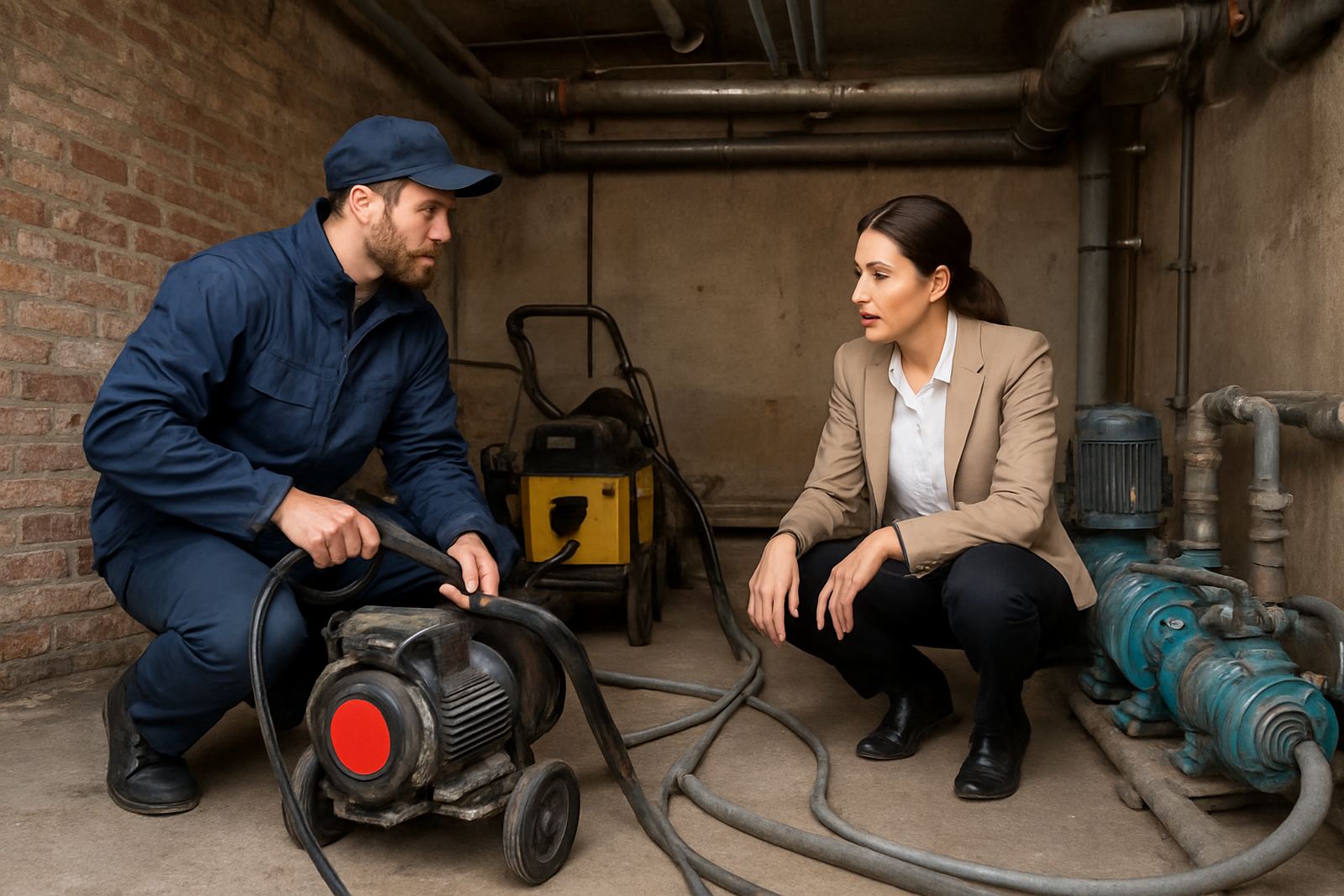
- Air compressors, dryers and pipework
- Tool cabinets, steel racking and work benches
- Forklifts, gantry cranes, chain blocks and lifting gear
- Test equipment, benches, vices and measuring tools
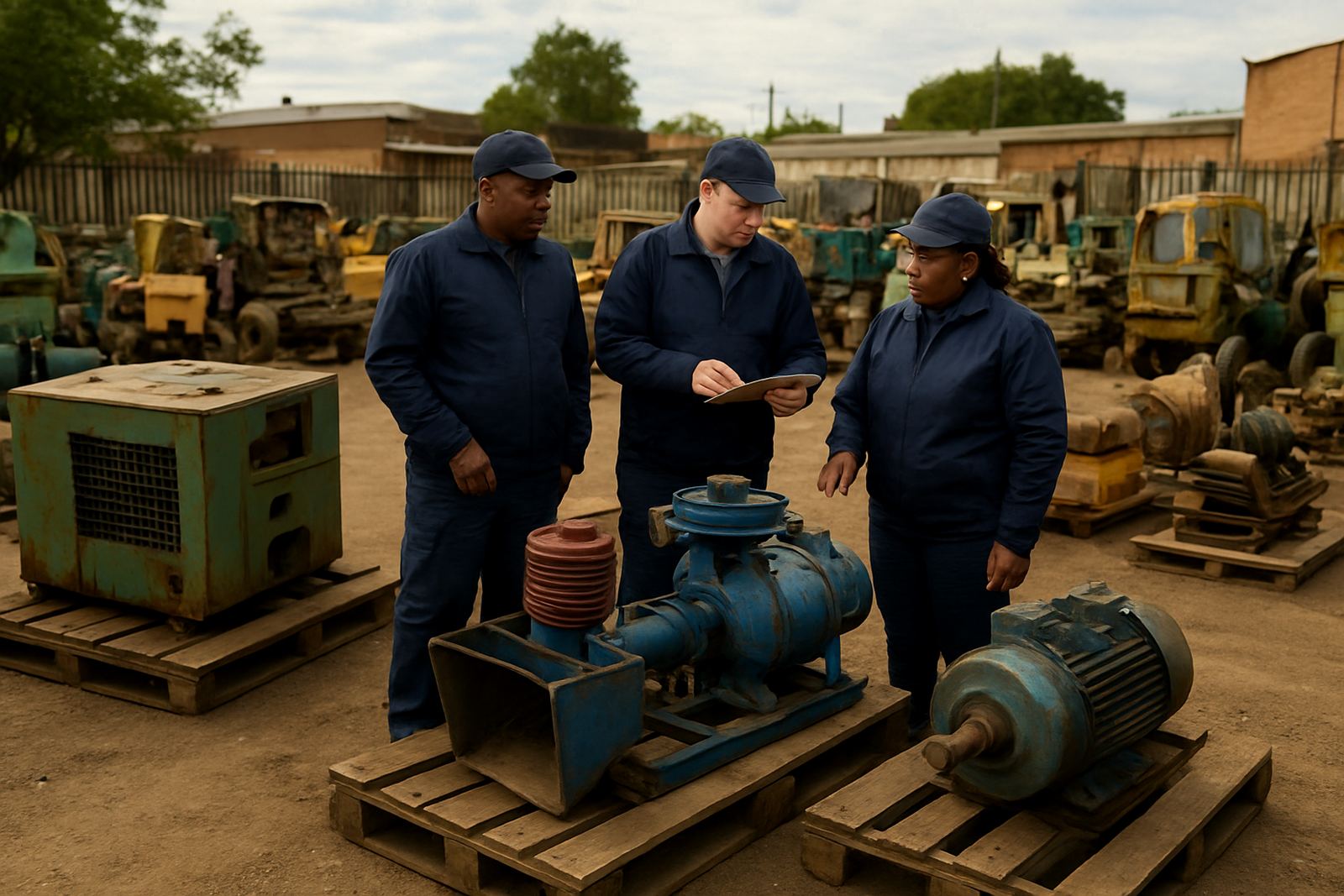
Some workshops also sell surplus stock such as steel offcuts, motors, fasteners and consumables. If a site has been active for years, there may be mixed lots that need sorting before auction, which is normal and often worthwhile.
How To Plan The Layout Before The Auction Goes Live
Good planning starts with access. Buyers need to know if the yard can take a truck, whether a machine is bolted down, and if there is enough room for lifting gear or a lowbed trailer. In older industrial areas, gate width, turning space and overhead lines can make a big difference to collection. A workshop in Johannesburg East may need a different removal plan from a site in Durban where humidity and salt air have affected electrical panels and stored steel.
For sellers, the safest approach is to separate assets into clear groups before cataloguing. Keep machine tools together, lifting gear together, and general support equipment apart. Mark out power requirements, estimated weights, dimensions and any defects. If a machine is not currently running, say so. Buyers can handle honest condition notes, but they dislike surprises when collection day arrives.
- Measure doorways, roller doors and yard access before listing
- Check whether floor anchors, cabling or compressed air lines must be disconnected
- Identify items that need specialist lifting or rigging
- Separate scrap from reusable assets so lot values stay clear
- Plan collection dates around production shutdowns and municipal restrictions if the site sits in a controlled industrial zone
Common Mistakes Engineering Firms Make On Disposal
The biggest mistake is waiting too long. Workshop owners often keep unused machines in the corner because they think the market will improve next month. In practice, idle equipment loses appeal as dust builds up, belts age and spares become harder to match. A second common mistake is grouping too much into one lot when the assets could perform better individually. A usable vice, for example, should not be buried inside a mixed steel bin lot if it can stand on its own.
Another problem is poor records. If a machine has had recent maintenance, a replacement motor, or a new control panel, that detail helps buyers. If paperwork is missing, say that too. Buyers in the engineering trade are usually practical, but they still want straight facts before placing a bid. They will also compare your reserve price to the condition shown, so overpricing can slow the whole process.
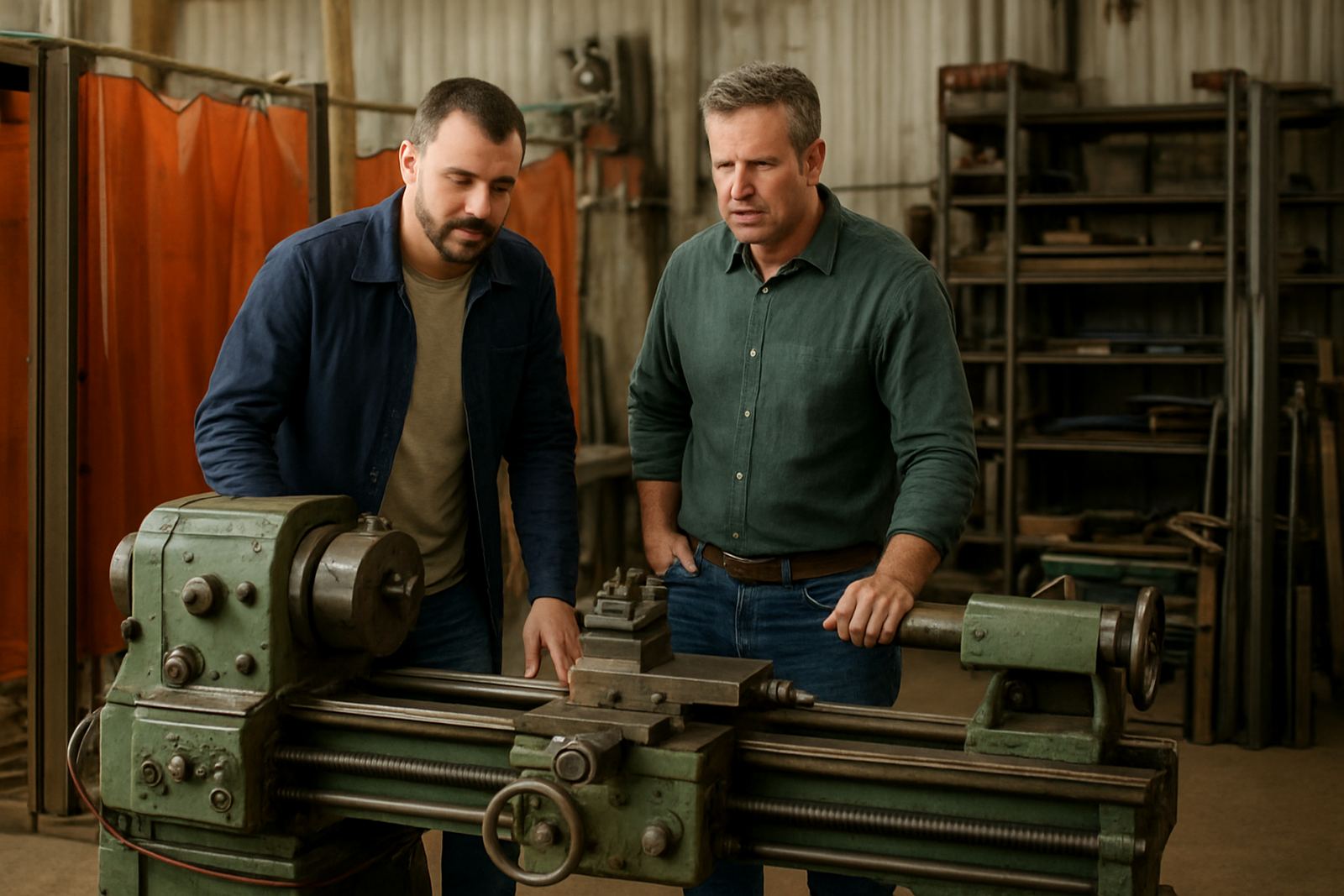
On the buying side, the main error is skipping the viewing. Photos only tell part of the story. A machine may look complete but still need bearings, wiring or a clean-up before it can earn money again. That is true in a busy inland workshop and even more so near the coast where corrosion can creep in fast.
Budget Ranges For Used Workshop Equipment In Rand
Budgets vary a lot depending on age, capacity and condition, but used engineering assets can fit many price bands. A small buyer might spend R15 000 to R50 000 on support equipment, hand tools and a few light machines. A medium workshop refit may sit between R100 000 and R400 000 if it needs several core machines, extraction and power support. Larger industrial disposals can run far higher, especially where cranes, heavy machine tools or multiple production lines are involved.
When setting a seller reserve, it helps to work from realistic replacement cost, not just the original purchase price. A machine that has been idle for years will rarely fetch new-equipment money. On the other hand, a clean, well-kept item with a full service record and easy collection access can attract strong interest. Auction pricing is shaped by timing, location and buyer demand, so Germiston or Pretoria assets may perform differently from a similar lot in Bloemfontein.
Buyers should also budget for removal, rigging, transport, re-installation and any electrical work after collection. These costs can add a fair amount, and if a site has limited loading hours or shared access, the total moves up quickly.
How BidThis Supports Engineering Workshops Across South Africa
BidThis helps engineering businesses handle the full auction process from appraisals and lot cataloguing to viewing management, payment clearance and collection coordination. That matters when a workshop has a dozen asset types on one site and a short deadline before handover. We also assist with multi-site dispersals, which suits firms with branches or satellite stores in different industrial areas.
For sellers, the main aim is to present equipment clearly so bidders understand what they are buying. For buyers, the goal is to make the process orderly and practical, with enough detail to plan collection and put the asset into service again. Our Germiston base supports auctions and viewings across Johannesburg, Pretoria, Durban, Cape Town and Bloemfontein, with local points in places like Alberton and Isando for easier access.
In engineering, good assets should keep moving. Auction gives them another round of work instead of sitting under dust sheets for years.
- Use appraisals early if the workshop is closing, relocating or changing product lines
- Choose timed online auctions when you need broader national buyer reach
- Set clear collection rules so machines are removed on schedule
- Keep records of serial numbers, dimensions and condition notes for faster buyer decisions