
When municipal surplus becomes a planning issue
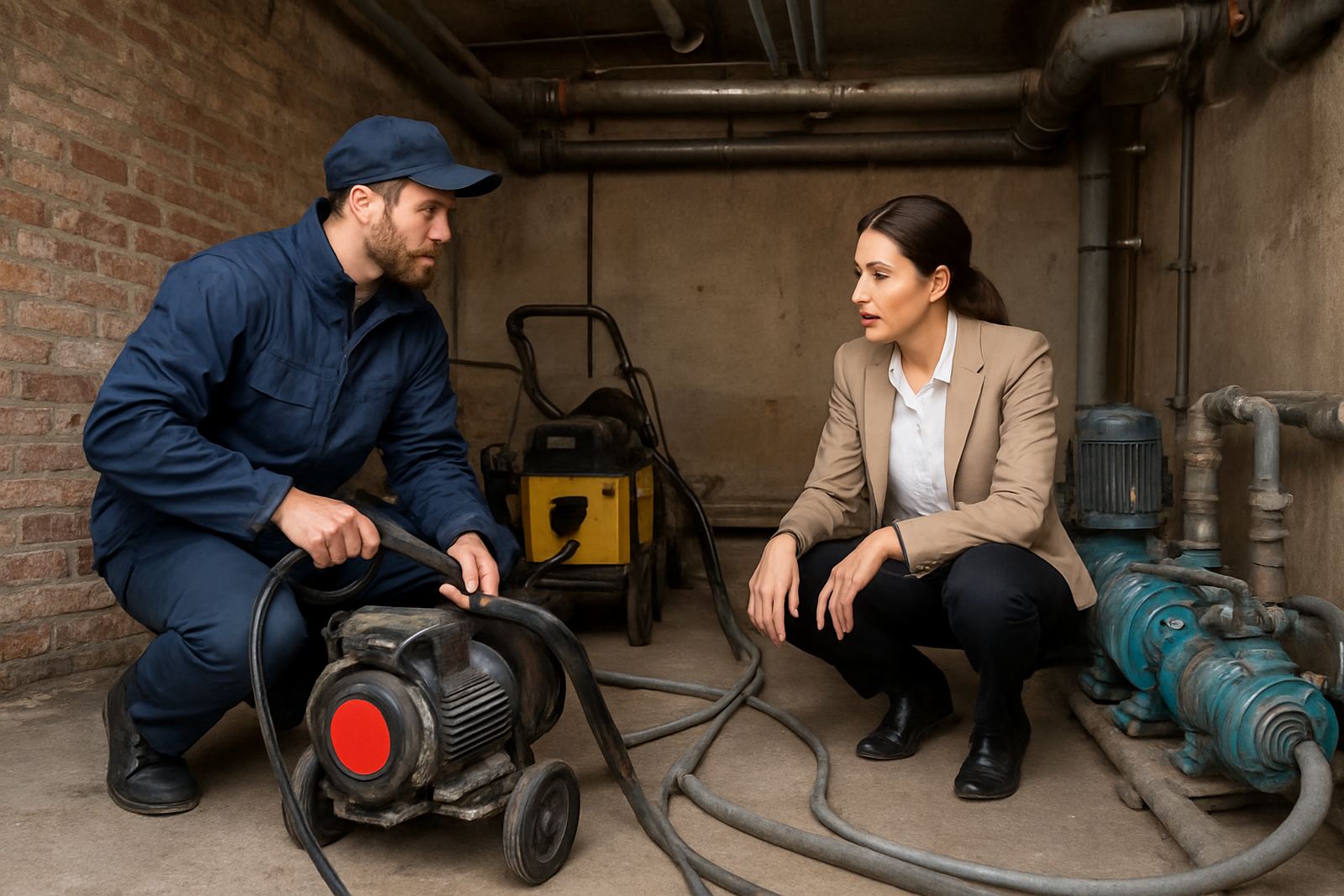
For a municipality, surplus is not only about clearing space. It can mean pallet racking left in a depot after a store restructure, pumps replaced during a maintenance upgrade, older workshop tools, office furniture from a civic building refresh, or fleet support items that no longer fit current operations. If these assets are left in corners or locked away in back rooms, they tie up space and make stock control harder. In some depots, they also create safety issues and clutter around loading bays, which slows down day to day work.
We work with public facilities teams that need a clean, auditable way to move surplus items on. That usually means grouping assets by type, checking condition, separating scrap from usable items and setting a realistic reserve where needed. A good auction plan gives your team a clear handover point, especially where stores, works depots and fleet support units all have different approval lines. It also helps when there are multiple sites in places like Germiston, Johannesburg East, Pretoria, Durban, Cape Town and Bloemfontein, because items can be viewed and collected in a controlled order.
Typical municipal asset mix we see on auction
Municipal departments usually have a wide spread of equipment rather than one single category. Some lots are easy to move and some need forklifts, lifting gear or careful dismantling. The best results come when assets are described accurately and grouped in a way that buyers can understand without having to guess what they are bidding on.
- Workshop benches, vices, grinders, compressors and hand tools
- Spare tyres, rims, jacks, battery chargers and fleet support parts
- Office counters, chairs, filing cabinets and shelving from admin areas
- Generators, pumps, motors, cables and control panels
- Municipal stores stock, fittings, valves, pipe offcuts and consumables
- Light vehicles, trailers, water tanks and general utility equipment
Where items are in mixed condition, it helps to separate working assets from items sold as spares or repair only. Buyers in the municipal market are price sensitive and they will move quickly if the lot is clear. A vague listing usually gets fewer bids, or a lot that needs too much explanation on collection day. That is why catalogue notes, photos and reserve price guidance matter just as much as the auction itself.
How to plan the yard, depot and viewing flow
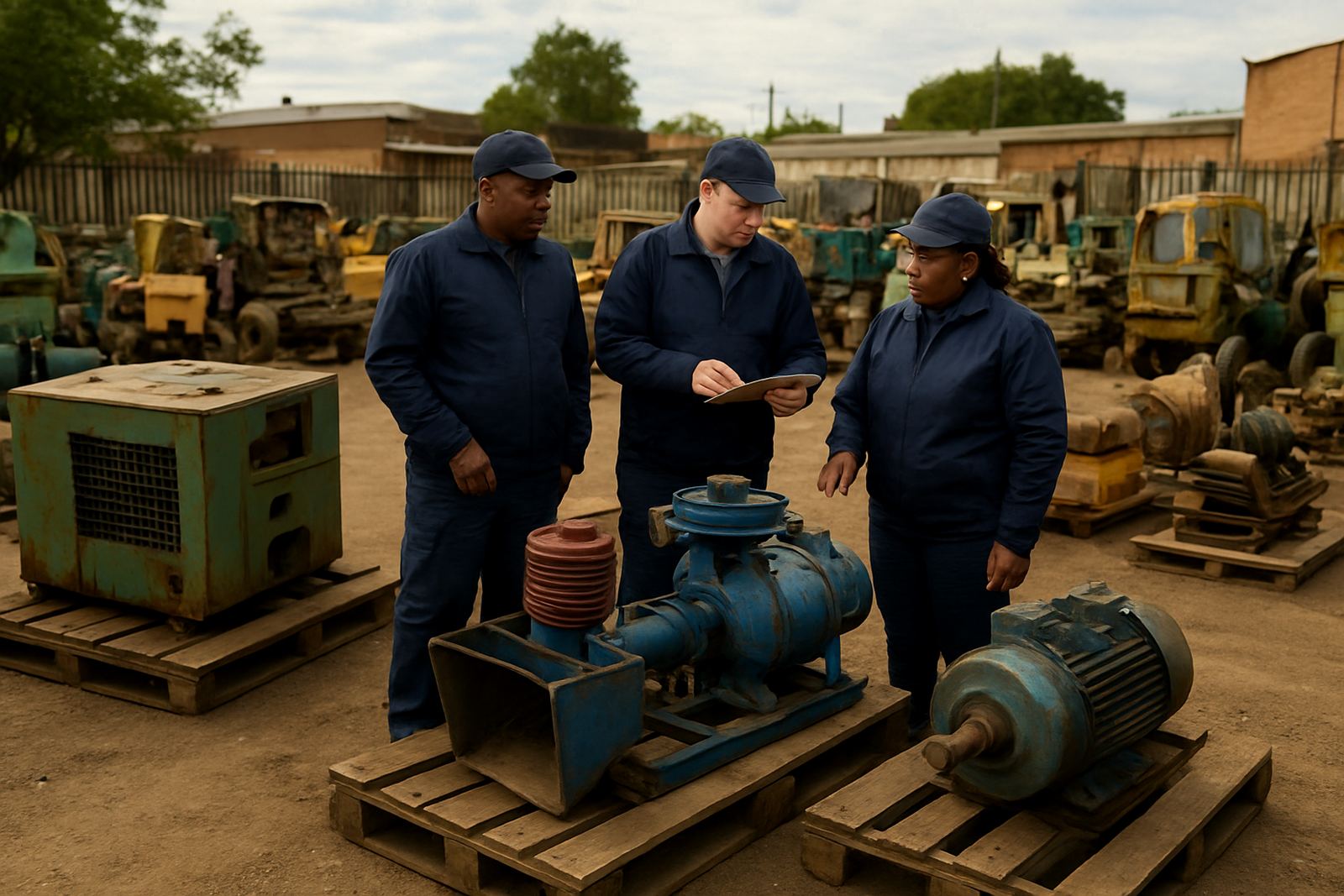
Good planning starts before the auction goes live. A municipal site needs a simple layout for viewing so buyers can inspect assets without disrupting operations or creating traffic around service roads. Where possible, place smaller items on pallets or tables, keep heavy items together and mark each lot clearly with an inventory reference. If the site has multiple entrances or active trucks moving through, set fixed viewing times and use one controlled route through the yard. This is especially useful in busy Gauteng depots where load-shedding can affect access control, lighting and gate movement.
For larger dispersal projects, we usually advise a site walk first. That helps identify trip hazards, missing keys, fixed plant that needs isolation, and any items that may need municipal approval before release. In coastal areas like Durban and Cape Town, rust and humidity can affect condition faster, so buyers should be able to see the actual state of the lot not just a description. A strong site plan reduces disputes later and keeps collections moving on schedule.
- Separate working items from scrap, salvage and disposal stock
- Use numbered lot tags that match the catalogue and the yard layout
- Allow enough space for buyers to park, inspect and load safely
- Check access for low-bed trucks, forklifts and crane collection where needed
Common mistakes that slow down municipal auctions
The biggest mistake is waiting until the store room is full before starting the disposal process. By then, teams often have incomplete records, mixed stock and items with no clear ownership trail. Another common issue is grouping too many unrelated assets into one lot. A buyer may want the compressor and skip the shelving, or want the shelving and not the damaged tools. When lots are too broad, interest drops and bids can stall.
Accurate reserve guidance makes a real difference. Municipal assets can vary a lot depending on age, condition and whether there are spare parts available. A reserve that is too high can leave good items unsold, while a reserve that is too low can reduce recovery on usable stock. Missing serial numbers, poor photos and unclear collection rules are other problems that create admin pressure later. One more point is compliance: if your department needs internal sign off, collection release notes or staged handover, those steps should be set out before the auction opens, not after.
- Do not mix fixed plant with loose stock in one lot unless buyers can move both
- Do not rely on old store records alone, physical verification is needed
- Do not leave collection rules open ended when multiple sites are involved
- Do not assume every item should be sold, some assets are better scrapped or retained
Budget ranges for public sector disposal projects
Budgets depend on the number of items, the spread of sites and the level of preparation needed. A small municipal disposal, such as a few workshop assets and some office furniture from one depot, may sit in the lower range. A multi-site programme with appraisals, photo cataloguing, reserve guidance and collection coordination will sit higher because there is more site time, more admin and more buyer management. In general, departments should budget for the full process rather than only the auction fee, because site access, labour and clearing can affect the final cost.
For planning purposes, many municipalities work with project budgets in the range of R15 000 to R45 000 for smaller clear-outs, especially where the asset list is already tidy. Mid-sized disposals with several hundred line items, viewings across more than one location and heavier equipment can move into the R45 000 to R120 000 range. Larger dispersal programmes, or those involving multiple depots and special handling for forklifts, generators or vehicle lots, can go beyond that. The key is to match the spend to the value recoverable. In some cases a well run auction pays for itself quickly through better sale prices and lower storage pressure.
What buyers expect from municipal lots
Buyers in this space want honest condition notes, easy access for viewing and a straightforward collection process. They are often workshops, small contractors, resellers and maintenance businesses looking for usable stock at fair prices. If the lot is too messy, they will factor in extra labour and bid lower. If the lot is neat and the photos show what is included, confidence goes up. That matters whether the site is in Alberton, Isando or further out in Bloemfontein.
Public sector sellers also benefit from a neutral, transparent process. That means clear lot descriptions, set viewing points, timed bidding and payment clearance before release. It keeps the auction orderly and reduces follow up queries from buyers. For municipal departments trying to free up floor space before year end or before a store audit, that certainty is often the difference between a slow internal process and a clean disposal that actually closes. We see this often where workshop teams have had to keep old gear out of sight for too long, and once it is listed properly, the space opens up fast.
How BidThis supports municipal disposals
BidThis works with municipal teams from first asset review through to collection coordination. Our process covers asset appraisals, seller onboarding, lot cataloguing, auction photography, reserve price guidance, timed online auctions, viewing management, buyer support, payment clearance and multi-site dispersals. For public facilities departments, that means less pressure on internal staff and a cleaner handover from store room to sale.
Our Germiston base gives us good access to Gauteng and the main freight corridors, while our viewing points help with local access in Johannesburg East, Pretoria, Durban, Cape Town and Bloemfontein. If you are dealing with surplus stores, workshop items or fleet support assets, the goal is simple: clear the site properly, sell what still has value and keep the process tidy from start to finish.