
When a fleet needs to reduce vehicles fast
Transport fleets rarely have one neat reason to sell. A depot may be closing, routes may be changing, vehicle ages may be out of balance, or a company may be cutting back after a contract ends. In those cases, holding on to unused bakkies, rigid trucks, trailers or forklifts just ties up cash and yard space. An online auction gives you a clean way to move surplus assets and see what the market is willing to pay, without months of private selling.
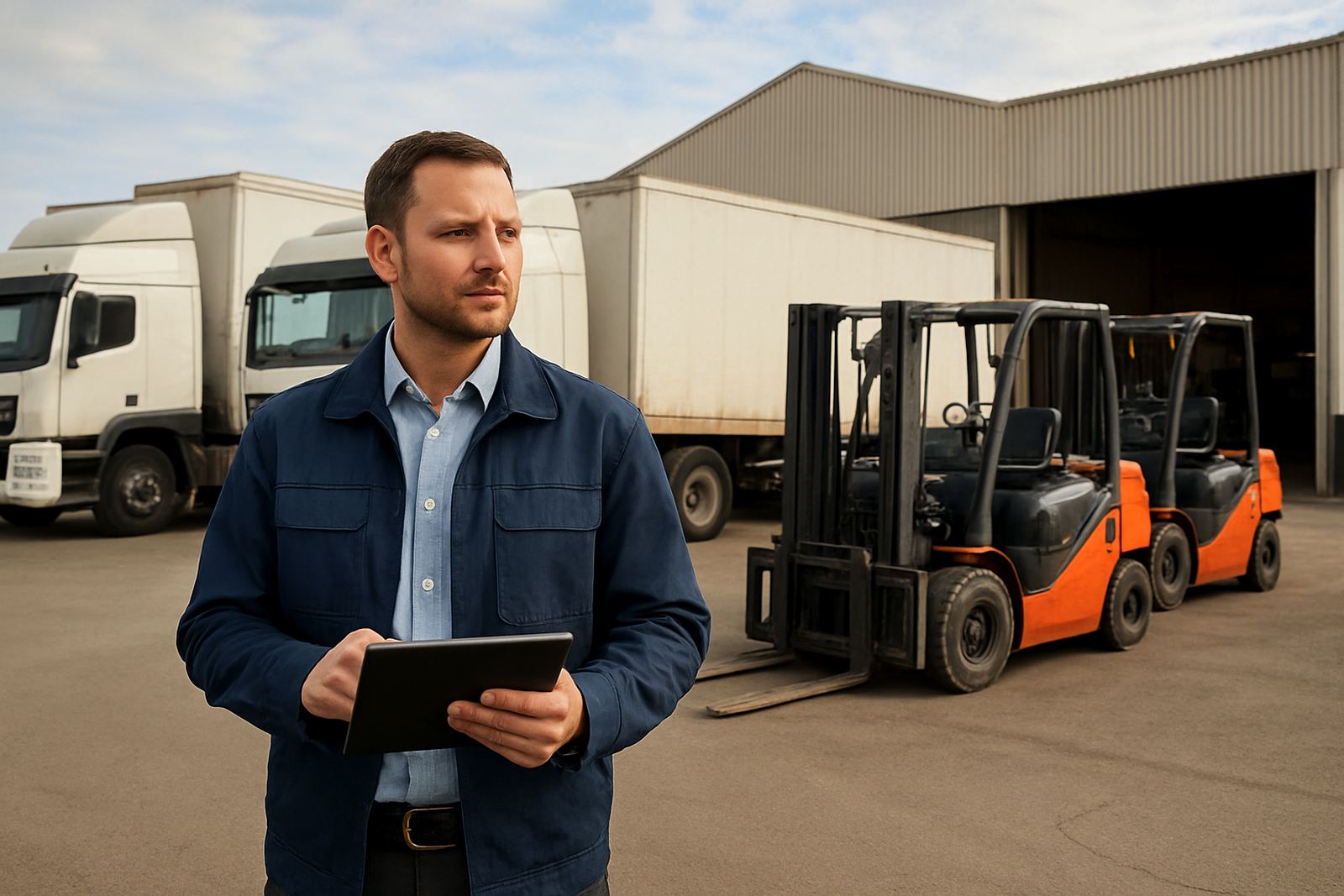
For buyers, fleet auctions are often the place to find well-used warehouse handling gear and support vehicles at prices that make sense for smaller depots, regional operators and start-ups. The important part is matching the asset to the job. A 2 tonne forklift suited to a flat, dry warehouse in Gauteng is not always the right fit for a busy coastal site with tighter turnaround times and more corrosion risk.
Typical fleet and depot equipment that comes up for auction
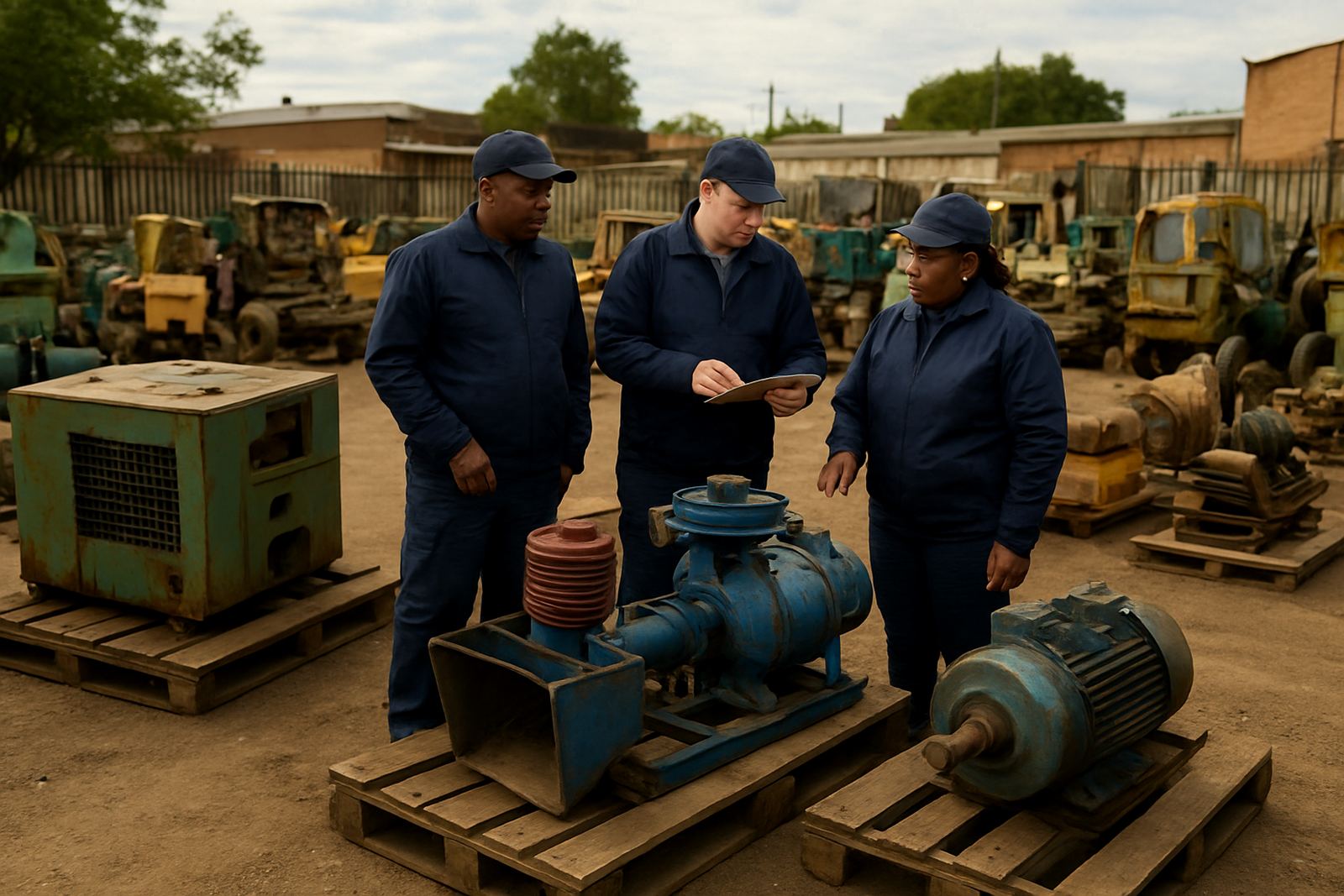
Transport and logistics businesses usually sell a mix of road-going and yard equipment. Some items are ready for immediate use, while others are better suited to spares, refurbishment or low-intensity work. We see regular interest in units that can move stock between depots, load trucks and keep warehouse flows going without a full capital outlay.
- Panel vans, bakkies and light delivery vehicles
- Rigid trucks, tautliners and flatdeck trailers
- Forklifts, pallet jacks and stackers
- Battery chargers, racking and warehouse cages
- Workshop tools, compressors and tyre equipment
- Fuel bowsers, jerry can cages and spill kits
- Office and depot furniture for control rooms and admin areas
When equipment is listed properly, buyers can judge condition against actual use. Hours on a forklift, service records for a truck and clear photos of tyres, forks, lifts and chassis condition all help buyers bid with more confidence. That saves time on both sides.
How to plan a fleet sale around your depot layout
Good planning starts with access. If you are selling from a working depot in Germiston, Isando, Pretoria East or Durban, the viewing route needs to keep traffic moving and avoid blocking loading bays. A simple yard plan helps buyers inspect assets safely and helps your staff know what stays live, what is isolated and what can be released for collection.
We usually advise sellers to separate the auction lot area from daily operations, even if it is only with cones, tape or temporary barriers. In busy yards, this reduces confusion and lowers the risk of damage from reversing trucks or forklifts. If you have equipment stored in more than one site, multi-site dispersals need a clear list of which asset sits where, who controls the keys and what the removal windows are. That part sounds small, but it saves a lot of phone calls later.
- Group similar assets together for better viewing
- Record serial numbers, hours and registration details early
- Check whether any items need roadworthy, de-registration or permit handling
- Keep keys, spares and remotes in one marked set per lot
- Plan collections around depot shifts and loading dock times
Common mistakes fleet operators make before auction day
The biggest mistake is listing assets too late, after they have already sat unused for months. Idle vehicles lose value through battery failure, tyre flat spots, brake issues and general neglect. Another common issue is selling without decent photos or accurate descriptions. Buyers notice when odometer readings are missing, lift mechanisms are not shown, or a truck is described as “running” but the photos do not back that up.
Some sellers also underplay the cost of preparation. A quick wash, a basic service check and a proper asset list can make a real difference to bidding interest. On the buying side, a common mistake is ignoring collection logistics. A good price on a forklift means little if you have not planned transport, loading equipment and site access. In coastal areas, especially Durban and Cape Town, you also need to factor in corrosion, battery condition and any rust on undercarriages or warehouse gear.
Budget ranges that help depots plan realistically
Fleet auction budgets vary a lot depending on condition, age and whether the equipment can go straight back into service. For many buyers, the aim is not to buy the cheapest item on the board, but to land a machine or vehicle that can earn its keep quickly. Sellers use these ranges to decide whether a reserve price is realistic or whether the asset should be moved on and released into the market.
- Light fleet vehicles and older bakkies: often from R40,000 to R180,000 each
- Used rigid trucks and trailers: often from R120,000 to R650,000 each
- Forklifts and warehouse handlers: often from R35,000 to R250,000 each
- Depot racking, cages and handling accessories: often from R5,000 to R90,000 per lot
- Mixed surplus stock and workshop items: often from R2,000 to R50,000 per lot
Those figures are broad, but they help with planning. If a fleet has several older units, selling as separate lots can bring better returns than grouping everything into one bulk clearance. On the other hand, if the yard is full and the business wants speed, a bulk sale may be the better option.
How BidThis supports transport fleet sellers and buyers
Transport and logistics clients need practical help, not vague promises. Our team handles asset appraisals, seller onboarding, lot cataloguing, auction photography, reserve price guidance, timed online auctions, viewing management, buyer support, payment clearance and collection coordination. For depots spread across Johannesburg, Pretoria, Durban, Cape Town or Bloemfontein, we can also manage multi-site dispersals so each yard is handled properly.
Whether you are releasing surplus stock from a Germiston warehouse, buying a forklift for a new cross-dock site, or clearing a mixed fleet after contract changes, the goal is the same: make the process orderly and get fair market value. If your operation runs with tight schedules and load-shedding backups, that matters even more. A well-run auction keeps the asset moving instead of leaving it to sit and lose value.