
When a recycling yard needs to release equipment
Recycling operations change quickly. A line that handled cardboard last year may now need a bigger baler, a different conveyor length, or extra yard handling gear after new contracts come in. In other cases a site is being rationalised, a branch is closing, or one of the machines is simply costing too much to keep running.
BidThis suits that kind of change because it brings used machinery into a national buyer pool instead of limiting the sale to one town. That matters for recycling centres in Germiston, Johannesburg, Pretoria, Durban, Cape Town and Bloemfontein where buyers may be looking for a replacement baler or a second-hand conveyor that can be collected quickly and put back to work.
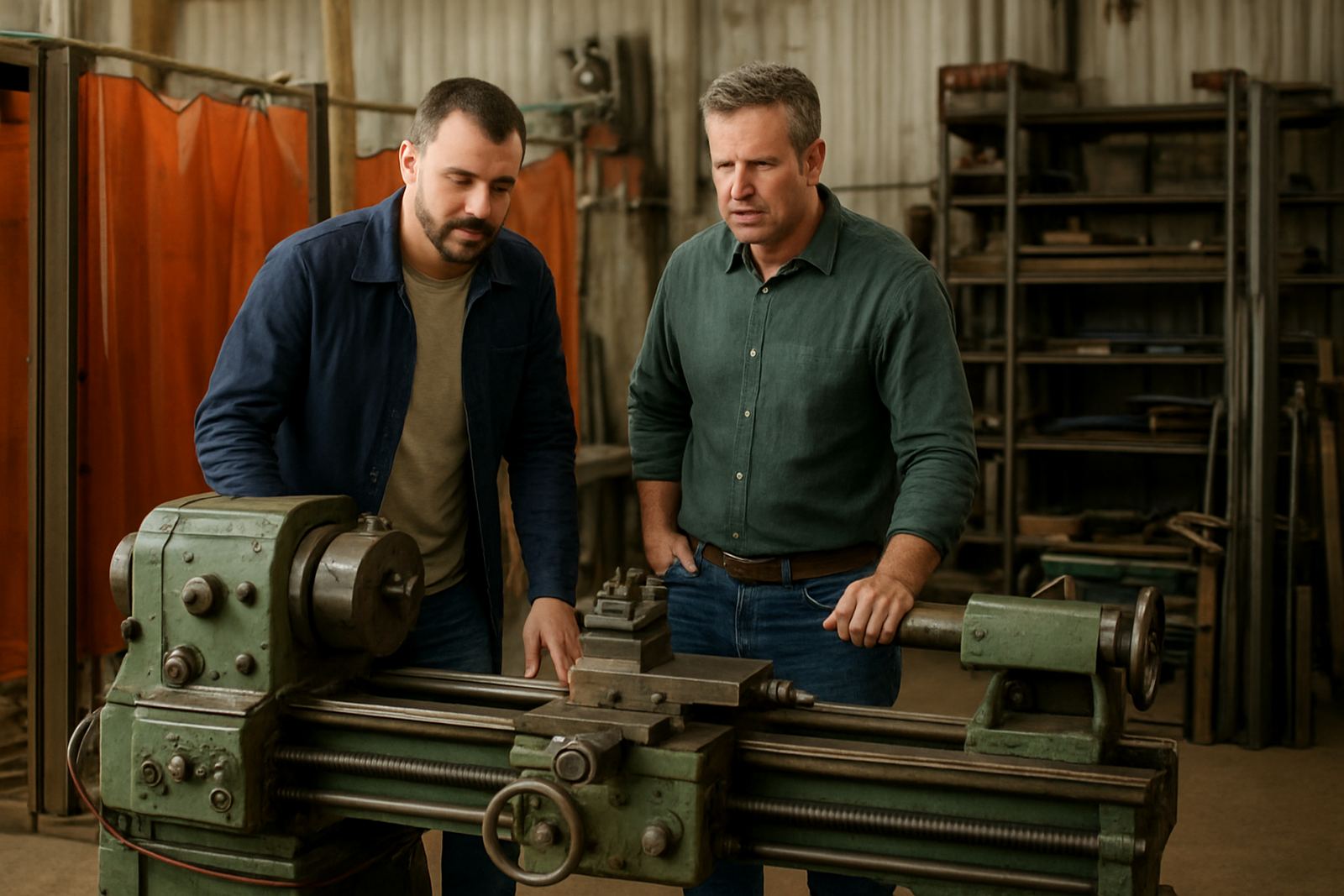
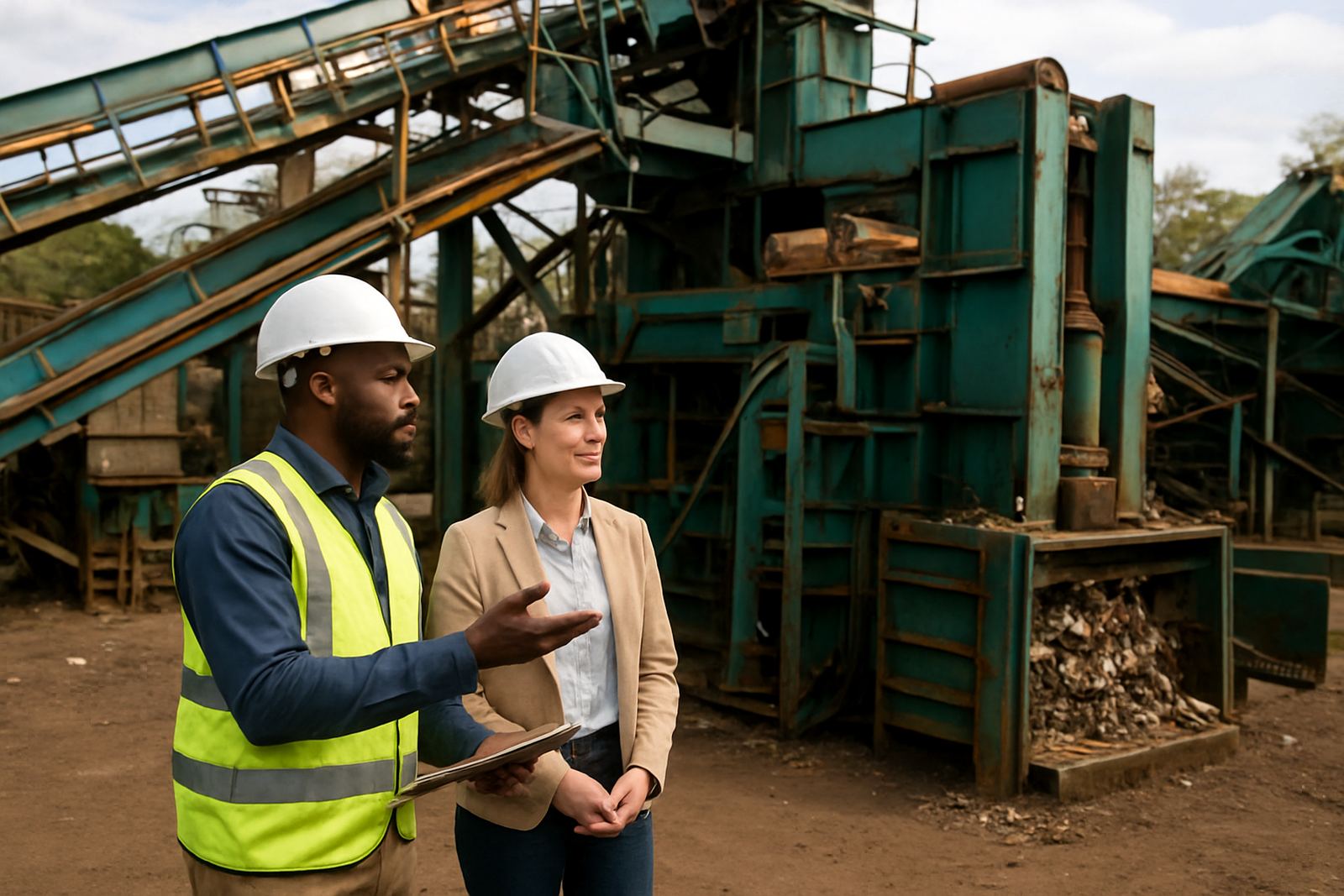
Typical assets from this sector include compactors, balers, conveyors, loading hoppers, weigh scales, forklifts, pallet jacks, bins, racking and yard support equipment. In many cases the equipment is still serviceable but the site no longer needs the same set-up, so a timed online auction is often the most practical route.
Typical equipment found in recycling centre auctions
A recycling centre lot list is usually a mix of process equipment and general yard assets. Buyers like to see what is included in one view, and sellers benefit when the equipment is grouped in a clear way. Good cataloguing helps both sides compare condition, size and fit for their own operation.
- Baler units for cardboard, plastic or mixed waste streams
- Feed and discharge conveyors of different lengths and belt widths
- Sorting tables, pick lines and work platforms
- Forklifts, pallet trucks and loading gear
- Scales, bins, cages and bulk storage containers
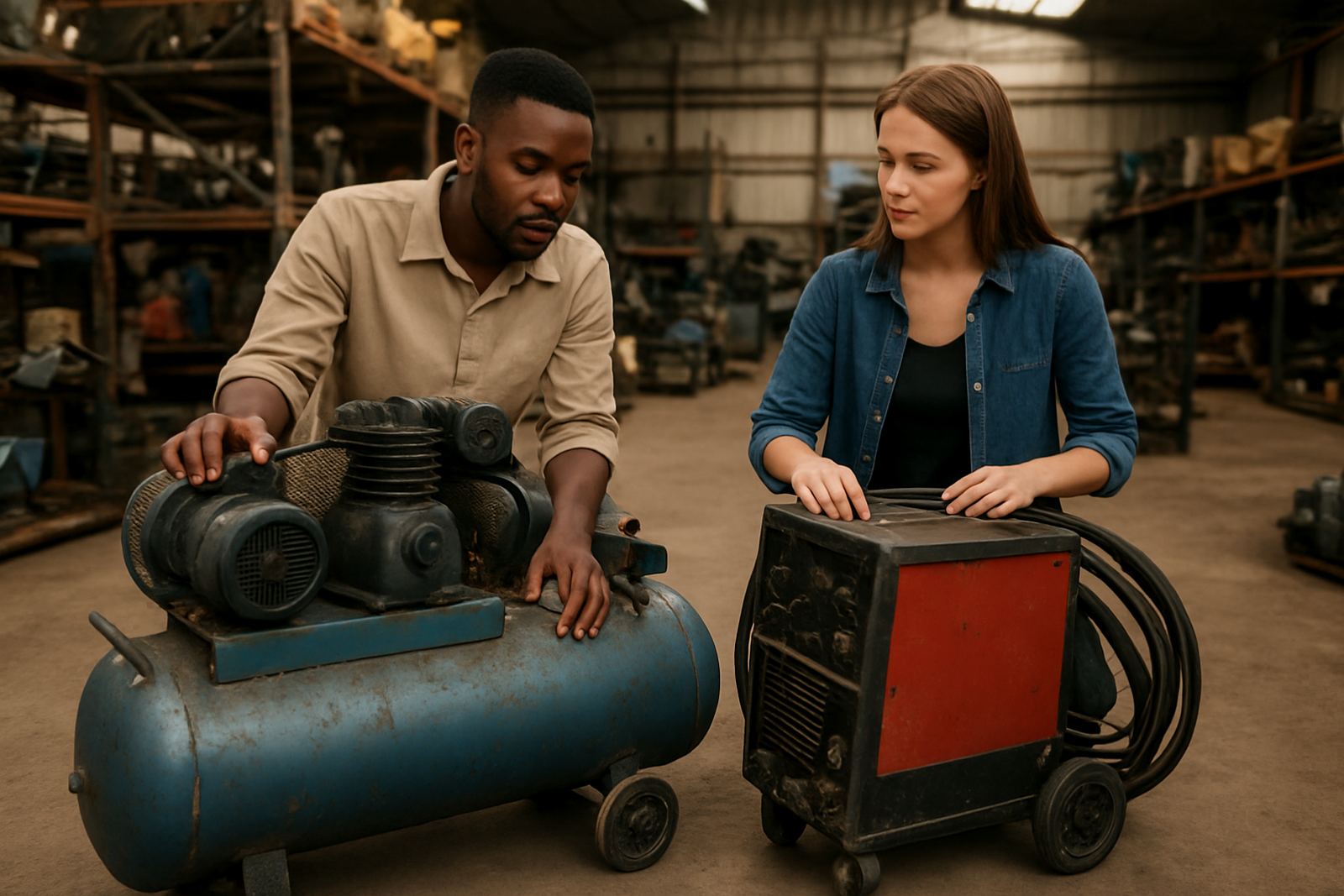
- Generators, compressors and basic workshop tools
- Lighting poles, cable reels and yard safety items
For buyers, the key detail is not only what the machine is, but also the footprint, power requirements and whether it was used in a dusty or wet area. In coastal towns corrosion can be a factor, while inland sites often show more wear from dust and constant starts and stops. A used conveyor may still be a strong buy if the rollers, motor and frame are sound.
Planning the auction layout so buyers can assess value
Recycling facilities are usually busy, with moving vehicles, stacked stock and limited space around the line. That means the viewing plan matters. Equipment should be grouped so buyers can understand the process flow, starting at feed-in, then sorting, then compaction or dispatch. If the yard is split across two or more areas, that should be shown clearly in the lot notes.
For sellers, a clean layout helps reduce disputes and makes inspections easier. It also helps when equipment must stay connected until a certain date. In Germiston and Isando, where yards can be tight and transport access is not always simple, buyers need to know if a loader can reach the machine directly or if removal will require rigging and extra labour.
Practical planning points include:
- Measure each machine before cataloguing, including height, width and length
- Note whether the item is bolted down, wired in, or linked to other equipment
- Mark access routes for truck entry, turning space and loading points
- Separate running assets from non-runners so buyers understand the condition
- Check whether municipal permits or site rules apply for collection times
Clear photos and simple descriptions save a lot of back and forth. Buyers want to know if the baler ram moves freely, whether the conveyor belt tracks correctly, and whether the control panel has visible damage. That sort of detail improves trust and helps the auction perform better.
Common mistakes when selling recycling assets
One of the biggest mistakes is waiting too long to sell. Once a machine sits idle, batteries go flat, belts crack and electrical issues build up. Another common problem is offering equipment with no real description, which leads to low bids or buyers pulling out late in the process.
Some sellers also group too much together. A lot that contains a baler, a loose motor and random yard fittings can be harder to price than separate items with clear photos. It is also a mistake to ignore removal conditions. If a conveyor needs a crane and a team of riggers, that should be stated before the sale closes, not after.
- Do not hide faults such as worn belts, bent frames or missing guards
- Do not assume buyers know the power supply or control setup
- Do not leave stock and scrap packed around the machine
- Do not set a reserve price without checking recent market interest
- Do not forget to plan the load-out route for tall or wide equipment
In our experience, sellers get better results when the site is prepared properly and the asset list is honest. It is better to price a machine correctly than to spend weeks storing it, insuring it and still not move it.
Budget ranges buyers and sellers should expect
Used recycling equipment can range from a few thousand Rand for small yard items to much higher figures for heavier process machinery. The actual auction result depends on age, condition, size, power setup and how easy the item is to remove. Demand also changes by region, especially when buyers in Johannesburg or Durban are looking for quick replacements.
As a rough guide, small yard support assets may trade from R2 000 to R15 000 each. Mid-size conveyors and basic handling gear often sit between R15 000 and R80 000, while larger balers and heavier processing equipment can move well above R100 000 if the condition and brand-independent specifications suit active operations. Multi-item lots may bring better overall value when sold together, but sometimes separate lots attract more competitive bidding.
Budget planning should also include rigging, transport and possible electrical work at the new site. A buyer in Cape Town, for example, may win a machine at a good price but still need to factor in collection, lifting equipment and re-commissioning. For a seller, the aim is to reduce storage costs and convert idle assets into cash without dragging the process out for months.
How BidThis supports recycling centre sales
BidThis manages used machinery and business asset auctions for sellers across South Africa, with support for appraisal, catalogue preparation, viewing management and collection coordination. For recycling centres, that means the equipment can be presented properly, auctioned in a set window, and collected with fewer delays.
Our team works with assets from single branches and multi-site operations alike. If a company needs to clear equipment from Germiston and Pretoria at the same time, or split viewings between Durban and Cape Town, the process can be arranged around the site’s operating hours. That helps reduce downtime and keeps staff focused on the day to day job.
For sellers, the main benefit is having a clear route from asset list to sale. For buyers, it means a straightforward way to find used recycling equipment that is priced against real market demand, not guesswork.
When a recycling centre should auction instead of storing
If a baler has been idle for more than a few months, or a conveyor no longer fits the current line, it usually makes more sense to auction it than to keep paying for space and maintenance. This is especially true when load-shedding, site changes or contract shifts mean the equipment will not be used again soon.
A practical sale also helps with compliance. Fewer unused machines on site can mean tidier fire lanes, better access for inspections and less clutter around operating areas. In busy recycling yards that extra space is worth real money and reduces day to day friction for the team.
For many centres, the right time to sell is before the machine becomes a storage problem. Once the decision is made, clear cataloguing and a proper collection plan usually give the best result.