

When retail stockrooms start filling up
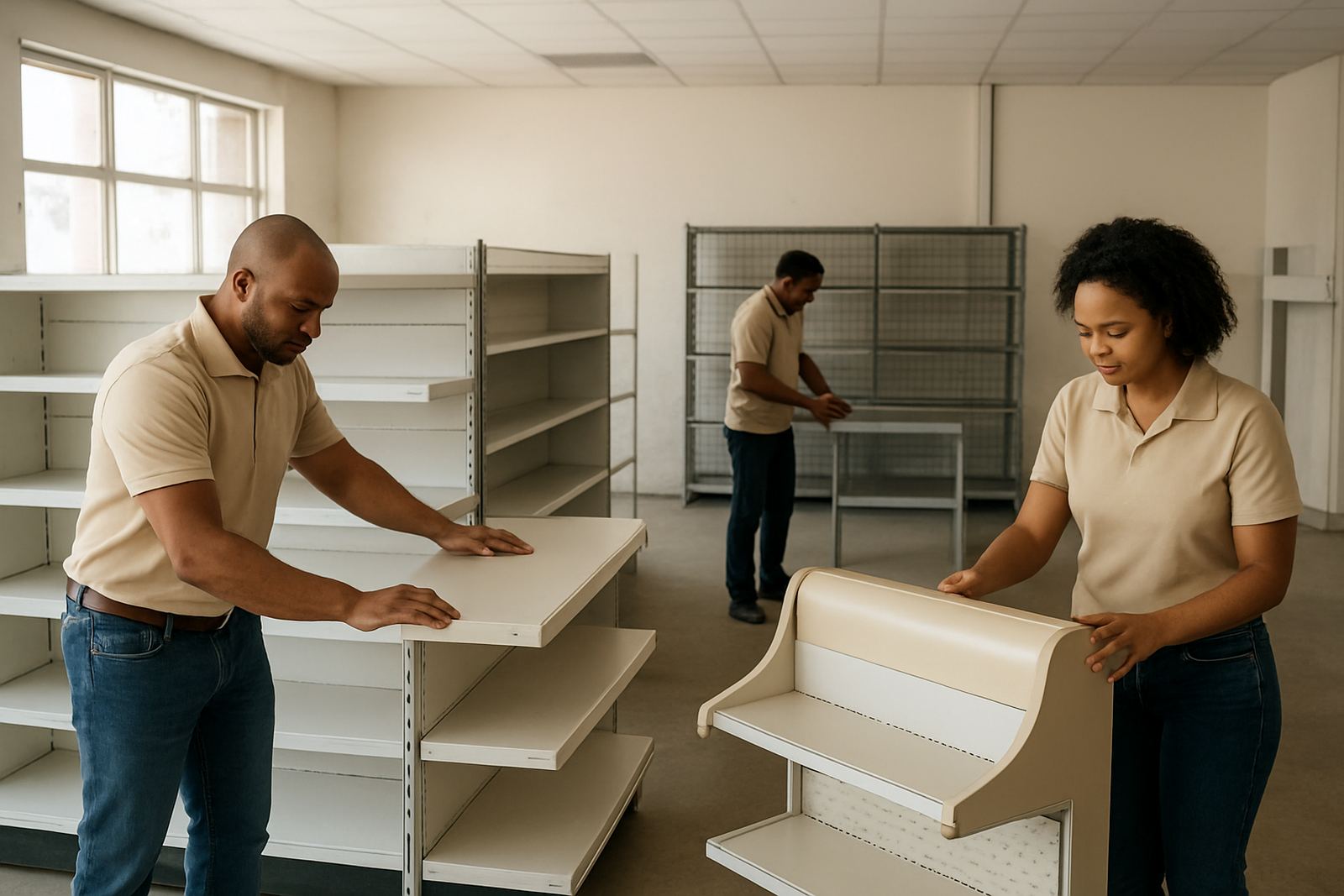
Retail operators usually come to us when a refit is underway, a store is being downsized, or a regional branch is being closed and the fit-out needs to be cleared fast. The items are often still serviceable, but they no longer match the new layout, brand look or storage plan. That can include gondola shelving, wall bays, cashier counters, back-of-house racking, chillers, security gates and point of sale items that have been replaced during the upgrade.
For groups with multiple branches, the challenge is often timing. You might have one site in Germiston that needs a quick clear-out while another in Pretoria still needs access for trading until the last weekend. We work around those moving parts so the sale is organised, the lots are described clearly and the collection plan is practical.
- Branch refits with removal deadlines
- Store closures or relocations
- Warehouse and stockroom clean-outs
- Loose fixtures from phased upgrades
Typical equipment retail buyers look for
Retail buyers are usually practical. They want items they can reuse quickly, with sizes and condition clearly noted. That means display units, shelving and storage gear need to be photographed well and measured properly. If a lot includes electrical equipment, buyers also want to know if it was tested recently and whether there are missing parts, repairs or minor wear.
Common retail lots often include mixed items from front of house and back office areas. The best-performing lots are usually the ones that can go back into service with limited fuss, especially for independent stores, wholesalers and fit-out contractors working on a tight budget.
- Gondola shelving and wall shelving
- Glass display cabinets and display plinths
- Shop counters, tills and queue rails
- Storage racking, cages and trolleys
- Chillers, freezers and prep units
- Signage frames, security gates and fitting accessories
How to plan a retail lot sale properly
A retail auction works best when the site is mapped before the first photo is taken. We recommend grouping items by function and area, not just by whatever is easiest to remove first. For example, floor shelving should be listed together, bakery or deli equipment should stay in one cluster, and back-of-house storage should be separated from sales floor fittings. That makes bidding simpler and collection much smoother.
Measure every item in millimetres or metres, not by eye. A shelving bay that is 1,200 mm wide can be useful to one buyer and useless to another if they planned for 1,000 mm spaces. In larger stores, it also helps to note ceiling height, aisle width and any fixed obstacles so buyers can judge access for loading trucks or trailers. In humid coastal towns like Durban and Cape Town, it is worth mentioning rust spots, swelling on chipboard, or wear on hinges so there are no surprises later.
For multi-site retail groups, we often suggest a phased dispersal. That gives the operations team time to clear one branch, then move to the next without clogging loading bays or disturbing trading too much.
Common mistakes that reduce auction results
The biggest mistake is leaving too much to the last minute. If a store is being stripped after trading hours and the catalogue has not been planned, lots end up vague and buyers lose confidence. Another issue is mixing useful equipment with scrap so everything looks like one pile instead of a proper sale. Clear lotting brings better bids and saves time on collection.
Retail groups also lose value when they forget the small pieces. Shelf brackets, back panels, price ticket strips, drawer inserts and cable covers may seem minor, but buyers often need them to get the equipment working again. Missing items should be noted upfront, not discovered on collection day. That kind of thing creates delays and unhappy buyers, and nobody needs that in a tight shutdown schedule.
- Not measuring items accurately
- Combining salvage and working stock in one lot
- Leaving out accessories and fittings from the description
- Underestimating collection access for trucks and forklifts
- Ignoring weather damage on coastal stock
Budget ranges buyers and sellers can expect
Retail surplus varies a lot by condition, age and how quickly the sale must move. Small branch clear-outs may bring in a few thousand Rand per lot, especially where the items are well grouped and easy to collect. Larger refits with multiple shelving runs, chillers and counters can run into the tens of thousands, and a full multi-branch dispersal can be far higher.
As a rough guide, basic used shelving may attract bids from about R500 to R2,500 per bay depending on size and condition. Display cabinets and counters can range from about R1,500 to R12,000 each. Refrigeration and specialised back-of-house equipment can sit much higher if it is complete and in working order. Sellers should also budget for removal planning, viewing management and any cleaning needed before catalogue day. Buyers should factor in transport, rigging, and possible electrical checks once the equipment arrives at site.
Working with a national retail footprint
Retail groups often need one auction process that still handles local realities. A site in Germiston may be easy to access for collections, while a Durban viewing point can face different timing around humidity, parking and loading bay space. In Pretoria or Bloemfontein, the main issue may be keeping the branch operational while the sale is being viewed. We handle those details through the enquiry form, so the sale is set up around the actual site conditions rather than guesswork.
Our team manages asset appraisals, seller onboarding, lot cataloguing, auction photography, reserve price guidance, timed online auctions, viewing management, buyer support, payment clearance, collection coordination and multi-site dispersals. For retail groups, that means one clear process for fixtures, fittings and surplus stock across branches, with the sale kept orderly from first list to final uplift.