
When a farm or estate needs to free up capital
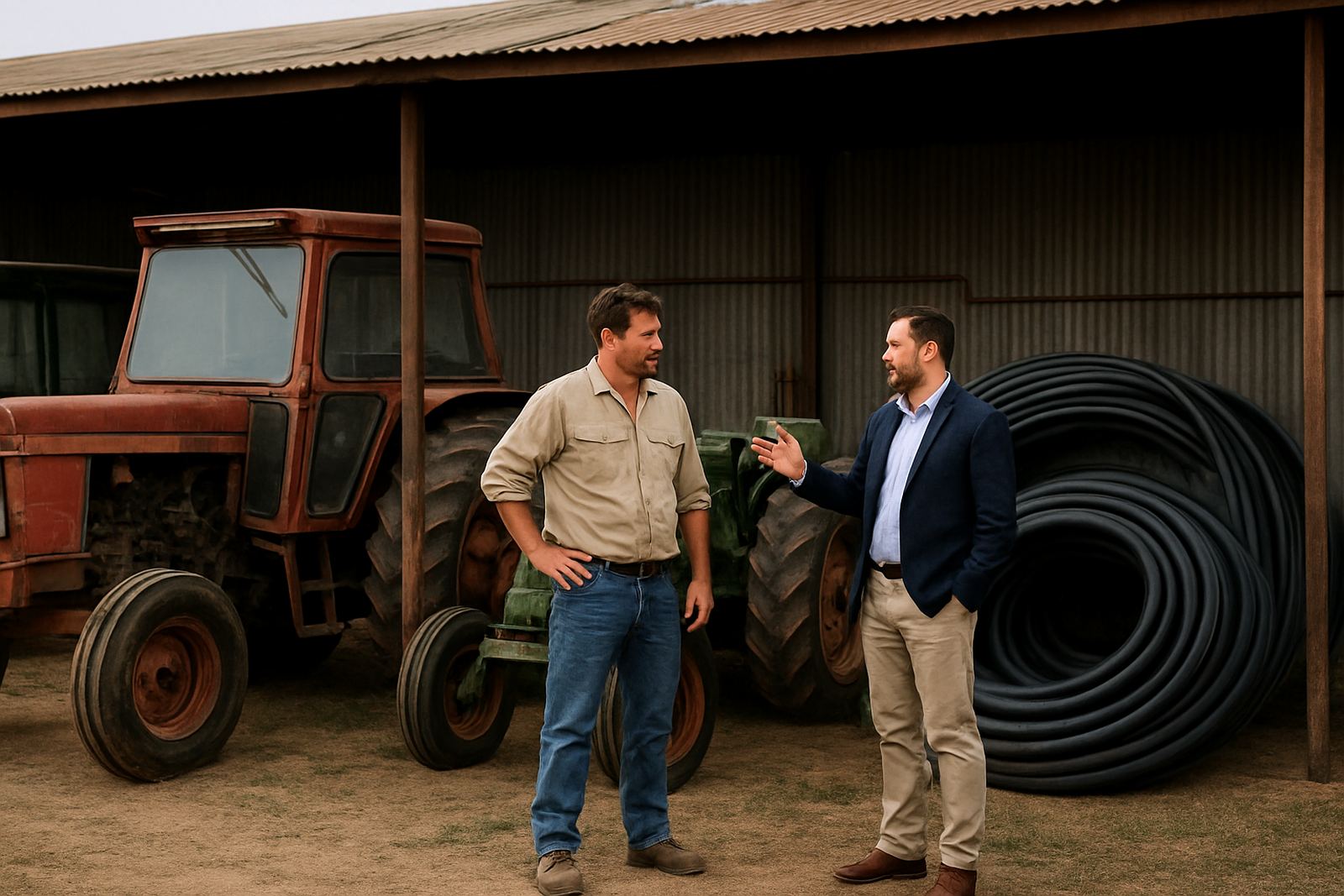
Agricultural businesses change shape through the year. You may be replacing a tractor, thinning out duplicate implements after an expansion, or clearing equipment that has sat under cover for too long. On estates, the pattern is often similar, with maintenance vehicles, pumps, trailers and grounds equipment no longer matching current needs. A timed online auction is a practical way to turn those items into cash without waiting for a private sale.
For sellers in Germiston and across Johannesburg, Pretoria, Durban, Cape Town and Bloemfontein, the key question is not whether the item is old, but whether it still has working life left. Tractors with honest hours, irrigation pumps, diesel tanks, slashers, utility bakkies, generators and trailers all perform well when they are presented properly. Even worn equipment can attract strong interest if the lot description is clear and the viewing is organised.
For farms near the coast or in high humidity areas, storage conditions matter. A machine kept near Durban or the Eastern Cape may show more rust than a similar unit inland, so buyers need good photos and accurate notes. That kind of detail helps prevent wasted time and builds trust in the auction process.
Typical equipment that sells well on agricultural lots
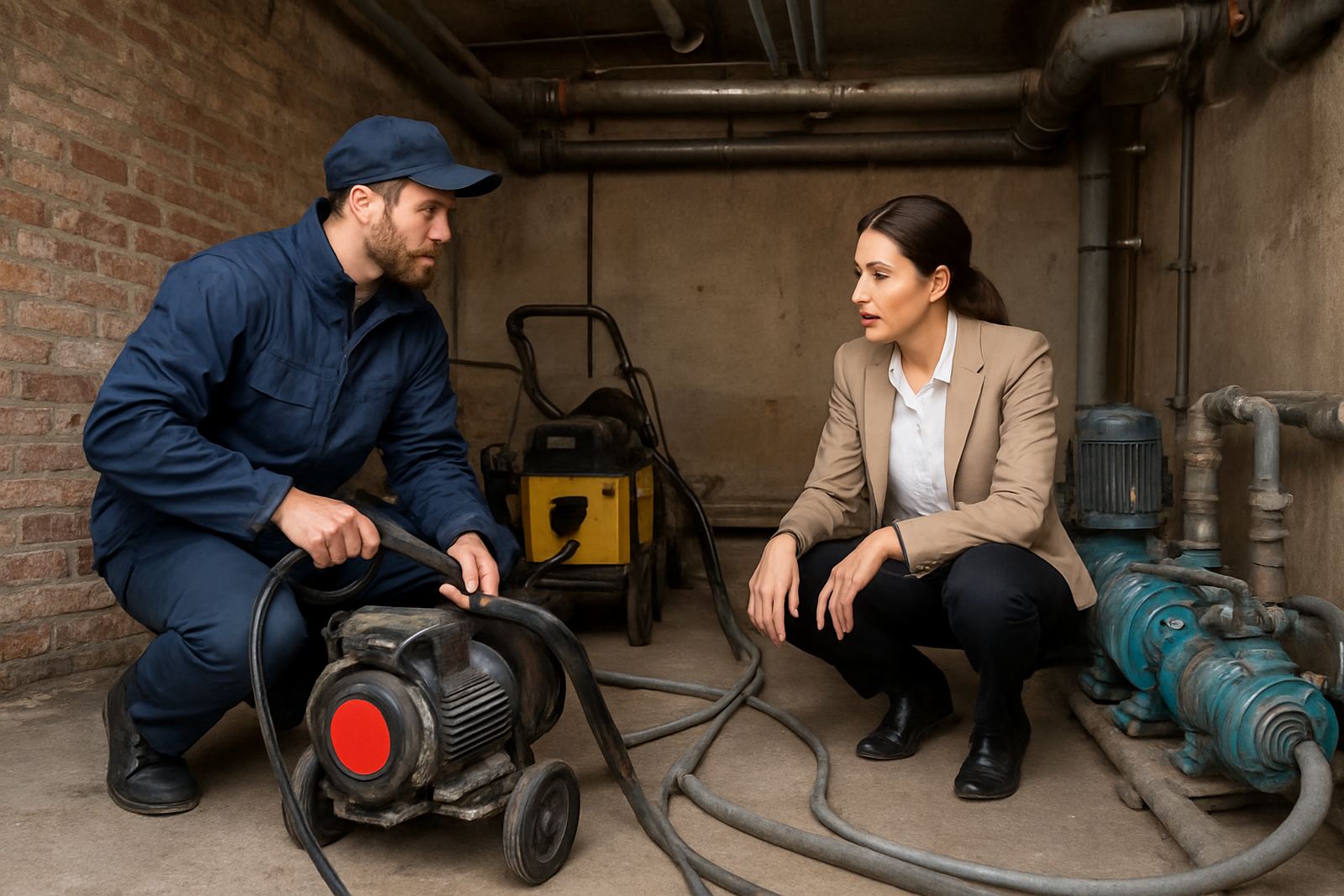
Farm and estate auctions are rarely about one single machine. More often, they are a group of related assets that help a buyer get moving quickly. A well planned lot mix usually includes the items below, with the bigger machinery sold separately and the smaller utility gear grouped sensibly.
- Tractors in working order or project condition
- Water pumps, pressure pumps and irrigation fittings
- Trailers, tipper trailers and spray rigs
- Generators, welders and battery charging units
- Slashers, discs, ploughs and other implements
- Small loaders, forklifts and yard vehicles
- Fuel tanks, bowsers and workshop items
- Estate mowers, ride-ons and grounds maintenance tools
Buyers are often looking for a quick fit to a very specific job. A citrus farm may want pumps and sprayers. A mixed farm may need a second-hand tractor for transport, feed movement or dam work. Estates often need reliable utility machines for landscaping, clearing and security duties. That is why clear lot descriptions matter so much. The engine type, tyre condition, hour reading, PTO status, hydraulic leaks, attachment condition and paperwork should all be noted before the auction opens.
How to plan the lot layout for better bidding
Good layout makes a real difference to results. Start by separating working assets from non-working items, then place them into logical groups. Keep tractors, pumps and vehicles on their own lots. Smaller spares, hose reels, sprayers nozzles, belts and fittings can be bundled if they have similar use and reasonable value. Avoid mixing a high-value asset with a pile of scrap, because that makes bidding harder and usually weakens the outcome.
On site, the viewing yard should be easy to move through. Leave enough space for buyers to inspect tyres, serial plates and undercarriages. If the farm has limited access roads, note that in advance so collection planning is realistic. On larger estate clearances, we often see better outcomes when lots are arranged by area, such as workshop, shed, pump house and yard. That keeps the auction orderly and helps buyers compare related items without confusion.
- Wash equipment lightly so damage is visible, but do not hide defects
- Photograph each asset from all sides, plus close-ups of wear points
- Record hour metres, running condition and missing parts
- List whether power is 220V, 380V, diesel or petrol where relevant
- Set viewing times that suit farming hours and staff availability
For farms with active operations, timing is important. Avoid auctioning during harvest pressure, livestock movement or irrigation peak periods unless the sale is urgent. The smoother the viewing and the more practical the lot order, the easier it is for buyers to bid with confidence.
Reserve price guidance that matches the market
Reserve prices must be realistic. Agricultural buyers know the condition of used machinery, and they will walk away if the starting point is too high. A reserve is not there to protect a wishful asking price, it is there to protect value while still allowing the market to do its work. That balance is important for both private farms and estate executors handling mixed assets.
As a rough guide, smaller utility assets may move in the R3 000 to R25 000 range, depending on condition and demand. Pumps, generators and workshop equipment often sit between R5 000 and R60 000. Mid-range tractors, trailers and implements can land anywhere from R35 000 to R250 000. Larger, well maintained units can exceed that, especially if they come with service records, spare parts or recent work done. These are only guide ranges, not promises, because age, wear, locality and season all affect demand.
For buyers, a sensible budget is not just the hammer price. Set aside funds for collection, cleaning, tyre replacement, missing hoses, batteries and minor repairs. On coastal or dusty inland properties, those follow-up costs can be the difference between a good buy and an expensive one. Sellers should also budget for appraisal, photography, lot cataloguing and clearance coordination, because those steps help the auction run properly and can improve results.
Mistakes that reduce returns on farm and estate auctions
The biggest mistake is under-preparing the assets. A dirty tractor with no hour reading, no serial number and no clear status will struggle against a similar machine that has been described properly. Another common problem is selling too much in one mixed lot. Buyers prefer choice, and they prefer to know exactly what they are bidding on. If a lot includes useful equipment plus scrap, the value often gets dragged down.
Another issue is poor access. If collection is impossible for a bakkie and trailer, or if the yard gets muddy after rain, buyers may discount their bids. On estates, gate rules and security procedures must also be clear. If an item needs municipal approval, cutting clearance or decommissioning before removal, that should be stated upfront. Delays after the sale can cause disputes and slow payment clearance, so it is better to be direct from the start.
It is also worth avoiding emotional pricing. Family members sometimes attach a figure to an old machine because it has been on the farm for years. The market does not work that way. Clean information, fair expectations and a practical reserve usually produce a better result, even when the final price is lower than hoped. In a fast moving sale, that honesty saves time and stress for everyone involved.
What buyers in agriculture usually want to know
Agricultural buyers are careful because downtime costs money. They want to know if the machine starts, whether the hydraulics hold pressure, if tyres are serviceable and whether spares are still available locally. They also want to know where the asset is located, because transport from a farm near Bloemfontein is a very different job from moving equipment out of Gauteng or the coast. Clear location details help buyers calculate their total cost before they bid.
The strongest interest usually comes when the listing answers practical questions up front:
- Is the machine complete and running
- Are keys, manuals or service records available
- Can the item be viewed before bidding closes
- Is there any outstanding damage, rust or missing parts
- What is the deadline for collection
BidThis supports sellers and buyers through seller onboarding, auction photography, timed online auctions, buyer support, payment clearance and collection coordination. That matters on farms and estates, where the right buyer may be in another province and needs the process to be simple. When the lot details are accurate and the timing is managed well, used agricultural assets can move quickly and the seller can recover space and capital without losing momentum.