What Our Asset Appraisals Cover
Our appraisals are built for real auction and sale decisions, not guesswork. We look at the condition, age, service history, working status and market demand for each item, then give a practical view of expected value in the South African market. That includes factory machinery, workshop equipment, forklift units, generators, compressors, packaging lines, racking, office assets and surplus stock. We also note items that may need repairs, missing parts or safety checks before they can be offered for sale.
Because many businesses are dealing with load-shedding, tight cashflow and changing production plans, the value of an asset is not only about what it cost new. It is also about what a buyer can use today. A good appraisal helps you decide whether to sell by timed online auction, move assets between sites, or hold certain equipment for later. Where needed, we can separate assets into saleable lots so the stronger items support the weaker ones, rather than everything being priced as one bundle.
- Machinery, plant and workshop equipment
- Vehicles, trailers and handling equipment
- Office furniture, IT and security items
- Storage, racking and surplus stock
- Mixed lots for site clearances and dispersals
How The Appraisal Process Works
The process starts when you send an enquiry through the contact form with the asset list, site location and any photos or service records you have. For larger jobs, we may ask for serial numbers, hours run, power requirements, size, capacity and whether the item is still installed or already stripped out. From there, we set the appraisal method according to the job size and access conditions.
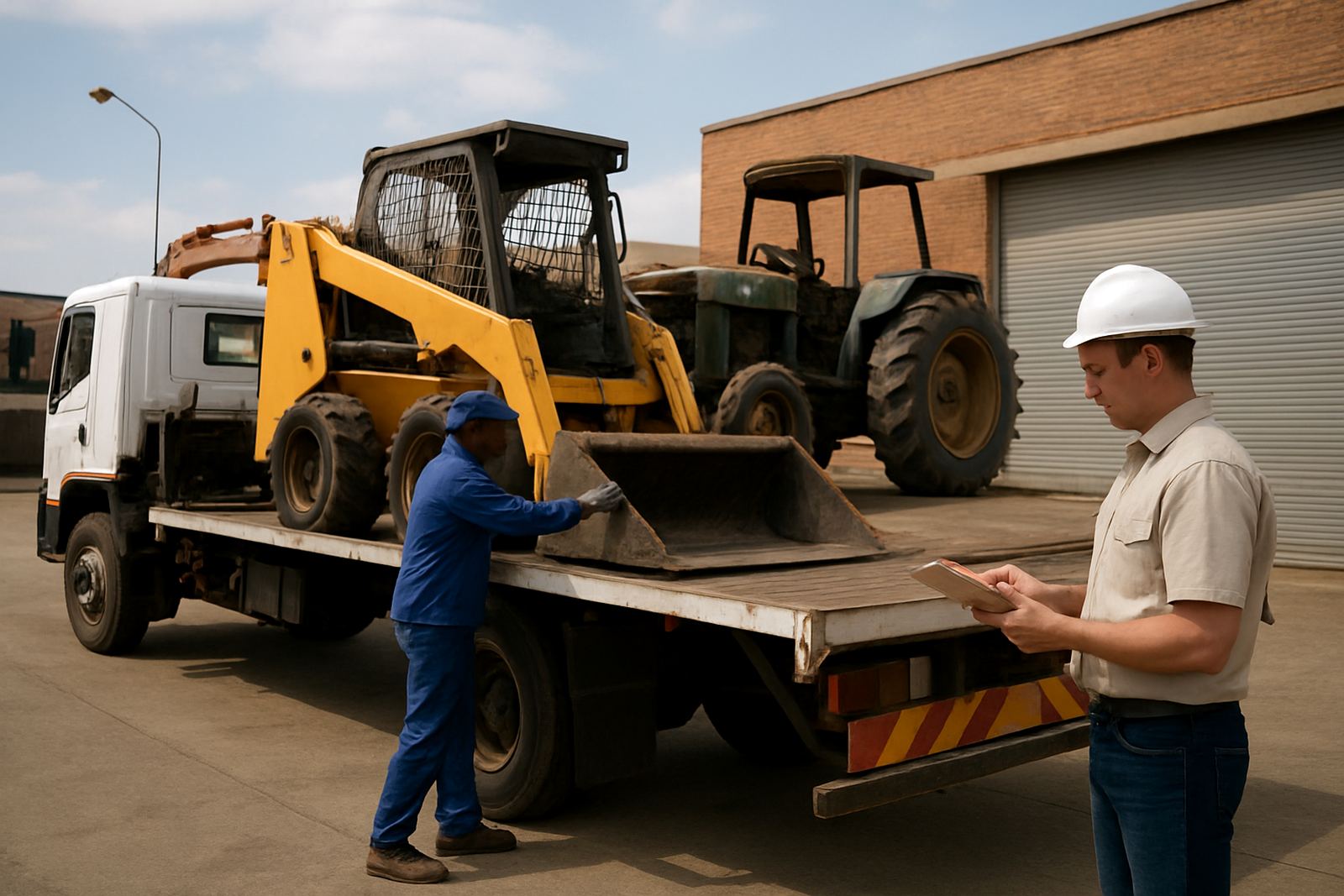
For smaller groups of assets, we can often work from photos, schedules and a short call with the seller. For bigger sites, or where the condition is uncertain, a viewing visit helps us check access, working condition and removal issues. We then compare the asset against recent South African sale data, similar machinery sold at auction and current buyer demand across regions. If the asset is in Germiston, Isando or Alberton, we can usually assess it quickly. For out of area sites, timing depends on travel and site access.
- Initial enquiry and asset schedule review
- Photo check and document collection
- Site inspection or remote valuation
- Market comparison and reserve guidance
- Written feedback and sale plan recommendation
Turnaround Times And Report Detail
Turnaround depends on how many items are involved and whether a site visit is needed. A small appraisal can often be completed within 1 to 3 business days after we have the information we need. Larger factory or multi-site portfolios may take longer, especially if equipment is split across yards, depots or operational lines. If the job is urgent because a sale, liquidation, relocation or lease handback is coming up, tell us upfront so we can sequence the work properly.
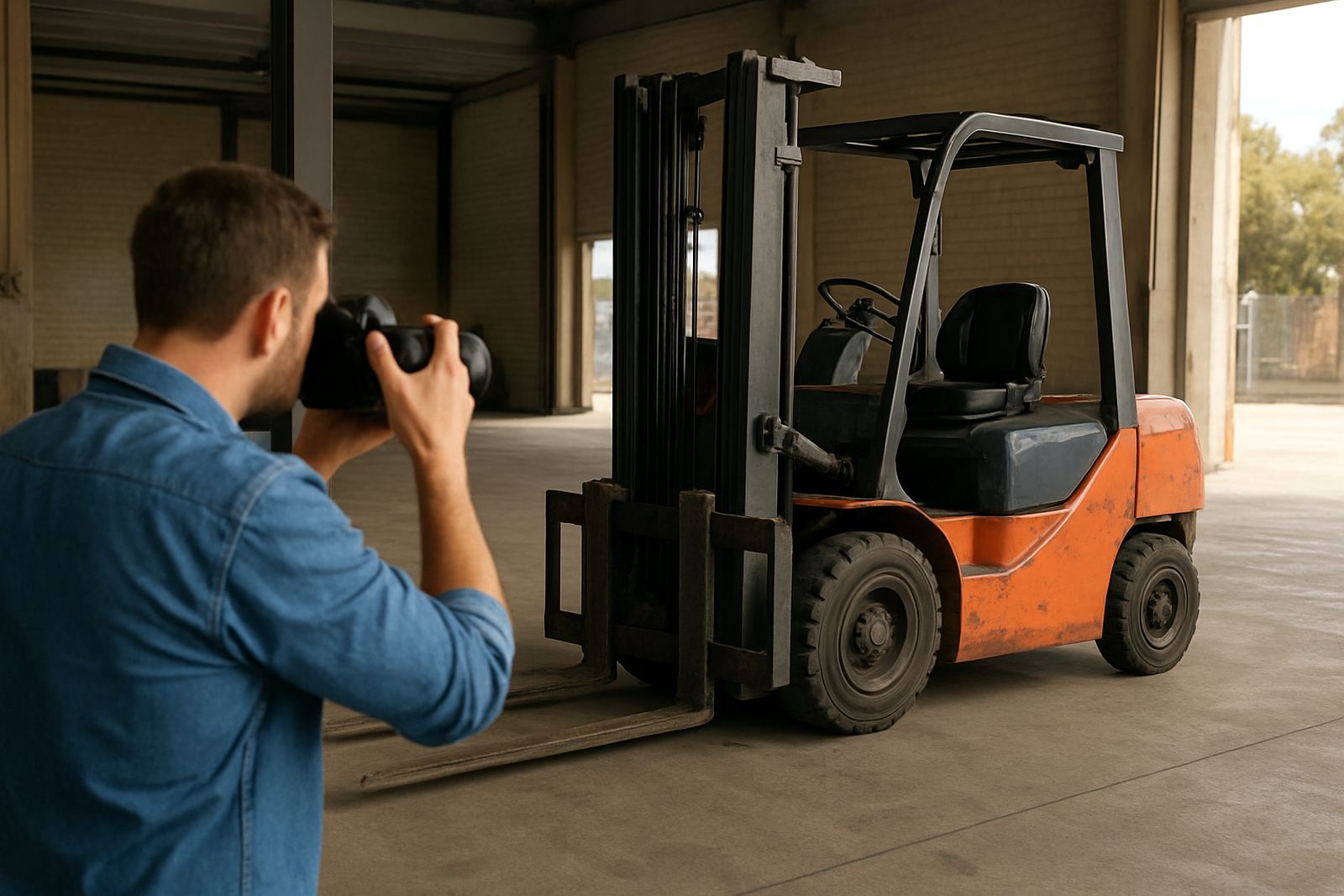
The report is meant to be useful on the ground. It normally includes a value range, a reserve suggestion where suitable, key condition notes, visible wear, likely buyer interest, and any sale risks such as missing cables, unverified hours or incomplete service records. We also flag items that may need attention before photography or viewing, like cleaning, battery charging, draining fuel, or basic safety isolation. That saves time later and helps the asset present properly at auction.
If a client needs a phased approach, we can appraise the highest value assets first and then move through the rest of the site in batches. This works well for plants with ongoing operations, or where maintenance teams need to keep access open while valuations are underway.
Pricing Approach And Value Guidance
Our pricing approach is based on the size of the asset list, the number of locations, and whether we need to do an in-person visit. We do not use a one-size-fits-all fee, because a five-item office clearance is not the same as a full production line with installed equipment. Before work starts, we explain the scope so you know what is included and what extra time may be needed for travel, access control or after-hours entry.
For sellers, the most useful part of the appraisal is often the reserve advice. Set too high, and the item can sit unsold. Set too low, and you leave money behind. We balance condition, market appetite and likely buyer use. In some cases, a lower reserve on a few quick-moving items can create interest and help the rest of the sale. In other cases, especially with specialist equipment, the better choice is to wait for the right buyer rather than chase a quick clearance. That judgement matters.
- Fees depend on asset count and site complexity
- Travel and access requirements may affect the quote
- Reserve advice is shaped by recent buyer demand
- Specialist items may need extra time for comparison
Maintenance Records, Inspection Intervals And Asset Condition
Good maintenance records make appraisals stronger. If you can provide service logs, oil change dates, parts replacement history, calibration notes or compliance certificates, we can judge the asset with more confidence. For machinery that runs daily, a service interval every 250 to 500 operating hours is common in many operations, while some plant is maintained on a monthly or quarterly schedule depending on use. In outdoor yards and coastal areas like Durban or Cape Town, corrosion and moisture can change value faster than the calendar suggests.
We also look at how regularly the item has been checked before sale. Batteries, belts, bearings, hydraulics, control panels and safety guards can all affect the final number. If equipment has been idle during load-shedding or slow periods, we note whether it has been stored under cover, disconnected properly, or left exposed to dust and damp. That affects both saleability and transport planning.
For businesses that keep assets for long periods, we recommend reviewing high-value items at least once a year, and sooner if the equipment is exposed to weather, heavy use or changing compliance rules. This helps avoid stale values and gives you a better picture of what can still be sold well.
Valuations for machinery across South Africa
We work across South Africa and understand that each town and industry has its own buying patterns. An item that moves quickly in Johannesburg may need a different reserve in Bloemfontein, and heavy equipment in a coastal yard may need a more careful condition review than the same model in a dry inland location. Our Germiston base also helps us support industrial sellers in the East Rand, where a lot of machinery changes hands through expansion, closure, relocation or fleet renewal.
Clients use us when they need honest numbers before deciding on a timed online auction, a multi-site dispersal or a surplus stock sale. The goal is simple: clear pricing, fair expectations and fewer surprises on sale day. If you have equipment to appraise, send the asset list through the enquiry form and we will come back with the next steps. If the site is busy, we can work around operational hours and plan the visit so your team is not interrupted more than necessary.
Key facts
| Service area | Germiston, Johannesburg, Pretoria, Durban, Cape Town, Bloemfontein and surrounding sites |
|---|---|
| Typical turnaround | 1 to 3 business days for smaller appraisals, longer for large or multi-site jobs |
| Asset types | Machinery, plant, vehicles, tools, racking, office assets and surplus stock |
| Assessment formats | Remote review from photos or on-site inspection where needed |
| Pricing basis | Quoted by asset count, site access and travel needs |
| Report output | Value range, reserve guidance, condition notes and sale recommendations |