
What We Capture For Each Lot
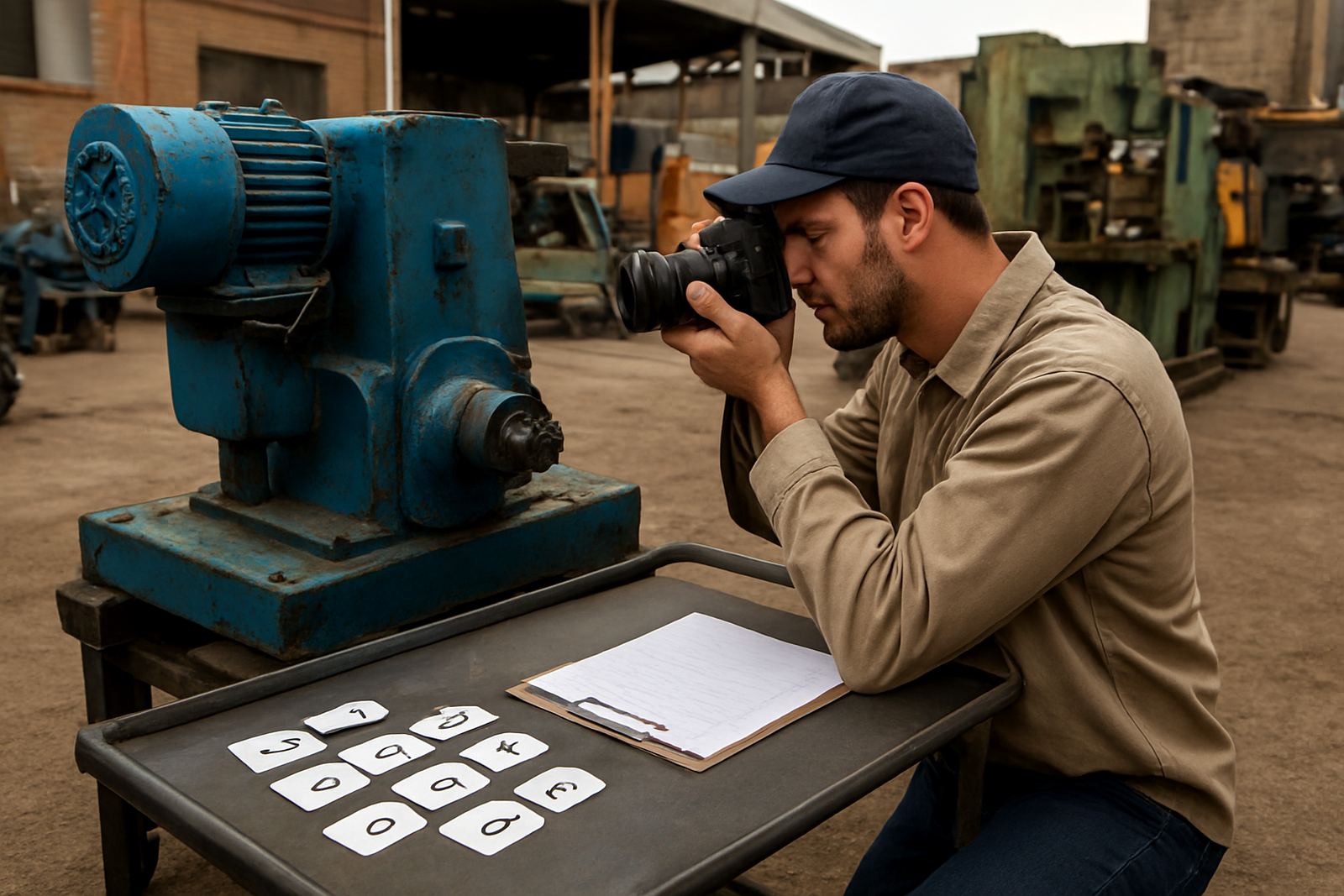
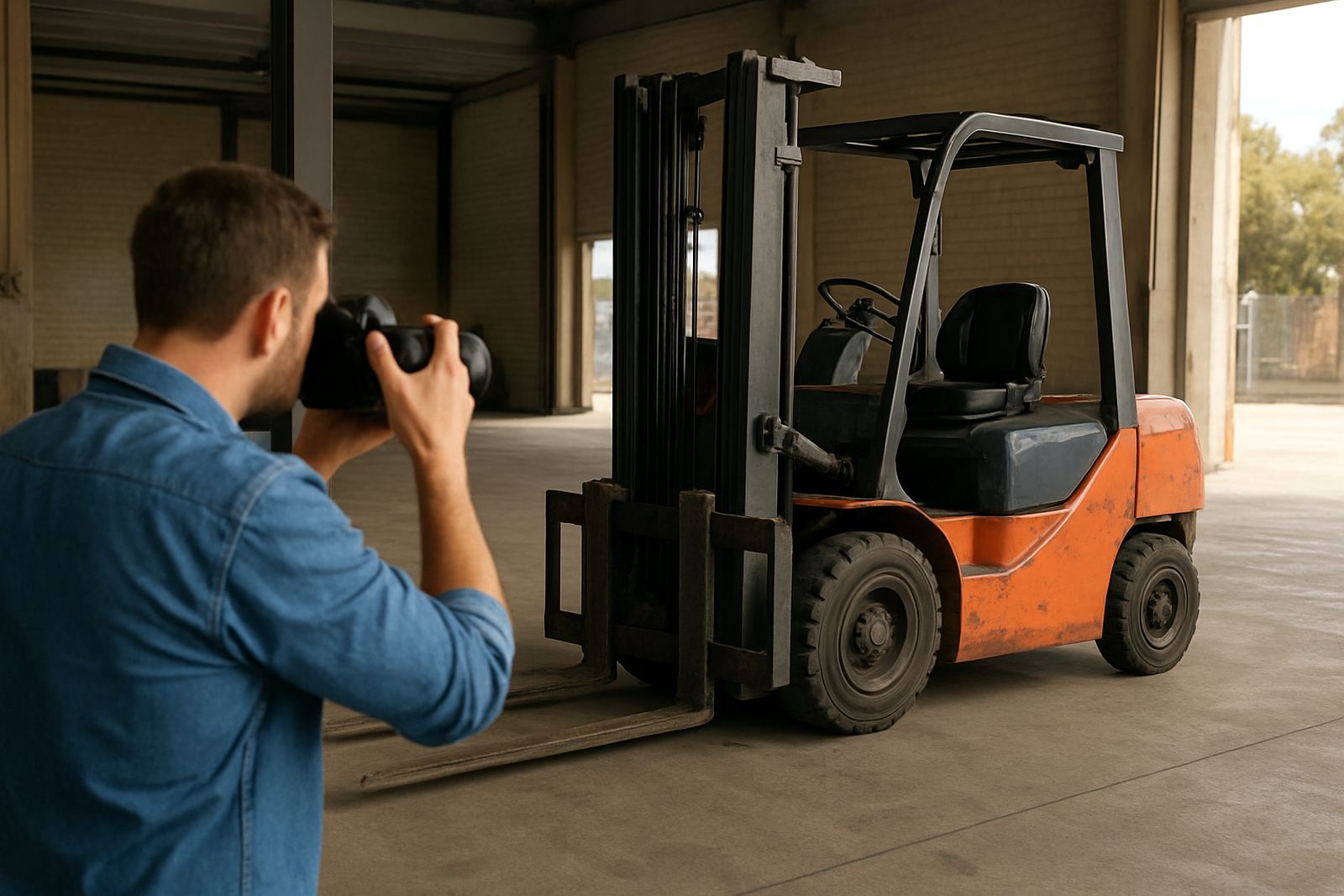
Auction photography is more than a few quick pictures. We capture the angles remote buyers need to assess a machine properly, including wear points, missing parts, control panels and any accessories that stay with the lot. For used machinery and business assets, that detail reduces questions and helps create more confident bidding.
Each shoot is planned around the item type and the condition on site. A lathe needs different coverage to a pallet racking bay, and a generator needs clearer serial and panel shots than a set of office fittings. We work on the yard, in the factory, or in a storage bay depending on where the asset is held.
- Front, side, rear and 45 degree views
- Close-ups of wear, damage, rust and repairs
- Control panels, nameplates and serial numbers
- Included accessories, spares and loose parts
- Wide shots to show scale and placement
How The Photo Set Is Planned
Before we start, the asset team confirms the lot number, location and any key selling points. We then map the photo sequence so the images tell a proper story from general condition to detail. That helps buyers in Johannesburg, Durban, Cape Town, Pretoria and beyond compare items without being on site.
If the asset is dirty, partly dismantled or stored in poor light, we still photograph it clearly and note the context. In many cases that is exactly what buyers want to see. A machine with surface dust is one thing, but a cracked guard or a bent frame must be visible straight away, not hidden in the shadows.
- Shot list matched to the asset type
- Lighting adjusted for indoor yards and warehouses
- Safe access planned for elevated or heavy items
- Optional grouping of related lots for dispersal sales
Our On-Site Workflow From Yard To Upload
The process starts with a viewing or seller onboarding brief, then moves to site preparation and photography. We check whether the item needs cleaning, repositioning or basic staging before shooting. For larger plants and machinery, this can include opening access panels or moving nearby stock so the item can be seen properly.
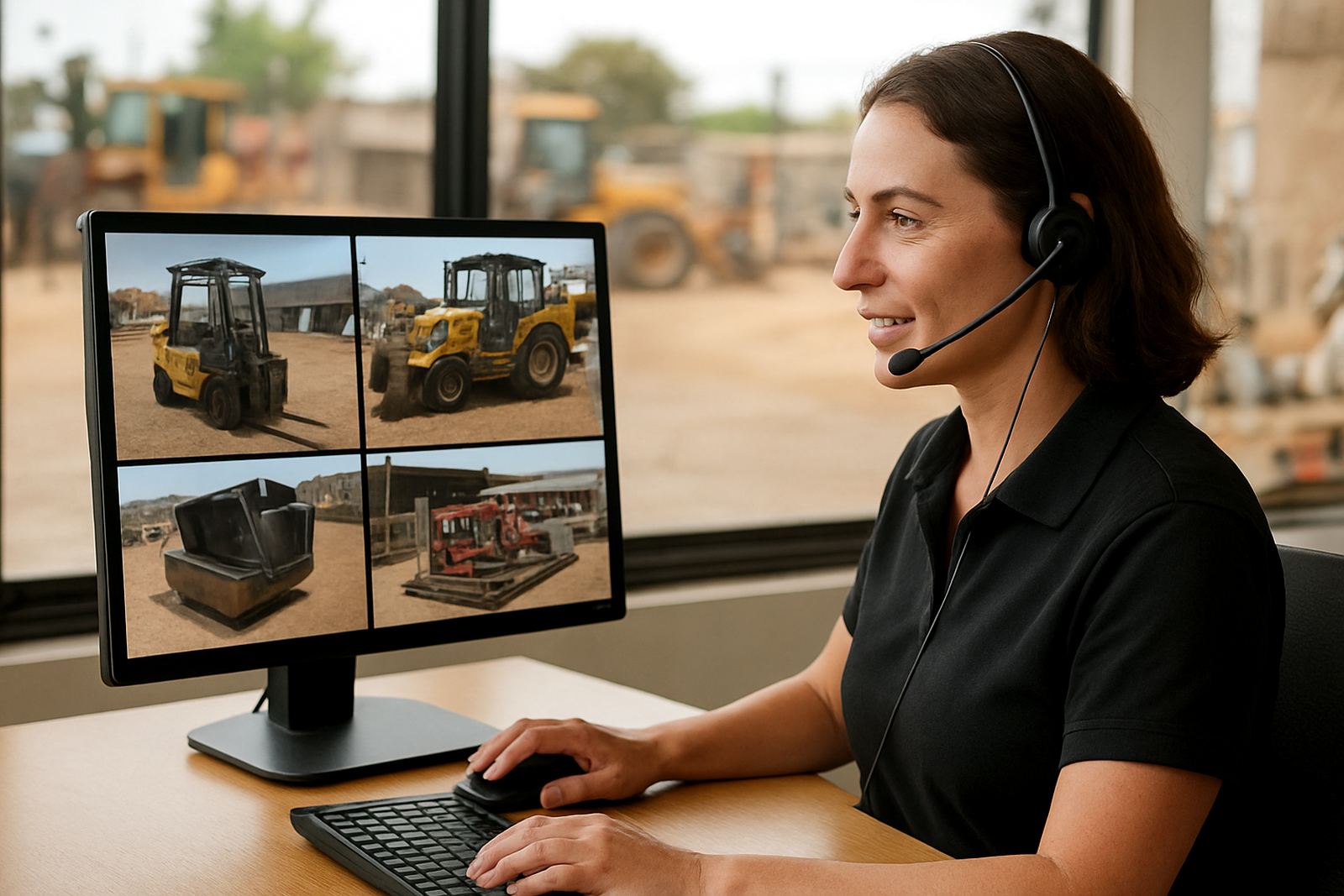
After the shoot, the images are reviewed for clarity, duplication and sequence. Any frame that is blurred, blocked or too dark is removed. The final set is then linked to the lot record for auction use, so buyers can move from image to description without confusion.
- Pre-shoot lot check and access confirmation
- On-site photography with the asset in place
- Image review for focus, exposure and completeness
- Upload to the lot catalogue in the correct order
Turnaround For Auction-Ready Image Sets
Processing depends on the size of the site and the number of lots, but standard lots are handled once the shoot is complete. Smaller single-asset shoots can be finalised after capture. Larger multi-lot catalogues may need more work where there are many machines, accessories and serial number shots to capture.
For sellers working to a tight auction date, we plan photography around the catalogue deadline and the viewing schedule. Where a site has load-shedding or limited natural light, we may adjust the timing so the images remain clean and usable. That matters on inland sites and in older buildings where power interruptions can slow the whole process.
We aim to keep the process practical and orderly, with enough time for a proper check before the auction goes live. Rushing a shoot usually creates gaps, and gaps lead to buyer doubt. Better to get it right first time than force a re-shoot later.
Pricing Approach For Sellers
Our pricing is based on the number of lots, site access, the size of the assets and the amount of detail required. A single machine with straightforward access is priced differently from a full yard of mixed stock, racking or workshop equipment. We keep the approach clear so sellers know what the photography covers before work starts.
For many instructions, photography is bundled with lot cataloguing or auction preparation. That helps keep the process efficient and avoids duplicated site visits. If a site needs multiple viewings or photos across different areas, such as Germiston, Isando or Alberton, we quote according to the actual work required.
- Single-lot and multi-lot pricing available
- Site access, travel and timing included in the quote
- Discounted rates may apply for larger catalogues
- Combined service pricing available with auction support
Keeping Image Quality Consistent Over Time
On active sites, assets change. New items arrive, parts are removed, and stock can move between viewings. For that reason, we recommend refresh photography at sensible intervals, especially where a sale runs over several weeks or a yard holds fast-moving surplus stock. A stale image set can create dispute later, so it pays to keep the record current.
As a practical rule, we suggest fresh images when a lot changes condition, after major cleaning or repair, or before a new auction cycle. On coastal sites, humidity can also affect exposed steel and electrical equipment quite quickly, while inland dust can build up after a few days. Regular updates keep the catalogue honest and help buyers bid with confidence.
- Refresh before each new auction cycle
- Reshoot after repairs or major site changes
- Update images if accessories are added or removed
- Use consistent angles for repeat sales and stock control
Key facts
| Coverage | Used machinery, plant, tools, office and business assets |
|---|---|
| Locations | Germiston base with viewings across South Africa |
| Image types | Wide shots, close-ups, serial plates, controls, accessories |
| Turnaround | Typically 24 to 48 hours for standard lots |
| Format | Auction-ready image sets linked to lot records |
| Pricing basis | Per lot, per site or bundled with catalogue support |