What Lot Cataloguing Covers
Lot cataloguing is the step that turns a mixed yard, storeroom or factory floor into an auction ready schedule. We identify each item, group related assets where it makes sense and write clear lot notes so bidders know exactly what they are looking at. That includes condition notes, key dimensions, power requirements and any visible accessories or missing parts.
For businesses in Germiston, Johannesburg, Pretoria, Durban, Cape Town and Bloemfontein, this matters because buyers often bid remotely and need enough detail to price freight, rigging and repairs. A generator with a control panel, a mixer with extra drums, or a stack of workshop benches all need different treatment. If a lot is too vague, bidding slows down. If it is too crowded, buyers hesitate. We keep it simple and practical.
- Single items catalogued individually where value justifies it
- Related assets grouped into one lot when that improves saleability
- Condition notes based on visual inspection and seller information
- Clear lot descriptions for machinery, tools, stock and fittings
- Basic measurements and utility details where available
How We Group Assets Into Lots
Every site is different, so we do not use a one size fits all approach. A production line in Isando may need lots split by machine type, while a retail clearance in Cape Town may work better as grouped shelving, tills and display fittings. We look at likely buyer demand, transport practicality and how the assets should be presented in a timed online auction.
The aim is to balance detail and speed. Too many small lots can create admin and push collection times out. Too few lots can hide value. We assess the equipment on site, then build lots that make commercial sense and are easy to catalogue, photograph and manage through the sale.
- Assets grouped by function, size or buyer type
- High value items separated for clearer bidding
- Bulk stock split into workable quantities
- Fixtures and fittings kept separate from removable machinery where needed
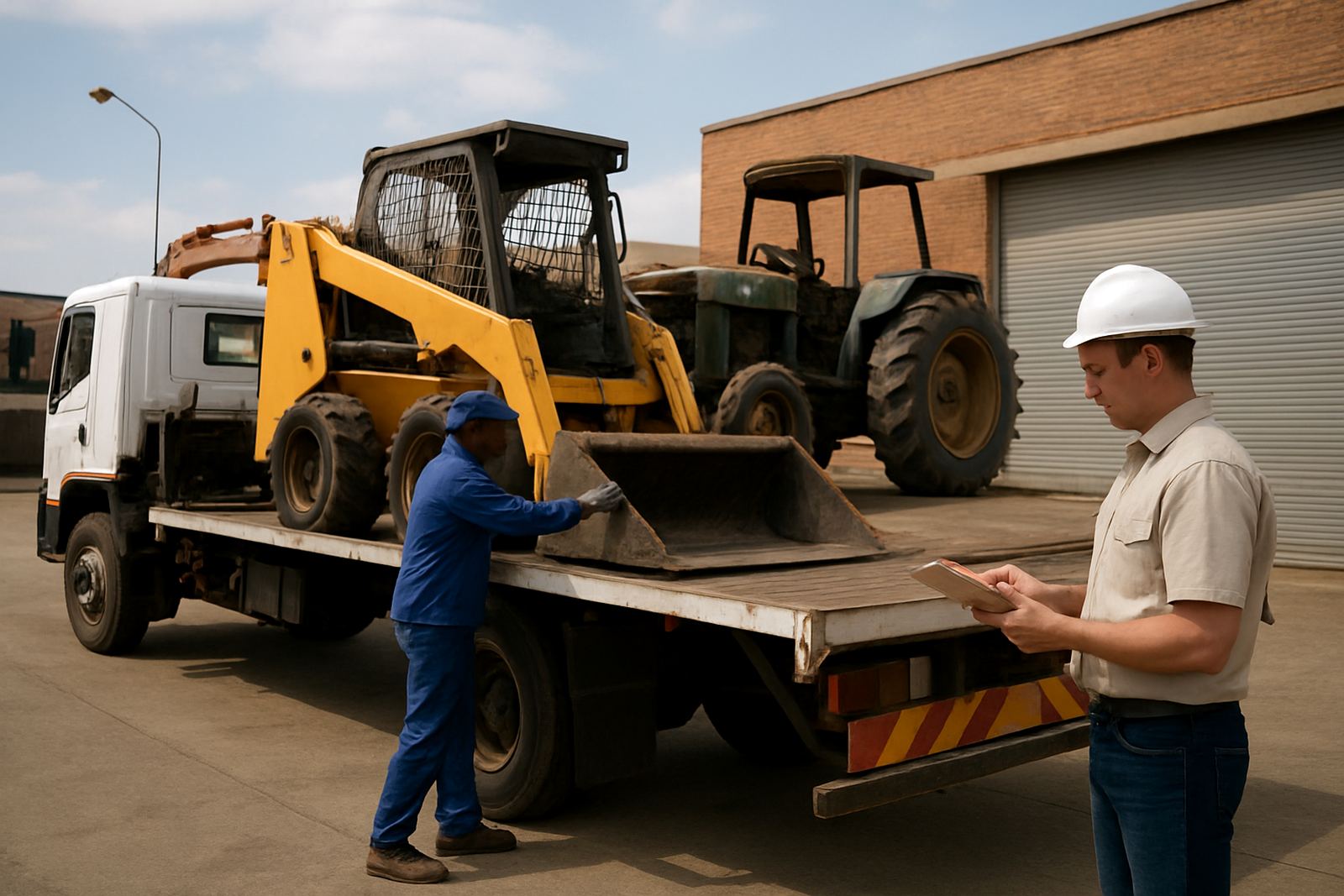
- Heavy items considered for lift access, loading bay use and collection planning
What Buyers See In Each Lot
Good cataloguing helps buyers judge risk before they place a bid. Each lot listing is written to show what is included, what condition it is in and what extra work may be needed after collection. We include useful facts rather than sales language, because buyers want clarity not fluff. If an item has not been tested, we say so. If it has visible wear, we record that. If there are multiple units in one lot, we state the count plainly.
Typical lot details can include serial numbers where visible, approximate age, working status, visible damage, accessories, pallet count and whether the item is on site or boxed. For electrical equipment we note voltage where marked, and for larger plant we note access requirements and approximate weight if available. This level of detail helps reduce disputes later and supports smoother payment clearance and collection. It also saves time for the seller, which is important when the site has to be cleared fast due to lease expiry or a business restructure.
- Item count, make details where visible and lot condition
- Approximate dimensions and weight for moving planning
- Power or fuel requirements where marked on the asset
- Accessory and component notes, including missing parts
- Collection notes such as forklift access or loading bay limits
Our Cataloguing Process On Site
We start with a walk through of the site and a brief with the seller or site contact. From there we map the asset areas, separate saleable items from scrap or non-sale stock and confirm which assets should be sold individually and which should be grouped. Where required, we work around operating shifts, security restrictions and municipal or landlord access rules. In Gauteng and coastal areas alike, this is often the difference between a clean process and a messy one.
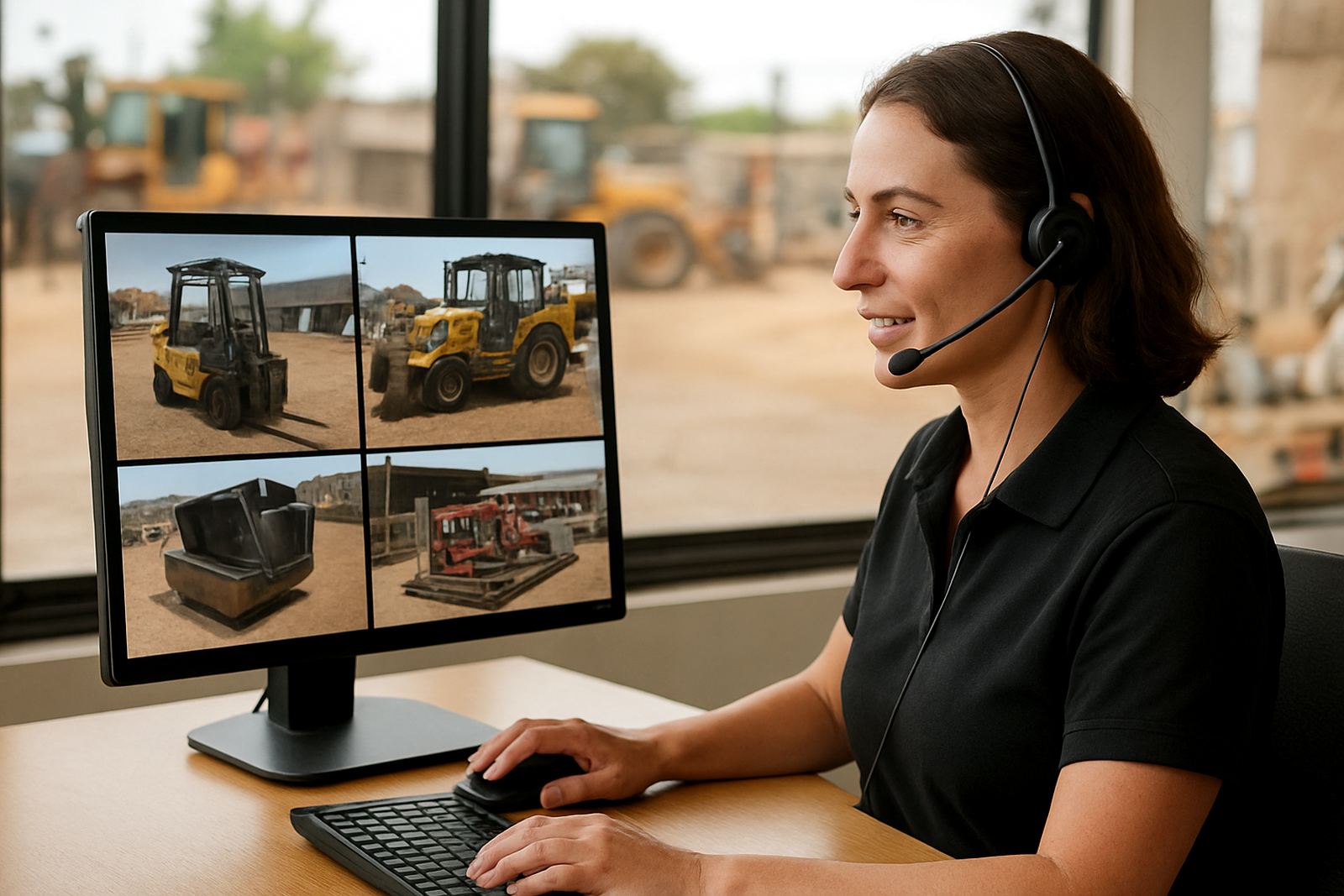
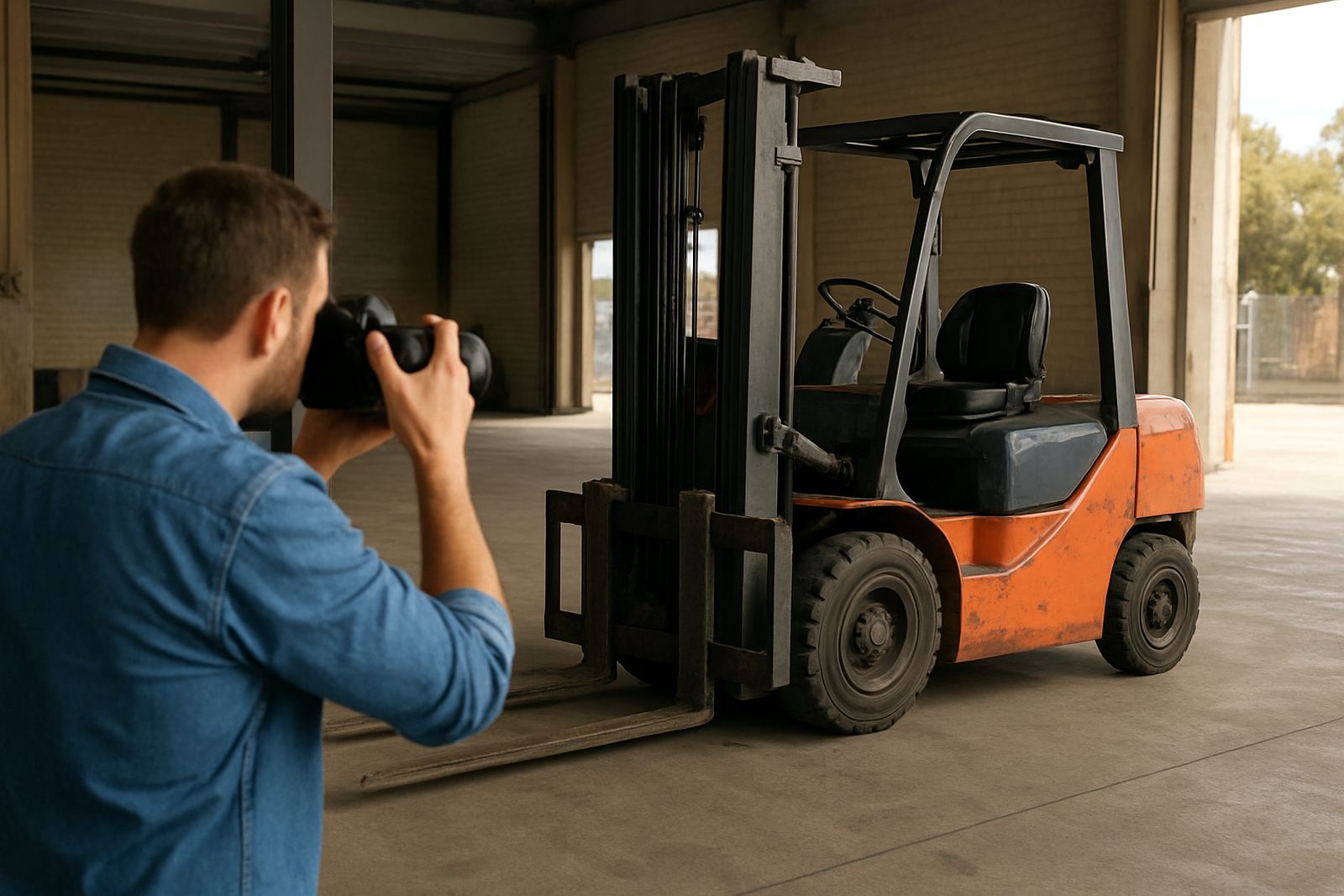
Once the site plan is agreed, our team records each lot, checks visible details and prepares the catalogue notes. We then hand the listing set into auction production so it can move into photography, viewing, bidding and collection coordination. The process is practical and there are clear steps, so sellers know what is happening and when. If a lot needs to be split or recombined, we do that before the auction goes live, not halfway through.
- Site walk and asset sorting
- Lot structure agreed with the seller
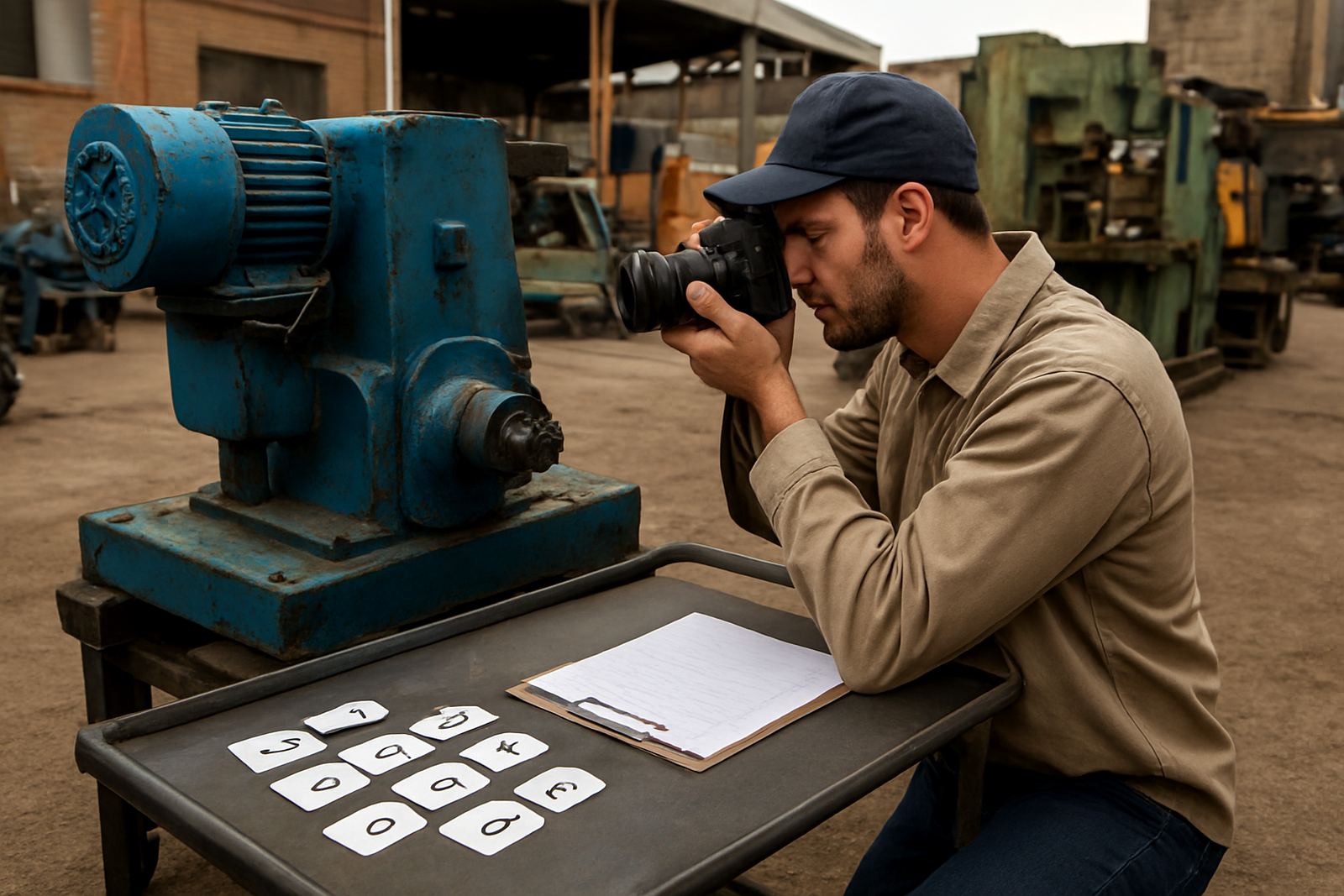
- Descriptions, counts and notes captured
- Catalogue handover for auction loading
- Final review before timed bidding opens
Turnaround Times And Maintenance Intervals
Cataloguing depends on the size of the asset base and how spread out the site is. A small surplus sale in Alberton may be catalogued with minimal lead-in, while a multi-site dispersal across Durban and Johannesburg can take longer. Standard lots are catalogued after access is confirmed. Large sites, mixed stockrooms or assets requiring verification may need more work.
For sellers with ongoing surplus stock sales, we can schedule recurring cataloguing intervals weekly, fortnightly or monthly depending on turnover. This helps keep stock moving instead of piling up in corners or under tarps. Regular maintenance intervals are useful for plants, warehouses and workshop operations where surplus assets are released in batches. It also keeps the auction flow steadier and makes planning for removals much easier.
- Small site or single location: often 1 to 2 working days
- Medium asset batches: about 2 to 5 working days
- Large or multi-site projects: planned in phases
- Recurring surplus sales: weekly, fortnightly or monthly
- Rush projects: handled where access and records allow
Pricing Approach For Cataloguing Work
Our pricing is based on the number of lots, the complexity of the assets and the site conditions. A straightforward batch of boxed tools is not priced the same as a heavy machinery yard with mixed plant, palletised stock and multiple viewing areas. Sites with limited access, late after-hours work or split locations may also need a different approach. We quote on the work required, not on guesswork.
For sellers, this gives a clear cost before the auction starts. In many cases, the value recovered from better lot structure and stronger bidding justifies the cataloguing fee. We can also combine cataloguing with asset appraisals, auction photography and seller onboarding if the disposal needs a full service plan. No hidden extras, and no one likes surprises when a site is already under pressure.
- Quoted per lot, per asset group or per project
- Adjusted for site complexity and access conditions
- Optional combined pricing with related auction services
- Suitable for one off disposals and repeat stock releases
- Clear scope before work starts
Why Accurate Cataloguing Improves Auction Results
Accurate cataloguing is not just admin, it affects the final sale. Buyers bid more confidently when the listing makes sense and the lot is easy to compare with other options on the market. Clear grouping also reduces collection delays, because buyers know what trucks, labour and lifting gear they need before arriving. In a country where load shedding, fuel costs and tight transport planning all affect operations, that kind of clarity matters.
It also helps sellers protect time and cashflow. A well prepared catalogue reduces back and forth queries, limits confusion on site and supports faster payment clearance. Whether the assets are in a factory in Germiston, a warehouse in Pretoria or a sales depot in Cape Town, the same rule applies. Better lot structure gives better market response, and it keeps the whole disposal process moving.
Key facts
| Service area | Germiston and nationwide across South Africa |
|---|---|
| Typical turnaround | 2 to 5 working days for standard lot schedules |
| Lot types | Single items, grouped assets, bulk stock and mixed site clearances |
| Included details | Counts, condition notes, dimensions, power details and collection notes |
| Pricing basis | Per lot, per asset group or per project quote |
| Best for | Factories, workshops, warehouses, retail clearances and surplus stock sales |