How Collection Coordination Works at BidThis
Once a lot is paid and cleared for release, our team coordinates the collection window, site access and handover details so the asset can move out without unnecessary delays. This service is used for single items, mixed lots and full site clearances, with collections managed from our Germiston base and across Johannesburg, Pretoria, Durban, Cape Town and Bloemfontein.
We handle the practical side of the handover, including confirming who is collecting, what equipment is needed, and whether loading aids, forklifts or lift capability are required. For sellers, this helps keep yards clear and reduces congestion. For buyers, it reduces the risk of arriving with the wrong truck, the wrong straps or no access papers in hand.
- Collection slot booking and yard release timing
- Buyer identity and payment clearance checks
- Site access notes for warehouse, factory or outdoor yards
- Loading instruction for palletised, loose or fixed machinery
What Is Included in the Collection Service
Our collection coordination service covers the steps needed to move assets from the seller to the buyer with less back and forth. It starts with release confirmation and ends when the item leaves site, with clear notes kept for each lot. We work with business assets of all sizes, from workshop machines and compressors to shelving, office equipment and production spares.
Depending on the lot, we can arrange collection instructions that match the item weight, dimensions and handling needs. This includes checking whether a machine must be disconnected by a qualified person, whether it needs packing or skids, and whether the collection point has limited access, low doors or uneven paving. In older industrial areas like Germiston, Isando and Alberton, that detail makes a real difference.
- Release authorisation and collection booking
- Asset location notes and yard contact details
- Handling guidance for heavy or awkward items
- Loading bay timing for shared premises
- Multi-item and multi-site pickup planning
Our Collection Process From Payment to Pickup
We keep the process simple and direct. After payment clearance, the buyer receives the collection instruction for the lot or lots won. If the item needs special handling, we note that upfront so the correct vehicle, lifting gear and labour can be arranged before arrival. That helps avoid wasted trips and extra storage costs.
Standard collections are scheduled during agreed working hours, with time windows set around site traffic, security checks and municipal or body corporate rules where relevant. If a buyer is collecting from Durban or Cape Town, we also consider weather conditions and coastal humidity, because packaging, electrical items and exposed steel can need extra care during loading. For sellers with multiple lots, we can sequence collections so high-priority space is cleared first.
- Step 1: Payment is confirmed and release is approved
- Step 2: Collection requirements are checked against the lot details
- Step 3: A time slot is set and the site contact is briefed
- Step 4: Buyer arrives with the right vehicle and labour
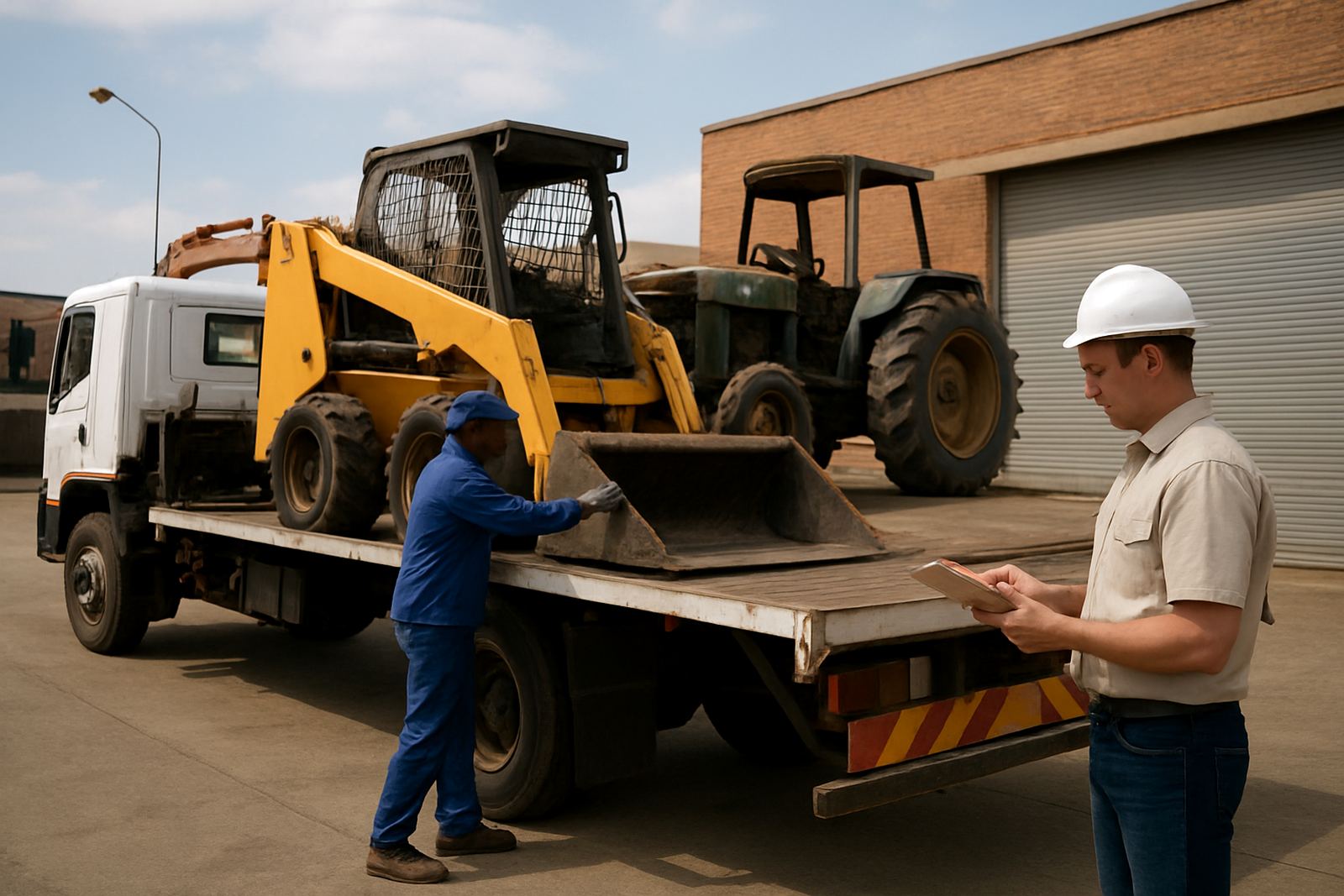
- Step 5: Item is loaded, checked off and removed from site
Turnaround Times and Collection Windows
Turnaround depends on the lot type, the site and how quickly all documents are in order. Smaller items can often be released within 24 to 48 hours after clearance, while larger machinery may need 2 to 5 working days if lifting equipment, disconnect work or access approvals are required. For busy sites, collections are often staged in blocks so operations can continue without disruption.
We work with sellers who need fast yard clearance and buyers who have transport booked well in advance. If a collection is tied to a full site dispersal, we will map the order of removal so larger units go first and smaller parts follow. That is especially useful for manufacturing, logistics and distribution sites where floor space is worth money and every day counts.
- Small loose assets: same day or next working day where practical
- Medium machinery: usually 1 to 3 working days after clearance
- Large or fixed assets: 2 to 5 working days, sometimes longer if decommissioning is needed
- Multi-site removals: scheduled by route and loading order
Pricing Approach and What Buyers and Sellers Pay For
Collection coordination is priced according to the work involved, not a one-size-fits-all rate. The main factors are item size, number of lots, distance between sites, access complexity and whether the collection needs extra site support. Where a seller has multiple assets leaving the same yard, the coordination cost is usually more efficient than arranging every move separately.
We do not add unnecessary steps. If a collection is straightforward, the charge remains straightforward too. If the collection needs extra checks, after-hours timing or multiple handover points, those needs are set out before the slot is confirmed. That way both sides know what to expect and there are no surprises when the truck arrives. It keeps the paperwork clean and the move-out process orderly, which matters when assets are being cleared under time pressure.
- Based on item type, loading difficulty and number of lots
- Adjusted for site access, distance and timing requirements
- Quoted upfront once the release details are confirmed
Keeping Assets Safe During Removal
Good collection planning protects both the asset and the premises. We recommend regular checks on packaging, tie-down points and floor condition before collection day, especially for machinery that has been standing for long periods. In Gauteng industrial yards, dust, oil residue and uneven concrete can affect how a machine is moved, so the collection plan should include the right clearance around the unit.
For electrical or mechanical assets, maintenance intervals before collection matter. Buyers should confirm whether belts, guards, hoses or loose parts need to be secured before loading. Sellers should make sure the item is accessible and not blocked by stock or pallets. If a machine has been idle, we suggest a quick pre-collection check 24 hours before pickup so any missing parts, leaks or safety issues can be flagged before the truck arrives. It saves time and reduces damage risk, which is good for everybody.
- Check access routes and gate widths before the truck arrives
- Confirm whether the asset needs skids, straps or lifting slings
- Inspect for loose fittings, fluids or unsecured parts
- Keep the collection point clear for at least 1 metre around the item
When Collection Coordination Makes the Biggest Difference
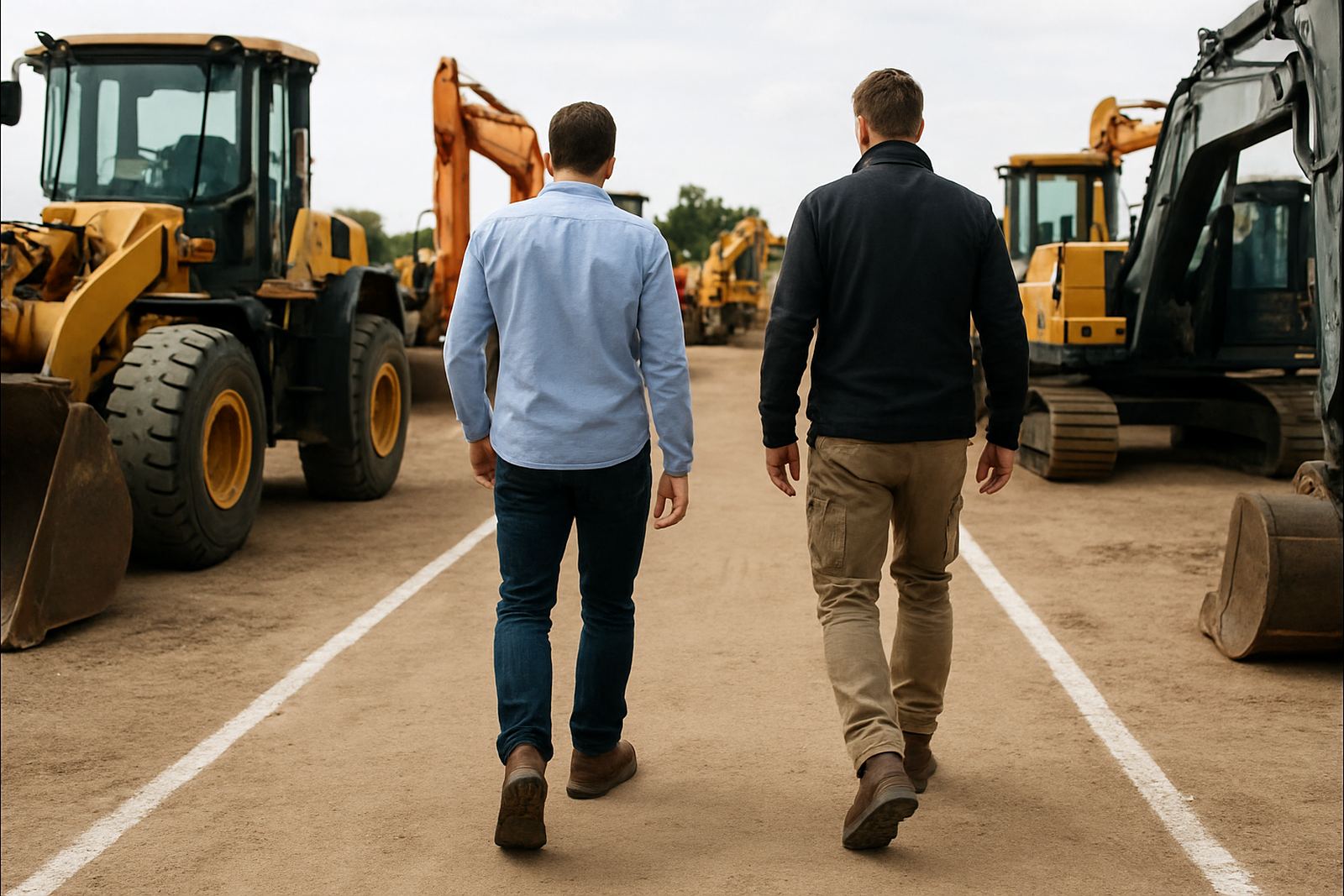
This service is most useful when a seller needs space back quickly, when a buyer is moving heavy assets across provinces, or when a site has strict operating hours. It also helps with collections from shared industrial parks, where security teams need names, vehicle details and time windows before entry. In those situations, one missed detail can hold up a whole removal.
BidThis coordinates collections from Germiston and supports viewings and pickups across Johannesburg East, Pretoria, Durban, Cape Town, Bloemfontein, Isando and Alberton. Whether it is one machine or a full yard of surplus stock, the aim is the same: get the asset out cleanly, keep the site orderly and make the handover practical from start to finish.
If you are selling, proper collection planning clears space faster. If you are buying, it helps your purchase arrive when your team is ready to receive it.
Key facts
| Coverage | Germiston base with collections across South Africa |
|---|---|
| Asset types | Used machinery, business assets, surplus stock and mixed lots |
| Typical release turnaround | 24 to 48 hours for small items, 2 to 5 working days for larger assets |
| Collection planning inputs | Lot dimensions, weight, access limits, site hours and lifting needs |
| Site access support | Loading bay timing, security notes, yard contact and release authorisation |
| Maintenance check interval | Pre-collection check 24 hours before pickup for idle or sensitive assets |