What seller onboarding covers for auction listings
Seller onboarding is the start of the auction process and it needs to be tidy from day one. We help you work through the consignment agreement, asset details, ownership documents and the practical steps needed to get equipment ready for photography, valuation and auction listing. For factories, workshops, warehouses, logistics yards and offices clearing surplus stock, this keeps the handover straight and reduces delays later on.
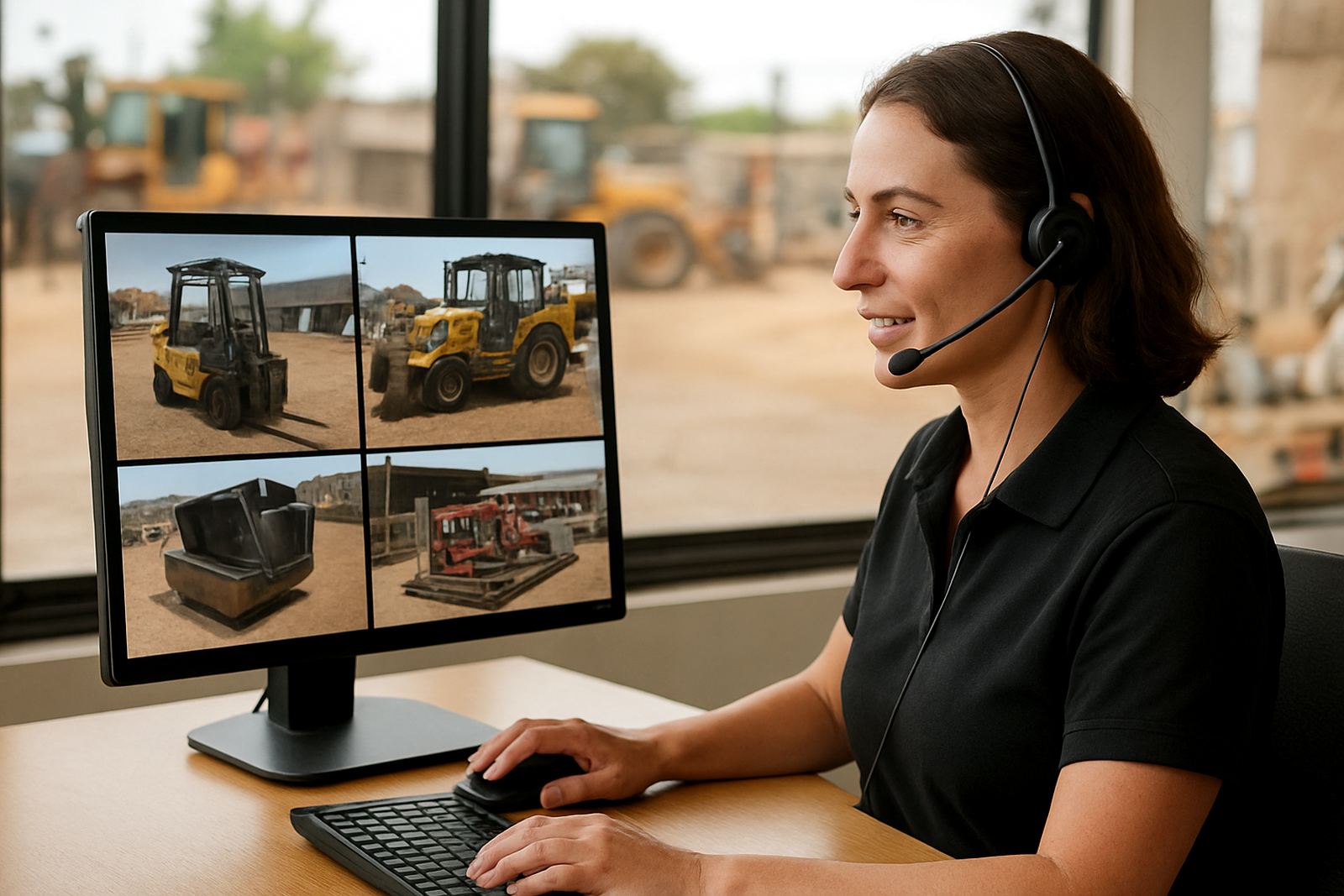
Our team handles one machine or a full site clear-out, depending on what needs to go through the auction. We check item descriptions, serial numbers, asset tags, operating condition, power supply requirements and any safety notes that should be shown to buyers. If a pump, generator, forklift or production line item needs special mention, we record it before the lot is published.
- Consignment intake for single items, grouped lots and full dispersals
- Document checks for ownership, proof of authority and asset schedules
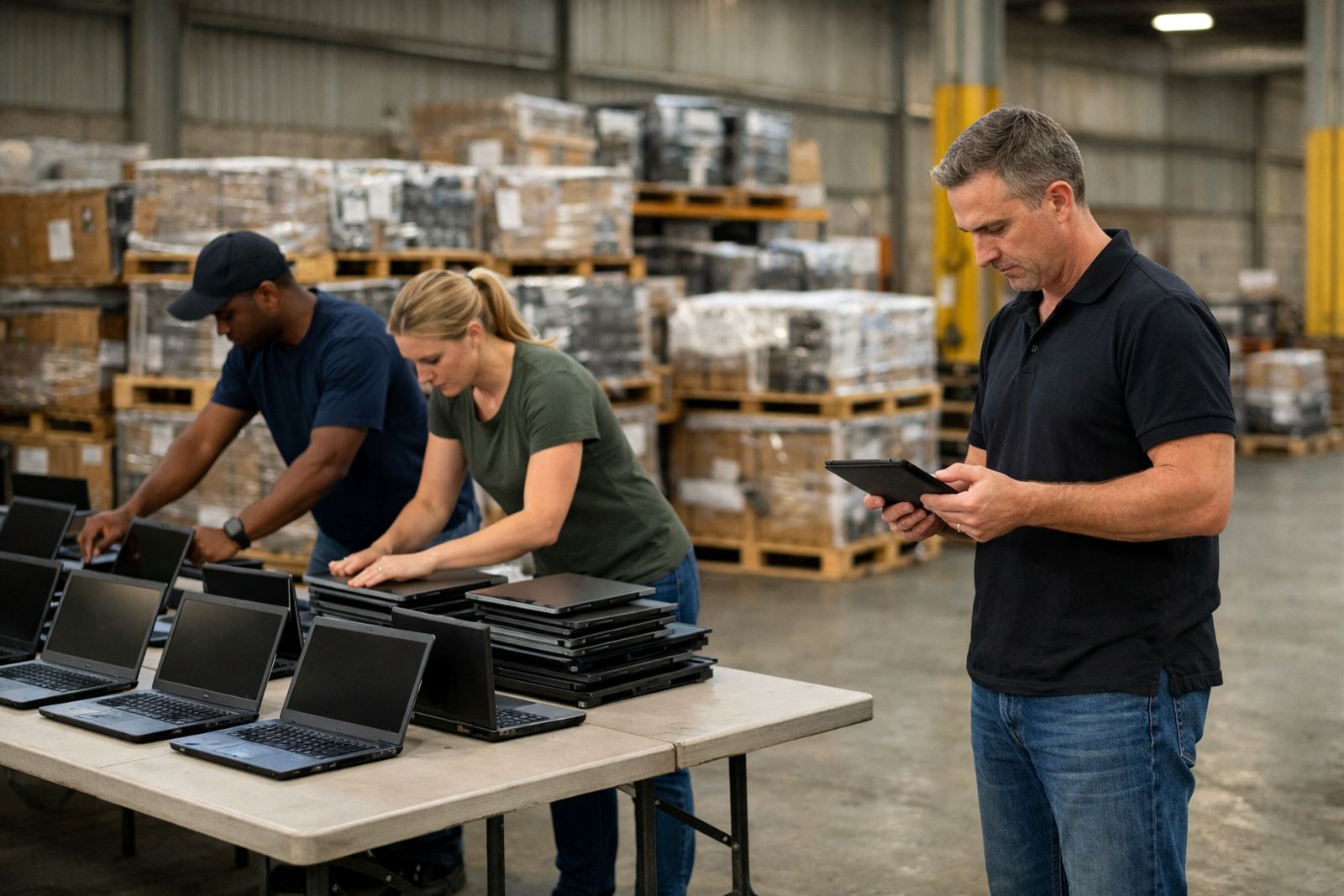
- Lot data capture, measurements and condition notes
- Preparation for auction photography and buyer viewing
How the onboarding process runs from first contact to listing
Once you send an enquiry through the contact form, we look at the asset list and the site location, then we advise on the best way to prepare the auction. If the items are in Germiston, Isando, Alberton or the East Rand, we can arrange a viewing yard drop-off or an on-site capture where practical. For sellers in other provinces, we plan the process around collection timing, access hours and any site rules that apply.
The normal workflow is simple. First we confirm the assets and seller details. Then we complete the paperwork, inspect the items, gather the photographs and set the auction structure. After that, the lots are scheduled and the sale goes live. When the auction closes, we assist with payment clearance and collection coordination so the release of goods is handled properly.
- Step 1: initial enquiry and asset review
- Step 2: consignment agreement and document collection
- Step 3: valuation guidance and lot grouping
- Step 4: photography, catalogue setup and auction scheduling
- Step 5: sale close, payment clearance and collection release
Documents and asset specs we ask sellers to prepare
Good onboarding starts with clear information. We ask for the basics on each asset so buyers can see what is being sold and you can avoid unnecessary queries. If a machine is working on 3-phase power, needs a specific voltage, or has a footprint that affects loading, we note that too. In Gauteng and the coastal centres, humidity and storage conditions can affect motors, panels and tools, so condition comments matter.
Useful asset specs include machine type, make where applicable, model reference, year if known, serial number, dimensions, weight estimate and whether manuals, tooling or spares are included. For vehicles and plant, we also note tyre condition, service status and visible wear. If the item has been idle for a while or needs a service before handover, tell us upfront so the listing is accurate and buyers are not caught out.
- Ownership proof or authority to sell
- Asset register or internal stock list
- Machine dimensions in metres or millimetres
- Power requirement and load details
- Location details and site access instructions
Turnaround times and what affects the schedule
Turnaround depends on the size of the lot, how complete the paperwork is and whether the assets are on one site or spread across more than one location. A small seller with a few surplus items can often move faster than a multi-site dispersal that needs sorting, tagging and transport planning. For busy operations in Johannesburg, Pretoria or Durban, we also work around production hours and security access.
In straightforward cases, onboarding can move quickly once documents are ready and the assets are accessible for viewing. Larger batches, mixed equipment or items needing reserve price guidance take longer because we want the catalogue to be correct first time. If the site has limited access, no crane available, or load shedding is affecting inspection hours, we adjust the timing rather than rush the process.
- Simple lot intake: usually a few working days once details are complete
- Multi-item or multi-site sales: allow extra time for cataloguing and checks
- Viewings and collections are scheduled around site access and transport windows
- Final timing can shift if documents, photographs or approvals are still outstanding
Pricing approach for sellers and reserve guidance
Our pricing approach is based on the type of assets, the number of lots, the amount of support needed and whether the sale is single-site or spread across several areas. We keep it clear from the start so sellers know what to expect. For some consignments, a standard auction setup is enough. For larger or more technical assets, extra valuation work and lot management may be required.
Reserve price guidance is part of the onboarding conversation, especially where machinery is specialised or the market has shifted. We look at condition, age, demand, service history and how the item compares with similar used assets that buyers are actively seeking. The aim is to set pricing expectations that are practical and fair, not inflated. That helps the auction move and gives buyers confidence in the process.
- Pricing reflects lot count, asset type and location
- Reserve guidance is based on condition and market demand
- Additional work may apply for complex equipment or dispersed sites
- All pricing discussions are handled before listing so there are no surprises
Keeping assets ready before and after listing
Seller onboarding does not stop once the listing is live. Assets still need to stay ready for viewings, buyer questions and collection after the sale. That means keeping items accessible, labelled and in the same condition described in the catalogue. If a machine is being powered for demonstration, or stored in a yard that is exposed to coastal moisture, check it regularly so it stays presentable and safe.
For equipment that remains on site for several weeks before the auction closes, we suggest practical maintenance intervals. A quick visual check every 7 days is useful for dust, leaks, loose fittings and battery issues. Where items are live and wired, verify safety before each viewing day. If the sale runs across a longer period, a fresh condition update before the final week helps keep the listing accurate and the collection process smooth.
- Weekly visual checks for idle equipment
- Pre-viewing safety checks for live or connected items
- Condition updates before the final auction week
- Collection preparation after payment clearance
Auction onboarding across South Africa
We work across Germiston, Johannesburg East, Pretoria, Durban, Cape Town and Bloemfontein, so sellers can deal with one team while reaching buyers nationwide. That helps businesses move surplus equipment from a warehouse, workshop or plant floor without wasting time on scattered processes. Our team knows the local reality too, from municipal access rules to yard security and the timing pressure that comes with a busy operating site.
With clear onboarding, your assets are described properly, the lot structure makes sense and the sale is easier to manage from start to finish. Sellers get a cleaner process and buyers get better information. That is the point of good auction preparation.
Key facts
| Service area | South Africa, with viewings and seller support in Germiston, Johannesburg, Pretoria, Durban, Cape Town and Bloemfontein |
|---|---|
| Asset types | Used machinery, tools, plant, vehicles, workshop equipment and surplus business assets |
| Typical sellers | Factories, warehouses, logistics yards, workshops, offices and multi-site businesses |
| Documents needed | Ownership proof, asset list, authority to sell and site access details |
| Turnaround | Depends on lot size and document readiness, with simple consignments often moving in a few working days |
| Pricing basis | Lot count, asset type, location, reserve guidance and level of preparation needed |