What a shipping container offers on site
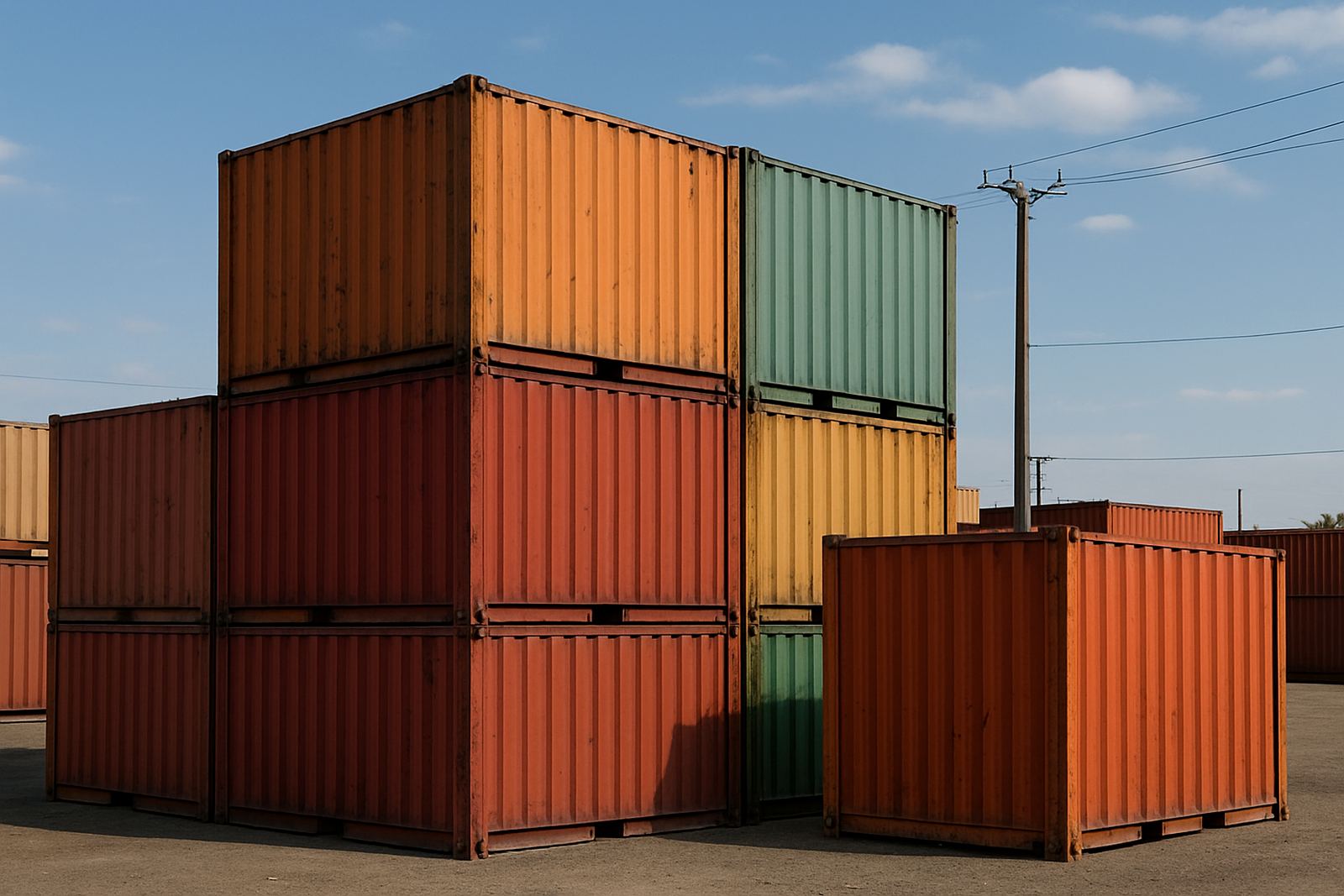
A shipping container is a steel unit built for secure transport and storage, usually fitted with corrugated side panels, lockable double doors on one end and lifting points at the top corners. On auction listings, you will mainly see standard dry containers, with some units adapted for storage, workshops, offices or plant cover. They are popular with contractors, farms, distributors and yards because they can be moved, stacked and put into service quickly.
Most buyers use them for dry storage of tools, stock, spares and documents, or as a protected space for compressors, generators and consumables. In humid coastal areas a container is often better than open shelving, but it still needs proper airflow and routine checks for rust, seal wear and flooring condition.
Common sizes and layout options
The most common sizes in the South African market are 6 metre units and 12 metre units, with width usually around 2.4 metres and internal height around 2.3 metres to 2.4 metres depending on the type. High cube units are taller and suit bulky goods, tall racking or light workshop conversions. You may also find side-opening containers, open-top units and insulated or lined units from time to time.
- 6 metre standard: suited to small yards, stores and compact sites
- 12 metre standard: ideal for bulk storage, warehousing overflow and bigger projects
- High cube: extra headroom for pallets, shelving or equipment
- Modified units: may include doors, windows, vents, partitions or internal lining
When you compare lots, check whether the measurements are external or internal. Also look at the floor type, door seals and whether the unit is wind and watertight or sold as-is for repair.
Where containers suit best
These units work well in construction sites, logistics yards, retail overflow, workshops, agricultural depots and municipal or commercial compounds. In Johannesburg and Pretoria, they are often used for inventory control and site security. In Durban and Cape Town, buyers often favour units with better ventilation and paint protection because of coastal humidity and salt in the air. In Bloemfontein and inland towns, the focus is often on dust control and keeping goods protected from heat and sudden weather.
Containers also suit temporary set-ups where a business needs space now, not after a long build. If your site has limited yard room, a single 6 metre unit may be enough. If you are managing stock, tools and records for several teams, a 12 metre unit gives far more breathing space.
Installation, placement and access
Installation is usually straightforward, but the ground must be level and firm enough to carry the weight. A container should sit on concrete pads, sleepers or another suitable base so the steel frame stays square and the doors close properly. If the surface is soft, the floor can twist and the unit may be difficult to use.
- Allow space for a truck, crane or loader to position the unit
- Check overhead clearance for trees, cables and low roofs
- Plan door opening space so pallets and trolleys can move freely
- Provide drainage around the unit to avoid standing water
For larger sites, think about access routes before collection day. Narrow gates, weak paving and tight corners can slow the move and add cost. In some municipal areas you may need approval if the container will stay in place long term or be used as a structure on visible commercial premises.
Power, ventilation and any added services
A basic storage container needs no power or gas. If the unit is being used as a workshop, guard room or office-type space, then electrical supply, lighting, sockets and possibly a small air-conditioning or fan setup may be added. Any wiring should be done neatly and safely, with protection against moisture and load-shedding surges.
For work that involves fumes, fuel or heat, ventilation is important. Fit louvres, vents or opening points where needed and avoid storing gas cylinders or flammables next to electrical gear. If the unit will hold sensitive stock, consider insulation or a lined interior to reduce condensation. That said, even a well-fitted container still needs routine checking, specifiy after heavy rain or a change in season.
Care, servicing and long-term use
Used containers last longer when they are kept clean, dry and off the soil. Sweep out debris, check for water ingress after rain and inspect the roof, corners and door seals for early rust. Touch up chipped paint and keep the locking gear greased so it does not seize up. Floors should be checked for soft spots, staining or signs of old chemical spills.
- Wash off dust, mud and coastal salt build-up
- Inspect seals and hinges every few months
- Keep the unit level to avoid door binding
- Do not overload the roof with loose stock or water tanks unless the unit is rated for it
If the container has been modified, inspect any cut-outs, welds and added frames. The more a unit has been altered, the more important it is to confirm that the structure still sits straight and secure.
What to check before you place a bid
Before ordering, check the lot description carefully and compare it with your site needs. Make sure the size suits the space available, the condition matches the job and the access plan works for delivery or collection. If you need a container for secure storage, inspect the locking area, door operation and floor condition closely. If the unit is for conversion, look for straight walls, dry floors and enough room for the changes you want to make.
- Exact length, width and height
- Condition of doors, hinges, seals and lock box
- Floor type and signs of damage or damp
- Whether it is wind and watertight, repairable or sold as-is
- Any vents, side openings, insulation or electrical fittings
- Collection method and vehicle access at your site
For businesses across Gauteng, KwaZulu-Natal, the Western Cape and the Free State, a container can be a practical low-cost way to add space fast. The key is choosing the right unit for the job, not just the cheapest lot.
Key facts
| Typical sizes | 6 metre and 12 metre standard units, with some high cube and modified options |
|---|---|
| Construction | Corrugated steel sides, steel frame, timber or composite floor, double cargo doors |
| Typical use | Storage, equipment cover, site office conversion, workshop support, stock overflow |
| Power needs | None for basic storage; added electrical supply needed for office or workshop use |
| Gas needs | None for standard units; any gas use must be fitted and managed separately |
| Site requirement | Level hard standing, access for truck or crane, drainage and clear door swing |